%20(1).svg)

.svg)

Introduction
If you lease land and plan to sell produce at an alberta farmers market, you need a practical plan that covers product quality, market rules, and long term soil care. This guide walks through finding the right market, vendor requirements, table rental and fees, and how lease terms affect what you can sell. It is written for landowners and tenants who want realistic, actionable steps for selling produce grown on leased ground, and it mentions Land4Rent as a tool some operators use to manage leasing and clarify responsibilities.
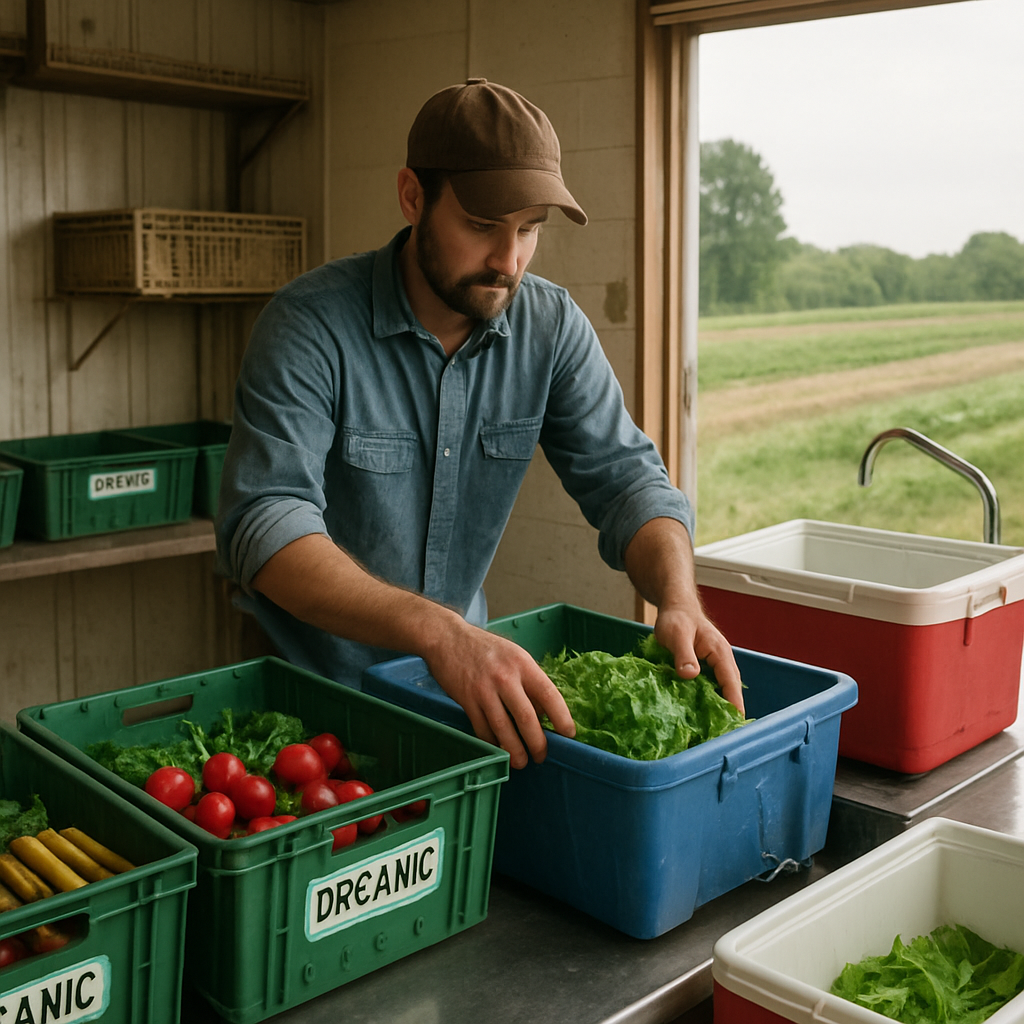
Where is the farmers market in Alberta?
Finding markets starts with local directories and community listings. Look up the farmers market directory alberta, municipal event pages, and social media groups for towns and cities. Major hubs include Edmonton, Calgary, Lethbridge, Red Deer, Grande Prairie, and smaller towns around them, but many rural communities host weekly markets during the season.
Use search terms like alberta farmers markets near me or the name of your town plus farmers market to locate options and check schedules. Local agricultural societies and community associations often run markets in smaller centres, and some markets operate year round while most are seasonal.
How do I become a farmers market vendor?
Most markets want consistent, clearly labeled vendors. Start by contacting the market manager or market association. You will usually complete an application, show proof of appropriate permits and insurance, and agree to the market rules. Questions the manager will ask include where your produce is grown, how you handle safety and labeling, and whether your products are prepared on site.
For vendors from leased farms, clarify with your landlord whether the lease allows direct retail sales and how stewardship responsibilities are shared, particularly for soil management and inputs used on the land.
Preparing produce from leased farmland for market sales
Quality and consistency matter at market. Customers expect clean, well packed produce and clear origin information. If you grow on leased ground, document your growing practices so you can answer questions about soil amendments, pesticide use, and whether products are certified organic.
Before your first market day, run a checklist to reduce surprises. A short practical checklist helps crews prepare produce at the farm and at the stall.
- Wash, sort, and grade produce by size and quality
- Label items with product name, price, weight, and farm origin
- Pack samples and reusable bags, and bring hand sanitizer and transaction tools
- Check cold chain needs, use coolers for temperature-sensitive items
- Prepare signage that highlights unique selling points like "grown on leased land" or "no synthetic inputs"
These steps reduce waste at the market and improve customer trust. If you aim for an organic farmers market Alberta or a specialty niche, keep certificates and documentation easily accessible for market staff and customers.
Table rental, fees, and logistics
Costs vary by market size and location. City markets near Edmonton or Calgary often charge higher table rates than small town markets. Ask for a full fee breakdown up front, including daily table rental, seasonal stall fees, electrical access, vehicle parking, and late cancellation rules.
If you search "How much do farmers market table rentals cost Alberta", you will find a wide range. Expect lower fees at community-run markets and higher fees at high-traffic city markets. Seasonal markets may offer a per-day rate or a discounted seasonal pass, while year round farmers market Alberta locations often require a longer commitment and higher annual fees.
What products sell best at farmers markets?
Knowing what customers in a given community buy helps you plan planting and harvesting from leased land. Fresh produce remains the core draw, but prepared foods, baked goods, value-added items, and specialty crops can perform well depending on local demand.
Here are common top sellers across Alberta markets and practical vendor tips to maximize sales.
- Seasonal vegetables like tomatoes, carrots, and leafy greens, which customers expect fresh
- Fruit such as berries and apples, when in season and well presented
- Preserves and pickles that extend shelf life and offer higher margins
- Herbs and potted plants that attract repeat buyers and impulse purchases
- Prepared items like pies and ready-to-eat meals when the market permits on-site food sales
Track sales for several markets to see which products move fastest and which markets prefer specialty items. Smaller communities often have strong demand for staple vegetables while urban markets may pay more for unique or premium products.
Market rules, vendor insurance, and contracts
Each market sets its own vendor rules. Common items include product labeling, food safety standards, stall setup and tear-down times, and waste removal. Many markets require vendors to carry liability insurance. If you search "is vendor insurance required alberta farmers market", you will find it is a common requirement, particularly for food vendors and city-run markets.
Read vending contracts closely. They cover insurance, cancellation policies, product restrictions, and behaviour rules. For vendors from leased farms, know whether the market requires a statement of origin and whether the lease grants you permission to sell farm-grown produce directly to consumers.
Selling from leased farmland: lease clauses and land stewardship
Lease language can directly affect your ability to sell produce. Some leases allow tenants to sell crop products, while others reserve sales rights to the landowner. Check the lease for clauses on product sales, signage, and fiscal arrangements like profit sharing. If these topics are not addressed, negotiate an addendum that specifies retail rights and responsibilities.
Soil health is a long term commitment. Tenants and landlords should agree on practices such as nutrient management, crop rotations, and erosion control. For example, a clause requiring cover crops or limiting certain chemical inputs protects land value and future yields. Tools like Land4Rent can help document these agreements, making expectations clear without relying on informal conversations.
Comparing farmers markets: what to look for
When you weigh options between markets, compare foot traffic, demographic fit, fees, and vendor mix. A busy downtown market might bring more customers but also more competition and higher table rental. A smaller rural market may offer loyal, repeat customers and lower costs.
Consider these narrative comparisons rather than strict rankings. For example, choosing between a St Albert farmers market vs Edmonton market is less about which is better and more about which fits your product, pricing, and production schedule. City markets often reward specialty or artisanal products, while rural markets may favor staple produce at stable prices.
Marketing, customer relations, and repeat sales
Simple marketing amplifies your market presence. Use clear signage that states where the produce is grown and any stewardship practices you follow. Share the story of the land and the lease arrangement if it supports your brand, such as highlighting stewardship commitments or community partnerships.
Collect emails or follow local market social pages to announce weekly availability, seasonal crops, and special events. Good customer service, consistent quality, and punctual stall setup create repeat buyers more than any single marketing tactic.
Conclusion
Selling produce from leased farmland at an Alberta farmers market is a practical, achievable way to boost farm income, build a customer base, and showcase stewardship practices. Start by finding markets that match your product and capacity, confirm lease rights and stewardship obligations, and prepare for market day with clear labeling, pricing, and quality control. Keep vendor agreements and insurance current, and aim for consistent presence so customers learn to rely on you. Clear written lease terms that address sales and soil care reduce conflict and support long term land value; tools like Land4Rent can help structure those agreements professionally.
Use local directories, talk to market managers, and visit markets in your region to learn expectations and customer tastes. Over time, track which markets reward your product mix and adapt planting and post-harvest practices accordingly. With simple preparation and good communication, leasing land and selling at farmers markets can be a steady, rewarding path for both tenants and landowners.
Frequently Asked Questions (FAQs)
Where is the farmers market in Alberta?
Check local directories, municipal event pages, and social groups; major cities and many towns host regular markets. Use searches like farmers market alberta or alberta farmers markets near me to find current listings.
What farmers markets are near me Alberta?
Search by town name plus farmers market or consult the provincial market directory; community centres and agricultural societies list local schedules. Nearby university and city event calendars can also be helpful.
How much do farmers market table rentals cost Alberta?
Table rental varies widely by market size and location, from modest fees at rural markets to higher rates at major city markets. Ask the market manager for a full fee schedule and any seasonal pass discounts.
When does farmers market open Alberta?
Seasonal markets usually run from late spring through fall, while some large markets operate year round. Check each market's schedule page for exact opening dates and weekly hours.
Can I sell at farmers market Alberta?
Yes if you meet market rules, have any required permits and insurance, and have permission to sell produce under your lease. Contact the market manager and review your lease to confirm retail rights.
What vendors sell at Alberta farmers markets?
Vendors range from vegetable growers and fruit producers to bakers, prepared food vendors, and crafters, depending on market rules. Some markets focus on agricultural producers while others allow a broader vendor mix.
How do I become a farmers market vendor?
Apply through the market manager, provide required documentation, and agree to vendor rules. Be ready to show proof of permits, insurance, and a description of where and how your products are made.
Are Alberta farmers markets year round?
Some large markets are year round, but most are seasonal. Look up each market's calendar to confirm whether it operates in winter months.
Is vendor insurance required Alberta farmers market?
Many markets require liability insurance, especially for food vendors and city-run markets. Confirm insurance requirements with the market manager before signing up.
What is the average farmers market table rent?
There is no single average; table rent depends on market size, location, and seasonality. Request pricing from several markets to compare costs and expected customer traffic.



.svg)


.svg)