%20(1).svg)

.svg)

Introduction
Leasing rural ground in Alberta means understanding local markets, soil care, and clear contracts. This guide focuses on practical steps for owners and operators who want to lease and manage Alberta farmland with respect for yield, soils, and long term value. It explains common lease rates, who pays for what, and how to protect land productivity while keeping relationships professional and fair.
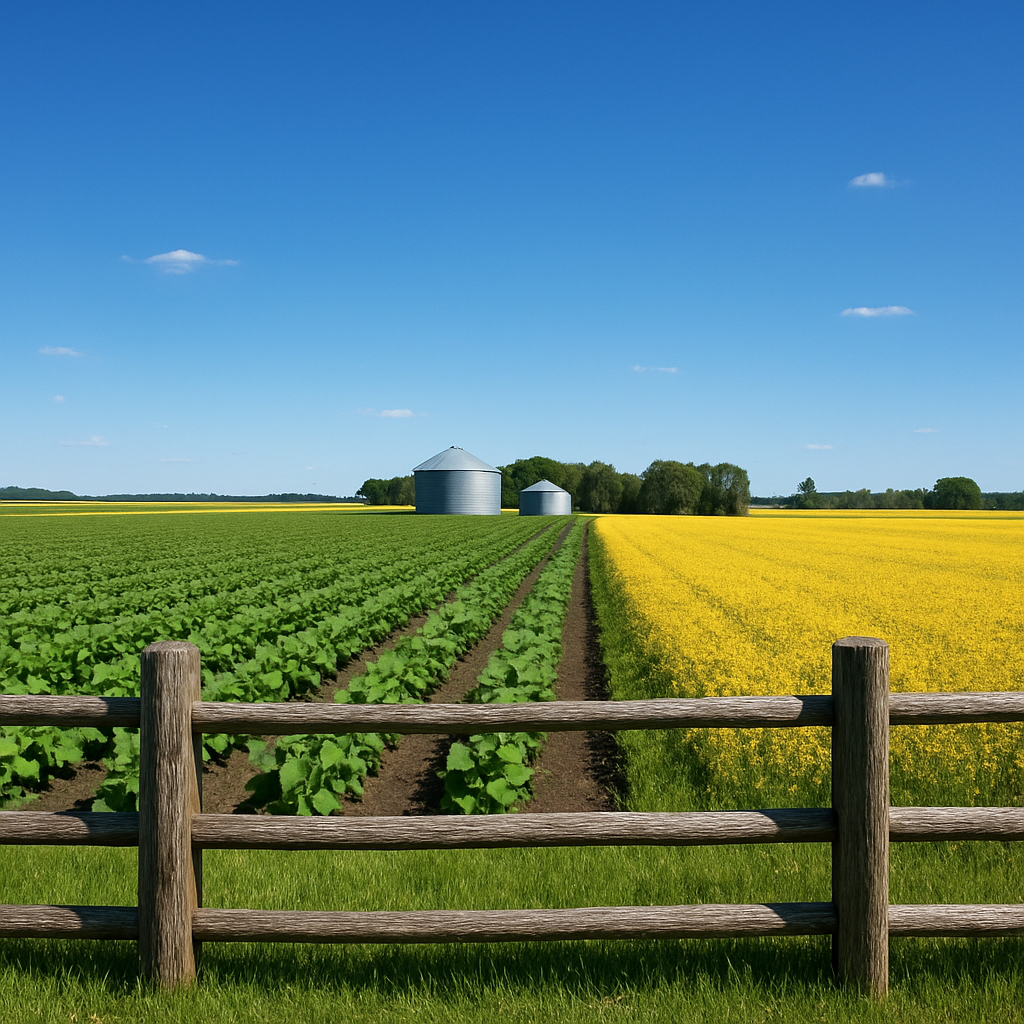
How to lease farmland in Alberta
Start with clear goals. Decide if you need short term access for a single crop, or longer secure tenure for rotations and improvements. For landowners, compile a file that describes soil type, recent crops, tile or drainage, and any improvements. For tenants, prepare a simple farm plan that shows intended crops or livestock, equipment needs, and stewardship actions. Both sides should document expectations in writing before any work starts.
When looking for listings, look across local agribusiness bulletin boards, county offices, and online marketplaces. You can also use platforms such as Land4Rent to present listings in a professional way. Ask to see proof of liability insurance and references where possible.
What are farm lease agreements In Canada
Binding farmland leases are essential agreements that allocate the use, income, and responsibilities for agricultural land. Typical provisions cover the length of the term, payment structures, and expectations for soil management, inputs, and property condition at the end of the term. A clear process for dispute resolution and a straightforward inspection checklist should always be included. By detailing permitted uses, tax obligations, and insurance responsibilities, these agreements reduce back and forth and ensure everyone understands their role.
Whether you choose a cash rent, crop share, or hybrid arrangement, keeping the language practical is key to a successful partnership. List specific tasks, timing, and clear remedies for missed obligations so that lease details are handled clearly. For crop share setups, it is important to establish formulas for machinery, labour, and harvest costs to properly align incentives. This structured approach supports reliable payments and maintains the long term quality of the property.
When assessing an offer, remember that competitive market pricing varies widely based on location, soil classification, drainage, and access to irrigation infrastructure. Southern irrigated land naturally commands higher rates than non irrigated prairie acres, while pasture values depend heavily on forage quality and water availability. Other key factors include distance to markets, existing improvements like fences or wells, and historical crop yields. Ultimately, participating in an organized marketplace helps you discover market driven value that reflects real demand for your specific farmland.
Typical lease terms and tenant responsibilities
Binding farmland leases must clearly define the responsibilities of both landowners and farmers to ensure a productive partnership. Common tenure lengths range from one year to multi year terms tied to crop rotations. Longer agreements give tenants the confidence to invest in the property, while shorter terms provide flexibility for landowners. A clear process should be established for daily operations, including the timing of tillage and harvest, soil conservation measures like no till farming, and routine weed and pest control. By outlining these practical outcomes and specifying who covers chemical costs or fence maintenance, the agreement reduces back and forth and sets clear expectations for returning the land in its agreed condition.
Beyond daily field operations, the agreement needs to address the structural details that support reliable payments and long term success. This includes outlining payment timing, default remedies, and the protocol for making capital improvements, specifically whether those improvements revert to the landowner at the end of the term. For livestock leases, the contract should explicitly define stocking rates, mineral provisions, handling facilities, and water access. Ensuring lease details are handled clearly protects the value of the asset and allows both parties to confidently participate in an organized marketplace.
Soil care and long-term stewardship
Soil health drives long term productivity. Both owners and tenants should agree on a stewardship plan that sets realistic practices for maintaining organic matter, minimizing erosion, and managing nutrients. Specific measures reduce risk and improve yields over time.
What is soil management responsibility
Soil management responsibility should be spelled out in the lease. It answers who is accountable for erosion control, fertilizer application, and restorative practices like cover crops. A clear clause prevents disputes when yield drops or an erosion event occurs.
Good stewardship clauses can list allowed and disallowed practices. For example, require reduced tillage in high risk fields, and set limits on summer fallow. Include monitoring, such as periodic soil tests and joint inspections at move in and move out.
Negotiating rates and managing disputes
Negotiate with data. Bring recent yield records, soil reports, and notes on historical rent in the local area. If you are an owner, show the value of any improvements. If you are a tenant, present a simple budget that shows expected returns and the rent you can sustainably pay.
Include provisions that handle unforeseen events. For example, a force majeure clause can address extreme drought or flood, but keep it narrow so it does not remove normal business risk. Many leases include a mid season review or a clause that allows rent adjustments if yields deviate dramatically from average.
When conflicts arise, focus on inspection records and the lease language. Try mediation before legal steps. Use neutral technical advisors for soil and yield disputes. Document everything: photos, dates, and communications.
Comparing leasing and buying
For many operators, leasing is a way to expand quickly with lower upfront cost. Buying builds land equity, but ties capital and adds long term taxes and maintenance. In narrative terms, a farm lease vs buy comparison looks at flexibility, costs, and stewardship incentives. Leasing can allow a tenant to test a region or rotation without long term debt. Buying provides control for long term conservation investments.
For owners, leasing keeps land in production while retaining long term ownership. Some owners use medium term leases that allow tenants to amortize improvements over several years. Others prefer annual agreements and maintain tighter control. Consider your goals for conservation, estate planning, and risk tolerance when choosing a path.
Where to find farmland to lease and practical tips
Finding the right agricultural opportunity involves searching locally through agricultural extension services, auction boards, and local co ops, as well as utilizing online platforms for a wider reach. An organized marketplace like Land4Rent provides a clear process to list farmland and standardizes information to attract driven farmers. While these tools offer ease and simplicity by making inquiries more orderly, it is always recommended to complete local due diligence, verify listings in person, and request a written lease template upfront to ensure all details are handled clearly.
To reduce back and forth and keep both parties aligned on land care and productivity goals, there are several practical steps to follow before signing binding farmland leases. Walk the ground together and take photos on the day the agreement is finalized, and establish a starting and ending inspection checklist with signatures from both landowners and farmers. Additionally, keep written records of seed, fertilizer, and pesticide purchases tied to specific fields, include a clause allowing the landowner to inspect the property with proper notice, and plan for drainage or tile maps if tiling exists or is proposed. These practical outcomes build a strong, transparent relationship for the duration of the term.
Can I rent agricultural land in Alberta
Yes, many people rent agricultural land across Alberta. Opportunities range from small market garden plots near towns, to large grain and oilseed operations in central and southern areas, to cattle and hay ground in northern regions. Your local rural municipality or co-op can often point to available farmland for lease listings or contacts. Expect variation in land type, fencing, water access, and existing infrastructure.
Before signing, confirm zoning or land use rules at the municipal level. Some parcels near urban areas may carry restrictions that affect intensive operations or new buildings.
Conclusion
Leasing farms or renting pasture and cropland can be practical for growth and flexible for changing markets. The healthiest arrangements combine clear lease language, shared stewardship expectations, and a simple plan for measuring outcomes. Whether you seek farms in Alberta near Calgary, Edmonton, or more remote prairie land, apply the same checklist: verify soils, define responsibilities, and document everything.
Start by drafting a short lease outline that includes rent, term, stewardship duties, and an inspection routine. Use local comparables when setting rates, and consider mixing a base cash rent with a modest crop share if you want to align incentives. Seek local technical advice on soil management and rotations to protect productivity over time. Head to Land4Rent to find or lease a farmland.
Frequently Asked Questions (FAQs)
What is the first step to lease a field in Alberta?
Begin by assessing your needs and the land characteristics, then meet the landowner and document a basic plan for use and stewardship.
How long should a farm lease be?
Terms vary, but common lengths are one year, three years, or longer multi year agreements for investments; choose what matches your goals for stability and improvements.
Who pays for routine fence repairs?
The lease should state this, but typically the party using the fence for livestock bears routine maintenance costs unless otherwise agreed.
Can I change cropping practices during a lease?
Only if the lease permits it; major changes that affect soil or long term productivity should be pre approved in writing.
How are crop shares usually split?
Crop share splits depend on who supplies seed, fertilizer, and machinery, with common splits ranging widely; detail the division in the lease.
What happens if a natural disaster reduces yield?
Agreements should clarify shared risk, often relying on crop insurance, a force majeure clause, or a pre agreed adjustment process.
Do tenants need insurance?
Yes, tenants typically carry liability insurance and sometimes coverage for equipment and operations, as specified in the lease.
How should soil tests be used in a lease?
Include baseline soil tests and agreed follow up intervals to guide fertilizer and lime responsibilities and to document changes over time.
Are verbal leases enforceable?
Verbal agreements can create expectations, but written leases reduce disputes and are far safer for both parties.
Where can I find local lease listings?
Look at municipal offices, co ops, local bulletin boards, and online marketplaces; verify listings in person and request documentation before signing.


.png)


.svg)


.svg)