%20(1).svg)

.svg)

Introduction
Deciding how to invest in farmland means weighing control, cash needs, long term stewardship, and local realities. This article compares buying and managing land directly with putting capital into farmland investment funds or related vehicles. My aim is to give landowners, farm operators, and investors practical guidance that fits real Canadian conditions. I will cover operations, leases, soil care, expected returns, and simple steps for due diligence. Tools like Land4Rent can make leasing and record keeping clearer, and I will reference them when they help explain a point.
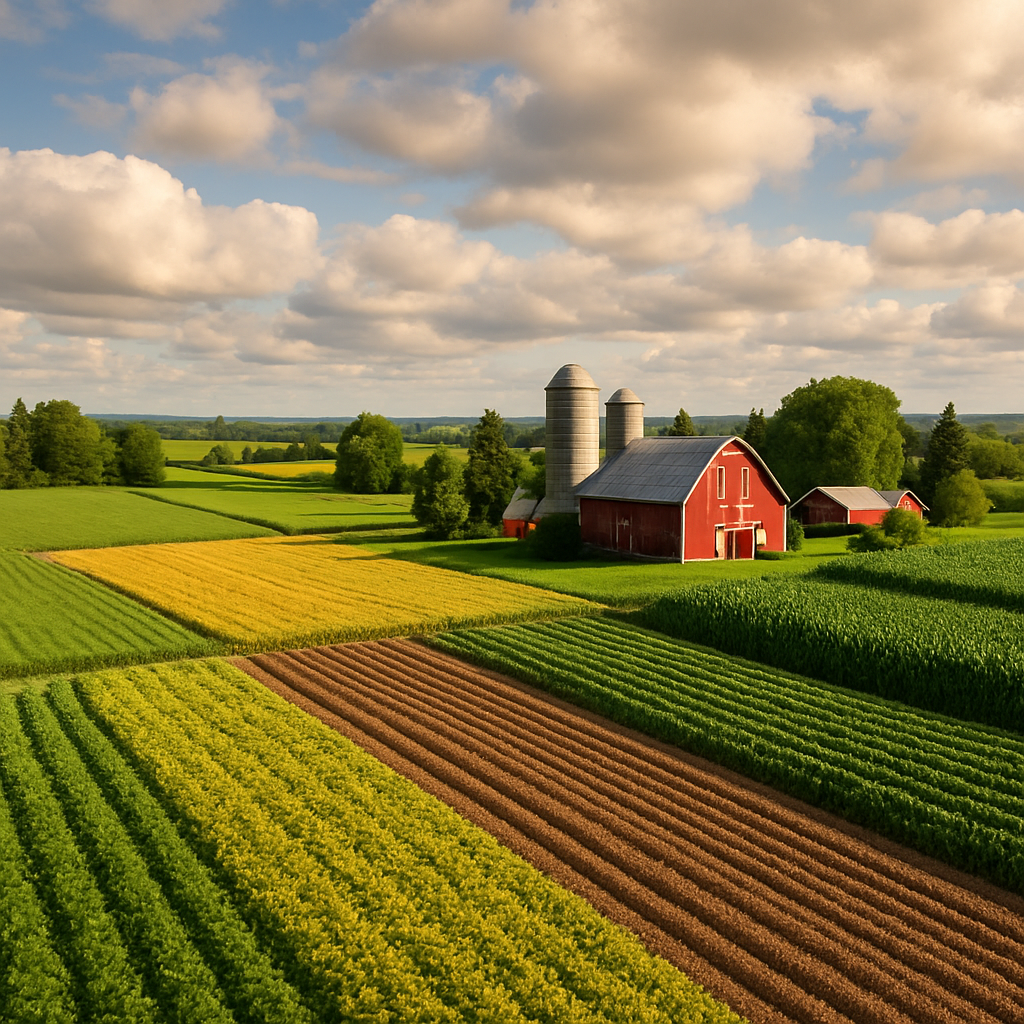
Direct ownership versus funds: what changes for owners and tenants
Owning a farm outright means you control the property, the production choices, and the long term stewardship. Putting money into a fund shifts those decisions to managers, and usually offers more liquidity. Each route changes who handles leases, who pays for improvements, and who bears environmental risk. Before you choose, think about active time, local knowledge, and the importance of soil care to preserve value.
Direct ownership often appeals to people who want a mix of investment and hands on land stewardship. Funds can be attractive when you want passive farmland investing or exposure at scale, without dealing with day to day land management.
Common differences include:
- Control over farm practices and tenant selection.
- Responsibility for capital expenses like tile drainage, fences, and buildings.
- Exposure to local market cycles versus diversified regional exposure.
- Time and expertise needed for stewardship and compliance.
- Liquidity and entry cost, lower in many farmland investment funds.
When you own directly you also accept long lead times to sell and the need to monitor soil and infrastructure. If you choose a fund, check how they measure soil health, tenant quality, and long term returns.
How to invest in farmland?
There are several practical paths to consider. You can buy a parcel and lease it, buy a working farm and operate it yourself, join a partnership, or use financial vehicles like REITs, private funds, or crowdfunding. Each path changes upfront cost, involvement, and returns. If you want control and you plan to manage land care, a direct farmland investment makes sense. If you prefer monthly statements and no field work, consider a farmland real estate investment or a specialized farmland fund investment.
What is farmland investment?
What is farmland investment usually means putting capital into agricultural land or businesses that earn income from crops, grazing, or related rents. That includes buying land, buying shares in firms that own land, investing in REITs that hold agricultural property, or using online platforms that pool small investors. The core idea is exposure to land value and agricultural income, not speculation on short term market moves.
Why invest in farmland and how to get started in Canada
People choose farmland because it can offer cash income through rents, potential capital appreciation from land scarcity, and inflation hedging. In Canada, strong regional demand and limited high quality arable land can support long term value. Investors who want both income and a land stewardship element often prefer direct ownership because it allows them to protect soil and implement regenerative practices that sustain returns.
Is farmland a good investment?
Short answer: it depends on your goals, horizon, and willingness to manage risk. Farmland tends to be less volatile than stocks, and it produces yields through leases or farming income. But it is illiquid and local factors like weather, zoning, and tenant quality matter. If you want steady, long term exposure and can handle the work or pick a strong manager, investing in agricultural land can fit a diversified portfolio.
How to invest in farmland Canada?
Start locally. Canadian options include private purchases of parcels in provinces such as Ontario, Saskatchewan, and Alberta, plus Canadian agricultural funds and REITs. Check provincial rules on foreign ownership and farmland use, speak with local farmers, and inspect soils. For smaller investors, pooled funds or crowdfunding platforms reduce entry costs, but read the fee structure closely. If you are not in the region, partner with a local operator or use a manager who reports on soil and yield metrics.
Risks, due diligence, and practical checks
Investing in farmland requires careful due diligence to support practical outcomes for landowners and farmers. Key factors such as title status, drainage history, tile maps, soil compaction, erosion patterns, manure application records, and encumbrances can affect market driven value. For those exploring investment funds, transparent reporting on tenant performance, binding leases, and capital expenditure plans helps ensure reliable payments and structured payment handling. A clear process that addresses these elements reduces back and forth and supports long term agricultural productivity.
Practical steps can limit surprises whether you are evaluating a single field or a stake in a fund. Start with a professional soil test and map to assess topsoil depth and compaction. Review existing leases to confirm who covers repairs, tile replacement, and long term improvements. Assess tenant quality by requesting yield records and references from past landlords. Examine water and drainage systems since poor drainage can reduce yields and raise maintenance costs. Confirm title and easements to ensure access and check for restrictive covenants. For funds, verify that local asset teams are retained rather than relying only on remote managers. These actions contribute to an organized marketplace and ease and simplicity throughout the evaluation.
Managing leases, soil responsibilities, and long-term stewardship
Leases determine who pays for what, who can change cropping systems, and who handles conservation. A good lease is clear about tile repair, fence maintenance, manure management, and who pays for capital items. When owners focus on long term value, they include clauses for soil conservation, cover crops, and rotation. That protects yields and property value.
If you own land directly, budget for periodic soil remediation and infrastructure. If you invest through a fund, review their stewardship policies. Tools like Land4Rent an formalize lease terms and track maintenance, making responsibilities clearer for both landlords and tenants.
Passive versus active: how returns and responsibilities differ
Passive investments such as funds, REITs, or public farmland stocks let you avoid field work and tenant relations. They may offer diversification across provinces and commodity types. Active ownership demands local knowledge, time, and a plan for soil health. Which is better depends on your cash, risk tolerance, and interest in stewardship.
When comparing farmland investment options, landowners and farmers should consider several practical factors to support clear decision making. Direct purchases of farmland typically require more initial capital than many funds, while funds and publicly traded options offer greater liquidity for those who may need to exit an investment. Control over farming practices and tenant choice is often higher with direct ownership, allowing for more hands on stewardship aligned with personal values. Operational costs and unexpected repair bills can vary significantly, so reviewing binding leases and structured payment handling helps manage expectations. Finally, the long term impact on farmland through stewardship choices affects both environmental outcomes and market driven value, making it essential to evaluate how each option supports practical outcomes and responsible land care.
Comparing farmland with other asset classes
Many investors ask if farmland is better than stocks or bonds. Farmland often offers lower short term volatility and ongoing rental income, which can complement an equity portfolio. It does not replace stocks for growth or bonds for predictable income, but it can reduce portfolio volatility and add real asset exposure. If you are considering farmland portfolio diversification, use farmland to balance equity risk and inflation sensitivity.
Conclusion
Choosing between direct land ownership and a fund depends on control, capital, and long term land care priorities. Direct ownership gives you control over sustainable farmland investing and lease terms, while funds ease entry and reduce hands on work. Either way, focus on soil health, clear leases, and sensible due diligence. Start with a local inspection, a written plan for stewardship, and realistic budgeting for repairs and taxes. If leasing is part of your plan, record terms and maintenance responsibilities to prevent disputes. Using professional tools and clear agreements helps protect value for decades.
If you want to explore options, speak with local farmers, a land agent, or a fund manager who reports on soil and tenant quality. Small investors can look at pooled funds or crowdfunding for lower entry points, but read fees and reporting carefully. In all cases, prioritize soils, leases, and transparent management over short term yield promises.
Whether you're a landowner or a farmer, Land4Rent connects you with reliable partners and practical tools to prioritize soil health, transparent agreements, and long-term stewardship. Start your journey with Land4Rent
Frequently Asked Questions (FAQs)
How to get started with a small budget?
You can start with pooled funds, crowdfunding, or small partnerships that lower the minimum buy in. Look for clear fees and local asset management before investing.
What are typical returns from farmland investment?
Returns vary by region, crop, and management. Expect a mix of rental income and capital appreciation, not guaranteed yields, and check recent fund reports for current figures.
Can I invest in farmland with little money?
Yes, options include crowdfunding platforms, REITs, and funds that accept smaller minimums, though fees and illiquidity still matter.
Are farmland investment funds safe?
They vary in quality. Check management experience, local teams, fee structure, and transparency on tenant and soil performance.
How does a lease protect soil health?
Good leases include clauses on rotations, cover crops, and who pays for tile or erosion control, aligning tenant incentives with stewardship.
Is farmland better than stocks for long term investors?
They serve different roles: farmland can lower volatility and offer real asset exposure, while stocks typically drive growth in a portfolio.
What are common hidden costs in direct farmland ownership?
Tile repair, fence replacement, drainage improvement, legal fees for leases, and property taxes are common unexpected expenses.
How do I evaluate a farmland fund?
Ask for track record, asset-level reporting, fee breakdowns, and how they measure stewardship and tenant quality.
Can foreigners invest in Canadian farmland?
Rules vary by province and change over time; check local regulations and consult local advisors before buying.
Why document lease terms and maintenance plans?
Clear documentation reduces disputes, ensures fair cost sharing, and protects soil and infrastructure value over the long term.

.png)


.svg)


.svg)