%20(1).svg)

.svg)

Introduction
Canada offers vast and diverse agricultural landscapes, making it an ideal setting for those looking to cultivate their own piece of land. If you are exploring a farm for rent to try small scale farming, this comprehensive guide will help you make practical and informed choices. Renting property provides an excellent, low risk way to test your agricultural ideas and business models without the immediate financial burden of purchasing real estate.
This approach is highly adaptable to a variety of goals. It can beautifully suit passionate gardeners eager to expand their seasonal yields, dedicated hobby farmers looking for more space to raise animals, and individuals transitioning from the city in search of a rural, self sufficient lifestyle. By leasing, you gain hands on experience with the land while building your skills and confidence.
To set you up for success, this article explains the most common rental options available across the provinces and highlights where to find reliable local listings. We will also break down crucial contract points to ensure fair agreements, outline essential soil care practices for sustainable growing, and explore the everyday realities and challenges of farm life.
Ultimately, this guide is aimed at both property landowners and prospective renters who want clear, usable advice to foster a productive and successful land sharing partnership.
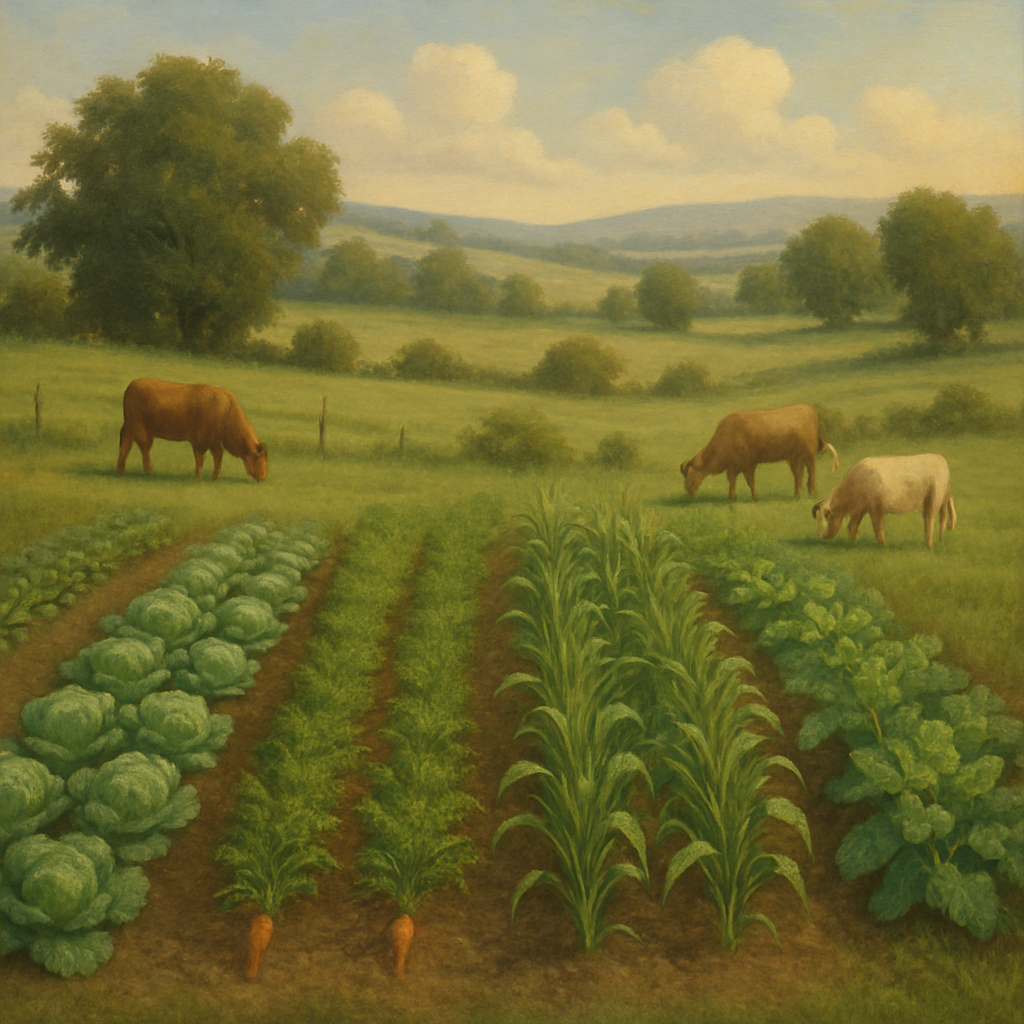
What hobby farm for rent options look like in Canada
Hobby farms for rent vary widely across the agricultural landscape. When searching for the right property, you will quickly find that there is no single standard. The options range from fully equipped small acreages to bare plots of land, each offering distinct advantages and challenges depending on your specific farming goals.
Common Types of Rental Parcels
Small acreages with infrastructure often include a barn, tool sheds, or pre existing greenhouses. These setups are ideal for renters looking for a ready to use space to start raising animals or growing crops immediately. On the other hand, tillable plots are sections of arable land located inside much larger commercial farming operations, making them perfect for vegetable growers or those wanting to plant specific cash crops without managing an entire property.
For livestock enthusiasts, pasture blocks offer dedicated grazing areas specifically fenced and maintained for a small number of animals like sheep, goats, alpacas, or horses. In some cases, you might find mixed family farm sections where an established farming family rents out an unused corner of their property. This arrangement can be highly beneficial, providing an informal opportunity to learn from the experienced landowners next door. Finally, stand alone parcels are completely independent pieces of land marketed specifically as a hobby farm for rent, offering total privacy and autonomy to the tenant.
Key Variables to Evaluate
Every property presents a different operational reality. When touring potential rentals, expect significant differences in the core elements that will ultimately dictate your daily workflow.
Infrastructure quality is a major factor. You must evaluate the structural safety of existing outbuildings, the reliability of access roads during muddy seasons, and the availability of heavy duty electrical hookups. Fencing conditions are equally important. You will need to check if the perimeter fencing is secure enough to keep your animals in and predators out, and look for existing cross fencing if you plan on rotational grazing.
Reliable, year round water access is critical for any farm. It is vital to identify if the property relies on a private well, a natural pond, expensive municipal water, or shared irrigation canals. Finally, assess the soil health. The land could feature rich, fertile topsoil ready for planting, or heavily compacted, depleted dirt that will require years of expensive organic amendment to become productive.
How Location Shapes the Farm
The geographical location of the property drastically changes the big picture. Where the land is situated often dictates what type of agriculture is most practical, sustainable, and potentially profitable.
Properties near cities often focus on market gardens, cut flowers, and high value niche crops. These tend to be smaller plots with higher rent per acre, but they offer direct access to urban consumers and farmers markets. Conversely, rural parcels are usually better suited for livestock grazing, hay and forage production, or large orchards. These locations typically offer larger land areas at a lower rent per acre, though they come with fewer neighbors and a longer drive to retail outlets.
Typical Lease Structures and terms
Leases can range from highly informal verbal agreements and seasonal permits to highly detailed, formal written contracts. While a handshake might seem sufficient between neighbors, formalizing the relationship is always the safest route. Common formats include annual cash rent, crop share arrangements, and multi year leases.
Short term options work exceptionally well for trial periods, allowing new farmers to test their business models or soil compatibility without a massive commitment. Conversely, long term leases are crucial to help protect significant tenant investments, such as perennial fruit plantings, irrigation system installations, or the construction of animal shelters and storage buildings.
Farm Lease Durations
The duration of farm leases can vary widely depending on the goals of both parties, ranging from single season permits up to 10 years or more. Hobby renters and beginner farmers often start with one to three year terms to test the viability of their projects and their commitment to the lifestyle. Landowners who want continuity, reduced turnover, and sustained land stewardship often prefer longer terms. When negotiating duration, it is also wise to discuss renewal options and notice periods well before the lease expires.
Steps to Leasing Farm Land
The process should always start with a robust written agreement that clearly lists the responsibilities of both parties, the agreed upon rent, and the exact duration of the lease. You must include clear rules regarding agricultural inputs, the erection of temporary or permanent structures, and termination conditions. It is highly recommended to use local agricultural examples as baseline templates and carefully adjust them to fit your specific geographical and operational situation.
What to Include in Farm Lease Agreements
A clear agreement helps reduce hassle for both landowners and farmers by clarifying expectations regarding property repairs, farming inputs, and general farmland care. When lease details are handled clearly, both parties understand their roles, which supports environmental stewardship and improves overall agricultural productivity.
For binding leases to be effective, several essential items should be included. Property boundaries and access require clearly defined maps showing the leased acreage, shared roads, and access points. Financial terms should outline specific rent amounts, payment schedules, and structured payment handling. The agreement should also list permitted activities, detailing what can be grown or raised alongside any restricted farming practices. Maintenance duties need specific delegations regarding fences, outbuildings, driveways, and water systems. Finally, termination clauses should state clear conditions under which the lease can be ended and the required notice periods.
It is also important to define how property improvements are handled. Questions such as whether temporary buildings must be removed later or who covers unexpected structural repairs need clear answers. Addressing these points supports a clear process and helps prevent costly disputes.
If you are unsure about specific legal or agricultural clauses, seeking practical help from local agricultural extension advisors or a rural real estate lawyer is recommended. This ensures practical outcomes and contributes to an organized marketplace.
Managing farm operations and finances
Operating a hobby farm usually means working within incredibly tight financial margins, especially in the early years. Keeping your budgets straightforward and easy to understand is the best way to maintain control over your finances. Complicated accounting systems can quickly become overwhelming, so it is better to rely on clear, consistent ledgers that track your daily and monthly cash flow without unnecessary complexity.
To truly understand your financial position, you must be rigorous about tracking every single expense. This means carefully logging the cost of all physical inputs, from soil amendments and cover crop seeds to animal feed and veterinary supplies. You must also account for equipment costs, whether that involves renting a tractor for a weekend or buying fuel and replacement parts for your own machinery. Importantly, you should track your own labor hours. Assigning a realistic hourly wage to your physical work helps you accurately measure whether the farm is actually generating a profit or simply absorbing your unpaid time.
Beyond finances, newcomers consistently underestimate the sheer volume of time required to run a farming operation. Agriculture does not adhere to a standard workweek. Crops need immediate attention when pests arrive or the weather turns dry, and livestock demand daily care regardless of holidays or personal obligations. To prevent physical burnout, you must build highly realistic schedules that include significant buffer time for the unexpected challenges that will inevitably arise, such as repairing a broken fence or dealing with a sudden frost.
Because the learning curve is so steep, renting a smaller portion of land within a larger property is an incredibly smart strategy. This scaled down approach minimizes your initial financial exposure and allows you to learn the realities of the local climate and soil without feeling overwhelmed. It also gives you the breathing room to study local market demands, slowly build a loyal customer base, and perfect your growing or grazing techniques before you decide to expand your acreage.
Is farm land rental profitable?
Profitability depends on land quality, market access, and chosen enterprise. Small, high-value crops near cities can be profitable on small acreage. Livestock on rented pasture needs careful cost control. Treat the first season as a learning phase.
Consider shared resources or community partnerships. Shared equipment and marketing cooperatives can reduce overhead. Some platforms and local groups offer aggregated listings and advice. Using a service like Land4Rent can help formalize listings and show clear property details, but always verify in person.
Choosing Between Farm Lease Versus Buy and Rental Lengths
The decision to purchase real estate is a massive, long term financial commitment that locks you into a specific location and soil type. Renting, on the other hand, allows you to test different geographic locations and various agricultural enterprises without the crushing burden of a massive mortgage or steep down payment. For most aspiring hobby farmers, renting almost always makes the most practical sense at the beginning of their journey. Over time, as your business model proves successful and your personal finances stabilize, you may eventually choose to buy your own property, depending entirely on your evolving goals.
Why Lease Farmland Instead of Buying
Leasing dramatically lowers your upfront capital costs and offers unparalleled operational flexibility. It keeps your mental energy and financial resources focused strictly on building your farming skills, refining your soil, and establishing reliable consumer markets. Buying land generally only makes sense once you have a solidly proven business plan, steady revenue streams, and a genuine need for permanent, long term control over your land management choices.
When comparing your options, you should carefully weigh several critical points including your current access to capital, the specific crops you intend to grow, your proximity to viable markets, and your desire to permanently alter the landscape. If your business plan heavily relies on making significant investments like planting perennial crops, installing permanent irrigation, or erecting substantial buildings, you must negotiate lease terms that legally protect your investment. This usually involves securing multi year leases that include explicit property improvement and buyout clauses.
Practical Steps to Rent Farmland in Canada
Securing the right agricultural property requires following a deliberate, stepwise approach. You should always start with thorough local research, followed by comprehensive site visits to inspect the soil and infrastructure, and finally culminating in a simple but legally binding written agreement. Throughout this process, it is vital to keep meticulous records of all soil tests, written communications with the landowner, and any physical improvements you make to the property. Above all, you must respect local municipal rules, zoning bylaws, and your immediate neighbors. Building genuine trust with the landowner over time is the most reliable way to unlock longer term rental possibilities or even future purchase options.
How to Find Farms for Rent
Discovering available land often requires tapping into several different resources. You should actively use your local agricultural networks, consult regional agricultural extension services, and browse dedicated online farming platforms. Make it a habit to attend local farmers markets, agricultural fairs, and community town halls to meet established owners and current tenants face to face. In many rural Canadian communities, simple word of mouth remains the absolute best and most reliable source for finding unadvertised land opportunities.
How to Negotiate Farm Rental Agreements
When you finally sit down to discuss terms, you must be fully prepared with a clear, concise plan that explains your specific farming goals, your realistic rent offer, and your detailed approach to property maintenance. You should readily offer character or professional references, and be willing to provide a small security deposit if the landowner asks for one. To help build their confidence in your abilities, suggest a short trial season or propose annual performance reviews, which shows you are committed to being a responsible and transparent steward of their land.
Conclusion
Hobby farming on rented land is achievable with planning, clear communication, and sensible agreements. Choose the right type of property for your goals, document expectations, and prioritize soil health. Short term rentals let you learn. Longer leases reward investment. Use trusted listing channels and local advice to reduce risk.
When you list or search, choose transparency. Verified listings and clear contracts create better outcomes for both landowners and renters. Services like Land4Rent can help present details cleanly. With care, renting a hobby farm in Canada can be a rewarding step toward a sustainable rural enterprise.
Frequently Asked Questions (FAQs)
How to rent farmland?
Find listings through local networks or online platforms, inspect the land, and sign a written agreement that lists terms and responsibilities.
What is farmland leasing?
Farmland leasing is an arrangement where the owner allows another party to use land for agriculture under agreed terms and payments.
How to lease farm land?
Negotiate a written contract covering rent, term, allowed uses, and soil care, then sign and keep copies for both parties.
Why rent a farm?
Renting lowers startup costs, reduces long term risk, and allows you to test enterprises before buying land.
Can I rent farmland?
Yes, many owners rent land, but availability depends on location, zoning, and local demand.
Is farm land rental profitable?
Profit depends on enterprise choice, land quality, market access, and careful cost control.
How much to rent farmland?
Rates vary widely by region, soil quality, and infrastructure; compare local listings and ask neighbors for benchmarks.
What to include in farm lease?
Include term, rent, allowed uses, maintenance duties, soil practices, access, and improvement handling.
How to negotiate farm rental?
Present a clear plan, offer fair terms, and propose trial periods or performance reviews to build trust.
How long are farm leases?
They can be seasonal, one to three years for hobby renters, or longer when protecting investments like orchards.


.png)


.svg)


.svg)