%20(1).svg)

.svg)

Introduction
When a tenant begins farming rented acres, clear expectations around soil management set the foundation for both productivity and long term land stewardship. Early clarity protects crop performance, reduces misunderstandings, and preserves farmland value for future seasons.
Soil management on leased land is not only about applying fertilizer or planting cover crops. It is about agreeing in advance on measurable practices, defining responsibilities in writing, and documenting results over time. In this guide, we outline the practical duties tenants often accept, explain how soil oversight can be structured, and show how lease agreements can balance short term production with long term soil care.
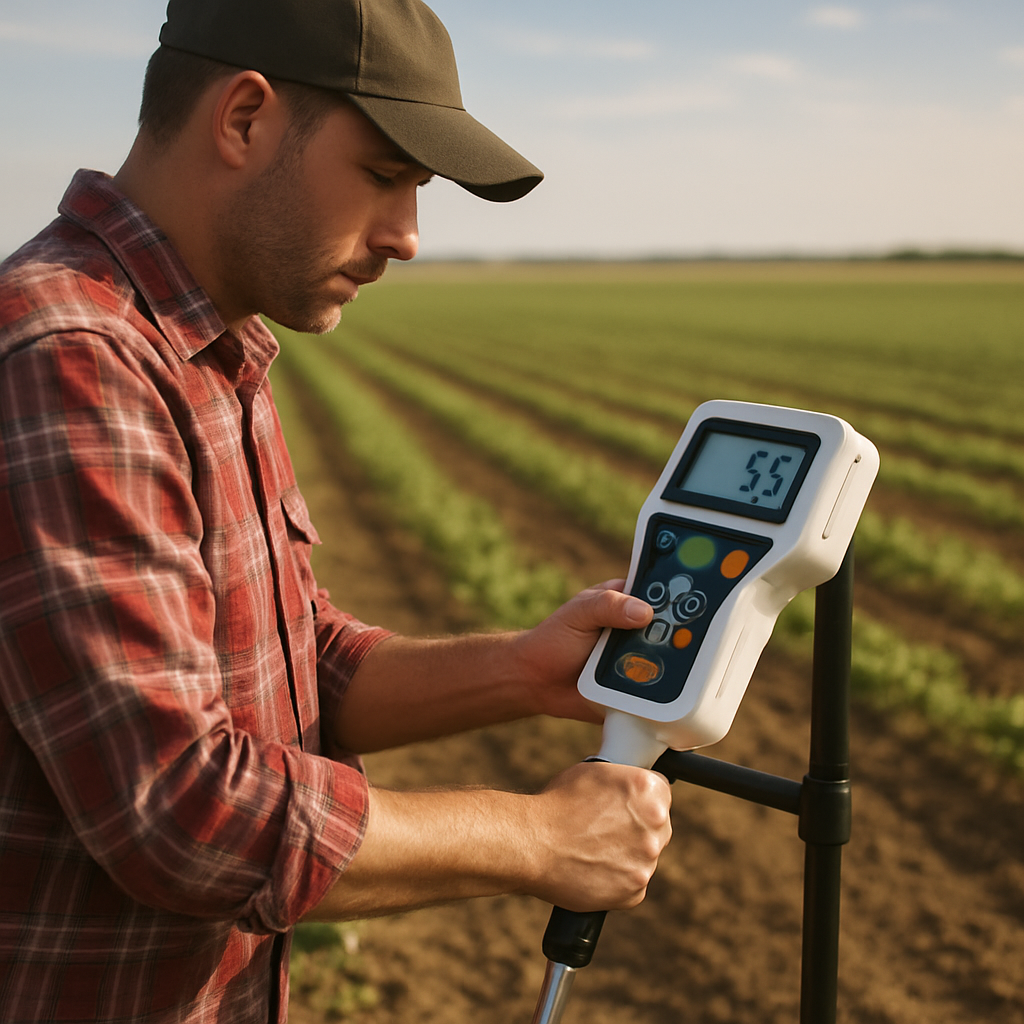
Common Soil Management Responsibilities for Tenants
Tenants and landowners frequently ask what counts as standard soil management duties in a farmland lease. While expectations vary, most agreements include several core responsibilities.
Regular soil testing is often the starting point. Tenants may agree to conduct testing at consistent depths and intervals, using a recognized lab, and to share results with the landowner. Testing provides objective data on nutrient levels, organic matter, and pH, allowing informed decisions rather than guesswork.
Nutrient application according to a written plan is another common responsibility. Instead of applying fertilizers reactively, tenants follow a documented approach that matches nutrient supply to crop demand. This protects both yield and soil balance over time.
Erosion control measures are also typically included. These may involve maintaining surface cover, limiting disturbance on slopes, installing buffer areas, or adjusting tillage practices. The goal is to prevent irreversible soil loss and maintain productive topsoil.
Crop rotation and cover cropping often form part of soil stewardship expectations. Rotations help manage pests and nutrient demands, while cover crops protect the soil surface and contribute organic matter between cash crops.
Tenants are also expected to report visible soil problems such as compaction, drainage issues, contamination, or erosion damage. Prompt communication allows corrective action before minor issues become long term damage.
Each responsibility should connect to measurable outcomes and clear reporting. Ambiguity in soil duties often leads to disputes, while documentation builds confidence between parties.
Structuring Soil Responsibilities in a Lease
Clear lease language transforms general expectations into enforceable agreements. A well written soil management clause defines testing frequency, acceptable practices, reporting timelines, and cost allocation.
For example, a lease may require soil testing every two or three years at a consistent depth and sampling protocol. It may specify that results must be shared within a defined period after sampling. Nutrient amendments such as lime or major fertilizer adjustments may have cost sharing provisions depending on whether benefits extend beyond the current lease term.
Some leases include agreed targets, such as maintaining soil organic matter levels or preventing measurable erosion. While precise numerical targets should be realistic, referencing documented baselines at the start of the lease protects both tenant and landowner.
Tenants who accept soil oversight responsibilities often act in coordination with the landowner. This collaboration may involve reviewing test results together, discussing improvement plans, and documenting any major changes in management.
Clarity in these areas reduces conflict and supports long term productivity.
Tools and Techniques That Support Soil Stewardship
Modern farming tools can help tenants meet soil obligations more precisely. However, technology should support stewardship rather than replace sound agronomy.
Zone or grid soil sampling allows nutrient management to reflect within field variation rather than applying uniform rates across diverse conditions. Variable rate application equipment can then align fertilizer use more closely with soil test data.
Record keeping software simplifies documentation. Storing soil reports, rotation history, and amendment records in one accessible location improves transparency and simplifies lease compliance.
Cover crop equipment, GPS guided applicators, and moisture sensors can also support soil care goals. Wider tires or controlled traffic patterns reduce compaction risk, especially during wet seasons.
When negotiating leases, the question of who pays for these tools should be addressed directly. Routine operational tools are often the tenant’s responsibility, while capital investments that protect long term land value may involve shared costs or longer lease terms to justify adoption.
Monitoring and Documentation
Effective soil management on rented land depends on consistent monitoring and documentation. Without records, it becomes difficult to demonstrate improvement or identify problems early.
A structured approach includes setting regular sampling dates, maintaining a shared digital folder for soil reports, and documenting major field activities. Annual review meetings between tenant and landowner can reinforce transparency and allow adjustments to management plans.
Photographic records of erosion control measures or compaction zones may also support discussions. The goal is not to create unnecessary paperwork, but to ensure that stewardship goals are measurable and verifiable.
When monitoring becomes routine, lease enforcement feels constructive rather than adversarial.
Balancing Production and Long Term Soil Care
Tenants must often balance immediate production goals with long term stewardship. Certain practices, such as reduced tillage or organic transition strategies, may require adjustment periods. These changes can influence short term yield patterns while building resilience over time.
No single soil management approach fits every farm. Conventional tillage, reduced tillage, and organic rotations each carry benefits and trade offs. What matters most is that the chosen system is deliberate, documented, and aligned with lease expectations.
Trial periods written into leases can help manage uncertainty. For example, a tenant and landowner may agree to test a cover crop program for several seasons and review results before expanding adoption.
Clear communication reduces tension between short term economics and long term land value.
The Role of a Soil Manager or Third Party Reviewer
In some leasing arrangements, a third party agronomist or soil advisor reviews progress annually. This person may evaluate soil test results, recommend adjustments, and provide impartial feedback.
An external reviewer adds credibility to monitoring and can help resolve technical disagreements. This approach is particularly useful when significant improvements or capital investments are involved.
Whether or not a formal soil manager is appointed, the key principle remains documentation and shared understanding.
Platforms such as Land4Rent can support this process by centralizing lease terms, soil responsibilities, and related documentation in one organized location. This does not replace local agronomic expertise, but it helps ensure that agreements remain accessible and transparent.
Conclusion
Clear agreements around soil management duties protect both tenants and landowners. When responsibilities are measurable, documented, and realistic, farmland productivity improves and conflict decreases.
Tenants who accept stewardship duties should have access to testing, tools, and clear reporting processes. Landowners who expect soil protection should be prepared to define expectations and, in some cases, share long term investment costs.
The strongest farmland leases emphasize shared goals, clear measurements, and defined steps if targets are not met. Starting conversations early and documenting decisions creates a stable path toward long term soil health and reliable production.
List or explore available farmland on Land4Rent, where lease responsibilities are clearly documented from the start.
Frequently Asked Questions (FAQs)
How can soil management be improved on rented land?
Begin with baseline soil testing and agree on a written nutrient and conservation plan. Set measurable goals in the lease and review progress annually. Documentation ensures transparency.
Can tenants be responsible for soil management?
Yes. Tenants can accept soil management responsibilities, but the lease should clearly specify tasks, reporting requirements, and cost allocation to prevent misunderstandings.
What does soil management mean in a lease?
It refers to agreed practices for maintaining or improving soil condition, including testing, nutrient application, erosion control, and rotation planning, all documented in writing.
Why is soil management important for farmland productivity?
Healthy soil supports root development, water retention, and nutrient cycling. Poor soil care reduces yields and increases long term remediation costs.
Should a soil manager be involved in a lease?
Not always, but involving an agronomist or third party reviewer can improve accountability and resolve technical disagreements.
Can soil management clauses be included in farm contracts?
Yes. Many leases include specific soil stewardship provisions to define testing frequency, amendment practices, erosion control measures, and reporting obligations.
How should soil management plans be created for a lease?
Start with baseline testing, define realistic improvement or maintenance targets, assign responsibilities clearly, and include review timelines in the lease agreement.
What are common soil management mistakes on rented land?
Common mistakes include skipping routine testing, ignoring compaction, over applying nutrients, failing to maintain surface cover, and not documenting field practices.



.svg)


.svg)