%20(1).svg)

.svg)

Introduction
This guide helps landowners and operators understand Alberta farm grants and the practical responsibilities that come with leasing farmland. Grants can help fund machinery, soil work, and value added projects, and leases set the rules for who pays and who cares for the land. I will cover typical programs, how to apply, what to include in leases, and how to protect soil and long term productivity. I will also mention how tools like Land4Rent can help manage leases and documentation more clearly and professionally.
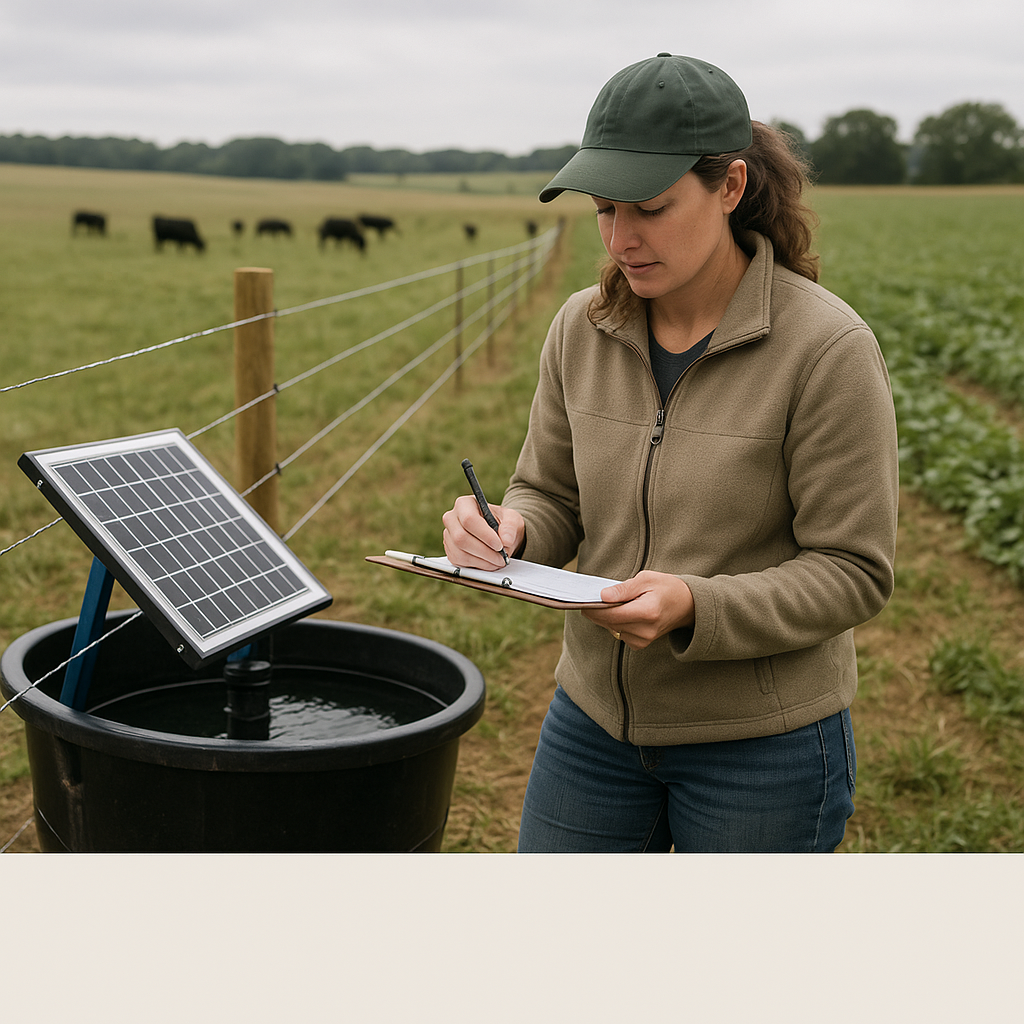
Understanding how Alberta grants fit farm leases
Public and private grant programs in Alberta often focus on specific outcomes, such as improving soil, supporting on farm technology, or adding value to products. Examples include the Alberta farm technology program, provincial components of the sustainable Canadian agricultural partnership grants, and targeted supports for soil health funding Alberta. Grants rarely change who owns the land. They usually fund practices or equipment that will be used on the rented acreage. That makes lease language essential, because a tenant may operate the farm but a landlord often owns the ground and sometimes contributes to capital or improvements.
When both parties expect to use grant funds, clarify three points: who applies, who owns funded assets, and who maintains funded practices after the grant ends. Without clarity, a funded soil building practice could end when a new tenant arrives, reducing the long term benefit for the landowner and the initial grant’s value.
Key grant programs to know in Alberta
Many programs overlap, and program names change. Below is a condensed list of common types of funding you will see in Alberta. These will be useful when planning lease terms and on farm investments.
- Alberta farm technology program supports technology adoption that increases efficiency.
- On-farm value-added grant Alberta helps processors and farmers add value to raw products.
- Environmental farm plan Alberta related funds support projects identified through EFP assessments.
- Soil health funding Alberta targets cover crops, reduced tillage, and organic matter improvements.
- Controlled environment agriculture grants focus on greenhouse and indoor production improvements.
- Rotational grazing grants fund fencing, water, and infrastructure to support grazing systems.
These categories match many local and federal programs. For example, the sustainable Canadian agricultural partnership includes provincial streams for environmental practices. Private conservation groups also run programs, such as Ducks Unlimited farm grants, that pay for wetland restoration or habitat-friendly practices. If you plan to use or steward grant-funded improvements, note the program rules about ownership, reporting, and inspections, and build those into the lease.
How to apply for Alberta farm grants?
Applying starts with matching a project to a program. Read the program guidelines closely, especially eligibility and required documentation. Typical steps include an initial project proposal, a budget, and evidence of matching funds if required. Many programs ask for a farm plan, so consider completing an environmental farm plan Alberta assessment first. Keep timelines in mind, because grant approvals often take months and the window for eligible expenses can be narrow.
Who qualifies for farm technology program Alberta?
Producers who demonstrate a defined technology adoption plan and meet program eligibility on farm scale and operations typically qualify. Specific criteria vary by round and intake.
How to apply for RALP program Alberta?
Follow the published RALP intake guidance, prepare required maps and budgets, and get landlord consent if the project affects rented land. Each intake will list supporting documents needed.
Farmland leasing basics every grant applicant should know
Leases allocate risk and responsibility. When grant money could be used on a rented field, both landlord and tenant need clear language on applications, approvals, and post-project obligations. Key questions include: who signs the grant application, who owns the new infrastructure, and who pays for maintenance or removal, if required. A short, informal lease can leave these matters ambiguous and cause conflict when grant administrators request proof of long term stewardship.
You should also be aware of program rules that affect eligibility. Some grants require the applicant to be a primary producer or a registered operation. That matters if the landlord is not actively farming. Adding a clause that allows tenants to apply on behalf of the operation while granting the landlord oversight is a practical solution in many cases.
Lease terms that protect soil and steward grant-funded improvements
Good lease clauses protect both soil and funded investments. Be explicit about who implements best management practices, who pays for and maintains capital items, and what happens when the lease ends. Include timelines for leaving the land in a specified condition, and outline dispute resolution steps. These measures prevent grant-funded gains from being undone when tenancy changes.
- Grant application consent, listing who applies and signs.
- Ownership and title of grant-funded equipment or infrastructure.
- Maintenance responsibilities and schedules for improvements.
- Restoration obligations at lease end for conservation practices.
- Reporting and access rights for grant audits and inspections.
- Compensation or cost-sharing for long term practices, when needed.
These clauses help align incentives. For example, if a tenant installs a long term water system funded by a grant, the lease should state whether that system stays with the land and how its value is accounted for if the tenant departs.
Shared responsibilities and on-farm best management practices
Many grants require adoption of specific best management practices. Common funded practices include cover cropping funding Alberta, nitrogen management grants, and infrastructure for manure or waste reduction such as agricultural waste reduction grants. When these are installed on rented land, the lease should set out who carries out the practice, who documents and reports it, and who receives payments if the grant is tied to ongoing performance.
Consider adding an implementation schedule that links control points to payments or rent adjustments. That reduces confusion and gives both parties predictability. It is also useful to include a clause that requires the tenant to follow an environmental farm plan Alberta or other accepted practice plan when applying for work that affects soils or waterways.
Managing grant funds and lease finances together
Grants often require matching funds or reported in-kind contributions, such as labor or equipment use. When a tenant provides machinery or labor as a match, the lease should describe how those services are valued. If the landlord pays upfront for a project and expects rent credits or a higher rent later, document the arrangement. Transparency avoids disputes when grant auditors ask for proof of eligible expenditures.
Record keeping is essential. Keep invoices, time logs, and photographs. If a project spans multiple tenancy periods, a signed document that transfers responsibilities and obligations is better than verbal agreements. Platforms that centralize documents, such as Land4Rent, can help manage records, signatures, and renewal terms without adding unnecessary friction.
Comparing grant approaches and planning long term
When choosing between grant programs, match the program focus to the farming plan and the lease horizon. For example, the on-farm value-added grant Alberta is useful for processors and farm businesses building facilities that need secure tenure or capital amortization plans. Programs emphasizing soil health or rotational grazing tend to be more effective if you have multi-year tenancy or a long term lease, because benefits accrue over time.
Consider these practical comparisons. If you have a short lease, seek grants that fund movable equipment or practices with rapid return. If you control or own the land long term, prioritize biological investments like cover crops or rotational grazing that build soil carbon and productivity. If both parties share a long term vision, cost-shared capital projects can be structured with agreed amortization and transfer terms.
Conclusion
Alberta farm grants can be a valuable tool for improving productivity and resilience. They also increase the need for clear lease terms that protect soil and funded investments. Start planning early, match projects to program goals, and write lease clauses that assign roles for applications, ownership, maintenance, and reporting. Use documented plans to protect both landlord and tenant interests. Managing these matters well reduces risk and increases the chance that grant-funded improvements deliver lasting benefits to the land and the business.
For many landlords and tenants, a well organized lease and record system matters as much as the grant itself. Consider formalizing agreements, keeping good records, and using practical tools to manage documents and payments, while staying focused on soil health and stewardship goals. Don't let unclear terms undermine your grant success. Visit Land4Rent to access practical tools for documenting plans, tracking payments, and protecting both landlord and tenant interests.
Frequently Asked Questions (FAQs)
How to apply for Alberta farm grants?
Match your project to a program, prepare a budget and required documents, and submit before the intake deadline; many programs require an environmental plan or proof of producer status.
What are Alberta farm grants eligibility?
Eligibility varies, but common requirements include being a registered producer or business, meeting minimum acreage or production criteria, and following program rules for matching funds and reporting.
Who qualifies for farm technology program Alberta?
Producers or farm businesses with a defined technology adoption plan and meeting the program's size and operational criteria typically qualify.
How much funding from on-farm value-added program?
Grant amounts vary by intake and project, and often require matching funds; check the latest program guidelines for maximums and eligible costs.
What is environmental farm plan for grants?
An environmental farm plan is an assessment that identifies risks and opportunities on a farm and is often required or recommended for environmental grant streams.
Can landlords apply for farm grants Alberta?
Yes, landlords can apply if they meet program eligibility, but many programs require the applicant to be the primary operator, so consent and lease language are important.
How to get SCAP grants in Alberta?
Identify eligible SCAP streams, prepare required documentation such as an EFP, and apply during the program intake with the necessary farm business details.
What BMPs are funded by OFCAF Alberta?
OFCAF funding typically supports best management practices related to nutrient management, erosion control, and water quality, though eligible BMPs depend on each intake.
Is EFP required for Alberta agriculture grants?
Not always, but many environmental grant streams either require or strongly encourage an environmental farm plan as part of the application.
What grants for soil health in Alberta are available?
Programs often fund cover crops, reduced tillage, composting, and rotational grazing supports, and eligibility and amounts vary by program and intake.


.png)



.svg)


.svg)