%20(1).svg)

.svg)

Introduction
Expanding a herd without buying property is a practical route for many operators. Leasing lets a dairy operation scale production while avoiding large upfront costs tied to dairy farm land purchases. For landowners, leasing can provide steady income and a way to retain stewardship of soil and pasture. When you plan expansion, focus on operational needs, pasture capacity, and clear lease responsibilities so the expansion supports long term land health and herd performance.
How much farmland does a dairy farm need?
There is no single answer, but thinking in stocking rate and feed needs helps. A pasture based system needs more acreage per cow than a confined system. To estimate, calculate forage needs, cropping plans, and space for manure management. Many medium-sized operations look for available farmland for dairy that balances grazing and crop acres, while larger systems prioritize close proximity to the milking facility to reduce hauling costs.
How to lease farmland for dairy?
Leasing for milk production requires clear terms on use, improvements, and responsibilities. Begin by defining permitted uses: grazing, feed crop production, manure application, and any seasonal access. A written lease should specify who pays for what, who maintains fences and water, and how soil fertility will be managed. If you expect to expand the herd, include clauses that allow flexible acreage increases or right of first refusal on adjacent parcels.
Can I rent land for dairy farming?
Yes, many farmers rent land to grow forage, increase grazing, or move milking to a new site. Renting gives operators access to additional dairy farming land without buying. The key is to ensure the lease addresses animal housing proximity, biosecurity, and nutrient management so rented acres integrate with the whole farm operation.
Structuring a dairy land lease that protects soil and herd
Good leases align incentives for tenant and owner to protect soil and maintain productivity. A lease should be a practical working document, not a vague agreement. Spell out responsibilities for soil testing, fertilization, erosion control, and when capital improvements are allowed. Include a plan for rotational grazing, resting pastures, and coordinating manure spreading to keep nutrient balance.
This clear process reduces back and forth by ensuring lease details are handled clearly. When both parties understand expectations regarding farmland care, it supports practical outcomes and long term agricultural productivity. Records of these activities should be managed within the Landowner or Farmer Portal to maintain transparency. Structured payment handling and defined maintenance duties further contribute to reliability. This approach helps manage expectations on the process while protecting market driven value for the property.
Managing soil, pastures, and nutrients for leased dairy land
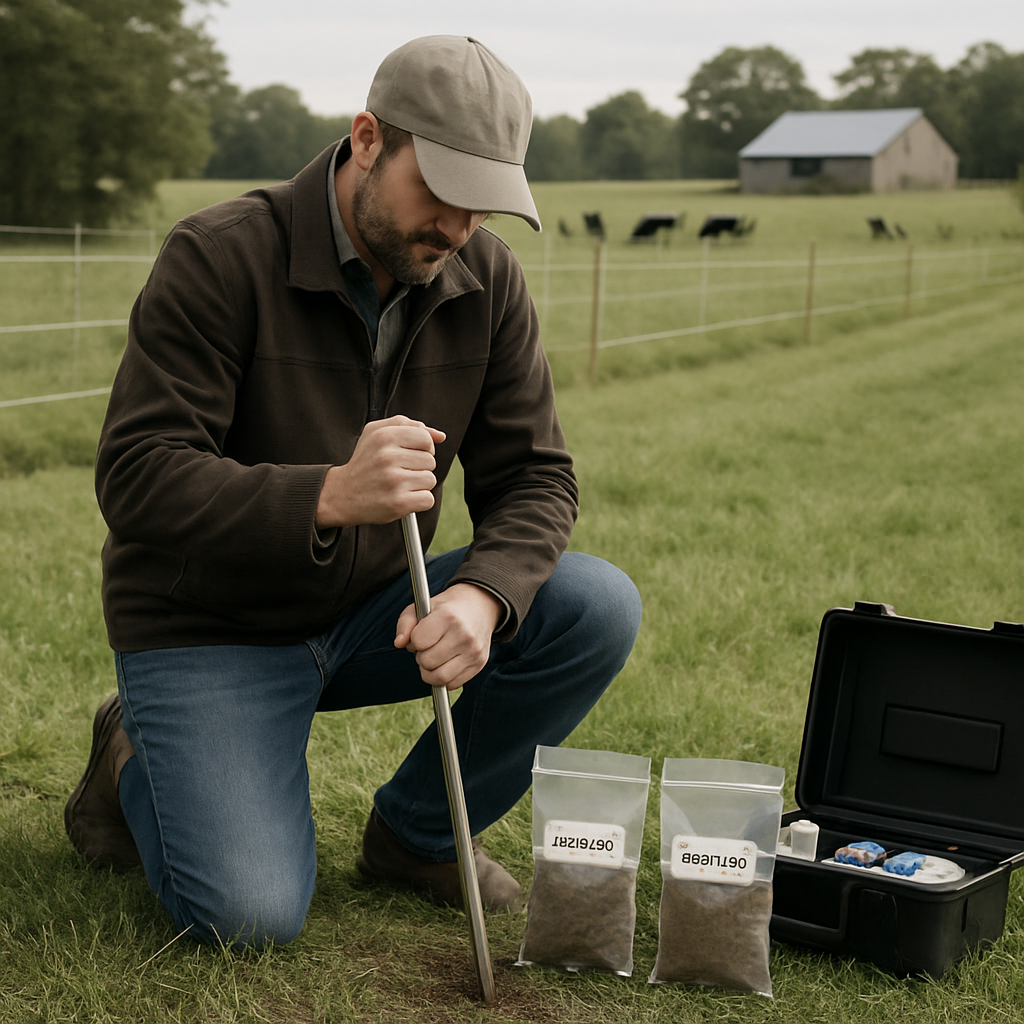
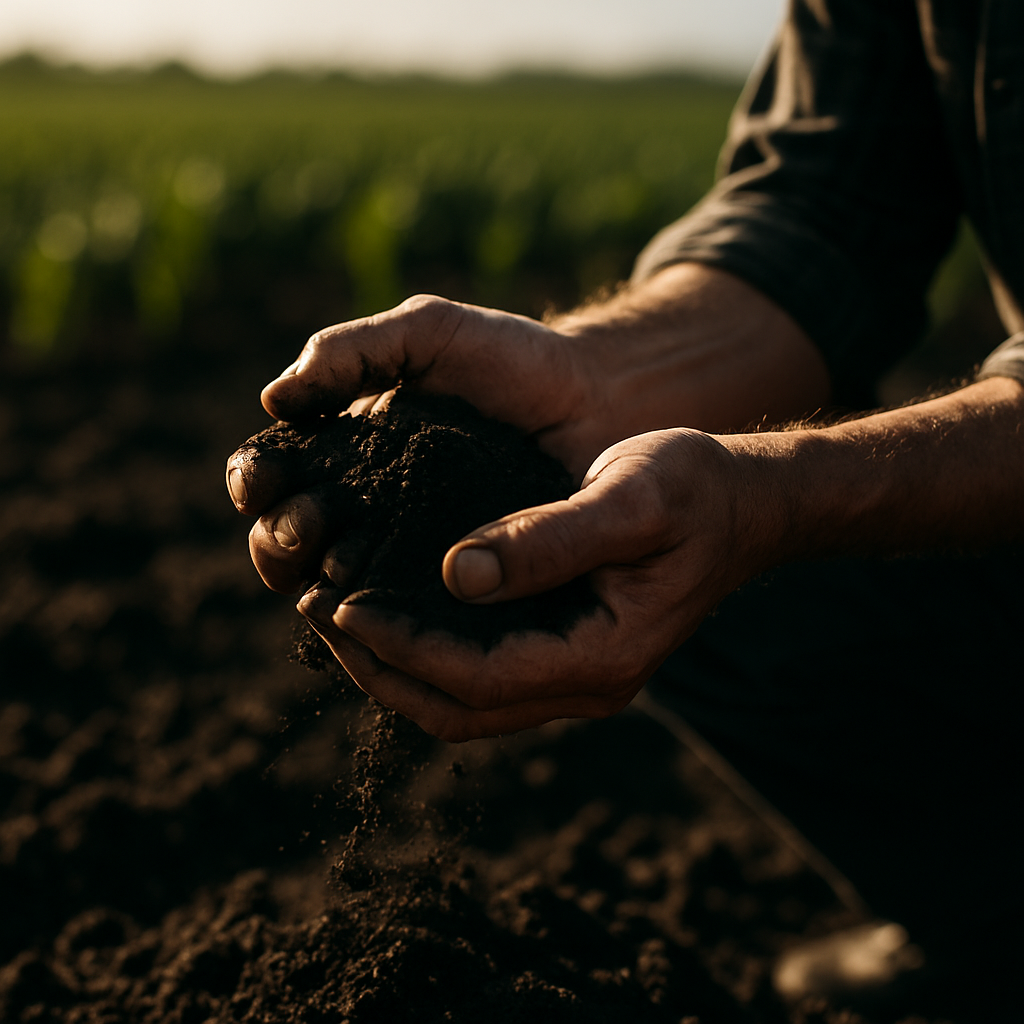
When you lease land for dairy, soil health is a production asset. Treat leased acres as an investment: test soil regularly, plan fertility based on crops, and manage stocking density to avoid compaction. If the lease involves grazing, a rotational plan reduces overgrazing and improves forage regrowth. Record keeping ties management to outcomes and helps when negotiating lease renewals.
Maintaining detailed records strengthens the partnership between landowners and farmers by providing clear evidence of stewardship efforts. When fertility plans and grazing schedules are documented, both parties can review progress and adjust strategies with confidence. This transparency supports reliable payments and structured payment handling throughout the lease term. By prioritizing soil health and clear communication, dairy operations can achieve sustained productivity while preserving the long term value of the farmland.
Financial, regulatory, and operational steps for dairy farm expansion
Leasing reduces capital needs, but expansion still has costs: additional animals, milking equipment, labor, and feed. Prepare a realistic budget that includes lease payments, fencing and watering installation, transport costs, and possible upgrades to handling facilities. If operating in Canada or other markets, confirm eligibility for local programs and know provincial requirements that can affect permit or grant eligibility. Keep discussions high level with advisors about tax and regulatory impacts so the lease supports financial sustainability.
Consider staged expansion. Start with rented pasture to expand the milking herd by a manageable percentage, test how extra forage is produced, then scale further. This reduces risk and reveals hidden costs tied to labor and logistics.
Finding dairy farmland to rent and negotiating terms
Search widely. Start with local ag networks, feed mills, and coops. Real estate listings for dairy farm real estate often include rental opportunities. Digital tools and platforms can centralize options, but local relationships remain key. When you find a potential parcel, walk the land with the owner and discuss realistic forage yields, water access, and any hedging or conservation requirements.
Be transparent about operations, and offer a management plan that shows the owner you will steward the land. A solid plan improves trust and can secure longer lease terms. Tools like Land4Rent can make listing and managing lease terms clearer.
Comparison: dairy farm consolidation vs small farms
Dairy farm consolidation is often driven by scale economies, processing contracts, and capital needs. Larger operations can spread fixed costs and invest in automation, which lowers per unit labor costs. Small and medium farms can compete by focusing on niche markets, quality or diversified enterprises. When evaluating expansion through leasing, compare models by how they handle land use, labor, and relationship with processors.
For example, a medium-sized herd that leases nearby pasture can increase production without the full burden of land ownership, maintaining flexibility. A consolidated approach may prefer longer leases or purchase for control over infrastructure. Both approaches can be viable; the choice depends on capital, market access, and the farm family goals.
Conclusion
Leases should reflect long term land care. Include clauses for soil improvement investments and how the cost is shared or amortized over the lease period. Define what happens if the lease ends: will the tenant remove certain improvements, or will they be transferred to the owner? Clear exit rules reduce disputes and protect soil productivity for future operators.
Frequently Asked Questions (FAQs)
How do I expand my dairy farm?
Start by identifying additional feed and grazing capacity through rented acres, then phase in more cows while tracking labor, milk yields, and cash flow. Use short term leases to test new acreage before committing long term.
Can I rent land for dairy farming?
Yes, many farmers rent land for forage, grazing, and expansion, provided the lease addresses biosecurity, water, and manure management. Clear written terms are essential to avoid misunderstandings.
What are dairy lease agreements?
Dairy lease agreements outline permitted uses, maintenance duties, lease length, and how improvements and soil fertility are handled. They should be detailed enough to guide daily operations and rare disputes.
How to find dairy farmland to rent?
Look through local ag networks, feed suppliers, cooperative bulletin boards, and real estate listings; digital platforms and word of mouth often surface the best opportunities. Meet landowners in person to understand site specifics.
What is dairy farm consolidation?
Dairy farm consolidation is the trend of larger operations growing in number and size, often absorbing smaller farms, driven by scale economies and market pressures. It changes land demand and lease markets.
Why are dairy farms consolidating?
Farms consolidate to reduce per unit costs, invest in technology, and meet processing contract size requirements. Capital intensity and labor shortages also push consolidation.
How much does dairy farming cost?
Costs vary widely by system, herd size, and region, including feed, labor, housing, and machinery. Budgeting per cow and per litre helps compare scenarios and evaluate leased land impacts.
Can small dairy farms survive?
Yes, many survive by specializing in quality, niche markets, diversified enterprises, and smart use of leased acres to manage risk and cash flow. Success depends on management and market access.
What is the future of dairy farming?
The future includes more automation, targeted expansion, and flexible land use through leasing, with sustainability and traceability shaping consumer and processor demands. Adaptation will be local and varied.
How does dairy farm consolidation affect landowners?
Consolidation can raise demand for dairy farmland Canada and elsewhere, changing lease rates and expectations on land management; clear leases and stewardship clauses help owners protect long term value.

.png)



.svg)


.svg)