%20(1).svg)

.svg)

Introduction
Finding workable land is often the first big hurdle for new and experienced producers. This guide focuses on practical steps landowners and operators can use to locate farms for rent in Canada, assess options, and set clear expectations in a lease. It explains where to look, how leases typically work, what to expect for soil care, and negotiation tips that reflect real rural relationships.
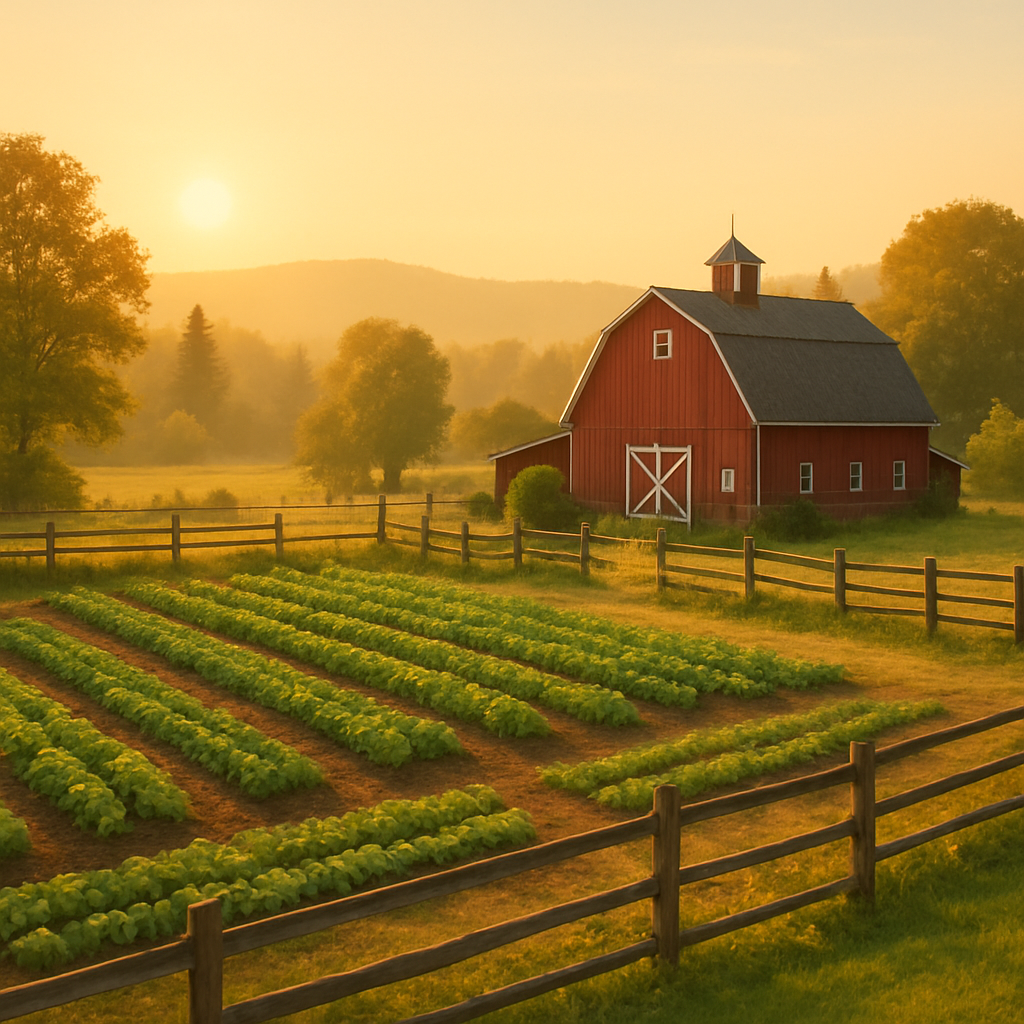
Finding farms for rent
Start with a clear goal. Decide if you need farm land for rent for crops, pasture, livestock, or a hobby operation. Define size, soil class, and distance from home. Knowing those basics narrows searches and saves time. Use a mix of online and local sources to build leads, then verify each prospect on the ground.
Online listings, marketplaces, and tools
Online listings are often the fastest way to see what is available across provinces. Many landowners list farmland for lease or farms to rent on general classified sites and specialized agricultural portals. Listings vary in detail, so treat them as introductions, not final answers.
Common online places to check include regional ag sites, social media groups, and platforms that support professional lease records. When you use these sites, filter for terms that match your needs, such as pasture land for rent or tillable farmland lease.
Below are practical online sources to try first.
- Provincial ag association classifieds
- Specialized farmland marketplaces
- Local farm Facebook groups and community boards
- General classified sites with rural sections
- Landowner listing services and broker sites
Local networks, brokers, and community leads
Local connections often yield the best long-term matches. Talk to local farm supply dealers, equipment mechanics, and extension services. These people hear about openings before they reach a listing site. Brokers and farm realtors can also help, especially for larger or specialty properties, but they will add cost.
Types of farm leases and payment approaches
Leases vary from simple annual agreements to long term leases with capital improvements. The main payment types are cash rent and crop share. Each has trade offs for risk and reward, and the right choice depends on the farmer and landowner goals.
With cash rent farmland, the farmer pays a fixed amount. The owner gets stable income and less management involvement. With a crop share lease arrangement, the landowner and farmer share production risk and rewards.
Think through taxes, approvals, and who pays for seed, fertilizer, and repairs before choosing a lease structure. Regardless of the payment structure, both parties should clearly document responsibilities and expectations.
What to include in a farm rental contract
A good lease reduces disagreements. It should state who is responsible for input costs, repairs, tile, fencing, and stewardship. It should define permitted uses and crop types, timing of operations, and how disputes will be handled. Also state the term, renewal options, and notice periods for ending the agreement.
Use this checklist to draft the first version of a written lease with a landowner or tenant.
- Exact property description and permitted uses
- Payment type, amount, timing, and adjustments
- Soil care, tile, and erosion control responsibilities
- Repair rules for fences, gates, and structures
- Term length, renewal, and termination notice
Negotiation tips, rates, and practical terms
Come prepared with local benchmarks. Ask neighbors about typical farmland rental rates and check provincial reports where available. Offer flexibility on term length or a small capital investment in return for a longer lease. Clear communication about expectations reduces friction.
Managing risks, stewardship, and long term care
Long term value of farmland depends on good stewardship. That means soil testing, nutrient management, cover cropping, and avoiding compaction. Agreements that include clear stewardship expectations protect both parties. Consider routine inspection points and an annual review to document condition.
If you use a listing or management service, ensure record keeping is centralized and transparent. Platforms can help clarify responsibilities, and services like Land4Rent can support clearer, more professional lease administration without replacing local judgment.
Practical resources and next steps
Take a phased approach. First, map your needs and budget. Second, collect leads from online listings and local contacts. Third, inspect and test the land. Fourth, negotiate a simple written lease that covers soil care and term. Fifth, start with a short trial term if you are new to the area or crop type.
Keep records of inputs, yields, and repairs. This protects both parties and builds a track record that makes future leasing easier. For specialty searches, use location terms such as farms for rent Ontario, farms for rent Alberta, or Saskatchewan farmland lease when filtering online or asking local brokers.
Financial planning and cost estimates
Before signing a lease, build a simple budget that separates fixed and variable costs so you know what the operation will actually cost versus what the rent will be. Typical cost categories include:
- Rent or share payments (cash rent or percentage of production)
- Seed, fertilizer, crop protection, and planting/harvest costs
- Fuel, repairs, and routine equipment maintenance
- Labour (hired help or family/operator time)
- Insurance, property taxes (if payable by tenant), and permits
- Fence, tile, and infrastructure repairs agreed in the lease
- Contingency fund for weather and market volatility (5–15% recommended)
Example simple calculation: estimate gross revenue per acre for your crop, subtract projected variable costs to get a partial gross margin, then adjust rent so both operator and owner are comfortable with the split of risk and return. For beginners, start with conservative yield estimates and a short trial term.
When negotiating, ask whether items like tile repair, major drainage work, or capital improvements will be credited against rent or handled by the owner. Clear rules prevent surprises at season end.
Legal issues, insurance, and dispute clauses
A written lease is the single best way to avoid disputes. Include clauses that address liability, insurance, and how disagreements will be handled. Key legal points to consider:
- Proof of ownership and legal description of the leased area
- Liability insurance levels and who must be named as additional insured
- Indemnity language for environmental contamination and pre-existing conditions
- Recording or registering long-term leases if required by provincial rules
- Termination for cause and notice periods for non-renewal
- Dispute resolution: mediation first, then arbitration or court
Get a local lawyer or agricultural advisor to review any long-term or high-value lease. Small annual agreements may use a standard template, but even short leases benefit from clear language on responsibilities and default procedures.
Conclusion
Finding and securing a farm to rent in Canada takes planning, local networking, and careful on-site evaluation. Gather leads from online listings and local contacts, inspect the land in person, and negotiate a lease that clearly defines responsibilities and stewardship. If you are new to leasing, consider starting with a short trial term while you build experience.
Clear communication and records protect both owners and tenants and make future leasing easier. Use provincial reports, local comparables, and services like Land4Rent to support the process, and always document agreed terms in writing before you begin operations.
Frequently Asked Questions (FAQs)
How to rent a farm?
Find listings, inspect the land, negotiate a written lease, and confirm responsibilities for inputs and stewardship.
What is a farmland lease agreement?
A farmland lease agreement is a written contract outlining term, payment, permitted uses, and maintenance responsibilities between landowner and tenant.
How much to rent farmland?
Rates depend on soil productivity, location, and local demand; use local comparables and provincial reports to estimate fair rent.
Why rent farmland instead of buy?
Renting lowers upfront capital needs, allows flexibility, and lets operators expand or test new regions without buying land.
How to find farms for rent near me?
Use local classifieds, agricultural groups, extension services, and targeted online searches with your town or county name.
What are farmland rental rates?
They vary widely by region and field quality; consult local benchmarks and adjust for improvements or limitations on the land.
How to negotiate farm lease?
Be transparent about needs, offer fair compensation, and include clear clauses for soil care, repairs, and termination notice.
What to include in farm rental contract?
Include property details, payment terms, term length, repair and soil responsibilities, and renewal or termination conditions.
How does farmland leasing work?
A lease grants a tenant the right to use land for agreed purposes and time, in exchange for payment or a share of production, under stated responsibilities.
Can I rent farmland with no experience?
Yes, but consider starting small, partnering with experienced operators, or negotiating support clauses in the lease to reduce risk.


.png)
.jpg)


.svg)


.svg)