%20(1).svg)

.svg)

Introduction
Leasing a farm to produce milk in Canada means balancing day to day operations and long term land care. Whether you aim to supply fluid cow milk, make dairy products, or process milk products, a lease must cover animal care, nutrient management, and production standards. This guide explains practical lease terms, shared responsibilities, and soil stewardship that protect your investment and keep production steady.
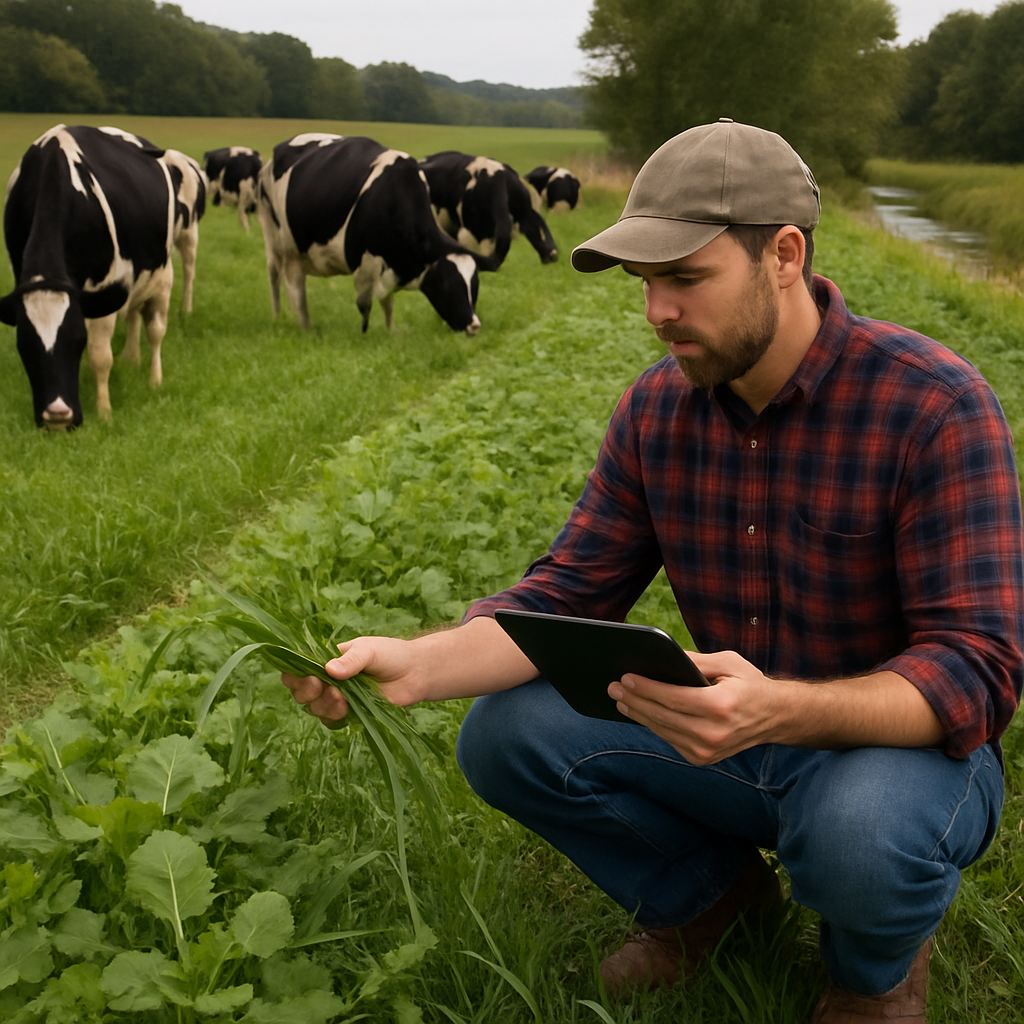
Types of Leases and What to Negotiate
Lease type shapes who pays for buildings, equipment, feed, and repairs. Common forms include cash rent, crop share, and mixed leases tailored to dairy needs. For dairy operations, many landlords and farmers negotiate specifics around milking parlors, bulk tanks, and herd size. Be clear about who holds quota rights and who is responsible for compliance with provincial and buyer standards.
What are kinds of milk?
Kinds of milk include fresh milk from cows, pasteurized and raw categories, plus processed forms like whole milk powder and nonfat milk powder. There are also specialty options such as organic whole milk and lactose reduced varieties.
When negotiating a lease, list which milk and milk products you intend to produce, and tie obligations to those products. That way both parties understand required equipment, storage, and quality checks.
Consider these items when drafting lease clauses that reflect dairy reality:
- Who owns and maintains milking parlors and milk cooling equipment
- Allocation of feed costs versus pasture access
- Herd size caps and replacement obligations
- Responsibility for dairy products processing or sale contracts
- Environmental and nutrient management expectations
- Exit terms for herd and quota handling
Milk Pricing, Quota and Financial Terms
Canada uses supply management for regulated dairy markets in many provinces. That affects how milk is priced and how quota transfers are handled. In a lease, clarify whether the tenant will market the milk, or if the landlord retains quota revenue rights. Also set expectations for milk component quality: butterfat and protein affect payments, so include testing frequency and handling standards in the agreement.
How much protein in milk?
A typical cow produces milk with about 3.0 percent protein, but individual herds vary. protein milk content matters because processors often pay premiums for higher protein milk, so lease terms should specify who receives those premiums.
Financial clarity reduces disputes. Include invoicing cadence, cost shares for major capital upgrades, and how to reconcile costs tied to milk products quality shortfalls.
Herd Management and Milking Operations
Successful leases specify daily responsibilities. This covers milking schedules, herd health, bedding, and culling policies. Also state who supplies veterinary care, herd testing, and replacement heifers. When someone else rents your land, a written expectation for animal welfare protects both parties and the long term productivity of the land.
How to milk a cow?
Milking a cow requires proper hygiene, consistent routine, and trained staff or automated systems. Modern parlors use routine pre and post dipping, complete milking routines, and equipment that preserves milk quality.
If the tenant will run the milking operation, include training standards, maintenance schedules for pumps and lines, and what to do if bulk tank temperatures or somatic cell counts exceed limits.
Soil, Feed, and Long Term Land Stewardship
Land remains the most important asset for dairy. Feed quality and pasture rotation determine herd health and fresh cow milk yields. Tenants often balance purchased feed with on farm forage that depends on soil condition. Ensure leases spell out responsibilities for fertilizer application, erosion control, and manure management to protect soil and water.
Practical stewardship actions both parties can agree on include cover cropping, buffer strips, and planned reseeding. These measures support reliable forage and maintain the land value over time.
When writing soil and feed obligations into a lease, consider these practical steps:
- Detailed nutrient management plan and record keeping
- Seasonal field access rules to reduce compaction
- Timetables for reseeding and pasture rest periods
- Manure spreading windows and methods to protect waterways
- Responsibility for fertilizer or lime costs and application
- Inspection rights and remediation steps for degraded fields
Contract Clauses to Protect Landowners and Tenants
Strong leases list who provides equipment, who pays for major repairs, and how assets are returned at lease end. Include clauses on biosecurity, animal traceability, and buyer compliance. A good lease also sets a dispute resolution path and clear termination triggers. For dairy leases, specify standards for bulk tank cleaning, milk sampling, and who bears costs for failing quality tests.
Can you milk a cow?
Yes, milking a cow needs skill and systems, but the lease should clarify whether the tenant or landlord will perform milking and who trains staff. Keep liability and insurance aligned with that responsibility.
Platforms such as Land4Rent can help record lease obligations and inspection schedules, making agreements easier to manage without replacing legal advice.
Risk, Insurance and Biosecurity
Insurance must reflect the realities of dairy. Coverages include livestock mortality, building and equipment, and third party liability. The lease should require proof of insurance and identify who pays premiums and deductibles for livestock incidents. For biosecurity, specify access protocols for visitors and rules for introducing new animals to the herd.
Consider also how pandemics, feed shortages, or market disruptions affect operations. Rent relief or renegotiation triggers can be useful when supply chains or milk processing demand shifts suddenly.
Compare dairy production choices to alternatives for context, not to replace a leasing decision. Farmers sometimes weigh cow milk production against plant based options like almond or soy. In narrative terms, dairy provides high levels of animal protein and specific fats processors need for cheese milk and yogurt, while plant milks offer different markets and processing demands. Your lease should reflect the chosen production path and any capital that makes it possible.
Working with Processors and Market Requirements
Processors set rules for milk acceptance, sampling, and condensing. Tie the lease to required testing for somatic cell counts, butterfat, and antibiotics. Also state who handles load scheduling and penalties for rejected loads. Where possible, link rent adjustments to actual milk delivered or processor penalties received.
How is cheese made from milk?
Cheese is made by acidifying milk, adding rennet, separating curds and whey, and then pressing and aging. The milk quality and fat content influence the type and yield of cheese produced.
If the operation intends to supply cheese makers, include quality thresholds and handling protocols that preserve the composition required by processors.
Conclusion
Leasing a dairy farm in Canada requires clear agreements on production standards, animal welfare, and land care. Spell out who pays for equipment, how milk products quality is measured, and what happens at lease end. Secure insurance, set biosecurity rules, and keep detailed records of inputs and outputs. Regular communication between landowner and tenant prevents small problems from becoming bigger ones.
Before signing, walk the facilities with your tenant, document equipment condition, and agree on an inspection schedule. Consider a written transition plan for herd or quota transfers. Tools like Land4Rent can help manage documents and keep schedules visible, but do not replace legal or technical advice specific to your situation. Ready to streamline your leasing process? Visit Land4rent today to connect with verified landowners and farmers across Canada, access customizable lease templates, and get the tools you need to create clear, fair agreements that protect your interests and your land.
Frequently Asked Questions (FAQs)
What are dairy products?
Dairy products include milk, cream, butter, cheese, yogurt, and dried milk powder. They come from processing cow milk and require quality controls.
Is fresh milk better?
Fresh milk can have a different taste and nutrient profile, but safety and shelf life depend on handling and pasteurization, so both consumer preferences and regulatory standards matter.
What is lactose milk?
Lactose milk refers to milk containing lactose, the natural sugar in animal milk, while lactose reduced or free options are processed to remove or break down that sugar.
Is A2 milk better?
A2 milk contains a different beta casein protein that some consumers find easier to digest, but evidence varies and choices depend on market demand.
What is milk fat?
Milk fat is the fat fraction in milk, measured as butterfat, and it affects pricing, processing behavior, and product types like cream and butter.
Why drink cow milk?
People often drink cow milk for calories, protein, calcium, and convenience, but dietary decisions depend on personal health and preferences.
What makes cream milk?
Cream milk is richer in milk fat, and cream separates naturally from whole milk or is separated mechanically for products like milk cream.
Are dairy items healthy?
Dairy items can provide protein and micronutrients, but health effects depend on amounts, fat content, and the rest of the diet.
How to choose milk cream?
Choose milk cream based on fat percentage for the recipe and intended use, and consider pasteurization and storage needs.
How does milk production work?
Milk production relies on milking frequency, herd nutrition, genetics, and facility hygiene, all of which should be reflected in lease responsibilities.


.png)


.svg)


.svg)