%20(1).svg)

.svg)

Introduction
Good soil is the foundation for healthy farm animals. When land is rented to graze or house livestock, the lease becomes a tool to protect soil health and farm productivity. This article explains practical steps for landowners and operators to align lease terms with responsible soil management livestock lease practices. It covers what to include in contracts, everyday grazing decisions, monitoring, and long term stewardship.
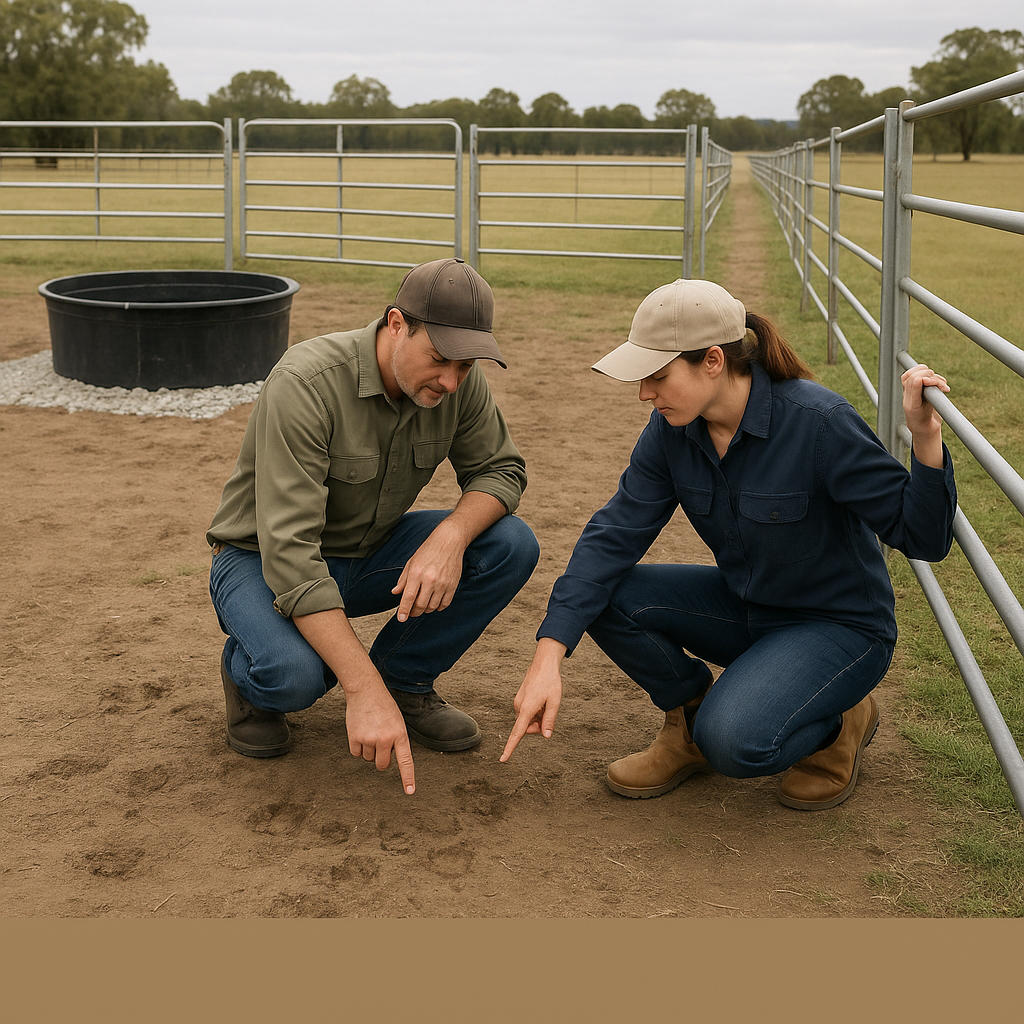
Why soil matters on rented pasture
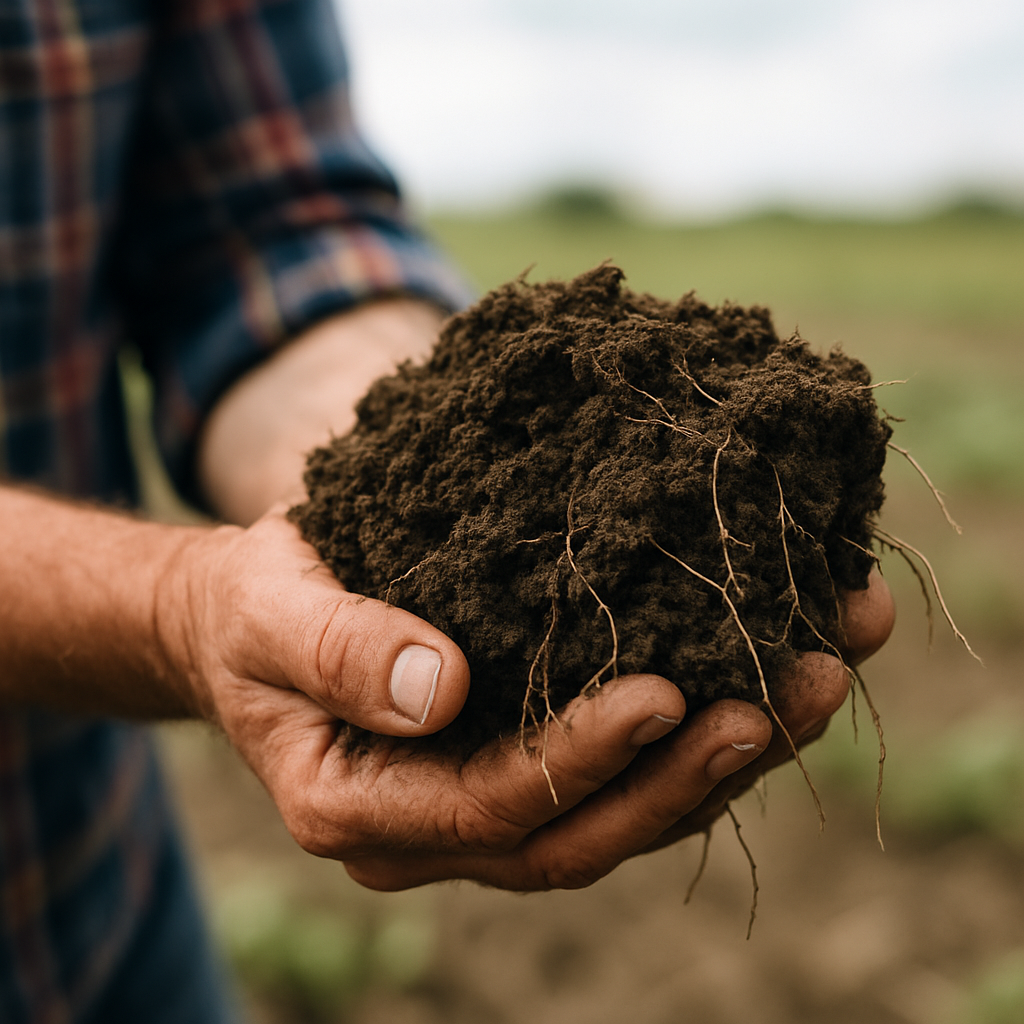
Soil affects forage quality, animal health, and future crop options. Compacted or eroded ground reduces water infiltration and plant diversity. Manure concentrates can create nutrient overloads and cause runoff. Leases that ignore soil lead to lower productivity and more repair costs later. A good agreement balances short term income with long term land value. It clarifies who pays for fixes, who monitors conditions, and who is responsible if damage occurs.
How to lease farmland for animals?
Start with clear goals. Do you want short term cash flow, rotational grazing, or long term stewardship? Define permitted animals, maximum stocking density, seasonal windows, and rest periods. Include soil-focused practices such as rotation plans, fencing, and limits on winter grazing. Include a simple monitoring routine, and state who will pay for soil tests and repairs. Using a structured listing or platform like Land4Rent can help document expectations and attract operators who value soil care.
Basic lease types and soil responsibilities
Leases vary by duration and control. Short term cash rent gives less control to owners. Longer leases allow detailed stewardship clauses. When discussing options, compare farmland lease vs buy for animals to see what suits your goals. Typical arrangements include:
Owners should decide which soil tasks they will keep, and which the tenant must perform. Common responsibilities to allocate include fence maintenance, water system upkeep, manure management, and reseeding bare spots. Spell out acceptable practices for tillage or fertilizer if crops are part of the system.
What are farmland lease agreements for livestock?
These agreements define who grazes, when, and how. To protect soil, include stocking rate limits, rest periods, and rotation maps. Specify animal types and maximum numbers. Add language that requires both parties to meet basic soil health standards. Include an inspection schedule, and a simple dispute process. Keep the language direct, with measurable actions and timelines.
Managing pasture fertility and regenerative practices
Pasture fertility underpins production and resilience. Favor practices that build organic matter and root diversity. Examples include targeted nutrient applications, adaptive stocking, and interseeding legumes. If you want regenerative farming animal lease outcomes, agree on specific practices like no-till interseeding, cover cropping in paddock transitions, and planned rest periods.
When planning inputs, decide who buys seed, tools, and sprays. For long term leases, allow the tenant to recoup investments through rent credits or cost-sharing. For short term agreements, avoid obligating tenants to major soil amendments they cannot finish or benefit from.
Grazing strategies, water, and infrastructure
Practical grazing controls reduce soil damage. Rotational grazing keeps plants growing and roots intact. Consider portable fencing to create smaller paddocks for planned use. Protect high traffic areas with sacrifice paddocks or rock pads by water troughs. Ensure water points are sited to avoid erosive flow paths.
Include infrastructure expectations in the lease. Specify who installs and maintains fences, waterers, lanes, and crossings. Identify responsibility for permits if new structures or stream crossings are needed. A written site map helps prevent confusion and guides pasture rotation.
Soil testing, amendments, and record keeping
Regular soil testing supports practical outcomes for landowners and farmers by guiding pH adjustments, fertilizer rates, and lime needs. Testing every three years or more often on problem fields helps maintain farmland productivity. Keeping records of tests, applications, and reseeding dates creates a clear process that shows trends over time. These records help both parties understand expectations and contribute to an organized marketplace. Binding leases should specify who orders tests and pays for them while stating how to act on results.
A clear process for inspections and planning ensures lease details are handled clearly. Key items to review include recent soil test results with location and date along with observed signs of compaction, erosion, or bare ground. Grazing rotation maps and stocking numbers should be examined alongside manure management and nutrient application records. Infrastructure status covering fencing, water, and lanes also requires attention. This approach reduces back and forth and supports responsible farmland care.
Contract clauses that protect soil and value
Binding leases should be clear and measurable to support practical outcomes for landowners and farmers. Avoid vague phrases by using timelines, quantities, and checklists to ensure lease details are handled clearly. Include a remediation clause for damage and outline cost sharing for proactive improvements. A clear process should also include terms for termination or rent reduction tied to repeated or serious soil damage. This approach helps reduce hassle and manages expectations on the process.
Several common clauses support effective farmland management when drafting or negotiating. Consider stocking density limits per acre and seasonal adjustments alongside mandatory rest periods and rotation schedules. Soil testing frequency and who funds tests should be defined clearly. Manure spreading rules and setbacks from water protect environmental stewardship. Infrastructure status including fencing, water, and lanes should also be reviewed. Investment cost sharing for improvements like reseeding ensures practical outcomes. These items contribute to a clear process for managing farmland.
How to steward land when leasing to animals long term?
Long term stewardship requires alignment of incentives. Owners should offer reasonable security of tenure for tenants who invest in soil health. Tenants should document improvements and agree to allow reasonable inspections. Consider clauses that allow rent reductions or credits for tenant-funded improvements, or a buy-out formula if the owner sells before improvements pay off.
Encourage both parties to use adaptive management. Make a plan with check-in dates to adjust stocking rates or reseeding plans based on monitoring. Good stewardship is practical and iterative, not one time.
Conclusion
Soil management in farmland leasing for animals is a mix of good contract drafting, everyday grazing decisions, and regular monitoring. Clear roles reduce conflict and protect land value. Start small with a written site map, a simple rotation plan, and a soil test. Build clauses that match lease length and expected investments. Consider platforms and verified listings to find tenants who prioritize stewardship, and mention professional services like Land4Rent sparingly when documenting agreements and expectations.
Next steps for landowners: schedule a baseline soil test, draft a short soil stewardship addendum, and map high risk areas like streambanks. For operators: propose a rotation plan, offer references for past stewardship, and document planned investments. Practical agreements lead to healthier pastures and more resilient operations.
Frequently Asked Questions (FAQs)
How to find farmland for farm animals?
Use local networks, extension services, and verified listings to find nearby opportunities. Ask for pasture history and recent soil tests before signing.
Why rent land for livestock?
Renting gives flexibility to expand without large capital, and it spreads risk. It also allows landowners to earn income while keeping ownership.
Can I lease farmland for grazing animals?
Yes, many owners lease for grazing. Make sure the lease specifies grazing periods, stocking rates, and soil care responsibilities.
What are farmland lease agreements for livestock?
They are contracts that set the terms of use, payments, responsibilities, and remedies related to livestock grazing and soil care.
How much to rent pasture for animals?
Rates vary by region, productivity, and infrastructure. Use local comparables and factor in forage quality and water access when pricing.
What soil management in animal leases should cover?
Key items include testing frequency, stocking limits, rest schedules, manure rules, and responsibilities for repairs and reseeding.
Is regenerative grazing on leased land allowed?
Yes, but the lease must include clear practices and allow sufficient tenure for investments to pay off. Include monitoring to document benefits.
How to verify farmland listings for animals?
Ask for photos, recent soil tests, maps, and references. Visit the site and review water and fencing before making an offer.
Why long term leases for farm animals are useful?
Long term leases encourage investment in soil and infrastructure, and they align incentives for both owners and tenants to improve land value.
Is organic farming land rentable for animals?
Yes, but verify certification requirements, previous inputs, and transition rules. Document allowed practices and record keeping in the lease.

.png)
.jpg)



.svg)


.svg)