%20(1).svg)

.svg)

Introduction
Choosing between a farm lease and a commercial lease matters for landlords and operators. A lease sets who does what, who pays, and how the land or building is cared for. Early clarity saves time and money. This guide explains real differences in contract terms, payments, soil and infrastructure responsibilities, and long term land care. It is written for landowners, farmers, and business tenants who need practical steps to draft and manage a lease that protects land value and supports production.
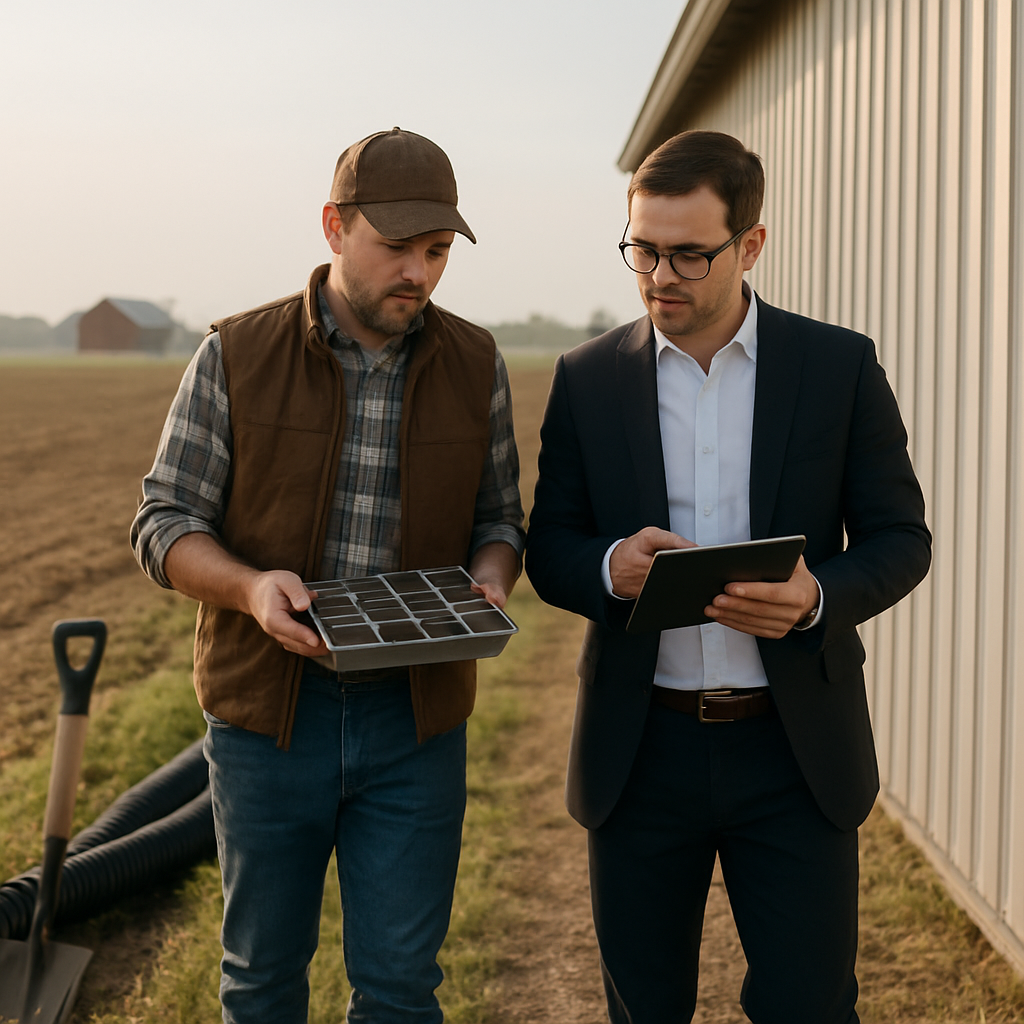
How the leases differ: purpose and typical tenants
At its core a commercial lease is aimed at businesses that occupy buildings or spaces for trade, services, or offices. A farm lease is tailored to agricultural production. The two serve different purposes, and they use different language, risk allocation, and routine obligations.
What is a commercial lease?
A commercial lease is a contract granting use of a commercial space for lease or a building for lease to a business tenant for a set rent and period, with clauses about maintenance, utilities, and permitted uses.
What does a farm lease include?
A farm lease agreement sets terms for crop or livestock production, access to water, timing of planting and harvest, soil care, and responsibilities for fences and drainage. Payment can be cash, crop share, or a hybrid.
Both lease types define use and limits, but farm agreements link closely to soil health, seasonal cycles, and long term stewardship. Commercial leases focus on building systems, signage, hours of operation, and customer access.
Key contract terms and negotiation points
Negotiation matters. In both contexts parties should identify core risks and who will manage them. Commercial tenants often negotiate fit outs, hours, and common area maintenance. Farmers negotiate crop decisions, input costs, and who pays for long lasting improvements.
Typical commercial clauses often include rent adjustments, operating expense pass throughs, and use restrictions. Typical farm clauses include crop insurance, fertilizer rules, and a clause about how major soil or drainage work is funded.
Before lists below, decide if the lease is short term or a long term farm lease. Longer contracts can justify landlord-funded improvements and more detailed stewardship language. Shorter contracts favor flexibility but increase turnover and uncertainty for both sides.
Common commercial lease elements include:
- Base rent and escalation schedule for commercial property for rent.
- Operating expenses and common area maintenance allocation.
- Use clause and exclusivity for business activities.
- Repair and maintenance obligations for building systems.
- Insurance and indemnity requirements for a business property for rent.
- Renewal, assignment, and subletting rules for commercial property for lease.
These items guide the negotiation tone. For farmland, swap building systems for soil, infrastructure, and seasonal timing.
Soil, stewardship, and agricultural responsibilities
Soil is the asset on a farm lease, not just dirt. Contracts should address tillage practices, nutrient management, erosion control, and how to handle contamination or compaction. A clear agricultural lease contract protects land value and reduces disputes.
What soil responsibilities in lease?
Leases should spell out who is responsible for soil testing, recommended amendments, erosion control, and maintaining drainage. A common approach is to require adherence to specified management practices and set a process to approve deviations.
How to manage farmland rental?
Successful management includes regular soil testing, shared record keeping, and an agreed plan for rotations and cover crops. Landowners benefit when tenants maintain soil organic matter and reduce erosion risks.
Farm lease provisions to consider include
- Requirements for regular soil testing and nutrient plans, linked to a soil management lease clause.
- Rules on tillage, cover crops, and conservation practices to limit erosion.
- Responsibilities for fences, gates, and livestock control where relevant.
- Agreements on drainage, tile maintenance, and who pays for major repairs.
- Permitted and prohibited chemicals, and a contamination response plan.
- Record keeping and remote access for inspections with reasonable notice.
Include clear remediation steps for breaches that impact soil health, and set expectations for restoring land at lease end.
Rent models, rates, and financial differences
Commercial and farm rent models differ. Commercial rent is usually fixed monthly with potential percentage rent for retail. Farm rent can be cash per acre, a share of production, or a mix. Payment timing, risk sharing, and tax implications differ between models.
How much is commercial rent?
Commercial rent varies by location, size, building condition, and market demand. A commercial space for rent in a busy centre will cost more than a similar space in a low traffic area.
What are farm lease rates?
Farmland rental rates depend on soil quality, access to water and markets, and local supply and demand. Rates are often quoted per acre or hectare, and they vary by region and the crop or livestock system.
When comparing rates, include the value of improvements, who pays property tax, and whether inputs are included. For long term deals, consider a modest escalation clause tied to inflation or a local benchmark to keep the lease fair over time.
Operational differences and property use
Commercial leases focus on the built environment. They regulate signage, parking, hours of operation, and customer safety. Farmers need clauses for seasonal access, storage of inputs, and permitted nonfarm uses such as agritourism. Mixing uses requires careful drafting.
Is commercial lease negotiable?
Yes. Most elements are negotiable, from rent to repair obligations and tenant improvements. Landlords and tenants often reach middle ground through concessions and clear scopes of responsibility.
Can I lease business property?
Yes, you can lease a business property to rent or lease a business for lease depending on your operation. Ensure the lease permits your intended use and has the rights you need for signage and customer access.
How to find, manage, and document leases
Finding the right property or land takes time. Use local networks, brokers, and reputable platforms. Platforms can centralize listings, documents, and communications. For farmland, a platform can help standardize lease terms and make expectations transparent.
How to find farmland for rent?
Start with local agricultural organizations, extension services, and online listings for farm land for lease. Talk to neighbors and use trusted platforms to reach active farmers.
Why use farmland leasing platform?
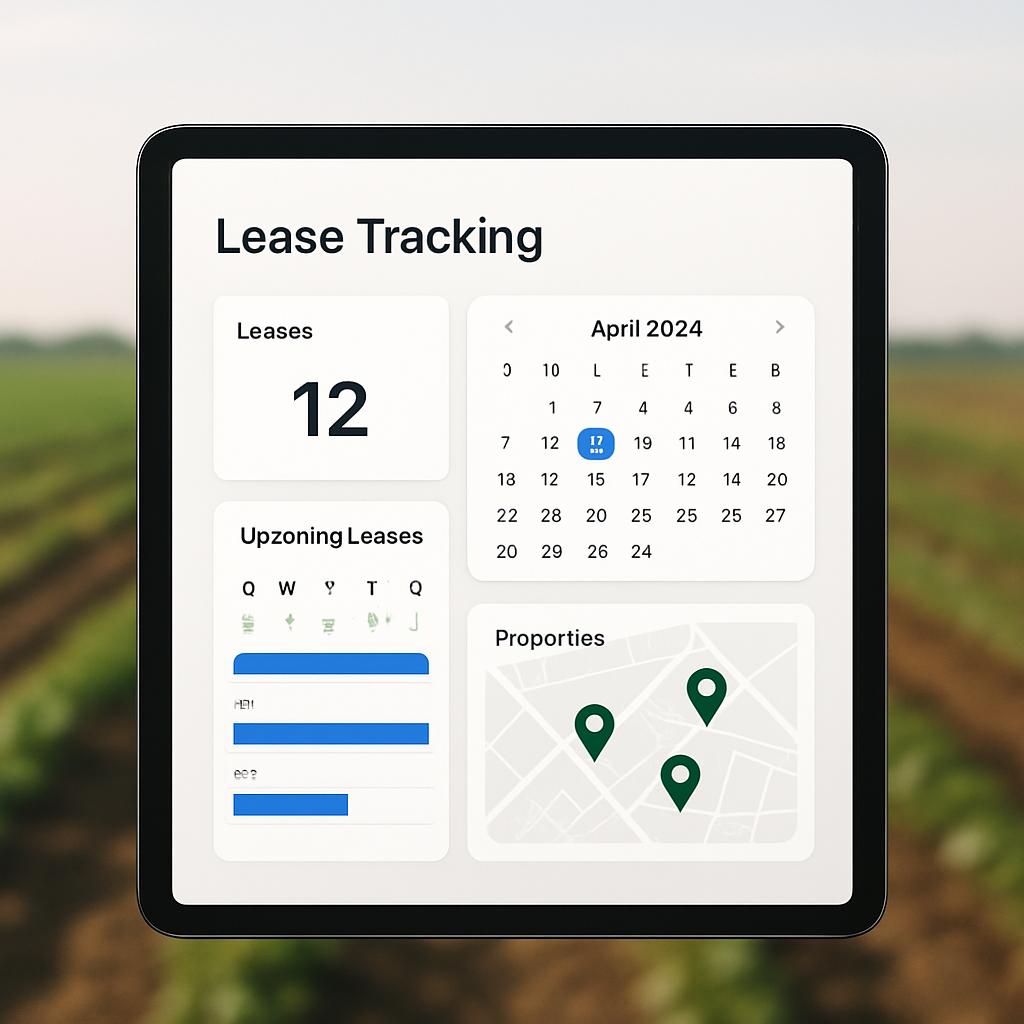
A platform can simplify advertising, screen applicants, and keep lease documents in one place. Services that support clear templates help both sides avoid ambiguity and speed up agreement signing.
One example is Land4Rent, which some landlords use to present listings and standard lease forms. It is a tool, not a substitute for careful negotiation and clear stewardship language.
Comparing risks: commercial lease vs farm lease
Risk allocation differs. Commercial leases often shift many operating costs to tenants. Triple net structures make tenants pay taxes and common area costs. Farm leases often share production risk, especially in crop share deals. Ag leases must consider weather, pests, and market swings.
When weighing options, consider these points: building depreciation and tenant fit outs in commercial settings, versus soil depletion, infrastructure repair, and weather risk in farm settings. For long term land value, soil care and controlled access are essential.
Practical steps to draft a fair lease
Start with clear goals. Landlords should decide whether they want steady income, land improvement, or flexibility to sell. Tenants should aim for security, clear responsibilities, and fair cost sharing. Use a written lease, not a handshake agreement, and include an exit plan.
Practical steps include a pre-lease inspection, mapping out infrastructure, agreeing on improvements and who funds them, and documenting soil baseline conditions. Add simple dispute resolution steps to avoid costly litigation.
Conclusion
Choosing between a farm lease and a commercial lease is about matching the asset to the use, and writing clear obligations that protect both parties. Commercial leases center on buildings, operating costs, and tenant fit outs. Farm leases focus on soil, seasonal timing, and stewardship. Both benefit from clarity on repairs, insurance, and renewal terms.
Use standard templates thoughtfully, adapt them to local conditions such as a farmland lease Canada context if relevant, and record the state of the land or building at the start and end of the lease. A platform like Land4Rent can help manage listings and documents, but the real value is in clear communication and well drafted lease clauses that reflect the realities of agriculture or commercial business.
Frequently Asked Questions (FAQs)
How to lease commercial space?
Identify the right location, understand permitted uses, negotiate rent and maintenance terms, and sign a written commercial lease that specifies responsibilities.
What is a commercial lease?
A commercial lease is a contract allowing a business to occupy a property for set rent and terms, with clauses about maintenance, use, and payments.
Why lease farmland in Canada?
Leasing farmland can provide access to quality land without large capital outlay, and it allows landowners to earn income while preserving long term land value.
Can I lease business property?
Yes, you can lease a business property to rent after confirming zoning, permitted uses, and lease terms that support your operations.
How much is commercial rent?
Commercial rent varies by market, property type, and location; compare similar commercial property for rent listings to estimate local rates.
What are farm lease rates?
Farm lease rates depend on soil quality, region, and demand; rates are often quoted per acre and differ between cash and crop share models.
Is commercial lease negotiable?
Yes, most elements of a commercial lease are negotiable, including rent, term length, and who pays for improvements.
How to find farmland for rent?
Use local agricultural networks, brokers, and online listings for farm land for lease, and check platforms that list rural properties.
What does farm lease include?
A farm lease typically covers access, permitted uses, payment method, responsibilities for inputs and repairs, and soil stewardship obligations.
Why choose structured farm lease?
Structured leases reduce misunderstandings, protect soil health, and align incentives for long term land productivity and value.

.png)



.svg)


.svg)