%20(1).svg)

.svg)

Introduction
Many landowners want steady payments without daily farm work. By leasing farmland, owners can generate passive income while helping local farmers access land. This article covers practical lease choices, soil care responsibilities, and ways to support tenant farmers. The goal is realistic planning that balances steady returns with long-term land health. Farms need clear agreements and active stewardship even when income is largely passive.
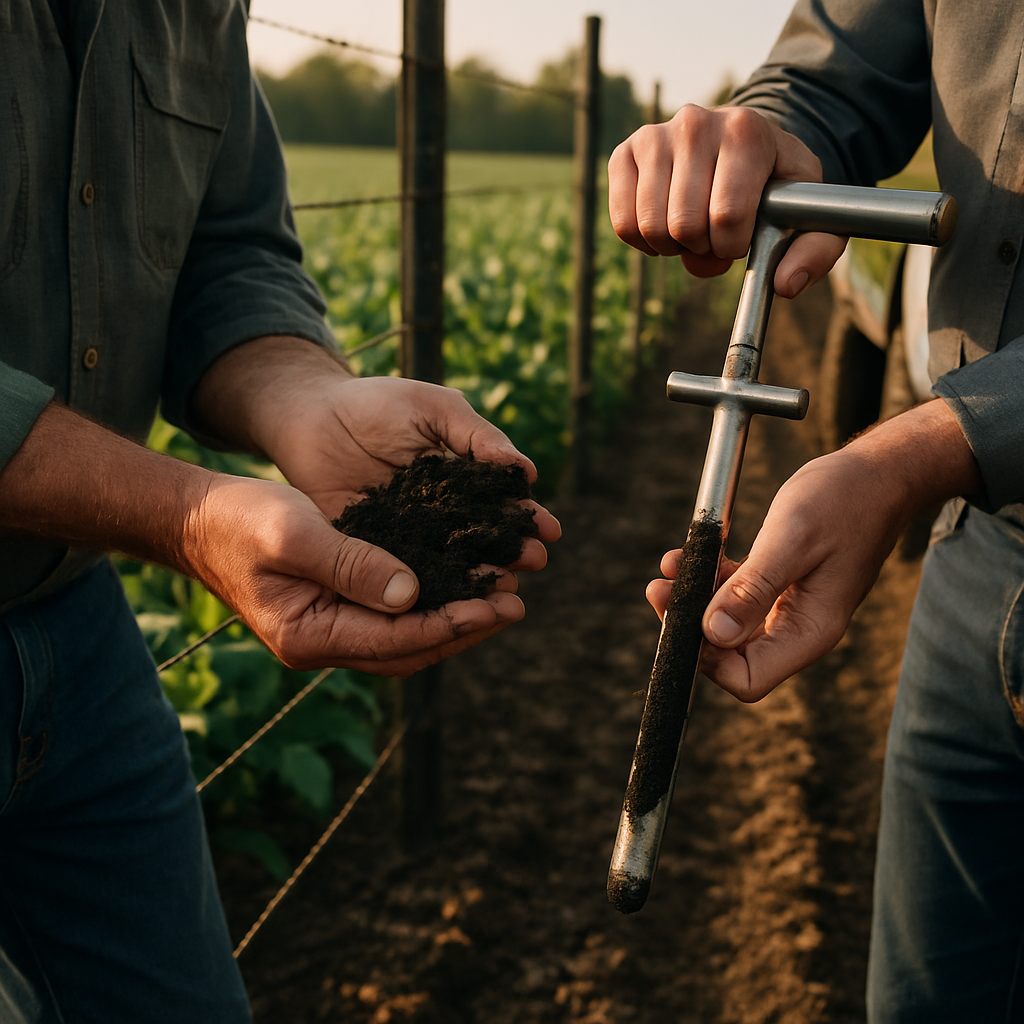
Why farmland is a strong passive income option
Farmland can serve as an income generating asset that often keeps its value over time. Compared with stocks or rental housing, farmland offers tangible use, steady demand, and community benefit. Landowners can choose low-management roles, while tenants run the operations. That makes farmland one of the best choices for people seeking passive income investments and stable passive income streams.
Leases can be structured to limit owner involvement. Clear lease terms reduce surprises. When owners care for soil and boundary issues, tenant farmers can focus on cropping and livestock. This arrangement creates predictable returns for owners and secure access to land for farmers.
Leasing options that create steady returns
There are several common lease models. Each balances owner risk, management time, and tenant flexibility. The lease you choose determines how you make passive income and how responsibilities are shared.
What is passive income?
Passive income is revenue you receive with minimal day to day work after setup, such as rental payments from a lease, royalties, or income from managed assets. On farmland, it usually comes from periodic rent or revenue shares.
How to make passive income from farmland?
Decide on a lease type, set clear responsibilities, and choose tenants with proven practices. Then monitor compliance and maintain key infrastructure. With a good lease, you can largely step back while receiving regular payments.
Common lease types include:
- Fixed cash rent, paid annually or per season.
- Crop share, where owner receives a percentage of production or revenue.
- Flexible hybrid leases with base rent plus a share of profits.
- Long term ground leases, often used for specialty crops or permanent improvements.
- Conservation or easement agreements that offer payments for stewardship actions.
Each option fits different goals. Fixed rent is the most passive. Crop share can yield higher returns but needs more record keeping. Hybrid leases split the difference.
Drafting practical leases and defining soil responsibilities
A useful lease needs clear rules about who does what. Soil health, drainage, fences, and tile lines should be assigned so both parties know expectations. Well written clauses reduce conflict and protect land value. Below are the key lease areas to address.
How to earn passive income while protecting soil?
Assign responsibility for routine soil care and major improvements upfront. Include requirements for cover crops, erosion control, nutrient plans, and limits on heavy tillage. These terms keep land productive and preserve future rental value.
Important lease clauses to include:
- Rent amount, payment schedule, and indexation rules if any.
- Duration and renewal terms, including notice periods.
- Detailed responsibilities for soil management and erosion control.
- Who maintains, repairs, or replaces fences, drainage, and tile lines.
- Allowed uses and crop rotation or livestock stocking limits.
- Termination events and penalties for noncompliance.
These items create a clear framework so the owner can receive passive rent while the farmer knows operational limits. Consider adding routine inspection rights and a simple dispute resolution process.
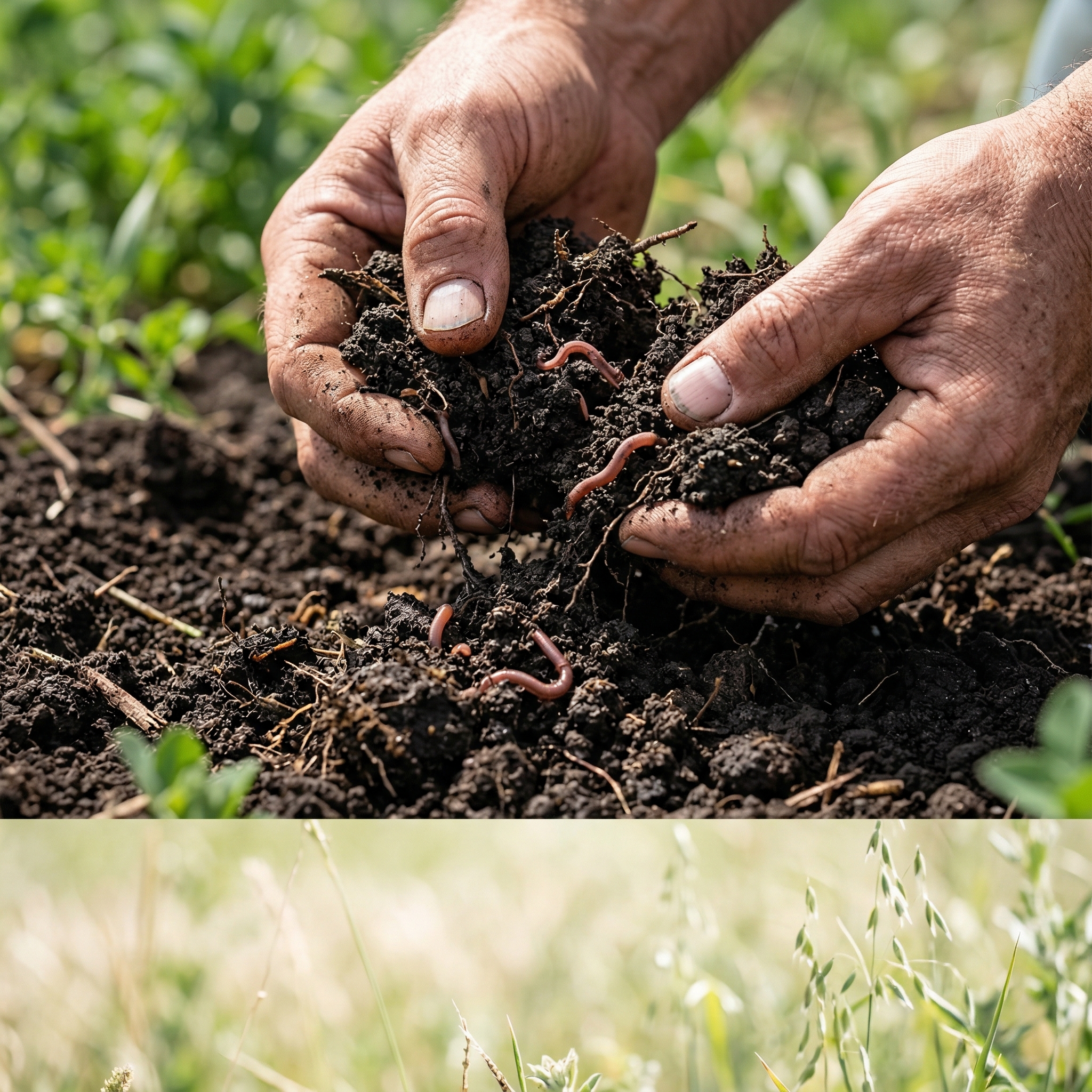
Soil care and long term land value
Generating rent now should not degrade future earning potential. Protecting soil and water helps both parties. Consider a written stewardship plan that lists best practices and monitoring steps. Many tenants accept modest stewardship obligations when paired with stable tenure.
Key soil care practices to include in agreements are cover cropping, conservation tillage, nutrient management, buffer strips near waterways, and avoiding operations on wet ground that cause compaction. Leases can offer incentives for positive practices, such as rent reductions for meeting soil health benchmarks, or bonus payments for adopting conservation measures.
How can landowners support local farmers without daily involvement?
Rent is not the only way to help. Nonfinancial supports can make a lease attractive and strengthen local food systems. These supports do not require daily management, but they do require planning and clear terms in the lease.
- Offer multi year leases to provide farmers with tenure security for investments.
- Allow improvements by tenant, such as fences or irrigation, with clear compensation rules.
- Provide access to storage, grading areas, or farm lanes to reduce tenant costs.
- Coordinate cost sharing for infrastructure like wells or erosion control.
- Create a simple stewardship checklist and reward compliance with modest rent credits.
- Connect tenants with local extension services or conservation programs.
These supports help tenants scale and reduce turnover. Turnover costs and lost productivity are real risks to long term passive returns. Simple, supportive policies often pay back through stable income and better land condition.
Financial planning, taxes, and risk management
Farmland leases are a form of passive income investments. They should fit your broader portfolio and cash flow needs. Expect rental income to be seasonal or annual, and prepare for unexpected repairs or legal steps. Speak with a local advisor about tax treatment, as rules vary by jurisdiction. Keep records of rent, expenses, and stewardship investments. Those records help both accounting and future negotiations.
Insurance and contingencies matter. Consider liability coverage related to tenant operations, and require tenants to carry their own farm liability insurance. For higher risk crops or long term leases, include clauses for adverse weather, new regulations, or major market shifts. These protections limit disruptions to your passive income streams.
Compare lease approaches in narrative terms: fixed rent is simple and predictable, similar to a bond. Crop share ties your returns to production and prices, similar to equity exposure. Hybrids try to capture both predictability and upside. Choose based on your comfort with variability and the quality of tenant management.
Practical steps to start generating passive income from your land
Start with a clear decision on how active you want to be. If you want minimal interaction, choose a fixed cash lease and set written stewardship rules. If you want some upside, consider a crop share or hybrid. Follow a simple checklist to move from idea to income.
Step by step:
- Assess your land: soils, drainage, access, and current condition.
- Decide lease model and prepare a draft agreement based on local norms.
- Screen tenants by experience and references, or work with local farm networks.
- Agree on stewardship practices and inspection schedule to protect long term value.
- Sign a written lease, collect initial payments or deposits, and document prelease condition.
- Monitor annually, keep records, and be ready to renew or adjust terms as conditions change.
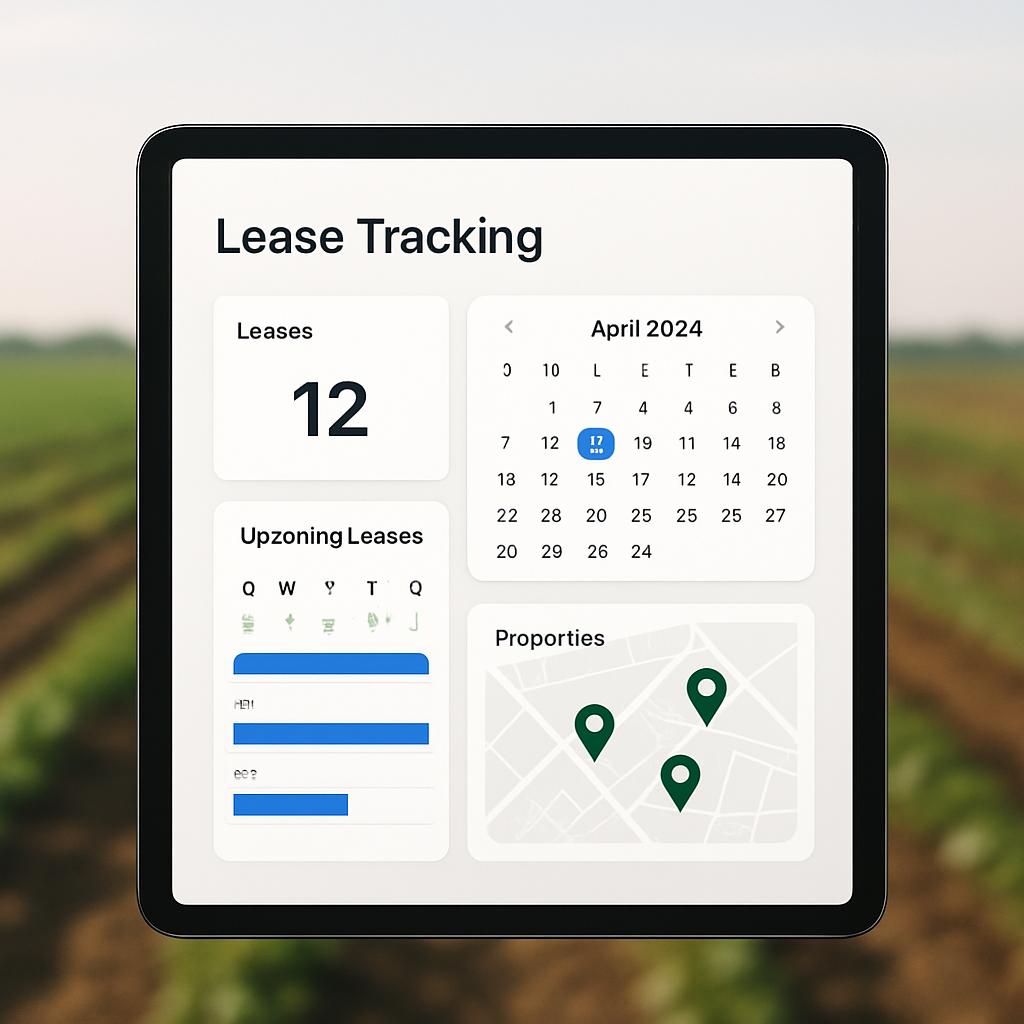
Tools and platforms can simplify tenant search and payments. Services like Land4Rent can help manage listings and paperwork, making it easier to run farmland leasing as a clear and professional passive income activity. Even when you use third party services, keep your lease terms tailored to your property and goals.
Common pitfalls and how to avoid them
Pitfalls include vague leases, ignoring soil maintenance, poor tenant selection, and inadequate insurance. Avoid these by writing clear terms, documenting land condition, and insisting on regular communication. A short inspection each season prevents small issues from becoming large problems. When problems arise, a documented lease and a calm dispute process help both sides find a fast resolution without damaging the relationship.
Also be realistic about returns. Farmland rent can be steady, but it is not always high yield. Treat it as part of a diversified portfolio of income generating assets and be patient about long term land value gains.
Conclusion
Farmland can be a reliable way to earn passive income for landowners while supporting local farmers. The most successful arrangements balance predictable rent, clear stewardship expectations, and practical supports for tenants. Start by choosing a lease type that matches your desired involvement level, draft clear stewardship clauses, and screen tenants carefully.
Small investments in soil health and a modest willingness to support tenant needs often lead to more stable, long term returns. If you want to list your land or streamline management, explore trusted tools and local farm networks. A measured approach helps you make passive income from land while preserving it for future generations.
Frequently Asked Questions
What is passive income?
Passive income is money earned with limited daily effort after an initial setup, such as rent from farmland leases or royalties.
How to make passive income from farmland?
Choose a lease type, set clear terms for soil and infrastructure, find a reliable tenant, and monitor compliance periodically.
How to earn passive income while protecting soil?
Include stewardship clauses in the lease, require cover crops and erosion controls, and offer incentives for sustainable practices.
Can I make passive income online from land?
You can use online platforms to list land and process payments, but the land itself still needs physical stewardship and local agreements.
What are good passive income investments for landowners?
Fixed cash rent leases, conservation easements with payments, and long term ground leases are common options for steadier returns.
How much passive income can I make from farmland?
Income varies by location, soil quality, and lease terms; treat it as part of a broader portfolio and evaluate expected yields locally.
How to get passive income with no money?
If you already own land, leasing it generates income with little cash outlay, though basic maintenance and insurance still cost money.
Are there real passive income opportunities in agriculture?
Yes, leasing land, conservation payments, and structured revenue shares can generate ongoing income while others manage production.
What are passive income streams from rural land?
Common streams include cash rent, crop shares, conservation payments, lease of pasture, and payments for renewable energy leases.
How to start passive income from farmland?
Assess your land, pick a lease model, write clear terms for stewardship, find a qualified tenant, and document everything before signing.


.png)


.svg)


.svg)