11 min read

5 Proven Soil Management Practices to Boost Farmland Productivity

Soil is the foundation of agricultural productivity. This guide presents five research-backed strategies that improve soil structure, enhance nutrient availability, reduce erosion, and increase water retention. Each practice is designed for practical implementation within the Canadian agricultural context.

Published On
March 29, 2026
Written By
Sarah Williams

Introduction

Soil is the foundation of agricultural productivity, yet its health is often taken for granted until yields begin to decline. For farmland owners and tenant farmers across Canada, implementing effective soil management practices for farmland is not just about immediate crop performance it represents a long-term investment in land value, lease competitiveness, and environmental stewardship. Whether you own farmland in Ontario's fertile regions or lease acreage in Alberta's prairies, the condition of your soil directly influences profitability, operational costs, and the sustainability of farming operations over decades.

This guide presents five research-backed strategies that improve soil structure, enhance nutrient availability, reduce erosion, and increase water retention. Each practice is designed for practical implementation within the Canadian agricultural context, addressing the unique challenges of diverse climates, cropping systems, and lease arrangements. Understanding these techniques helps landowners maintain competitive rental appeal while giving tenant farmers actionable methods to protect and improve the soil they work with.
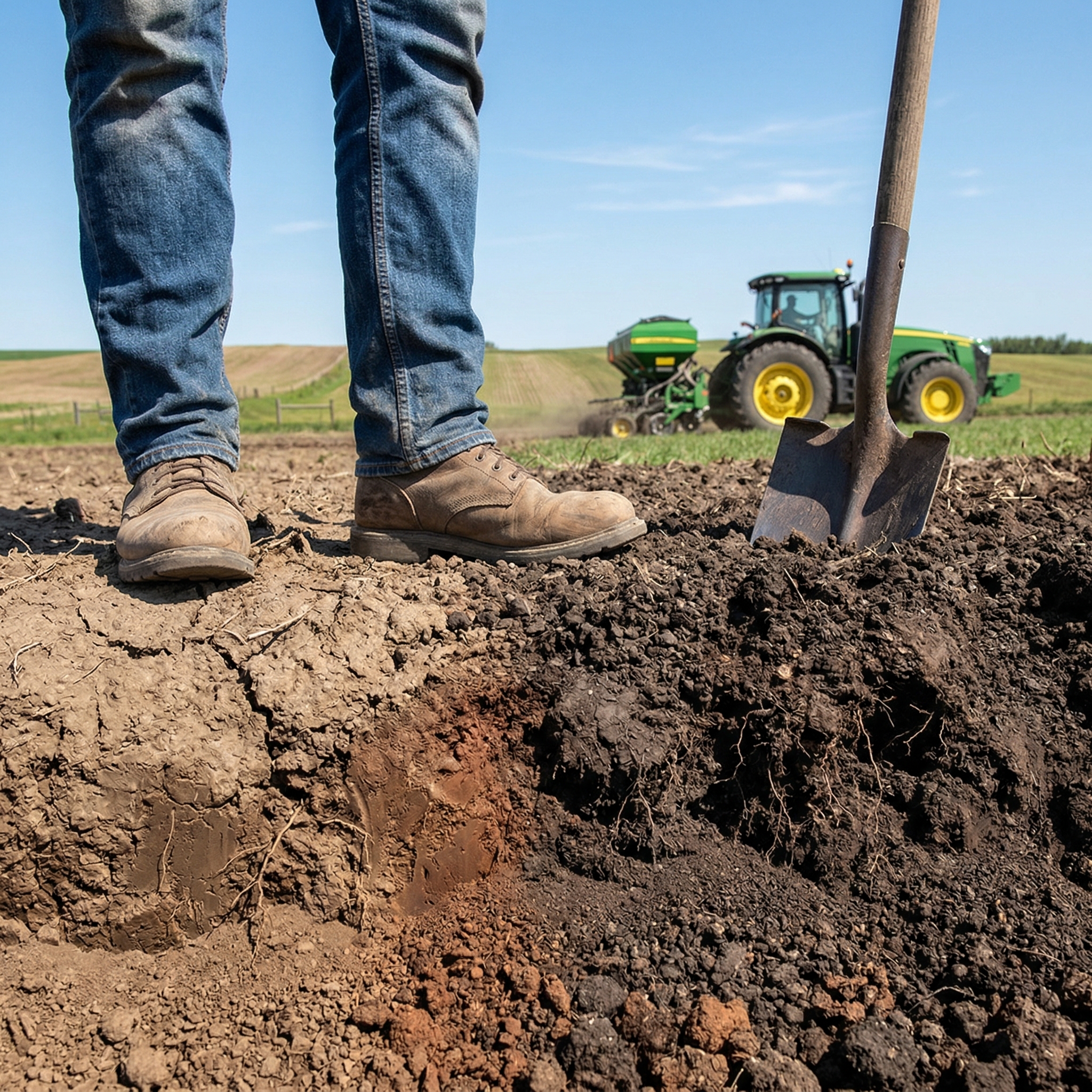
Understanding the Foundation: Why Soil Health Matters

Before diving into specific techniques, it is essential to recognize what constitutes healthy soil and why it matters for everyone involved in farmland leasing and ownership. Soil health management goes beyond simple fertility; it encompasses physical structure, biological activity, water-holding capacity, and the ability to resist degradation.

The Economic Impact of Soil Quality

Healthy soil produces higher yields with fewer inputs. Farmland with well-managed soil commands premium rental rates in competitive markets because tenant farmers recognize the reduced need for expensive amendments and the lower risk of crop failure. Degraded soil, conversely, requires significant capital investment to restore and may sit vacant during auction periods when farmers compare multiple properties. For landowners listing on platforms like Land4Rent, documented soil health becomes a tangible asset that differentiates their property during competitive bidding.

Lease Obligations and Soil Stewardship

Many farmland soil management practices intersect directly with lease terms and responsibilities. Progressive lease agreements now include soil stewardship clauses that outline testing frequency, erosion prevention requirements, and restrictions on practices that deplete soil organic matter. Both landowners and tenants benefit from clarity on these obligations before signing agreements. Tenants who actively improve soil health during their lease term may negotiate favorable renewal terms, while landowners who monitor soil conditions protect their long-term asset value.

Practice 1: Comprehensive Soil Testing and Analysis

You cannot manage what you do not measure. Regular soil testing and analysis provides the objective data needed to make informed decisions about nutrient applications, pH adjustments, and organic matter management.

Establishing a Testing Protocol

A proper soil testing program begins with systematic sampling across representative areas of each field. For most operations, testing should occur every three years at a minimum, with annual testing recommended for high-value crops or fields with known deficiencies. Samples should be collected at consistent depths typically six inches for row crops and three inches for forage and sent to accredited laboratories that provide comprehensive nutrient analysis, including pH, organic matter content, and micronutrient levels.

Interpreting Results and Taking Action

Laboratory reports reveal more than simple nutrient levels. They indicate soil fertility management opportunities through cation exchange capacity measurements, which show the soil's ability to retain nutrients, and organic matter percentages, which correlate directly with water-holding capacity and biological activity. Results should guide precise fertilizer applications that address specific deficiencies rather than broadcast applications based on guesswork. This targeted approach reduces input costs while preventing nutrient runoff that damages waterways.

What Are the Best Soil Management Practices for Testing Frequency?

Testing frequency depends on cropping intensity and historical soil conditions. Fields in active production benefit from annual testing, while pasture or hay ground can extend to three-year intervals. Always test before signing a new lease to establish baseline conditions and test again at lease expiration to document any changes. This creates accountability and protects both parties in farmland rental agreements.

Practice 2: Strategic Cover Cropping Systems

Cover crops for soil health represent one of the most cost-effective interventions available to farmers. These non-cash crops, planted during fallow periods, protect soil from erosion, suppress weeds, fix atmospheric nitrogen, and build organic matter that improves overall soil structure.

Selecting the Right Cover Crop Species

Cover crop selection depends on your specific goals and regional climate. In Canadian farmland contexts, several species excel:

Implementation Timing and Termination

Success with cover crops requires attention to planting windows and termination methods. Most species need four to six weeks of growth before winter to establish adequate root systems. In regions with short growing seasons, interseeding into standing cash crops extends the growing window. Termination timing affects spring planting schedules winter-kill species simplify management, while overwintering covers need mechanical or chemical termination two to three weeks before planting to allow residue decomposition.

How to Manage Soil on Rented Farmland Using Cover Crops

Tenant farmers should discuss cover crop plans with landowners before planting, as these practices benefit long-term soil health but may require modest seed investments. Many progressive lease agreements now include cost-sharing provisions for sustainable soil management practices that improve land value. Document cover crop acres and species in annual reports to landowners as evidence of responsible stewardship.

Practice 3: Erosion Control and Water Management

Soil erosion represents the most visible form of land degradation, removing topsoil faster than natural processes can replace it. Effective soil erosion control methods protect the physical structure that supports all other management practices.

Identifying Erosion-Prone Areas

Not all farmland faces equal erosion risk. Sloped fields, areas with concentrated water flow, and regions with intense rainfall or snowmelt events require targeted intervention. Walk fields after significant rain events to identify gullies, rills, or areas where crop residue has washed away. These problem zones need immediate attention before erosion creates permanent damage that reduces land value and productivity.

Physical Barriers and Conservation Structures

Terracing, grassed waterways, and buffer strips provide permanent erosion control on vulnerable land. Terraces reduce slope length and water velocity, while grassed waterways channel runoff safely through fields. Buffer strips along field edges capture sediment before it reaches watercourses, meeting environmental regulations while protecting soil resources. These structures require an initial investment but provide decades of protection and may qualify for conservation program funding in many provinces.

Management Practices That Reduce Erosion Risk

Beyond physical structures, daily management choices significantly impact erosion rates. Maintaining crop residue on the soil surface protects against raindrop impact and wind. Contour planting follows land contours rather than straight rows, slowing water movement. Strip cropping alternates close-growing crops with row crops to trap sediment. These practices integrate easily into existing operations without major equipment changes.

Practice 4: Balanced Fertility Management

Agricultural soil management depends on maintaining adequate nutrient levels without wasteful over-application that harms both profitability and environmental quality. Modern fertility programs balance immediate crop needs with long-term soil building.

The Four Rs of Nutrient Management

Professional agronomists advocate the Four Rs framework right source, right rate, right time, right place. This approach ensures nutrients reach crops when needed while minimizing losses to leaching or volatilization:

Organic Matter: The Foundation of Soil Fertility

Chemical fertilizers address immediate nutrient needs, but organic matter provides the biological foundation for long-term soil fertility management. Decomposing organic material releases nutrients slowly, improves water retention, enhances soil structure, and supports beneficial microorganisms. Building organic matter requires consistent additions through crop residue, manure applications, compost, or cover crops. In Canadian farmland contexts, increasing organic matter by just one percent can boost water-holding capacity by up to 25,000 gallons per acre.

How Does Soil Management Affect Crop Yield?

Proper fertility management directly correlates with yield potential. Balanced nutrients support vigorous plant growth, strong root systems, and improved stress tolerance. Fields with optimal fertility consistently out-yield depleted soils by 20 to 40 percent, even when other factors remain constant. This yield advantage compounds over lease terms, making fertile farmland more profitable for tenants and more valuable for owners.

Practice 5: Sustainable Tillage Strategies

The debate around no-till vs conventional tillage soil management has evolved beyond simple equipment choices to encompass entire cropping systems. The right tillage approach depends on soil type, climate, crop rotation, and management goals.

Understanding Tillage Impacts on Soil Structure

Conventional tillage aerates soil, controls weeds, and incorporates residue, but repeated disturbance breaks down soil aggregates, accelerates organic matter decomposition, and disrupts beneficial fungal networks. Each tillage pass also compacts subsoil layers, reducing water infiltration and root penetration over time. No-till systems preserve soil structure by leaving residue on the surface and eliminating mechanical disturbance, but they require different weed management strategies and specialized planting equipment.

Reduced Tillage as a Middle Ground

Many operations adopt reduced tillage systems that minimize soil disturbance without fully committing to no-till. Strip tillage disturbs only narrow bands where crops will be planted, leaving most of the field undisturbed. Vertical tillage tools lightly incorporate residue without inverting soil layers. Zone tillage addresses compaction in wheel tracks while preserving structure elsewhere. These approaches provide flexibility for farmers transitioning from conventional systems or managing diverse soil types within the same operation.

What Is Sustainable Soil Management in Tillage Context?

Sustainable soil management in tillage means choosing methods that maintain or improve soil health over time rather than extracting productivity through intensive disturbance. This may look different on heavy clay soils that benefit from occasional deep ripping compared to sandy soils, where any tillage accelerates erosion. The key is matching tillage intensity to actual needs rather than tilling out of habit or tradition.

Equipment and Transition Considerations

Shifting tillage practices requires both equipment adaptation and mental adjustment. No-till planters need sufficient down pressure and residue management attachments to cut through surface residue. Transitioning fields may experience temporary yield reductions during the first two to three years as soil biology adapts and organic matter begins accumulating. Tenant farmers should discuss tillage plans with landowners, as changes affect long-term soil conditions and may require lease agreement modifications. Platforms like Land4Rent facilitate these conversations by providing standardized lease templates that address soil management practices explicitly.

Implementing Soil Management Across Lease Terms

The most effective farmland soil management programs recognize the unique challenges of leased land, where tenant farmers make annual decisions but landowners hold long-term interests. Successful implementation requires clear communication, defined responsibilities, and mutual recognition that soil health benefits both parties.

Documenting Soil Conditions and Improvements

Baseline soil testing at lease commencement establishes objective starting conditions. Annual updates track changes in organic matter, nutrient levels, and pH. Photographic documentation of erosion control structures, cover crop stands, and residue management provides visual evidence of stewardship. These records protect tenants who invest in soil improvement and assure landowners that their asset is being maintained responsibly. Some progressive landowners now offer rent incentives or lease extensions to tenants who demonstrably improve soil health during their tenure.

What Are Soil Management Responsibilities in Lease Agreements?

Well-drafted farmland leases specify exactly who pays for soil testing, covers the cost of erosion control structures, and bears responsibility for maintaining organic matter levels. Common arrangements include landowners covering permanent improvements like terracing while tenants handle annual practices such as cover crops and fertility management. Clarity on these points prevents disputes and encourages appropriate investment by both parties.

Regional Considerations for Canadian Farmland

Canada's diverse agricultural regions present unique soil management challenges that require locally adapted approaches. What works in farmland soil management in Ontario may need significant modification for agricultural soil management Alberta conditions.

Prairie Soil Management Challenges

Western Canadian farmland faces shorter growing seasons, lower precipitation, and intense wind erosion risk. Cover crop selection must account for limited moisture and early frost dates. Residue management becomes critical for snow capture and spring moisture conservation. Salinity management emerges as a concern in many Prairie soils, requiring drainage improvements and salt-tolerant crop rotations.

Eastern Canada Soil Characteristics

Ontario and Quebec farmland generally receives higher rainfall, supporting more diverse crop rotations but creating greater erosion risk on sloped fields. Heavier clay soils benefit from tillage that improves drainage, while lighter soils need continuous cover to prevent wind and water erosion. Shorter winters allow longer cover crop growing windows but also increase the risk of nutrient leaching during wet periods.

How to Improve Soil Health on Farmland in Different Regions

Regional adaptation is essential for success. Prairie farmers prioritize moisture conservation and wind erosion control, using standing stubble and shelterbelts as primary tools. Eastern farmers focus on drainage management and erosion prevention through grassed waterways and buffer strips. Regardless of region, the core principles remain consistent protect the soil surface, maintain organic matter, balance fertility, and minimize erosion.

Monitoring and Measuring Success

Effective soil management requires ongoing assessment to verify that practices deliver intended results. Subjective observations matter, but quantitative measurements provide objective evidence of improvement or decline.

Key Soil Health Indicators

Beyond laboratory nutrient tests, several field-assessable indicators reveal soil condition:

How Often Should Soil Be Tested for Management Decisions?

Routine nutrient testing every three years suffices for stable, well-managed fields. Annual testing benefits fields under intensive production, fields with known deficiencies, or during the first years after implementing new management practices. Always test at consistent times of year to make results comparable across seasons. Spring testing before planting or fall testing after harvest work equally well if maintained consistently.

Economic Analysis of Soil Management Investments

Soil improvement requires upfront investment that may not deliver immediate returns. Understanding the economics helps both landowners and tenants make informed decisions about which practices to prioritize.

Calculating Return on Soil Management

Cover crops typically cost $30 to $60 per acre for seed and planting but can reduce fertilizer needs by $20 to $40 per acre annually while building long-term productivity. No-till systems save fuel and labor costs immediately while improving soil structure over time. Comprehensive soil testing costs $50 to $100 per sample but prevents over-application of fertilizers that may cost hundreds per acre. These investments generally pay for themselves within two to four years while delivering sustained benefits long after the initial cost is recovered.

What Is Soil Management in Agriculture from a Financial Perspective?

From a financial standpoint, soil management in agriculture represents preventive maintenance that protects asset value and productive capacity. Just as building owners invest in roof maintenance before leaks occur, farmland owners and tenants should invest in soil health before yields decline. The cost of rebuilding degraded soil far exceeds the cost of maintaining healthy soil, making proactive management the economically rational choice.

Advanced Practices and Emerging Technologies

Innovation continues reshaping how farmers and landowners approach soil management. While traditional practices remain foundational, new tools and techniques enhance precision and efficiency.

Precision Agriculture Applications

Variable rate fertilizer applications, guided by GPS-referenced soil maps, deliver nutrients only where needed. Yield monitoring data reveals productivity patterns linked to soil characteristics. Drones equipped with multispectral cameras identify stressed areas before problems become visible from ground level. These technologies optimize input costs while improving environmental outcomes, though they require capital investment and technical expertise.

Biological Amendments and Soil Microbiome Management

Growing research highlights the importance of soil biology beyond traditional fertility metrics. Mycorrhizal fungi inoculants improve nutrient uptake. Biological nitrogen fixation reduces synthetic fertilizer needs. Compost tea applications introduce beneficial microorganisms. While evidence supporting these practices continues accumulating, early adopters report improved soil structure and plant health, particularly in degraded soils rebuilding biological function.

What Are Soil Conservation Methods Using Technology?

Modern conservation methods integrate technology at multiple scales. Satellite imagery tracks erosion patterns across large properties. Soil moisture sensors guide irrigation timing. Automated weather stations predict erosion events before they occur. These tools extend human capacity to monitor and respond to soil conditions, though they supplement rather than replace sound fundamental practices.

Conclusion

The five soil management practices outlined here comprehensive testing, strategic cover cropping, erosion control, balanced fertility management, and sustainable tillage provide a framework for protecting and improving farmland productivity across Canada. Implementation requires commitment from both landowners and tenant farmers, clear communication about responsibilities, and recognition that soil health represents a shared asset worth protecting. Fields managed with these principles consistently outperform neglected land in yield, profitability, and long-term value. For landowners, documented soil stewardship increases rental appeal and competitive bidding outcomes, while tenant farmers who invest in soil improvement create lasting benefits that extend beyond individual lease terms.

Ready to connect with farmers who value responsible soil management? List your farmland on Land4Rent and reach tenants committed to protecting your land's long-term productivity through proven stewardship practices.

Read More
Read More

Introduction

Soil is the foundation of agricultural productivity, yet its health is often taken for granted until yields begin to decline. For farmland owners and tenant farmers across Canada, implementing effective soil management practices for farmland is not just about immediate crop performance it represents a long-term investment in land value, lease competitiveness, and environmental stewardship. Whether you own farmland in Ontario's fertile regions or lease acreage in Alberta's prairies, the condition of your soil directly influences profitability, operational costs, and the sustainability of farming operations over decades.

This guide presents five research-backed strategies that improve soil structure, enhance nutrient availability, reduce erosion, and increase water retention. Each practice is designed for practical implementation within the Canadian agricultural context, addressing the unique challenges of diverse climates, cropping systems, and lease arrangements. Understanding these techniques helps landowners maintain competitive rental appeal while giving tenant farmers actionable methods to protect and improve the soil they work with.

Understanding the Foundation: Why Soil Health Matters

Before diving into specific techniques, it is essential to recognize what constitutes healthy soil and why it matters for everyone involved in farmland leasing and ownership. Soil health management goes beyond simple fertility; it encompasses physical structure, biological activity, water-holding capacity, and the ability to resist degradation.

The Economic Impact of Soil Quality

Healthy soil produces higher yields with fewer inputs. Farmland with well-managed soil commands premium rental rates in competitive markets because tenant farmers recognize the reduced need for expensive amendments and the lower risk of crop failure. Degraded soil, conversely, requires significant capital investment to restore and may sit vacant during auction periods when farmers compare multiple properties. For landowners listing on platforms like Land4Rent, documented soil health becomes a tangible asset that differentiates their property during competitive bidding.

Lease Obligations and Soil Stewardship

Many farmland soil management practices intersect directly with lease terms and responsibilities. Progressive lease agreements now include soil stewardship clauses that outline testing frequency, erosion prevention requirements, and restrictions on practices that deplete soil organic matter. Both landowners and tenants benefit from clarity on these obligations before signing agreements. Tenants who actively improve soil health during their lease term may negotiate favorable renewal terms, while landowners who monitor soil conditions protect their long-term asset value.

Practice 1: Comprehensive Soil Testing and Analysis

You cannot manage what you do not measure. Regular soil testing and analysis provides the objective data needed to make informed decisions about nutrient applications, pH adjustments, and organic matter management.

Establishing a Testing Protocol

A proper soil testing program begins with systematic sampling across representative areas of each field. For most operations, testing should occur every three years at a minimum, with annual testing recommended for high-value crops or fields with known deficiencies. Samples should be collected at consistent depths typically six inches for row crops and three inches for forage and sent to accredited laboratories that provide comprehensive nutrient analysis, including pH, organic matter content, and micronutrient levels.

Interpreting Results and Taking Action

Laboratory reports reveal more than simple nutrient levels. They indicate soil fertility management opportunities through cation exchange capacity measurements, which show the soil's ability to retain nutrients, and organic matter percentages, which correlate directly with water-holding capacity and biological activity. Results should guide precise fertilizer applications that address specific deficiencies rather than broadcast applications based on guesswork. This targeted approach reduces input costs while preventing nutrient runoff that damages waterways.

What Are the Best Soil Management Practices for Testing Frequency?

Testing frequency depends on cropping intensity and historical soil conditions. Fields in active production benefit from annual testing, while pasture or hay ground can extend to three-year intervals. Always test before signing a new lease to establish baseline conditions and test again at lease expiration to document any changes. This creates accountability and protects both parties in farmland rental agreements.

Practice 2: Strategic Cover Cropping Systems

Cover crops for soil health represent one of the most cost-effective interventions available to farmers. These non-cash crops, planted during fallow periods, protect soil from erosion, suppress weeds, fix atmospheric nitrogen, and build organic matter that improves overall soil structure.

Selecting the Right Cover Crop Species

Cover crop selection depends on your specific goals and regional climate. In Canadian farmland contexts, several species excel:

Implementation Timing and Termination

Success with cover crops requires attention to planting windows and termination methods. Most species need four to six weeks of growth before winter to establish adequate root systems. In regions with short growing seasons, interseeding into standing cash crops extends the growing window. Termination timing affects spring planting schedules winter-kill species simplify management, while overwintering covers need mechanical or chemical termination two to three weeks before planting to allow residue decomposition.

How to Manage Soil on Rented Farmland Using Cover Crops

Tenant farmers should discuss cover crop plans with landowners before planting, as these practices benefit long-term soil health but may require modest seed investments. Many progressive lease agreements now include cost-sharing provisions for sustainable soil management practices that improve land value. Document cover crop acres and species in annual reports to landowners as evidence of responsible stewardship.

Practice 3: Erosion Control and Water Management

Soil erosion represents the most visible form of land degradation, removing topsoil faster than natural processes can replace it. Effective soil erosion control methods protect the physical structure that supports all other management practices.

Identifying Erosion-Prone Areas

Not all farmland faces equal erosion risk. Sloped fields, areas with concentrated water flow, and regions with intense rainfall or snowmelt events require targeted intervention. Walk fields after significant rain events to identify gullies, rills, or areas where crop residue has washed away. These problem zones need immediate attention before erosion creates permanent damage that reduces land value and productivity.

Physical Barriers and Conservation Structures

Terracing, grassed waterways, and buffer strips provide permanent erosion control on vulnerable land. Terraces reduce slope length and water velocity, while grassed waterways channel runoff safely through fields. Buffer strips along field edges capture sediment before it reaches watercourses, meeting environmental regulations while protecting soil resources. These structures require an initial investment but provide decades of protection and may qualify for conservation program funding in many provinces.

Management Practices That Reduce Erosion Risk

Beyond physical structures, daily management choices significantly impact erosion rates. Maintaining crop residue on the soil surface protects against raindrop impact and wind. Contour planting follows land contours rather than straight rows, slowing water movement. Strip cropping alternates close-growing crops with row crops to trap sediment. These practices integrate easily into existing operations without major equipment changes.

Practice 4: Balanced Fertility Management

Agricultural soil management depends on maintaining adequate nutrient levels without wasteful over-application that harms both profitability and environmental quality. Modern fertility programs balance immediate crop needs with long-term soil building.

The Four Rs of Nutrient Management

Professional agronomists advocate the Four Rs framework right source, right rate, right time, right place. This approach ensures nutrients reach crops when needed while minimizing losses to leaching or volatilization:

Organic Matter: The Foundation of Soil Fertility

Chemical fertilizers address immediate nutrient needs, but organic matter provides the biological foundation for long-term soil fertility management. Decomposing organic material releases nutrients slowly, improves water retention, enhances soil structure, and supports beneficial microorganisms. Building organic matter requires consistent additions through crop residue, manure applications, compost, or cover crops. In Canadian farmland contexts, increasing organic matter by just one percent can boost water-holding capacity by up to 25,000 gallons per acre.

How Does Soil Management Affect Crop Yield?

Proper fertility management directly correlates with yield potential. Balanced nutrients support vigorous plant growth, strong root systems, and improved stress tolerance. Fields with optimal fertility consistently out-yield depleted soils by 20 to 40 percent, even when other factors remain constant. This yield advantage compounds over lease terms, making fertile farmland more profitable for tenants and more valuable for owners.

Practice 5: Sustainable Tillage Strategies

The debate around no-till vs conventional tillage soil management has evolved beyond simple equipment choices to encompass entire cropping systems. The right tillage approach depends on soil type, climate, crop rotation, and management goals.

Understanding Tillage Impacts on Soil Structure

Conventional tillage aerates soil, controls weeds, and incorporates residue, but repeated disturbance breaks down soil aggregates, accelerates organic matter decomposition, and disrupts beneficial fungal networks. Each tillage pass also compacts subsoil layers, reducing water infiltration and root penetration over time. No-till systems preserve soil structure by leaving residue on the surface and eliminating mechanical disturbance, but they require different weed management strategies and specialized planting equipment.

Reduced Tillage as a Middle Ground

Many operations adopt reduced tillage systems that minimize soil disturbance without fully committing to no-till. Strip tillage disturbs only narrow bands where crops will be planted, leaving most of the field undisturbed. Vertical tillage tools lightly incorporate residue without inverting soil layers. Zone tillage addresses compaction in wheel tracks while preserving structure elsewhere. These approaches provide flexibility for farmers transitioning from conventional systems or managing diverse soil types within the same operation.

What Is Sustainable Soil Management in Tillage Context?

Sustainable soil management in tillage means choosing methods that maintain or improve soil health over time rather than extracting productivity through intensive disturbance. This may look different on heavy clay soils that benefit from occasional deep ripping compared to sandy soils, where any tillage accelerates erosion. The key is matching tillage intensity to actual needs rather than tilling out of habit or tradition.

Equipment and Transition Considerations

Shifting tillage practices requires both equipment adaptation and mental adjustment. No-till planters need sufficient down pressure and residue management attachments to cut through surface residue. Transitioning fields may experience temporary yield reductions during the first two to three years as soil biology adapts and organic matter begins accumulating. Tenant farmers should discuss tillage plans with landowners, as changes affect long-term soil conditions and may require lease agreement modifications. Platforms like Land4Rent facilitate these conversations by providing standardized lease templates that address soil management practices explicitly.

Implementing Soil Management Across Lease Terms

The most effective farmland soil management programs recognize the unique challenges of leased land, where tenant farmers make annual decisions but landowners hold long-term interests. Successful implementation requires clear communication, defined responsibilities, and mutual recognition that soil health benefits both parties.

Documenting Soil Conditions and Improvements

Baseline soil testing at lease commencement establishes objective starting conditions. Annual updates track changes in organic matter, nutrient levels, and pH. Photographic documentation of erosion control structures, cover crop stands, and residue management provides visual evidence of stewardship. These records protect tenants who invest in soil improvement and assure landowners that their asset is being maintained responsibly. Some progressive landowners now offer rent incentives or lease extensions to tenants who demonstrably improve soil health during their tenure.

What Are Soil Management Responsibilities in Lease Agreements?

Well-drafted farmland leases specify exactly who pays for soil testing, covers the cost of erosion control structures, and bears responsibility for maintaining organic matter levels. Common arrangements include landowners covering permanent improvements like terracing while tenants handle annual practices such as cover crops and fertility management. Clarity on these points prevents disputes and encourages appropriate investment by both parties.

Regional Considerations for Canadian Farmland

Canada's diverse agricultural regions present unique soil management challenges that require locally adapted approaches. What works in farmland soil management in Ontario may need significant modification for agricultural soil management Alberta conditions.

Prairie Soil Management Challenges

Western Canadian farmland faces shorter growing seasons, lower precipitation, and intense wind erosion risk. Cover crop selection must account for limited moisture and early frost dates. Residue management becomes critical for snow capture and spring moisture conservation. Salinity management emerges as a concern in many Prairie soils, requiring drainage improvements and salt-tolerant crop rotations.

Eastern Canada Soil Characteristics

Ontario and Quebec farmland generally receives higher rainfall, supporting more diverse crop rotations but creating greater erosion risk on sloped fields. Heavier clay soils benefit from tillage that improves drainage, while lighter soils need continuous cover to prevent wind and water erosion. Shorter winters allow longer cover crop growing windows but also increase the risk of nutrient leaching during wet periods.

How to Improve Soil Health on Farmland in Different Regions

Regional adaptation is essential for success. Prairie farmers prioritize moisture conservation and wind erosion control, using standing stubble and shelterbelts as primary tools. Eastern farmers focus on drainage management and erosion prevention through grassed waterways and buffer strips. Regardless of region, the core principles remain consistent protect the soil surface, maintain organic matter, balance fertility, and minimize erosion.

Monitoring and Measuring Success

Effective soil management requires ongoing assessment to verify that practices deliver intended results. Subjective observations matter, but quantitative measurements provide objective evidence of improvement or decline.

Key Soil Health Indicators

Beyond laboratory nutrient tests, several field-assessable indicators reveal soil condition:

How Often Should Soil Be Tested for Management Decisions?

Routine nutrient testing every three years suffices for stable, well-managed fields. Annual testing benefits fields under intensive production, fields with known deficiencies, or during the first years after implementing new management practices. Always test at consistent times of year to make results comparable across seasons. Spring testing before planting or fall testing after harvest work equally well if maintained consistently.

Economic Analysis of Soil Management Investments

Soil improvement requires upfront investment that may not deliver immediate returns. Understanding the economics helps both landowners and tenants make informed decisions about which practices to prioritize.

Calculating Return on Soil Management

Cover crops typically cost $30 to $60 per acre for seed and planting but can reduce fertilizer needs by $20 to $40 per acre annually while building long-term productivity. No-till systems save fuel and labor costs immediately while improving soil structure over time. Comprehensive soil testing costs $50 to $100 per sample but prevents over-application of fertilizers that may cost hundreds per acre. These investments generally pay for themselves within two to four years while delivering sustained benefits long after the initial cost is recovered.

What Is Soil Management in Agriculture from a Financial Perspective?

From a financial standpoint, soil management in agriculture represents preventive maintenance that protects asset value and productive capacity. Just as building owners invest in roof maintenance before leaks occur, farmland owners and tenants should invest in soil health before yields decline. The cost of rebuilding degraded soil far exceeds the cost of maintaining healthy soil, making proactive management the economically rational choice.

Advanced Practices and Emerging Technologies

Innovation continues reshaping how farmers and landowners approach soil management. While traditional practices remain foundational, new tools and techniques enhance precision and efficiency.

Precision Agriculture Applications

Variable rate fertilizer applications, guided by GPS-referenced soil maps, deliver nutrients only where needed. Yield monitoring data reveals productivity patterns linked to soil characteristics. Drones equipped with multispectral cameras identify stressed areas before problems become visible from ground level. These technologies optimize input costs while improving environmental outcomes, though they require capital investment and technical expertise.

Biological Amendments and Soil Microbiome Management

Growing research highlights the importance of soil biology beyond traditional fertility metrics. Mycorrhizal fungi inoculants improve nutrient uptake. Biological nitrogen fixation reduces synthetic fertilizer needs. Compost tea applications introduce beneficial microorganisms. While evidence supporting these practices continues accumulating, early adopters report improved soil structure and plant health, particularly in degraded soils rebuilding biological function.

What Are Soil Conservation Methods Using Technology?

Modern conservation methods integrate technology at multiple scales. Satellite imagery tracks erosion patterns across large properties. Soil moisture sensors guide irrigation timing. Automated weather stations predict erosion events before they occur. These tools extend human capacity to monitor and respond to soil conditions, though they supplement rather than replace sound fundamental practices.

Conclusion

The five soil management practices outlined here comprehensive testing, strategic cover cropping, erosion control, balanced fertility management, and sustainable tillage provide a framework for protecting and improving farmland productivity across Canada. Implementation requires commitment from both landowners and tenant farmers, clear communication about responsibilities, and recognition that soil health represents a shared asset worth protecting. Fields managed with these principles consistently outperform neglected land in yield, profitability, and long-term value. For landowners, documented soil stewardship increases rental appeal and competitive bidding outcomes, while tenant farmers who invest in soil improvement create lasting benefits that extend beyond individual lease terms.

Ready to connect with farmers who value responsible soil management? List your farmland on Land4Rent and reach tenants committed to protecting your land's long-term productivity through proven stewardship practices.

Read More
Read More
Explore All Legal Articles
Login