%20(1).svg)

.svg)

Introduction
Finding farmland to rent in Canada is one of the most pressing operational challenges farmers face today. Whether you are looking to expand an existing operation, launch a new venture, or simply access additional acreage for a single growing season, the search process can feel opaque, fragmented, and heavily dependent on who you know. Opportunities get filled through quiet conversations, handshake agreements, and local networks that many farmers never have access to.
This guide breaks down every meaningful channel available to Canadian farmers searching for rental farmland, from traditional word-of-mouth and classified listings to modern digital marketplaces built specifically for agricultural leasing. By the end, you will know exactly where to look, how to approach each channel effectively, and how to avoid wasting time on dead ends.
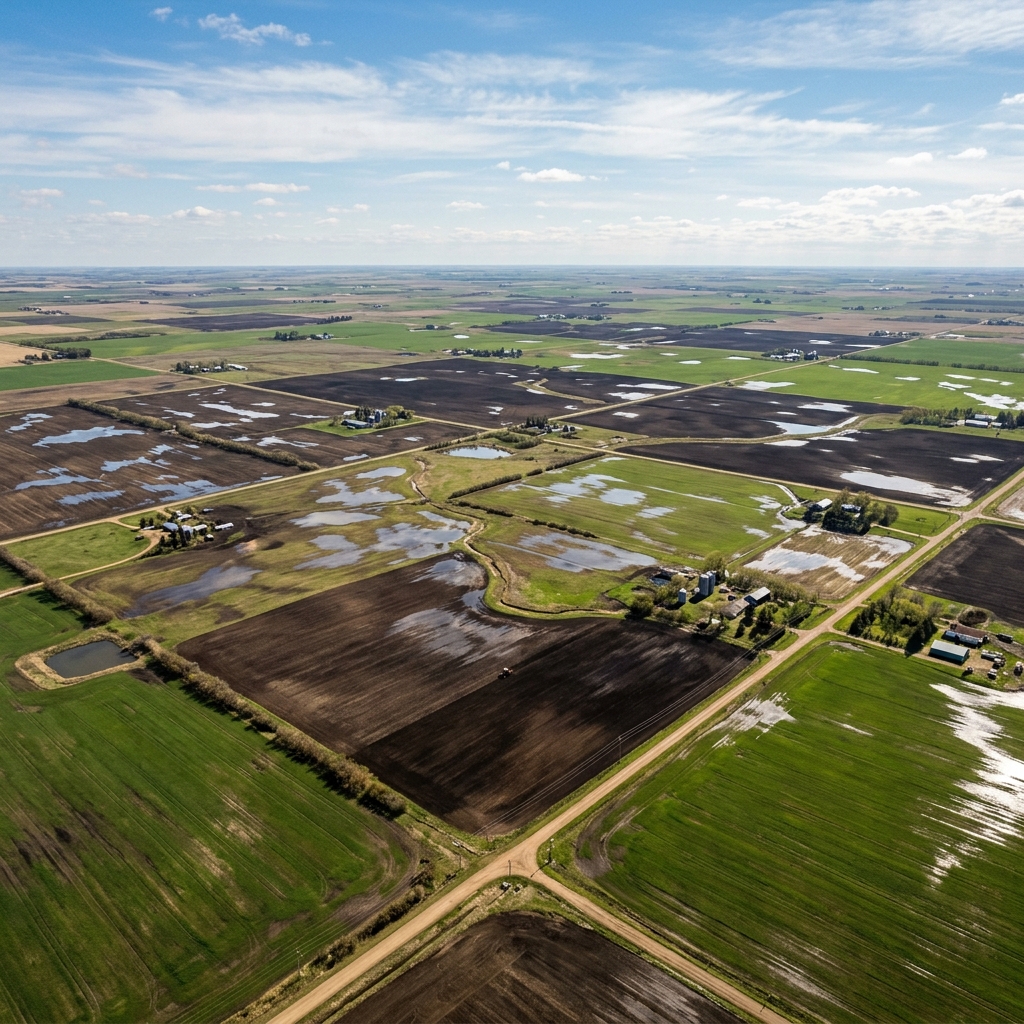
Why Finding Farmland to Rent Is Harder Than It Should Be
The farmland rental market in Canada has historically operated without much infrastructure. Unlike residential or commercial real estate, agricultural land rarely moves through formal listing services. Many landowners prefer informal arrangements, and a significant portion of available acreage never gets advertised at all. This creates a market where access is unevenly distributed, and farmers without deep local ties are consistently at a disadvantage.
The Hidden Market Problem
A large share of farmland rental transactions in Canada happen off market. A landowner mentions to a neighbor that they are thinking of leasing their parcel, and within days it is spoken for. This informal pipeline works well for farmers who are already embedded in local agricultural communities, but it excludes newer operators, young farmers, and anyone relocating to a region where they have not yet built relationships. Understanding that this hidden market exists is the first step toward developing a search strategy that goes beyond passive waiting.
What Farmers Are Actually Competing For
Demand for farmland for rent in Canada consistently outpaces visible supply. In high-productivity regions like southern Ontario, the Peace Country in Alberta, and the grain belt in Saskatchewan, competition for available parcels is significant. Landowners in these areas often have no shortage of interested tenants, which means farmers need to be proactive, well prepared, and quick to move when opportunities surface. Knowing this competitive reality should shape how aggressively you pursue each channel in this guide.
Traditional Channels for Finding Rental Farmland
Despite the rise of digital tools, traditional methods remain genuinely useful for finding farmland to rent, particularly in rural communities where personal relationships still drive most transactions. These channels should not be dismissed, but they work best when used systematically rather than casually.
Local Networks and Word-of-Mouth
Your existing relationships are often your most efficient search tool. Talking to neighboring farmers, grain elevator operators, equipment dealers, agricultural lenders, and local agronomists can surface opportunities that never reach any public listing. These individuals often know before anyone else which landowners are considering retirement, scaling back, or looking for new tenants. The key is being specific about what you are looking for: acreage range, soil type, crop type, preferred region, and lease term. Vague inquiries get vague results.
Agricultural Classifieds and Print Publications
Publications like the Western Producer, Country Guide, and various provincial agricultural newspapers still carry classified listings for land rentals. Local agricultural societies and farm bureaus often maintain bulletin boards, physical or digital, where landowners post available parcels. These sources tend to reflect genuine intent since landowners who go to the effort of placing an ad are actively looking for tenants. Check them consistently rather than sporadically, as listings can move quickly in competitive markets.
Municipal and County Agricultural Offices
Many municipalities and rural counties maintain informal lists of landowners seeking tenants or can connect you with the right contacts. Some provincial governments run land matching programs specifically designed to connect retiring farmers with new operators. In Saskatchewan, for example, the Saskatchewan Farmland Security Board and related provincial resources can help navigate land access opportunities. These programs are underutilized and often worth a direct phone call.
Searching for Farmland to Rent by Province
Canada's agricultural landscape varies dramatically from province to province, and so do the best search strategies. What works in Ontario may not apply in Alberta or British Columbia. Knowing the regional landscape helps you focus your efforts where they are most likely to produce results.
Renting Farmland in Ontario
Ontario has one of the most competitive farmland rental markets in the country, particularly in the southwest. To rent farmland in Ontario, you need to move quickly and be prepared to negotiate. The Ontario Federation of Agriculture OFA is a useful starting point for resources and networking. Local agricultural land trusts and conservation authorities sometimes manage parcels available for lease, particularly for farmers operating with organic or regenerative practices. Online platforms have made a measurable difference in Ontario's rental market by bringing listings into a searchable, centralized format.
Leasing Farmland in Alberta
Alberta offers a mix of Crown land leases and private farmland rentals, making the search more layered than in some other provinces. To lease farmland in Alberta, you will want to engage with the Alberta Land Status Automated System LSAS for Crown land inquiries and connect with local agricultural service boards. Private rentals in Alberta are often handled informally, which makes active networking in communities around Lethbridge, Red Deer, and the Peace Region particularly important. Auction-based rental systems are gaining traction in Alberta as a way to establish fair market pricing transparently.
Finding Farmland Rental in Saskatchewan
Farmland rental in Saskatchewan is shaped by the province's scale. With millions of cultivated acres, there is more available land here than in many other provinces, but it is also geographically dispersed. The Farm Land Security Board and Farm Ownership page on the Saskatchewan government website outlines the board's role in administering farm foreclosure protection, home quarter protection, and farm ownership legislation, all of which directly shape how land changes hands and becomes available for lease in the province. The Saskatchewan Land Resources Centre and the Saskatchewan Soil Conservation Association are good entry points. Many Saskatchewan landowners live off farm or out of province, which means they are often more open to digital-first leasing arrangements and do not necessarily require a pre-existing personal relationship with the tenant.
Digital Platforms and Online Farmland Leasing
The most significant shift in how Canadian farmers find rental farmland has come from online farmland leasing platforms. These tools bring supply and demand together in a structured, searchable environment that reduces the information gap between landowners and farmers. Not all platforms are created equal, but the best ones offer verified listings, transparent pricing, and tools that simplify the entire leasing process from search to a signed agreement.
What a Dedicated Farmland Leasing Platform Offers
General classifieds like Kijiji or Craigslist occasionally carry farmland listings, but they lack the structure that agricultural leasing actually requires. A purpose-built farmland leasing platform provides searchable filters for acreage, soil class, crop type, and province. More importantly, platforms designed specifically for agriculture can offer verification processes that confirm both listings and tenant identities, removing a layer of risk that informal channels simply cannot address. For farmers, this means less time chasing listings that turn out to be misrepresented or already taken.
How Competitive Bidding Changes the Search Dynamic
One of the more meaningful innovations in digital farmland marketplaces is the introduction of rental auctions. Rather than negotiating privately with a landowner who may have no reliable reference point for current market rates, farmers can participate in a competitive bidding process where the rental rate reflects genuine market demand. FCC's analysis of crop sharing and cash rate land rental agreements shows that private negotiations frequently anchor rates to multi-year locked-in benchmarks that no longer reflect current market conditions, making transparent, competitive pricing a meaningful improvement for both farmers and landowners. This transparency benefits both sides: landowners get fair value, and farmers can make informed decisions about what a parcel is actually worth to their operation. Land4Rent operates this kind of live online auction system specifically for Canadian farmland, with verified listings and automated lease generation built into the same workflow.
Evaluating Verified Farmland Listings
Verified farmland listings are a meaningful differentiator when comparing search channels. When a listing has been reviewed and confirmed by the platform team, you can proceed with greater confidence that the acreage exists as described, the owner is legitimate, and the terms are enforceable. Always look for platforms that specify what their verification process actually involves rather than using "verified" as a vague trust signal. Ask whether soil data, legal land descriptions, and ownership documentation are part of the review before engaging seriously with any listing.
Building a Systematic Search Strategy
No single channel will consistently deliver the right opportunities on its own. The farmers who find good rental land reliably are the ones who treat the search as an ongoing process, not a one-time event. A layered approach that combines digital tools with active local networking gives you the widest possible coverage of the available market.
How to Approach Landowners Directly
Cold outreach to landowners is underused and often effective. Land title registries in most provinces are publicly accessible and allow you to identify who owns specific parcels. A brief, professional letter introducing yourself, describing your farming background, and expressing genuine interest in leasing land goes further than most farmers expect. Landowners who have never formally listed their land are sometimes open to tenancy when approached by someone who presents credibly and respectfully.
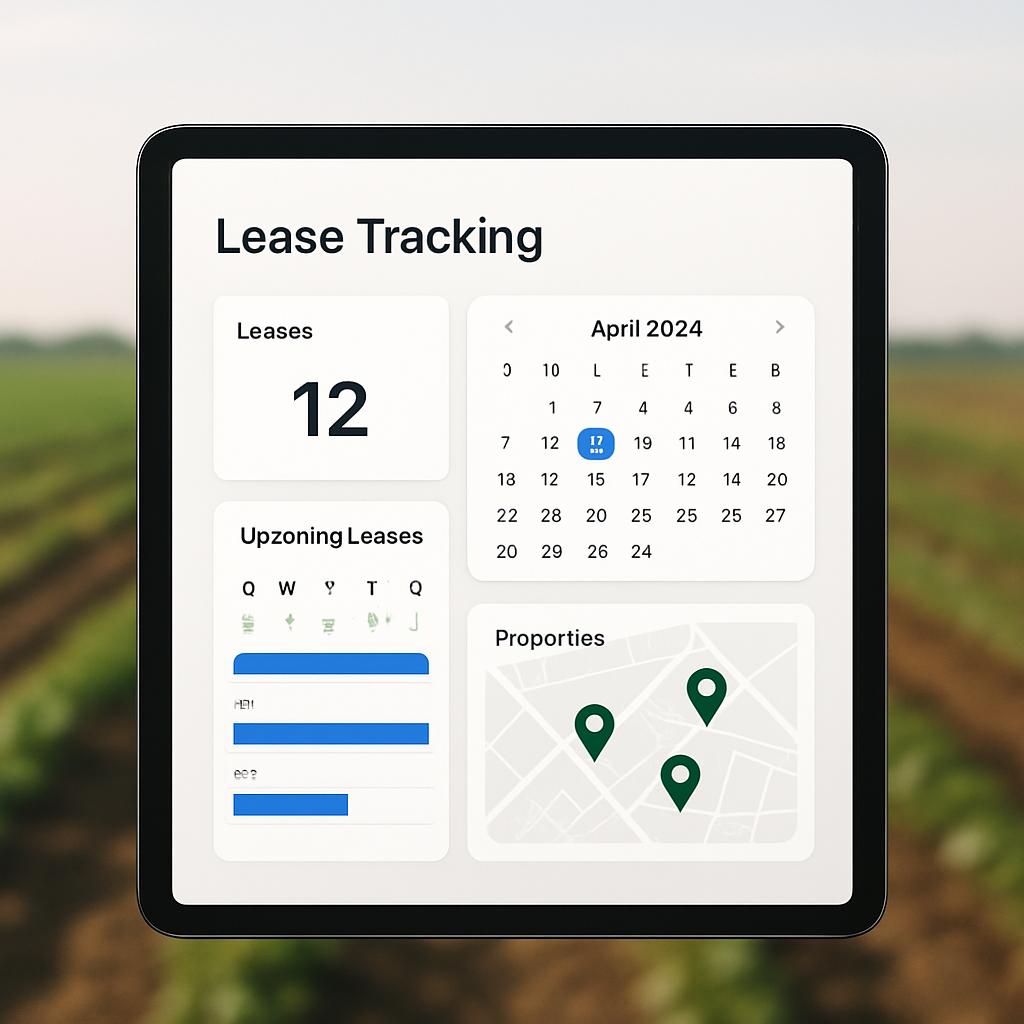
Land4Rent's platform connects farmers with landowners who have already opted into the leasing process, which removes the awkwardness of unsolicited outreach for those who prefer a more structured approach.
Conclusion
Finding farmland to rent in Canada requires more than luck and patience. It demands a structured, multi-channel approach that combines the relationship-based strengths of local networking with the transparency and reach of modern digital platforms. Start with your immediate network, layer in provincial resources, and make use of purpose-built online farmland leasing tools that offer verified listings and competitive pricing rather than guesswork. The farmers who consistently access good rental land are the ones who stay organized, stay active, and treat the search as a core part of running their operation.
Ready to start searching? Browse verified farmland listings on Land4Rent and find available acreage in your region today.
Frequently Asked Questions (FAQs)
How to find farmland to rent in Canada?
Start with local agricultural networks, provincial land programs, and agricultural classifieds. Pairing these with a dedicated online platform like a farmland rental marketplace gives you the broadest coverage of available listings across provinces.
Where can farmers find land to rent near their current operation?
Land title registries, local agricultural offices, and digital farmland platforms with location-based search filters are all practical starting points for locating rental land within a specific geographic range.
How to lease farmland in Canada as a newer operator?
Newer operators often benefit most from digital platforms that do not rely on pre-existing relationships. Verified marketplace listings and rental auctions allow you to compete on equal footing with more established farmers.
Can I rent farmland without owning equipment?
Yes, some landowners offer custom farming arrangements or are open to tenants who subcontract field work. Be upfront about your operational setup when making inquiries so landowners can assess fit appropriately.
How much does it cost to rent farmland in Canada?
Rental rates vary significantly by province, soil quality, and crop type. In competitive regions like southern Ontario or Saskatchewan's prime grain belt, rates per acre can range from under $100 to several hundred dollars depending on the land class and current market demand.
How do I find farm land for rent near me?
Use online platforms that support geographic search filters, and supplement with direct outreach to your municipal agricultural office and neighboring landowners. Combining digital and local channels consistently produces the best results.
Is there farmland for rent near Calgary?
Yes, agricultural land is available for rent in the regions surrounding Calgary, including Foothills County, Rocky View County, and areas extending toward the Peace Country. Alberta-focused agricultural networks and online leasing platforms are your best search starting points.
What is the difference between Land4Rent vs traditional farmland leasing?
Traditional leasing relies on personal connections, private negotiations, and informal agreements, while a platform like Land4Rent uses verified listings, competitive bidding, and automated lease generation to make the entire process transparent and structured.
What is the best farmland rental marketplace in Canada?
The best platform is one that offers verified listings, transparent rental pricing, and tools to complete the lease from search to signed agreement. Purpose-built agricultural platforms that serve both landowners and farmers provide more reliability than general classifieds.
How to verify farmland tenants before agreeing to a lease?
Landowners should request references from previous landlords, review the farmer's operational history, and use platforms that include tenant verification as part of their onboarding process. Formal lease agreements with clearly defined terms are also essential regardless of how the tenant was found.

.png)



.svg)


.svg)