%20(1).svg)

.svg)

Introduction
When evaluating a lease for farmland in Canada, the first practical question is the soil. Good leasing decisions depend on understanding types of soil on the parcel, how they drain, and how they respond to cultivation. In this guide I use real field practices to explain common Canadian soil textures, how to test them, and what lease clauses help protect long term soil health. Early in any conversation mention the dominant surface material: loam dirt, sandy loam, or heavier clay soil type. These names matter for cropping choices, risk allocation, and stewardship duties.
What are the types of soil?
At a high level farmers and landowners usually talk about three textures: sand, silt, and clay. Practically, most fields are blends, commonly called loam and its variants such as loam sandy or clay loam sand. A simple way to list common commercial names you will hear in Canada is: sandy soil clay soil, loam soil type, and silt clay loam. Each combination has different water holding, workability, and fertility behavior, so naming the type on any lease helps set expectations.
How to classify soil types on a field
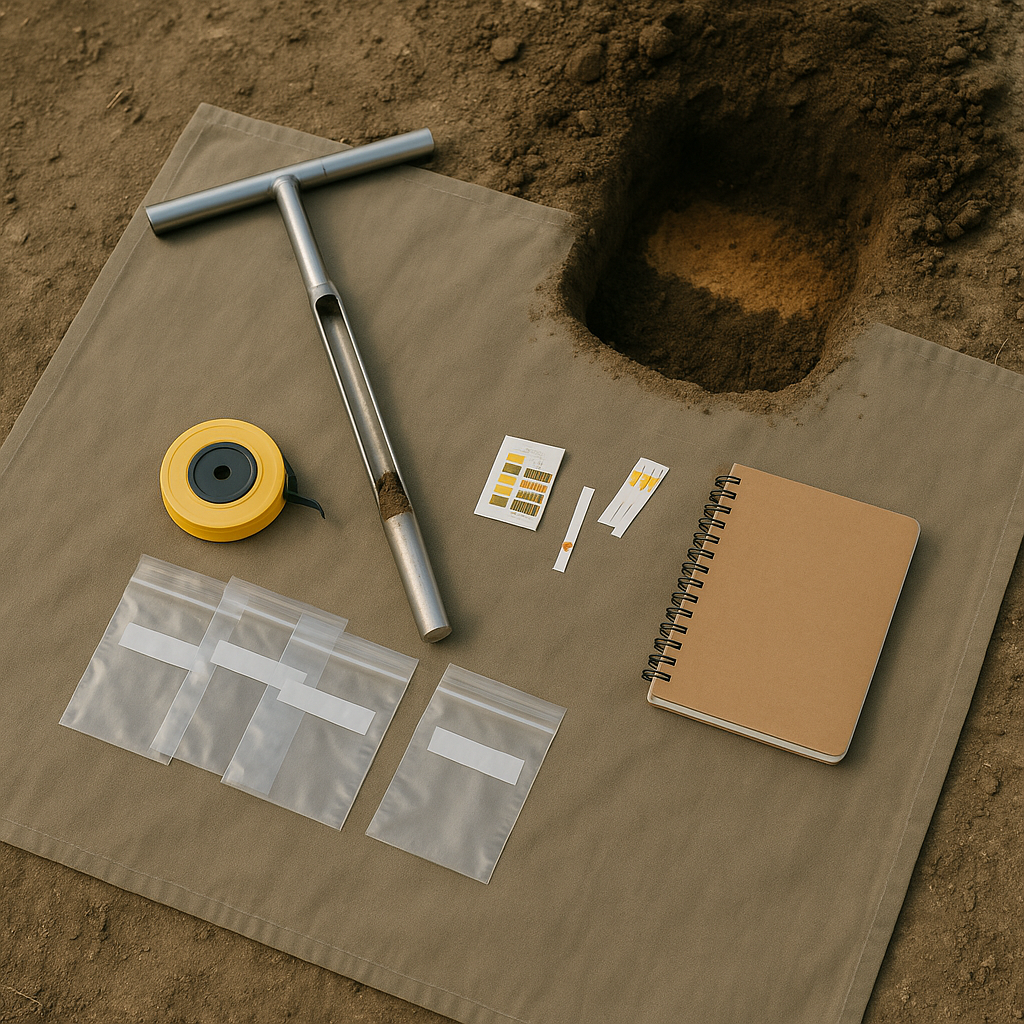
Classifying soil for a lease does not require a university lab. Start with three basic field checks farmers use for quick judgement. First, the ribbon test for texture tells you how much clay versus silt you have. Second, the feel and drainage test helps identify sandy loam dirt versus compacted clay loam. Third, a visual test of structure, color, and organic matter estimates fertility. Document these simple tests before signing a lease and attach results to the contract.
When you need more certainty, request a lab analysis showing particle size distribution and a basic nutrient panel. Use the results to define terms in the lease such as acceptable erosion rate, baseline organic matter, and a plan for remediation if compaction or contamination is found.
Common Canadian soil varieties by region
Canada spans many soil environments. The Prairie provinces offer vast areas of Saskatchewan loam dirt and Alberta sandy loam soil that often support cereals and oilseeds. Manitoba includes pockets of heavier Manitoba clay loam farmland in low-lying river valleys. Ontario and Quebec have diverse soils from loam and silt mixes to deeper clay and loam on glacial tills. British Columbia has localized BC silt soil types in valley bottoms and coastal terraces. When you negotiate a lease, name the expected regional class and allow a short inspection period for the tenant to confirm.
For prairie leases, drainage and organic matter rules are critical. In eastern Canada, compaction and topsoil depth matter more for specialty crops. A lease that treats all regions the same will create problems, so use region-specific soil terms when possible.
Soil textures and what they mean for crops
Understanding texture helps predict crop fit and management needs. Sandy loam warms quickly in spring and drains well, ideal for early seedings but prone to drought without organic matter. Clay loam holds nutrients and water but can stay cold and wet, which increases compaction risk in spring. Loam in the middle generally offers the best balance of drainage and fertility for a wide range of crops. For lease negotiations, list which textures are present and how they will be managed under different weather scenarios.
Compare options before deciding what to plant: a rotation that suits clay loam and sandy soil across a field may call for strip cropping or variable seeding depths. Talk about who assumes the risk of a failed crop due to texture mismatches, and how to adjust rent or input cost sharing to reflect that risk.
How soil type affects lease terms and responsibilities
Lease clauses should reflect soil reality. For example, fields with large areas of sandy silt may require higher investments in irrigation or cover crops. Heavier clay soil type needs traffic management to avoid compaction. Leases commonly specify who pays for amendments, tile drainage repairs, erosion control, and subsoiling. Insist on inspecting the soil within a set time after signing and include an inventory of problem areas with photos attached to the lease.
Typical responsibilities to negotiate include maintaining topsoil depth, limiting fall tillage on wet heavy soils, and specifying remediation if the tenant leaves the land in worse condition. Consider a clause that ties a portion of rental adjustment to measured changes in organic matter or soil structure over multiyear terms.
Practical soil tests you can do before signing a lease
Before committing to a multi-year lease, run a few low-cost tests that reveal practical differences between loam silt, clay loam, and sandy loam. These quick checks help both parties agree on condition and tasks.
- Ribbon test: squeeze moist soil to form a ribbon, longer ribbon indicates more clay.
- Percolation test: dig a small hole, fill with water and time drainage to estimate permeability for sandy loam dirt.
- Bulk density check: use a simple core sampler or auger to estimate compaction and root zone depth for clay loam sand mixes.
- In-field pH strip: measure acidity to determine liming needs, which varies by soil types and characteristics.
- Topsoil depth probe: measure from surface to compacted subsoil to set baseline for erosion or tillage damage claims.
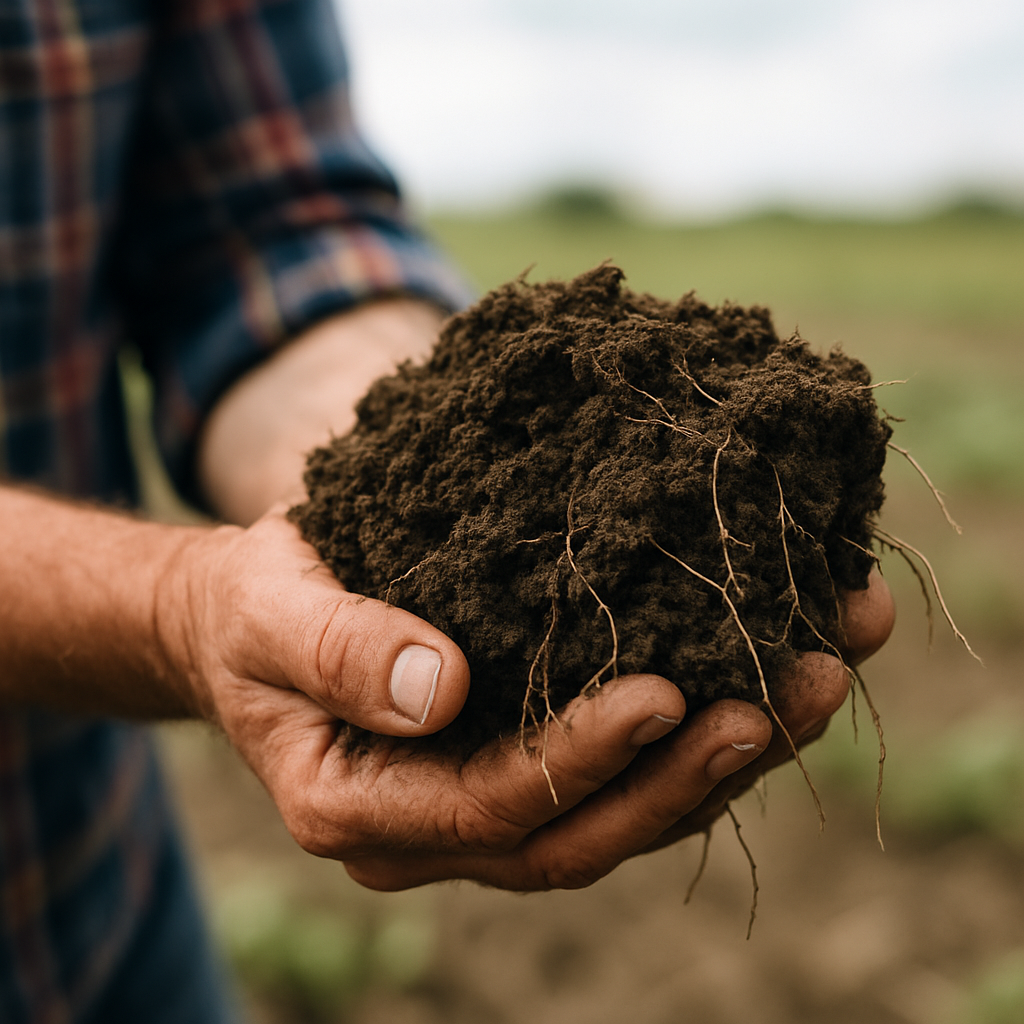
- Organic matter glance test: dark, crumbly soil usually signals higher organic content and better resilience under drought.
Attach any found results to the lease as a baseline. If either party disputes a field test, the lease can allow a formal lab analysis at shared cost.
Managing soil: amendments, crop choice, and stewardship
Effective management varies by type. For loam soil type, focus on rotation and residue management. For sandy loam add organic matter and consider mulches to retain moisture. For clay loam improve structure through gypsum where appropriate and minimize heavy traffic when wet. Stewardship plans that specify cover crop mixes and timing, and that allocate costs and responsibilities, reduce disputes and maintain productivity for both landowner and tenant.
Below is a practical list of long term practices to include in leases or a stewardship appendix. These help both parties preserve land value and crop yields.
- Regular organic matter building, with target percentages adjusted to the starting soil types and characteristics.
- Rotation plans that match crops to texture, for example roots and forages on clay loam and sand.
- Erosion control measures such as buffer strips or contour seeding on sloped loam and silt areas.
- Traffic management rules to prevent compaction on wet clay soil type zones.
- Planned inputs for nutrients and lime based on soil tests, with cost-sharing spelled out.
- Periodic soil health checks every 2 to 4 years to spot trends and adapt the stewardship plan.
Mentioning a management service, for example Land4Rent, can help both parties document inspections and capture test results in a clear record, but any service choice should remain optional and mutually agreed.
Checklist for negotiating and documenting soil concerns
Before finalizing a lease, walk the field with a checklist focused on soil. Clear documentation avoids surprises and reduces costly disputes. Below are items to confirm and include in the written agreement.
- Baseline soil tests attached to the lease, including texture, pH, organic matter, and nutrient levels.
- Topsoil depth map and identified erosion hotspots that may require repair.
- Drainage and tile maps, with responsibility for repair and replacement stated.
- Specific stewardship practices required, and how costs will be split or reimbursed.
- Timing restrictions for heavy operations on clay loam or poorly drained sites.
- Agreement on dispute resolution steps for soil condition disagreements, including third party lab tests.
Use these items to build a short soil appendix that both parties sign. A clear appendix reduces the chance a tenant unintentionally degrades land value, and it gives landlords a practical mechanism to enforce care standards.
Conclusion
Soil does not change overnight, so leases should think long term. Track organic matter, compaction, and drainage investments over multiple years. Consider linking a portion of rent to measurable improvements or declines in soil health. When renewing a lease, compare new test results to the baseline and adjust responsibilities and rent to reflect real improvements or deterioration in the soil.
Both landowners and tenants benefit from predictable rules. If a lease requires the tenant to build organic matter by a certain amount, include acceptable methods, timeframes, and verification steps. If a landlord invests in tile or major drainage, record the capital expense and decide how it will affect future rent or ownership.
Go to Land4Rent to easily rent or let a Farmland!
Frequently Asked Questions (FAQs)
What are the 3 types of soil?
The three basic soil textures are sand, silt, and clay, and most fields are blends like loam.
How to classify soil types?
Use simple field tests such as the ribbon test, feel and drainage checks, and a lab particle size analysis for a precise classification.
What is loam soil?
Loam is a balanced mix of sand, silt, and clay that usually provides good drainage and fertility for many crops.
What is sandy loam?
Sandy loam contains enough sand to drain quickly and warm early, but also enough silt and clay to hold nutrients when organic matter is present.
Can sandy loam be used for crops?
Yes, sandy loam dirt can support many crops but often benefits from added organic matter and careful moisture management.
Is clay loam good for agriculture?
Clay loam holds moisture and nutrients well, but it may need careful timing of field operations to avoid compaction and poor seedbed conditions.
How to identify soil types?
Identify soil by feel, ribbon tests, drainage observation, and confirm with a lab particle size analysis or soil map.
What is the best soil type for farming?
The "best" depends on the crop, but loam is often preferred for its balance of drainage and fertility for many rotations.
How many types of soil are there?
There are many classification systems, but commonly soils are grouped by texture, horizon development, and parent material into dozens of named types.
How to test soil type for renting land?
Run a few field tests, take samples for lab analysis, and document results in the lease appendix to set a clear baseline.

.jpg)
.png)


.svg)


.svg)