Farming & Agriculture
10 min read

Farmland Auctions Explained: A Transparent Way for Landowners and Farmers to Connect

This article explains how online and in-person farmland auctions work, why they improve price discovery, and what each party must prepare. It includes tips for bidding, setting soil and stewardship terms, and structuring binding lease agreements. It also provides guidance on choosing platforms, managing long-term care, and ensuring transparent, enforceable outcomes.

Published On
March 27, 2026
Written By
Rebecca Matthews

Introduction

For landowners and operators looking for clear, efficient ways to match land with farmers, auctions bring transparency to price discovery and terms. Modern approaches include both in-person and online auctions run on specialized auction websites and auction sites. This guide explains how those options work in real settings, what responsibilities fall on each side of a farm lease auction, and how soil and long-term stewardship can be written into bidding and lease terms.

How do farmland auctions work?

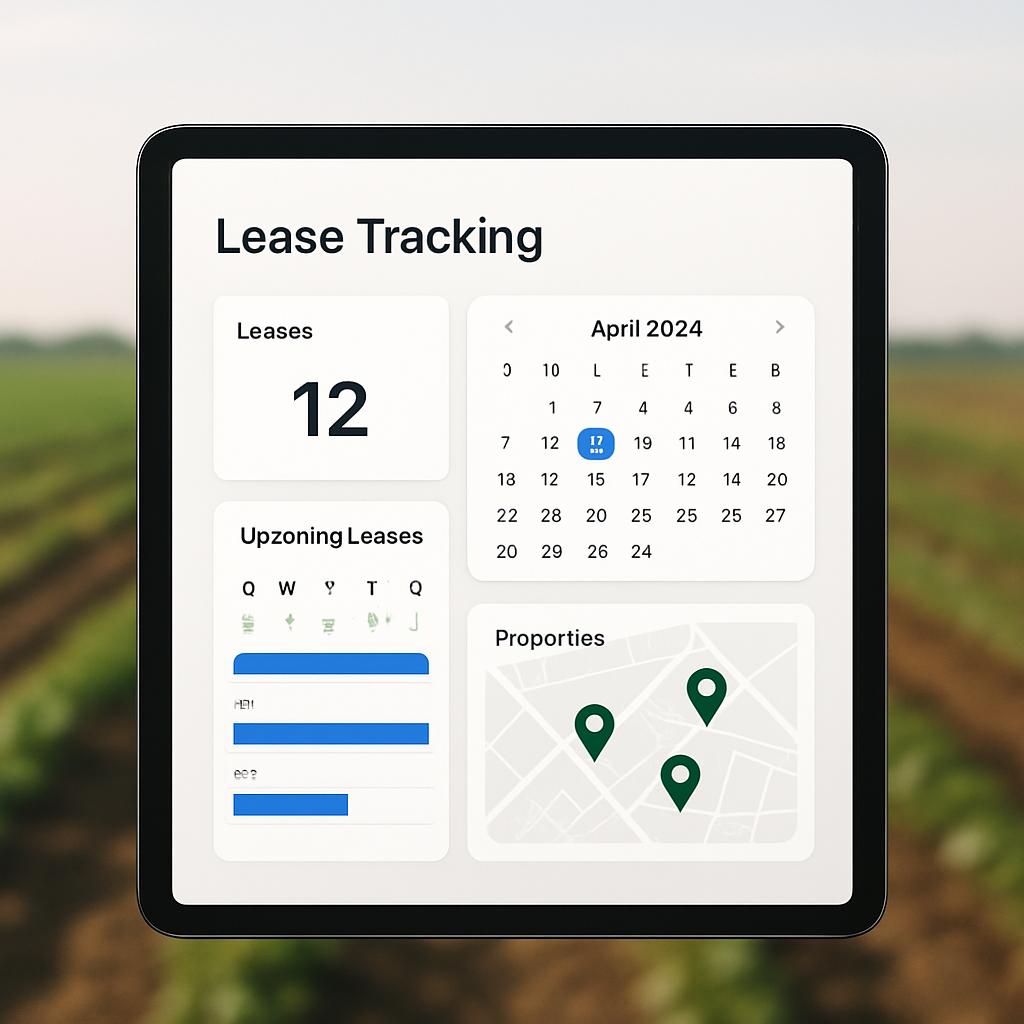
At a basic level, farmland auctions let sellers or lessors invite multiple buyers or tenants to compete for land by offering a price or lease terms. An auction can be for sale or for a lease term such as a multi-year farm tenancy. In many cases an auction will be advertised through an online auction site or a local listing, with dates, legal parcel information, and any lease conditions published in advance.

Can I bid on farmland online?

Yes, many platforms accept remote bidders through online auction sites and online bidding sites. You will typically register, provide identification and sometimes financial credentials, then join the live event or enter sealed bids depending on the format.
Online auctions versus traditional farm leases

Both methods have strengths. Traditional negotiated leases rely on local relationships, word of mouth, and direct negotiation. Online auctions and structured events increase reach, often attract more competitive offers, and create a clear record of bids and final terms. However, auctions can favor bidders who understand the platform rules, and they require clear documentation to avoid disputes after the event.

When comparing systems, consider the level of transparency you want, the administrative work you can handle, and whether you need additional screening for bidders. Online auction platforms often include verification tools, but landowners still need to vet credit, references, and commitment to stewardship.

Preparing your land for auction and soil responsibilities

Before listing land in any auction, outline nonnegotiable conditions that protect soil health and long term productivity. Well-defined expectations reduce confusion, limit disputes, and attract responsible bidders who plan for sustainable use.

Use this checklist to prepare your parcel and lease terms. The list explains practical items you should have in place before an auction.

  • Document parcel boundaries, legal descriptions, and access points.
  • Provide recent soil tests and maps showing drainage and erosion risks.
  • List conservation features: wetlands, riparian buffers, terraces, or shelterbelts.
  • Outline acceptable crop rotations, fertilizer and pesticide limits, and grazing pressures.
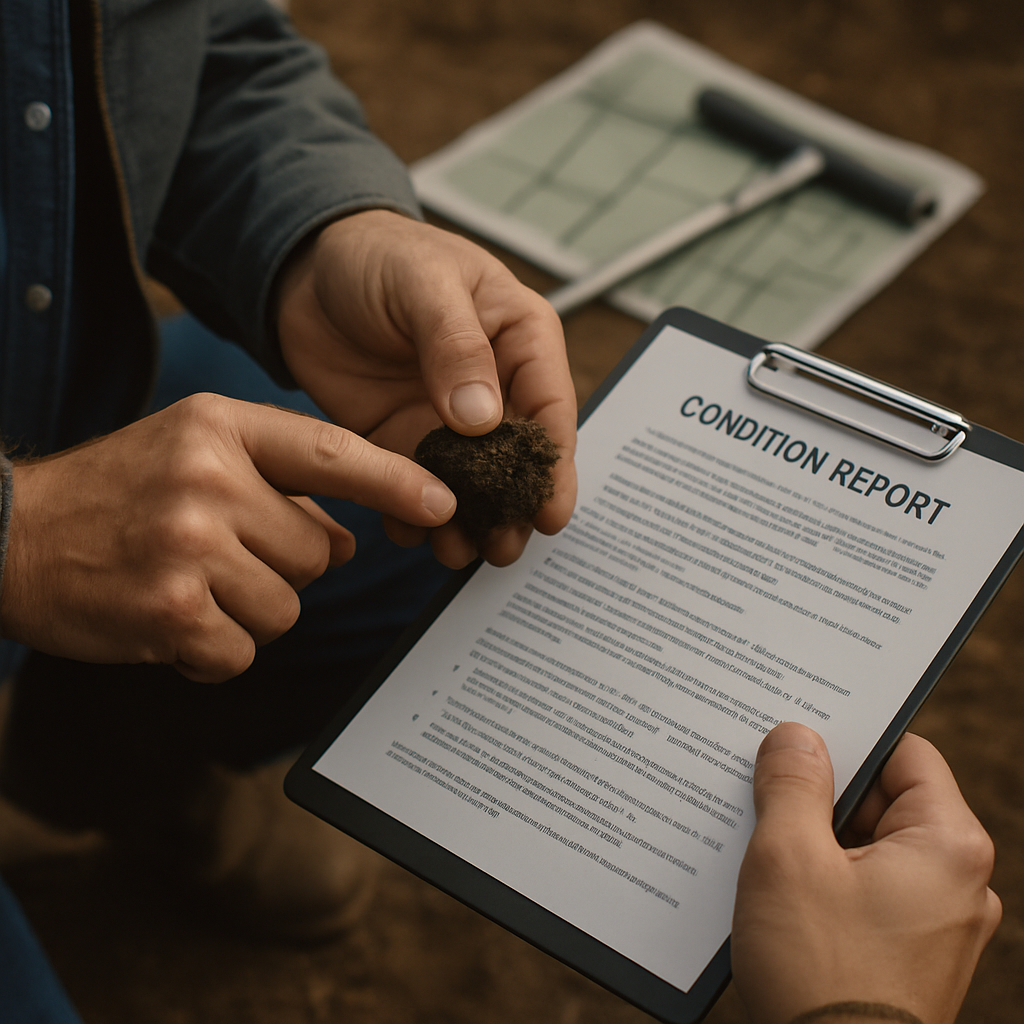
  • Prepare baseline photos and a simple condition report noting fences, roads, and buildings.
  • Draft clear lease clauses on repairs, tile and drainage use, and improvements ownership.

How to bid: practical tips for farmers and bidders

Winning an auction is as much about preparation as it is about price. Understand the auction format, required deposits, and whether bids are binding. Some auctions are live and dynamic, others use sealed offers or online proxy bidding. Match your farm plan to the parcel, and know the maximum you can responsibly bid.

Here are straightforward strategies to improve your chance of success in a competitive farmland bidding process.

  • Preinspect the land and review the condition report thoroughly.
  • Set a clear maximum bid based on expected returns and stewardship costs.
  • Prepare financing or proof of funds if required by the auction websites.
  • Understand any binding terms, such as minimum lease length or restoration obligations.
  • Factor in costs for soil improvements, tile repairs, or conservation measures.

Structure of farm lease auctions and binding agreements

Many farm lease auctions focus on more than rent. They can include performance standards, conservation payments, or staged improvement commitments. Structuring the auction to be clear about those obligations reduces future conflict. For landowners, use the auction to require deposits, proof of insurance, and a signed lease within a fixed period after the auction closes.

Common structures include:

- Price-only auctions where the highest rent or sale price wins. - Score-based auctions where nonprice factors such as conservation plans or local experience influence the outcome. - Hybrid auctions that combine monetary bids with ranked stewardship commitments.

What are binding farm lease agreements?

Binding farm lease agreements commit both parties to the terms agreed at auction, usually after a winning bid is confirmed and a written lease is signed. Effective auctions stipulate timelines and conditions for signing, deposits, and what happens if the winner fails to execute the lease.

Managing long term land care after an auction lease

Auctioned leases often cover multiple seasons. To protect soil and productivity, include clear stewardship clauses that specify cover cropping, nutrient management, and erosion control. Monitoring schedules and a dispute resolution process help enforce these terms without escalating to costly legal fights.

Practical stewardship items to include in leases:

- Required soil testing cadence and nutrient application limits. - Mandatory buffer strips around waterways and setbacks for chemical application. - Maintenance responsibilities for fences, roads, and tile systems. - Procedures for approving changes to cropping systems or intensive practices.

Finding and evaluating auction sites and platforms

Choosing a reliable platform matters. Look for auction platforms that provide verified parcel information, clear bid histories, and secure payment mechanisms. Search for trusted auction sites and read recent event records. Some platforms specialize in rural and agricultural listings, offering tools for document sharing and site visits.

Landowners and farmers increasingly use specialist sites and marketplaces. For landowners who want a professional presentation and bidder screening, services such as Land4Rent offer structured listings and tools that make auctions simpler to run, but always check how the platform handles identity verification and funds.

Is verified farmland auction safe?

Verified platforms reduce, but do not eliminate, risk. Check how the site verifies bidder identity, handles deposits, and enforces contract formation. Ask for platform references from recent users and confirm the platform works with local legal or farm advisors when needed.

Practical examples and local notes

Practices vary by region. In many parts of Canada, for example, people run both in-person and online farm land auctions. Listings may highlight local concerns like tile drainage in the prairies or riparian buffers in mixed farming zones. When dealing with regionally focused auctions such as farmland auctions Ontario or farm lease auctions Alberta, local extension services and conservation authorities can advise on acceptable lease language for soil protection.

Consider these real world notes:

- In areas with tile drainage, require pre-bid inspection and a statement about tile maintenance. - If pasture is involved, include grazing rotation rules and stocking rate limits. - For long term leases, consider periodic rent reviews tied to commodity indices or agreed benchmarks. - If a platform markets to broad audiences, specify local access, biosecurity practices, and who pays for perimeter fencing repairs.

When comparing platforms, you might weigh the reach of a large auction website against local knowledge from a farm network. Some regions still prefer auction houses that host live events, while others move quickly to trusted online auction sites and online bidding channels for speed and transparency.

Conclusion

Farmland auctions, both physical and digital, create transparent markets and can match landowners with tenants who commit to both rent and stewardship. The key is clear documentation: a condition report, explicit soil and conservation clauses, and a binding timeline for finalizing the lease. Auction formats vary. Choose a format that matches your goals, whether maximizing rent, securing a tenant who will invest in the land, or prioritizing long term soil health.

Start by selecting trustworthy auction platforms, prepare comprehensive parcel and soil information, and be explicit about what you expect from tenants on conservation and repairs. If you are unsure about contract wording, consult an agricultural advisor. Platforms like Land4Rent can help present auctions professionally, but they are one tool among many. The stronger your pre-auction preparation, the smoother the post-auction transition.

How do farmland auctions work?

They invite competitive bids for sale or lease of land, often under published conditions and timelines that lead to a binding agreement once a winner is confirmed.

What is online land auction Canada?

It is an auction format hosted on the internet where Canadian parcels are listed with legal descriptions and bidders participate remotely, subject to platform rules.

Why use auction sites for farm leases?

Auction sites broaden the pool of bidders, create transparent price discovery, and produce a clear record of the process, which helps reduce disputes.

Can I bid on farmland online?

Yes, by registering on the event platform, meeting verification and deposit requirements, and following the auction format provided by the site.

How to win farm lease auctions?

Prepare thoroughly: know the land, set a sustainable maximum bid, factor in stewardship costs, and understand the auction rules.

What are bidding sites for land rental?

They are platforms that host auctions or competitive offers for rental or lease of land, with tools for listing, bidding, and closing agreements.

Is auction live good for farmland?

It depends on the platform's verification, reach, and contract tools; evaluate whether the site handles deposits and legal closures in a way you trust.

How to lease farmland through auctions?

Prepare parcel documentation, set clear lease terms and stewardship clauses, advertise the auction, verify bidders, and require a signed lease after the auction closes.

What are farmland auction websites?

They are online services that list agricultural properties for sale or lease and administer bidding, registration, and often document exchange.

Can farmers bid on land auctions Canada?

Yes, provided they meet the platform and auction organizer requirements for registration, proof of funds, and any regional legal restrictions.


Read More
Read More

Introduction

For landowners and operators looking for clear, efficient ways to match land with farmers, auctions bring transparency to price discovery and terms. Modern approaches include both in-person and online auctions run on specialized auction websites and auction sites. This guide explains how those options work in real settings, what responsibilities fall on each side of a farm lease auction, and how soil and long-term stewardship can be written into bidding and lease terms.

How do farmland auctions work?

At a basic level, farmland auctions let sellers or lessors invite multiple buyers or tenants to compete for land by offering a price or lease terms. An auction can be for sale or for a lease term such as a multi-year farm tenancy. In many cases an auction will be advertised through an online auction site or a local listing, with dates, legal parcel information, and any lease conditions published in advance.

Can I bid on farmland online?

Yes, many platforms accept remote bidders through online auction sites and online bidding sites. You will typically register, provide identification and sometimes financial credentials, then join the live event or enter sealed bids depending on the format.

Online auctions versus traditional farm leases

Both methods have strengths. Traditional negotiated leases rely on local relationships, word of mouth, and direct negotiation. Online auctions and structured events increase reach, often attract more competitive offers, and create a clear record of bids and final terms. However, auctions can favor bidders who understand the platform rules, and they require clear documentation to avoid disputes after the event.

When comparing systems, consider the level of transparency you want, the administrative work you can handle, and whether you need additional screening for bidders. Online auction platforms often include verification tools, but landowners still need to vet credit, references, and commitment to stewardship.

Preparing your land for auction and soil responsibilities

Before listing land in any auction, outline nonnegotiable conditions that protect soil health and long term productivity. Well-defined expectations reduce confusion, limit disputes, and attract responsible bidders who plan for sustainable use.

Use this checklist to prepare your parcel and lease terms. The list explains practical items you should have in place before an auction.

  • Document parcel boundaries, legal descriptions, and access points.
  • Provide recent soil tests and maps showing drainage and erosion risks.
  • List conservation features: wetlands, riparian buffers, terraces, or shelterbelts.
  • Outline acceptable crop rotations, fertilizer and pesticide limits, and grazing pressures.
  • Prepare baseline photos and a simple condition report noting fences, roads, and buildings.
  • Draft clear lease clauses on repairs, tile and drainage use, and improvements ownership.

How to bid: practical tips for farmers and bidders

Winning an auction is as much about preparation as it is about price. Understand the auction format, required deposits, and whether bids are binding. Some auctions are live and dynamic, others use sealed offers or online proxy bidding. Match your farm plan to the parcel, and know the maximum you can responsibly bid.

Here are straightforward strategies to improve your chance of success in a competitive farmland bidding process.

  • Preinspect the land and review the condition report thoroughly.
  • Set a clear maximum bid based on expected returns and stewardship costs.
  • Prepare financing or proof of funds if required by the auction websites.
  • Understand any binding terms, such as minimum lease length or restoration obligations.
  • Factor in costs for soil improvements, tile repairs, or conservation measures.

Structure of farm lease auctions and binding agreements

Many farm lease auctions focus on more than rent. They can include performance standards, conservation payments, or staged improvement commitments. Structuring the auction to be clear about those obligations reduces future conflict. For landowners, use the auction to require deposits, proof of insurance, and a signed lease within a fixed period after the auction closes.

Common structures include:

- Price-only auctions where the highest rent or sale price wins. - Score-based auctions where nonprice factors such as conservation plans or local experience influence the outcome. - Hybrid auctions that combine monetary bids with ranked stewardship commitments.

What are binding farm lease agreements?

Binding farm lease agreements commit both parties to the terms agreed at auction, usually after a winning bid is confirmed and a written lease is signed. Effective auctions stipulate timelines and conditions for signing, deposits, and what happens if the winner fails to execute the lease.

Managing long term land care after an auction lease

Auctioned leases often cover multiple seasons. To protect soil and productivity, include clear stewardship clauses that specify cover cropping, nutrient management, and erosion control. Monitoring schedules and a dispute resolution process help enforce these terms without escalating to costly legal fights.

Practical stewardship items to include in leases:

- Required soil testing cadence and nutrient application limits. - Mandatory buffer strips around waterways and setbacks for chemical application. - Maintenance responsibilities for fences, roads, and tile systems. - Procedures for approving changes to cropping systems or intensive practices.

Finding and evaluating auction sites and platforms

Choosing a reliable platform matters. Look for auction platforms that provide verified parcel information, clear bid histories, and secure payment mechanisms. Search for trusted auction sites and read recent event records. Some platforms specialize in rural and agricultural listings, offering tools for document sharing and site visits.

Landowners and farmers increasingly use specialist sites and marketplaces. For landowners who want a professional presentation and bidder screening, services such as Land4Rent offer structured listings and tools that make auctions simpler to run, but always check how the platform handles identity verification and funds.

Is verified farmland auction safe?

Verified platforms reduce, but do not eliminate, risk. Check how the site verifies bidder identity, handles deposits, and enforces contract formation. Ask for platform references from recent users and confirm the platform works with local legal or farm advisors when needed.

Practical examples and local notes

Practices vary by region. In many parts of Canada, for example, people run both in-person and online farm land auctions. Listings may highlight local concerns like tile drainage in the prairies or riparian buffers in mixed farming zones. When dealing with regionally focused auctions such as farmland auctions Ontario or farm lease auctions Alberta, local extension services and conservation authorities can advise on acceptable lease language for soil protection.

Consider these real world notes:

- In areas with tile drainage, require pre-bid inspection and a statement about tile maintenance. - If pasture is involved, include grazing rotation rules and stocking rate limits. - For long term leases, consider periodic rent reviews tied to commodity indices or agreed benchmarks. - If a platform markets to broad audiences, specify local access, biosecurity practices, and who pays for perimeter fencing repairs.

When comparing platforms, you might weigh the reach of a large auction website against local knowledge from a farm network. Some regions still prefer auction houses that host live events, while others move quickly to trusted online auction sites and online bidding channels for speed and transparency.

Conclusion

Farmland auctions, both physical and digital, create transparent markets and can match landowners with tenants who commit to both rent and stewardship. The key is clear documentation: a condition report, explicit soil and conservation clauses, and a binding timeline for finalizing the lease. Auction formats vary. Choose a format that matches your goals, whether maximizing rent, securing a tenant who will invest in the land, or prioritizing long term soil health.

Start by selecting trustworthy auction platforms, prepare comprehensive parcel and soil information, and be explicit about what you expect from tenants on conservation and repairs. If you are unsure about contract wording, consult an agricultural advisor. Platforms like Land4Rent can help present auctions professionally, but they are one tool among many. The stronger your pre-auction preparation, the smoother the post-auction transition.

How do farmland auctions work?

They invite competitive bids for sale or lease of land, often under published conditions and timelines that lead to a binding agreement once a winner is confirmed.

What is online land auction Canada?

It is an auction format hosted on the internet where Canadian parcels are listed with legal descriptions and bidders participate remotely, subject to platform rules.

Why use auction sites for farm leases?

Auction sites broaden the pool of bidders, create transparent price discovery, and produce a clear record of the process, which helps reduce disputes.

Can I bid on farmland online?

Yes, by registering on the event platform, meeting verification and deposit requirements, and following the auction format provided by the site.

How to win farm lease auctions?

Prepare thoroughly: know the land, set a sustainable maximum bid, factor in stewardship costs, and understand the auction rules.

What are bidding sites for land rental?

They are platforms that host auctions or competitive offers for rental or lease of land, with tools for listing, bidding, and closing agreements.

Is auction live good for farmland?

It depends on the platform's verification, reach, and contract tools; evaluate whether the site handles deposits and legal closures in a way you trust.

How to lease farmland through auctions?

Prepare parcel documentation, set clear lease terms and stewardship clauses, advertise the auction, verify bidders, and require a signed lease after the auction closes.

What are farmland auction websites?

They are online services that list agricultural properties for sale or lease and administer bidding, registration, and often document exchange.

Can farmers bid on land auctions Canada?

Yes, provided they meet the platform and auction organizer requirements for registration, proof of funds, and any regional legal restrictions.

Read More
Read More
Explore All Legal Articles
Login