%20(1).svg)

.svg)

Introduction
Finding the right piece of agricultural land to rent, or the right tenant to farm your land, has never been more complex or more important. Farmland listings have moved steadily online over the past decade, but the digital landscape is fragmented. Some platforms are built for general real estate. Others are agricultural in name only. Very few are purpose built for the specific demands of farmland leasing. Knowing how to tell the difference can save you significant time, money, and frustration.
This guide is designed to walk landowners and farmers through the process of evaluating listings, comparing platforms, and making informed decisions in a market that is increasingly competitive and increasingly digital. Whether you are looking to lease out acres in Saskatchewan or secure additional cropland in Ontario, understanding how modern farmland rental marketplaces function is the first step toward a transaction that works for both sides.
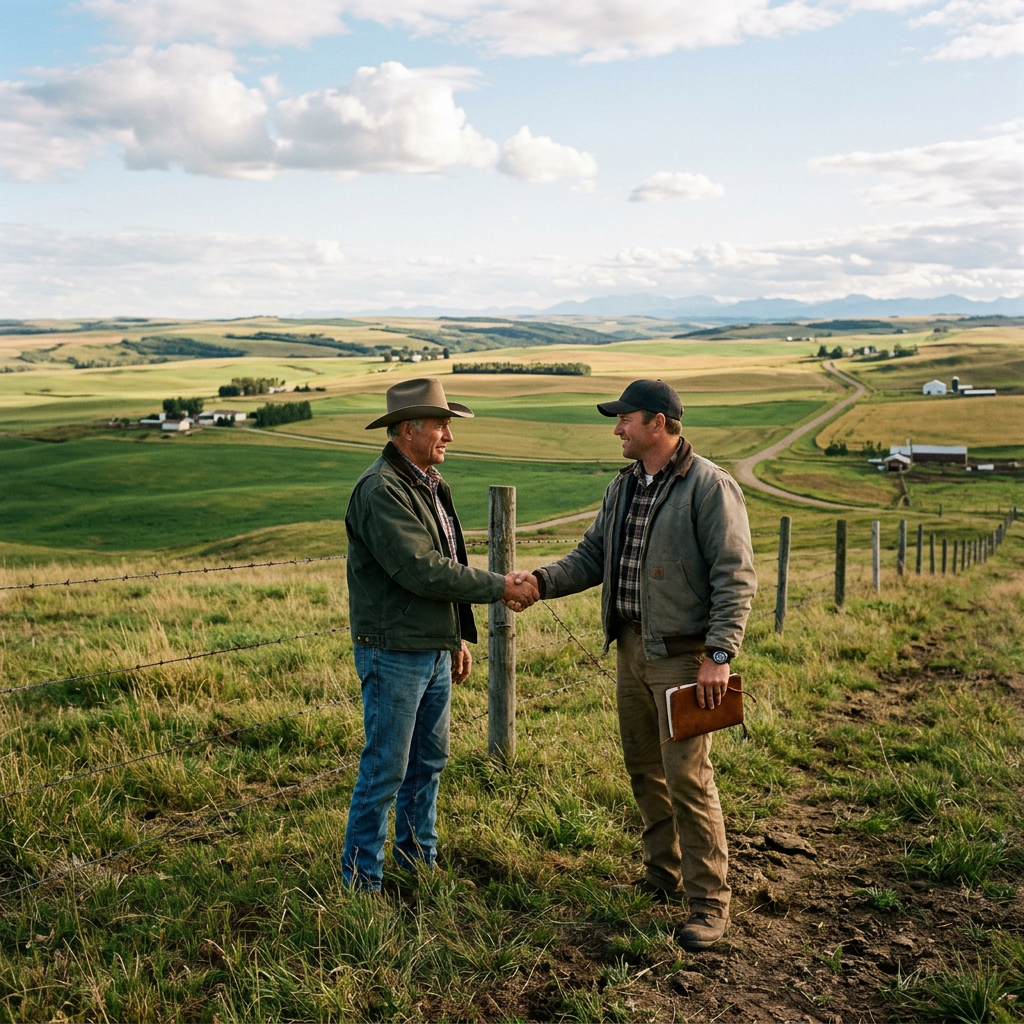
Understanding the Farmland Listing Landscape in Canada
Agricultural leasing in Canada has historically relied on personal networks, word of mouth, and private negotiations between neighbors or extended family. That model still exists, but it is being steadily supplemented, and in many regions, replaced by online platforms that offer broader reach, greater transparency, and more structured processes. The shift is most visible in high-demand provinces like Ontario, Alberta, and Saskatchewan, where competition for quality acres has intensified and informal arrangements no longer serve either party particularly well.
How Farmland Rental Listings Actually Work
At their most basic level, farmland listings function the same way any property listing does: a landowner posts available acreage, describes the land's characteristics and terms, and interested tenants reach out to negotiate. But agricultural listings carry layers of complexity that general real estate listings rarely address.
Why General Real Estate Platforms Fall Short
Many landowners default to general property sites when trying to rent their farmland, and most walk away disappointed. These platforms are built around residential and commercial real estate logic. They lack the fields, filters, and agricultural context needed to accurately represent a quarter section of cropland or a tile-drained field in a competitive leasing zone. Farmers searching those platforms face the same mismatch: search tools designed for square footage and bedrooms simply do not translate to acres and drainage maps.
The result is that listings end up buried, misrepresented, or viewed by the wrong audience entirely. A platform built specifically for agricultural land for rent understands that a farmer searching for available land in central Saskatchewan needs different information than someone browsing urban condominiums.
The Role of Regional Context in Farmland Leasing
Farmland rental dynamics vary considerably across Canada. In Ontario, proximity to processing facilities and urban markets drives demand. In Saskatchewan and Alberta, large-scale grain operations mean that even minor differences in per-acre rental rates can have significant financial consequences across thousands of acres. Saskatchewan's Ministry of Agriculture maintains a publicly accessible Comparable Land Sales Database that allows farmers and landowners to search actual per-acre farmland sale prices within a specific rural municipality or legal land description, a useful benchmark when evaluating whether a listed rental rate reflects genuine market conditions. Understanding the regional market you are operating in helps you set realistic expectations as a landowner and bid strategically as a farmer. Alberta Agriculture and Irrigation has surveyed crop and pastureland lease and rental rates annually since 1975, making its custom rates survey one of the longest-running benchmarks for farmland lease pricing in the province, a useful reference for anyone entering or evaluating an Alberta agricultural lease. Any platform worth using should reflect that regional nuance in how it structures listings and presents pricing data.
Comparing Farmland Rental Platforms: What to Look For
Not all platforms that claim to serve the agricultural leasing market are built with the same depth. A genuine farmland rental platform should do more than host a listing page. It should actively support the transaction from discovery through to a signed lease and processed payment. When evaluating your options, it helps to have a clear set of criteria before you spend time building a profile or posting your land.
Verification and Trust Infrastructure
The single most important question to ask about any listing platform is whether it verifies its users and properties. Unverified platforms create real risks: landowners may deal with unqualified tenants, and farmers may waste time pursuing listings that are outdated, inaccurate, or fraudulent. Verified farmland listings mean that a human or structured review process has confirmed the identity of the poster, the legitimacy of the property, and the accuracy of the listing details before anyone else sees it.
This matters especially in high-value leasing situations. When annual rental commitments run into tens of thousands of dollars across a large parcel, the absence of verification is not a minor inconvenience. It is a genuine financial exposure. Farm Credit Canada's farmland affordability analysis shows that the average payment for newly purchased land in Canada reached $309 per acre in 2024, a figure that illustrates the high-stakes financial environment in which farmland leasing now takes place and why platform verification matters. Prioritize platforms that make verification a stated part of their process, not an afterthought.
Fixed Rate Versus Competitive Bidding Models
One of the most meaningful distinctions between farmland rental platforms is how they handle pricing. Traditional leasing relies on private negotiation, which often means landowners underprice their land simply because they do not know what the market will actually pay. Competitive bidding models address this directly by allowing verified farmers to bid on available listings, with the rental rate rising to reflect genuine demand. FCC's annual farmland rental rate analysis provides province-level rent-to-price ratio data that gives landowners a credible market reference, and confirms that in many regions, private negotiations consistently underreflect actual market demand relative to what competitive processes reveal.
For landowners, this approach removes the guesswork and replaces it with market evidence. For farmers, it provides a transparent process where the terms are clear and the competition is visible. Not every situation calls for competitive bidding, but for landowners in high-demand areas who want to maximize returns without the burden of private negotiations, it is worth understanding how these bidding models work before choosing a platform.
End-to-End Lease and Payment Handling
A platform that helps you find a tenant but leaves you to manage the lease paperwork and payment collection independently is only solving half the problem. The best platforms in this space handle lease generation, customization, digital signing, and secure payment processing within a single workflow. This matters because informal lease arrangements, even between trusted parties, create ambiguity that can become costly when circumstances change. Look for platforms that produce legally binding lease terms automatically and that keep full transaction records accessible to both parties.
How to Evaluate a Farmland Listing Before Committing and Choosing the Right Platform
Whether you are a farmer assessing a potential rental or a landowner reviewing what comparable listings look like, knowing how to read a farmland listing critically is a practical skill. A listing that looks complete on the surface may still be missing information that matters for your specific operation or risk tolerance.
Key Questions Farmers Should Ask Before Renting
Before committing to any piece of farmland, a farmer should work through a basic due diligence checklist that goes beyond what is visible in the listing itself. Asking the right questions early prevents costly surprises after a lease is signed. Some of the most important include: What is the drainage situation in a wet year? Are there any environmental restrictions on the parcel? Has the previous tenant left the land in good condition? What are the exact boundaries, and are there any access issues? Is the lease structured to allow for common agricultural inputs like fertilizer and crop protection products without additional approval?
Good listings will answer most of these preemptively. If a listing leaves you with more questions than answers, that is a signal either that the platform lacks structure or that the landowner has not been adequately guided through the listing process. Both are worth flagging before you proceed.
What Landowners Should Confirm Before Listing
Landowners approaching the listing process for the first time often underestimate how much preparation improves outcomes. Knowing your soil classification, having recent aerial photos or field maps ready, understanding your land's drainage tile system, if one exists, and having a clear sense of your preferred lease term are all things that strengthen a listing significantly. A complete listing attracts more qualified interest from farmers, which, on competitive bidding platforms, directly translates into better rental rates.
Land4Rent guides landowners through a structured listing process that prompts for the right details and handles lease generation automatically once a tenant is selected, which removes a significant administrative burden for landowners who are managing multiple parcels or are new to formal leasing arrangements.
Reading Rental Rate Data Honestly
Published rental rates for farmland across Canada vary enormously depending on soil class, location, crop type, and the quality of infrastructure on the parcel. Averages can be misleading. A farmland lease listing in prime southern Ontario cropland and one in a lower-productivity region of northern Saskatchewan might both describe themselves as "productive agricultural land," but their fair market values are entirely different. Use regional benchmarks where available, and be cautious about accepting any single number as the standard for an area without understanding the underlying factors. Competitive bidding platforms are useful here because they reveal what farmers in a specific market are actually willing to pay, which is often the most honest measure of market value available.
Choosing the Right Platform for Your Situation
The right platform depends on who you are, what you need, and how involved you want to be in the leasing process. There is no single correct answer, but there are clear patterns that point certain users toward certain types of platforms. Understanding where you fall on that spectrum makes the decision considerably easier.
For Farmers Seeking Reliable Access to Additional Acreage
Farmers looking to expand their operation through rental should prioritize platforms that offer a genuine land rental marketplace with verified listings, transparent pricing, and regional coverage in the provinces where they operate. The volume of available listings matters, but so does the quality of the information attached to each one. A marketplace with fewer, better-described listings is more useful than one with hundreds of incomplete or outdated posts. Look for platforms that show you active listing dates, allow you to filter by soil class or acreage, and that facilitate direct, structured communication with landowners through the platform itself rather than pushing you to external contact methods that leave no record.
For Landowners Maximizing Returns Without the Administrative Burden
Landowners who are not active in farming and who simply want their land generating reliable income without managing a complex leasing relationship should look specifically for platforms that handle the entire workflow. Posting a listing is only the beginning. The value of a full-service platform comes from what happens after a tenant is identified: automated lease generation, digital signing, payment tracking, and a clear record of the entire transaction. Land4Rent was built specifically for this use case, serving landowners who want market-rate returns and operational simplicity in equal measure.
Farmland Listings in Canada: Regional Platform Considerations
If you are operating in a specific province, look for whether a platform has meaningful activity in your region. Farmland for rent in Canada is not a uniform market. A platform that is heavily weighted toward one province may not have the listing density or regional expertise to serve you well in another. Saskatchewan farmland rental, Ontario cropland leasing, and Alberta agricultural properties each have distinct market dynamics. The best platforms reflect those differences rather than treating Canadian farmland as a single homogeneous category.
Conclusion
Navigating farmland listings in Canada requires more than finding a platform and posting or browsing. It requires understanding what separates a functional listing from an incomplete one, what a modern rental platform should offer beyond basic matchmaking, and how to evaluate pricing honestly against regional benchmarks. Farmers should prioritize verified listings with detailed field information, while landowners benefit most from platforms that automate the administrative side of leasing and surface genuine market demand through competitive pricing. The digital shift in agricultural leasing is still early, but the platforms doing it properly are raising standards quickly. Choose a platform that matches the seriousness of the transaction you are entering.
Ready to list your land or find your next rental? Explore Land4Rent to see how a purpose-built farmland rental marketplace handles everything from verified listings to signed leases and processed payments.
Frequently Asked Questions (FAQs)
How to list farmland for rent?
To list farmland for rent, choose a purpose-built agricultural leasing platform, prepare accurate field details including acreage, soil type, and drainage information, and follow the platform's guided listing process. Platforms like Land4Rent also handle lease generation and payment processing once a tenant is confirmed.
How to find farmland for rent?
Search agricultural-specific listing platforms rather than general real estate sites, and use filters for province, acreage, and soil class to narrow results. Verified platforms give you confidence that listings are current and accurately described.
How to verify farmland listings?
Look for platforms that explicitly state they verify listings and user identities before listings go live. If verification is not mentioned in the platform's process, ask directly whether the landowner's identity and property details have been confirmed.
What is the best farmland rental platform?
The best platform depends on your needs, but prioritize those that offer verified listings, transparent pricing, end-to-end lease handling, and active coverage in your province. A platform built specifically for agricultural leasing will consistently outperform general property sites for farmland transactions.
Can I rent farmland online?
Yes, farmland can be rented entirely online through specialized agricultural marketplaces. The best platforms manage the full process digitally, from listing and bidding through to lease signing and payment collection.
How much does farmland rent for?
Rental rates vary significantly by province, soil class, and proximity to markets, ranging from under $50 per acre in lower-productivity regions to well over $200 per acre in prime Ontario or Alberta cropland zones. Competitive bidding platforms are among the most reliable ways to gauge current market rates in a specific area.
Farmland listings Canada: where do I start?
Start by identifying platforms with verified listings and meaningful activity in your province, then build a complete profile before browsing or posting. Having your land details or rental criteria clearly defined before you begin speeds up the process considerably.
Farmland for rent Alberta: what should I know?
Alberta farmland rental rates and availability are driven heavily by regional crop type, irrigation access, and proximity to processing infrastructure. Search platforms that specifically cover Alberta listings and offer filtering by soil class and acreage to find land that fits your operation.
Best farmland listing sites: how do they compare?
Purpose-built agricultural platforms consistently outperform general real estate sites for farmland leasing because they include agriculture-specific listing fields, verified users, and structured lease workflows. General sites may have broader traffic but lack the tools farmers and landowners actually need.
Farmland rental platforms comparison: what features matter most?
The features that matter most are listing verification, regional coverage, pricing transparency (especially whether the platform uses competitive bidding), and whether lease and payment management are handled within the platform. A platform weak on any of these four points will likely create gaps you need to manage manually.

.png)


.svg)


.svg)