%20(1).svg)

.svg)

Introduction
Understanding a farm commercial lease means more than reading rent numbers. For landowners and farmers in Canada, leases combine elements of rural reality and commercial contract language. This guide focuses on practical terms that matter: who controls the land, who pays for what, and how soil and crops are managed over time. It is written for people making real decisions, not for legal theory. You will find clear explanations of common clauses, negotiation tips, and a short checklist to use before signing.
Essential lease clauses every landowner and tenant should know
Commercial leases on farmland mix commercial property language with agricultural specifics. Below I list core clauses you will see often, then explain what each means for everyday farm operations. Watch these items closely when a lease involves agricultural land rental or a farm lease contract.
- Identification of parties and precise legal description of the land
- Permitted use and crop or livestock restrictions
- Term length, start and end dates, and renewal options
- Rent amount, payment schedule, and escalation clause
- Who is responsible for repairs, improvements, and soil care
Each of those points deserves careful drafting. For example, a clause that seems to give broad rights to the tenant can unintentionally limit the landowner's ability to sell or change land use. Define terms like "permanent improvements" and soil restoration up front. If drainage tile or fencing is involved, specify ownership and who maintains it after the lease ends.
Rent structures and financial terms to compare
Rent can be cash based, crop share, or a hybrid. Cash rent is simple to administer, while crop share ties the landowner to crop outcomes. Here are common models and what they mean for risk and management.
- Fixed cash rent, paid monthly or annually, predictable costs for the tenant
- Crop share, where landowner takes a percentage of the harvest
- Flexible rent, indexed to yields or commodity prices
- Rent escalation clauses tied to CPI or a fixed percentage
When you consider offers on commercial property for rent or land, compare net returns after costs. A lower headline rent may shift more cost for inputs, repairs, or taxes to the tenant. Conversely, a crop-share model binds the landowner to weather and market risk. Spell out who pays property taxes, utilities, custom work, and equipment rental. If the lease uses an escalation formula, state how it is calculated and when reviews will occur.
Maintenance, soil responsibilities, and long-term stewardship
Soil is the most important asset in a farm lease, yet it often receives vague attention in agreements. Good leases specify who is responsible for soil fertility, erosion control, tile maintenance, and remediation of contamination. Use clear language for soil management lease terms, cover cropping, rotation, and fallow practices.
Think of soil care as shared long-term investment. If a tenant will use heavy tillage or intensive row cropping, the lease can require conservation measures or limit certain practices. Conversely, if the landowner agrees to fund tile installation or erosion control, document the cost sharing, ownership, and who is responsible for future repairs.
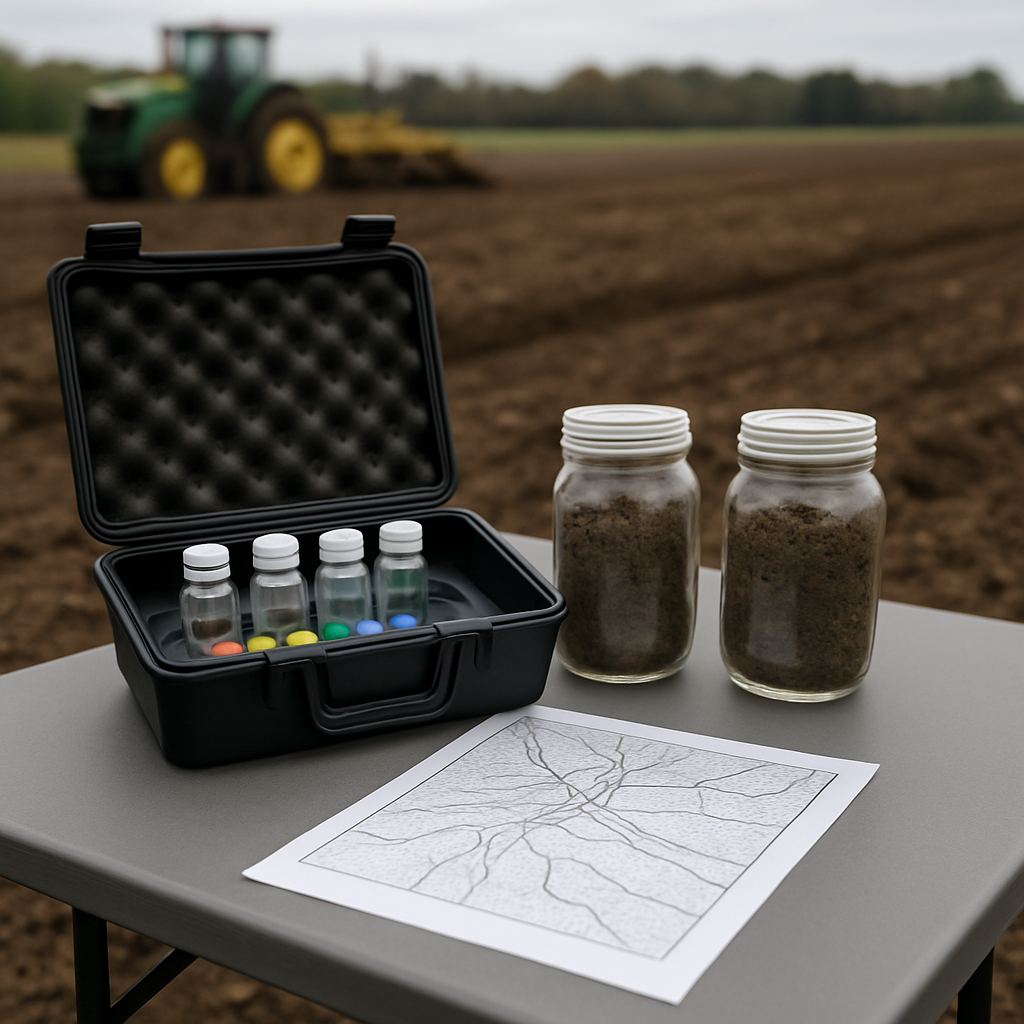
Practical items to include are: baseline soil testing at the start and end of tenancy, maps of drainage tile, responsibilities for invasive species, and protocols for handling contamination or spills. A clause on improvements should say whether the tenant may install structures, who pays, and whether the improvements remain after the lease ends or must be removed.
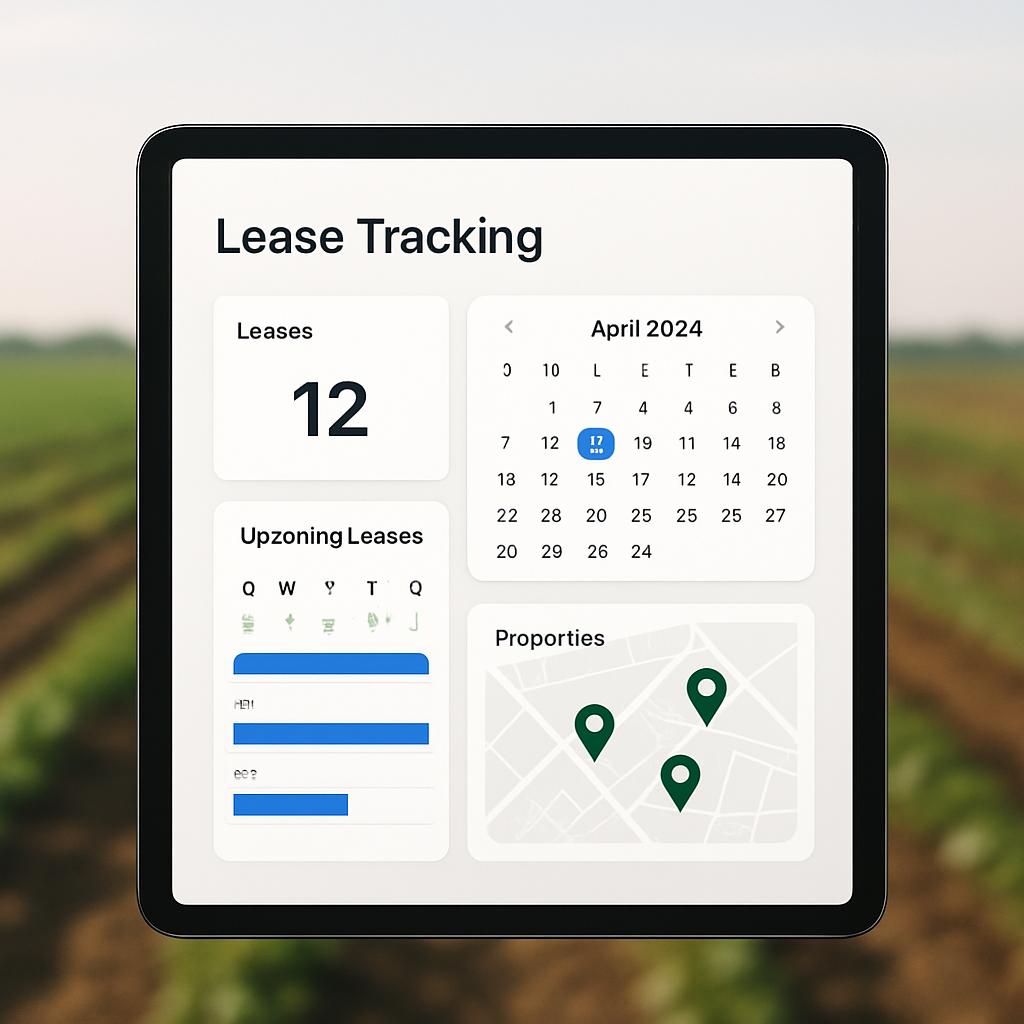
Tools and services that centralize listings and records can help manage these details. For some users, platforms such as Land4Rent offer ways to record responsibilities and simplify renewals while keeping each party accountable.
Lease length, renewals, assignment, and subleasing
Term length changes incentives. Short terms encourage tenants to avoid investments in long-lived improvements, while longer terms support stewardship. Standard farm commercial leases vary from single-season agreements to multi-year contracts with renewal options. For long-term long-term farmland rental, specify renewal triggers, notice deadlines, and any automatic extension clauses.
Assignment and subleasing clauses control transfer of obligations. A landowner may want approval rights for assignment to protect land use, while a tenant may want reasonable freedom to sublet part of the property. Define consent processes and what qualifies as reasonable grounds to withhold consent.
Negotiation tips and dispute resolution
Negotiate around practical outcomes, not just legal language. Exchange a short summary of priorities: rent level, who pays for what, any required conservation practices, and the desired term. Put agreed points into a one-page heads of terms before drafting the full lease. That saves time and ensures both parties are aligned.
Include clear dispute resolution steps. Many rural disputes are about interpretation or unforeseen events. Start with a requirement to meet and negotiate in good faith. Then provide an escalation path: mediation, expert determination on technical issues like tile maps or soil labs, and arbitration for final resolution. Avoid immediate litigation clauses unless both sides want that path.
Practical checklist before signing
In the days before signing, use a focused checklist to ground the agreement in physical reality. Walk the land with the tenant or landowner to document physical conditions, taking photos and recording the location of tiles and fences. You should also collect baseline soil tests and document drainage maps. This preparation ensures there is a shared understanding of the land's state before the lease begins.
Next, verify the administrative and financial details. Confirm the legal land description and ownership details, and ensure both parties agree on the rent amount, payment schedule, and escalation rules. Clarify repair, improvement, and restoration responsibilities, and set notice periods for termination and renewal. Additionally, confirm insurance coverage and proof of public liability for the tenant where needed to protect both parties.
Finally, secure the paperwork and check for special requirements. Ensure both parties receive the same final lease copy and initial any changes. Keep a signed, dated set of attachments, including maps, schedules of equipment, and any special permits, as these avoid later disagreement about what was promised. If you plan to use the property for a mixed commercial and farming purpose, confirm municipal requirements and access rights up front.
Conclusion
Navigating a farm commercial lease requires more than just agreeing on a rent price; it demands a clear understanding of who controls the land and how its health is preserved over time. By focusing on these practical realities rather than getting lost in legal theory, landowners and farmers can forge agreements that support both profitability and stewardship. Use the checklist and negotiation strategies outlined in this guide to scrutinize every clause before you sign, ensuring the contract reflects the actual workings of your operation. Ultimately, a well-negotiated lease is not just a legal requirement, but the foundation for a resilient and lasting partnership in Canadian agriculture.
Ready to find the right farmland or tenant for your operation? Visit Land4rent today to connect with verified landowners and farmers across Canada, access customizable lease templates, and get the tools you need to create clear, fair agreements that protect your interests and your land.
Frequently Asked Questions (FAQs)
How to lease commercial space?
Start by defining your needs, locating listings, and negotiating a written lease that specifies rent, term, and responsibilities.
What is a commercial lease agreement?
A commercial lease agreement is a contract that sets the terms under which a tenant uses land or buildings for business or agricultural activities.
How to find commercial property for rent?
Search local listings, brokers, agricultural boards, and online platforms that list commercial property for rent and rural opportunities.
Why choose lease over buy commercial?
Leasing reduces upfront capital needs and provides operational flexibility, while buying builds equity but requires larger investment and ongoing ownership costs.
Can I lease a business property?
Yes, many business and farming operations are run on leased property, subject to landlord consent and any zoning rules.
What are commercial lease terms?
They include the lease duration, rent amount and adjustments, permitted use, maintenance responsibilities, and renewal or termination rights.
How to negotiate business lease?
Focus on priorities, use a heads of terms, ask for clear definitions of responsibilities, and propose reasonable dispute resolution steps.
How much does commercial lease cost?
Costs vary by location, land quality, and lease structure; compare cash rent, crop share, and indexed leases to estimate net returns.
What to include in lease properties contract?
Include parties, legal description, permitted use, rent and payment schedule, term, responsibilities for repairs and soil care, insurance, and dispute resolution.
How to lease farmland in Canada?
Find listings, verify zoning, agree on soil and maintenance responsibilities, choose an appropriate rent model, and document everything in writing.


.png)



.svg)


.svg)