%20(1).svg)

.svg)

Introduction
Managing silt loam soil on leased farmland in Canada requires clear expectations between landowner and operator. This article explains how to silt soil management farming works in practice. It covers how to define silt, how to test and identify soil texture, common problems such as silt soil drainage issues and compaction, and practical stewardship steps to protect long term productivity. The advice is practical for lease discussions, crop planning, and routine care of farmland silt soil Canada.
What is silt soil?
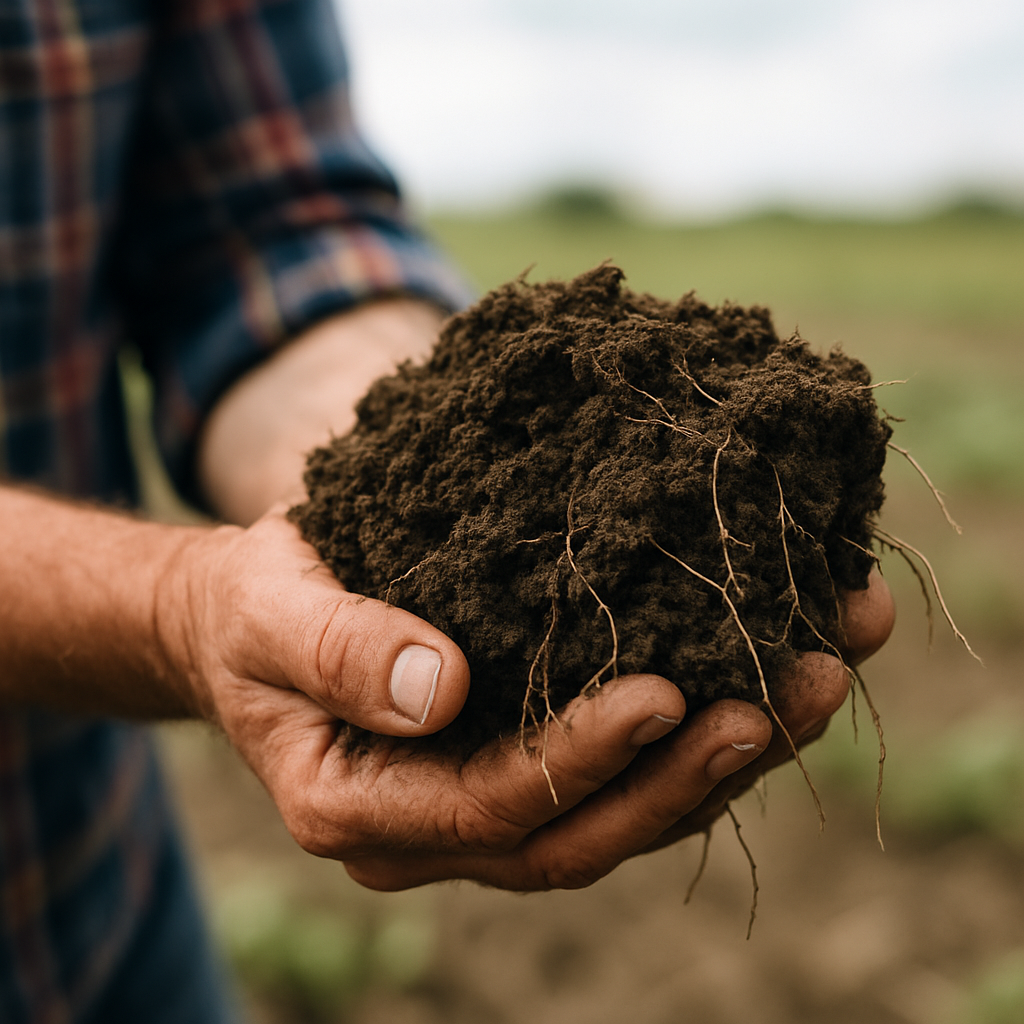
What is silt soil in plain terms means soil dominated by medium fine particles that are smaller than sand and larger than clay. Silt particles feel smooth or floury when dry, and slippery when wet. Silt holds more water than sand, but less than clay. In agricultural contexts, a soil with a high proportion of silt is often called silt soil or classified on the triangle as part of a clay silt loam or loam silt depending on the mix.
How to identify silt soil?
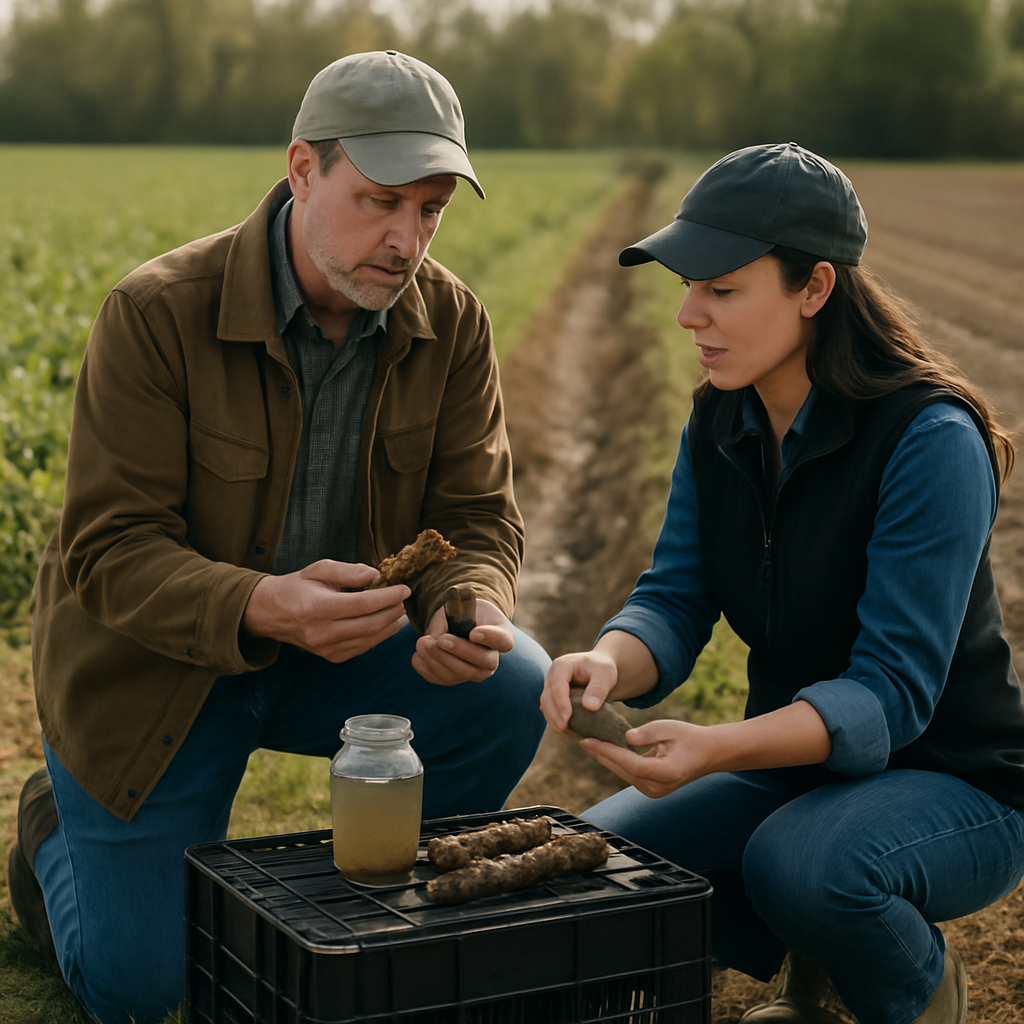
How to identify silt soil on the field is simple using touch and a few tests. Rub a damp sample between fingers. Silt feels silky and will not form strong ribbons like clay. It will pack more than sand. A jar test helps: let a soil-water mix settle, then read layers to estimate proportions of clay sand silt. For lease conversations, insist on a lab texture analysis so everyone knows the silt content in soil.
What is silt loam?
Silt loam is a common term for a balanced soil with a significant share of silt plus enough clay and sand to form a workable matrix. A silt loam soil often has good water holding capacity, moderate fertility, and an ability to warm faster than heavy clay in spring. Farmers value benefits of silt loam because it supports a wide range of crops when managed right.
Silt loam properties and farming implications
Knowing silt loam properties helps both landowners and tenants set realistic lease terms. Silt loam is fertile when organic matter is adequate. It stores water well but risks crusting and surface sealing. When tilled wet, it compacts and loses structure, causing reduced aeration. That affects seedling emergence and root growth. For lease negotiations, spell out who covers tests, tile work, or remediation if structure is poor. Mentioning platforms like Land4Rent can help document responsibilities and schedules without replacing direct agreements.
Key physical behaviors to note include sensitivity to traffic, tendency to form a hard surface, and moderate nutrient retention. These factors affect how often operators should use cover crops, rest fields, or apply amendments like compost. They also influence insurance and equipment choices for the tenant.
Drainage and compaction: causes and lease implications
How does silt soil drain and why does compaction happen?
Ask how does silt soil drain when drafting leases, because drainage shapes management costs. Silt drains slower than sandy soils, but faster than heavy clay. Poor drainage zones can form where silt overlies clay. Compaction occurs because silt packs tightly under weight, especially when wet. That creates a dense layer that reduces infiltration and increases runoff.
During lease talks, agree on traffic limits, wet field operations, and who's responsible for installing drains. Local tile drainage or targeted surface water control can fix chronic wet spots. Keep the language practical: list the triggers for compaction and the acceptable remediation steps rather than vague promises.
How to improve silt soil fertility and structure?
Fertility is often the highest return activity on silt loam. Improvements focus on increasing stable organic matter, reducing compaction, and balancing nutrients. Start with testing. A basic soil test gives pH, nutrient levels, and texture confirmation. From there, set a plan that fits crop goals and lease length. Document which party pays for amendments, cover crop seed, and any drainage work. If a tenant invests in long term improvements, reflect that in rent, term length, or a cost-share clause. This keeps incentives aligned for sustaining silt loam for agriculture.
Lease considerations and stewardship
When you deal with farmland leasing silt soil, be explicit about day to day care and long term stewardship. Include clauses for soil testing, acceptable tillage windows, cover crop use, and drainage maintenance. Avoid vague words. Instead specify actions, timing, and cost responsibilities.
Common, practical lease clauses for silt loam include inspection rights, remediation timelines for compaction, and procedures for approval before major works like tile drainage. Include a basic record keeping requirement, such as an annual summary of soil tests and amendments. This protects land value and helps resolve disputes.
Examples of stewardship items to negotiate are crop residue management, allowed fertilizer rates, and erosion control for edges and waterways. If you want specific guidance, include a short annex that lists preferred practices, known as silt soil stewardship practices, so both parties have a single reference.
Practical crops, rotations, and regional tips for Canadian farmland
Silt loam soil can produce cereals, oilseeds, specialty crops, and forages. Rotations and cover crops help reduce the risks tied to crusting and compaction. Climate and local rainfall patterns in Ontario, Alberta, or the Prairie provinces influence choices. For instance, wetter zones need better drainage plans. Drier areas need moisture conserving practices.
How to test for silt soil type and interpret results?
Testing silt soil type starts with simple field checks and moves to lab analysis for confirmation. Use a jar test or feel test for a first read. Then take composite samples to an accredited lab for a particle size distribution and basic fertility panel. Labs often report percent sand, silt, and clay, plus organic matter, pH, and key nutrients.
Interpret results with practical lenses. A soil that reads high in silt but low in organic matter needs different steps than one with modest silt and good residue. Include test intervals in the lease to track changes during the tenancy. That makes it easier to assign responsibility for applying lime or fixing identified deficiencies.
Conclusion
Managing silt loam soil on Canadian leased farmland means translating soil science into clear lease language and practical habits. Focus on agreed testing, seasonal work windows, and defined cost responsibilities for improvements. Prioritize building organic matter, controlling traffic, and using rotations that protect soil structure.
Here are immediate steps both landowners and tenants can take before signing or renewing a lease: get an up to date texture and fertility test, agree on cover crop and tillage rules, set a plan for drainage issues, and list who pays for long term improvements.
Platforms like Land4Rent can help formalize schedules and records, but they should not replace a clear written lease that both parties sign. Keep rules simple and focused on actions people can follow on the ground.
What is silt soil?
Silt soil is soil with a high proportion of medium fine particles that are finer than sand and coarser than clay. It feels smooth when dry and slippery when wet.
How to identify silt soil?
Identify it by touch and basic tests: it feels silky, does not make strong ribbons like clay, and settles between sand and clay in a jar test. Lab tests confirm the proportions.
What is silt loam?
Silt loam is a soil texture with significant silt plus enough sand and clay to be workable and hold nutrients. It balances water retention and drainage.
Why is silt soil good for farming?
Silt often holds moisture and nutrients more than sand, which helps crops during dry spells, and it warms earlier than clay in spring. Good management is still needed.
How does silt soil drain?
Silt drains slower than sandy soils but faster than clay. Drainage can be poor where silt sits over a denser clay layer, so local assessment is important.
Can silt soil be farmed?
Yes, silt soil can be productive when organic matter is maintained, traffic is managed, and compaction is addressed. Rotations and cover crops help sustain yields.
How to improve silt soil structure?
Improve structure with cover crops, organic amendments, controlled traffic, and minimal tillage when soils are moist. Regular soil testing guides nutrient inputs.
What causes silt soil compaction?
Compaction happens from heavy equipment or livestock on wet silt, and from frequent shallow tillage that destroys aggregates. Avoid operations when the soil is wet.
Is silt soil fertile?
Silt can be fertile because it retains nutrients well, but fertility depends on organic matter and management. Test to know nutrient needs.
How much silt in loam soil is ideal?
There is no single ideal, but loam with a moderate silt fraction and good organic matter tends to be versatile. The best mix depends on crops and climate.

.jpg)
.png)


.svg)


.svg)