%20(1).svg)

.svg)

Introduction
For Canadian farmers, access to quality acreage is often the difference between a thriving operation and a stalled one. Purchasing land outright has become increasingly difficult as farmland leasing in Canada has emerged as the smarter path for many producers, particularly those early in their careers or actively scaling up. Land prices across Ontario, Saskatchewan, and Alberta have climbed steadily in recent years, making ownership a financial stretch that not every operation can justify.
This guide walks you through everything involved in renting farmland in Canada: how rental rates are set, where to find listings, what to look for in a lease, and how modern digital platforms are changing the process for the better. Whether you are looking to add a few hundred acres or hunting for your first parcel, the information here gives you a clear, practical starting point.
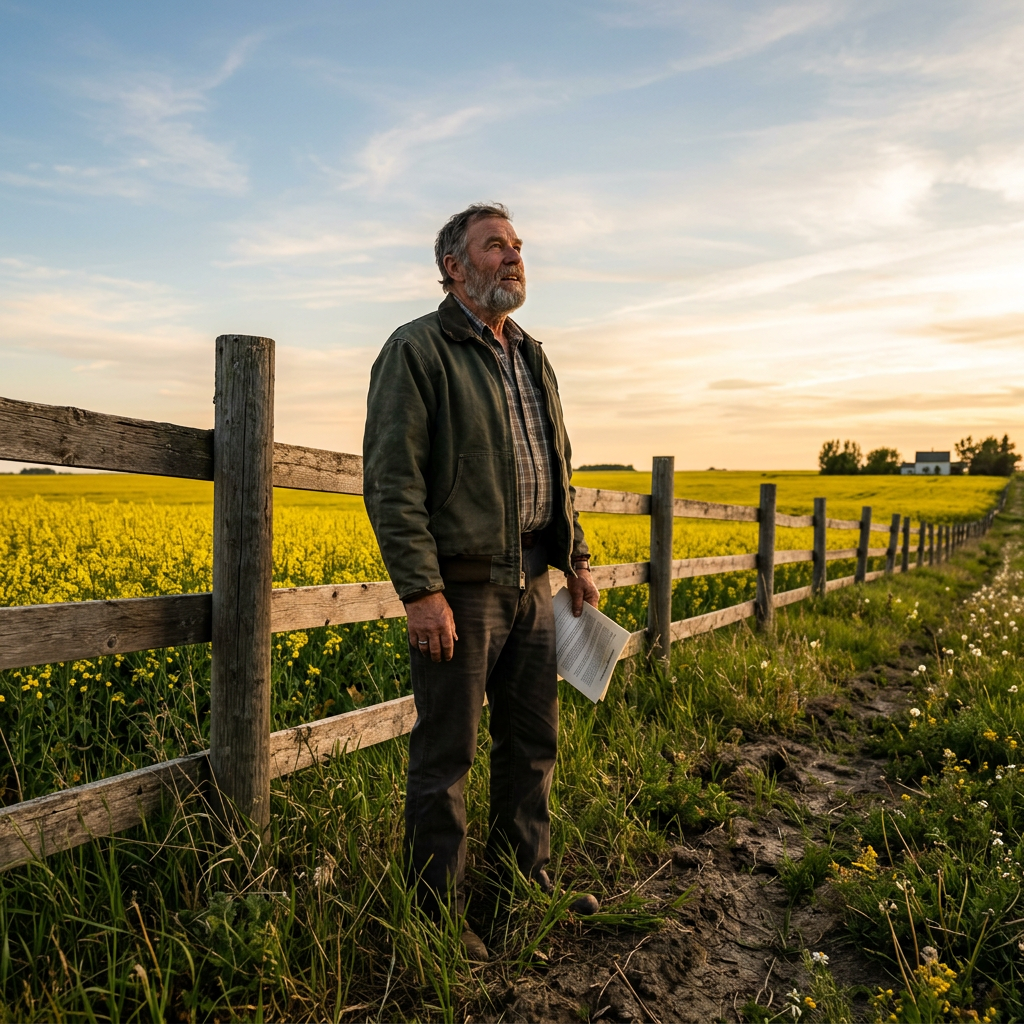
Why Renting Farmland Makes Financial Sense
Before diving into the how, it is worth understanding the why. The decision to rent rather than buy is not simply a matter of affordability. For many farmers, it is a deliberate strategic choice that preserves capital, reduces risk, and allows faster operational growth.
The Core Financial Advantages of Leasing
When you rent farmland instead of buying, you keep your capital working in other parts of the business. Equipment upgrades, seed programs, input costs, and working capital all compete for the same dollars. Leasing land frees up funds that would otherwise be tied up in long-term debt. Here are the key financial advantages worth considering:
- Lower upfront cost: Rental agreements require far less initial capital compared to a land purchase with a significant down payment.
- Reduced interest exposure: You avoid long-term mortgage debt that fluctuates with interest rate changes.
- Flexibility to scale: You can add or reduce acreage as your operation grows or contracts without the complexity of buying and selling property.
- Preserved cash flow: More liquid capital means greater ability to respond to input price swings or unexpected operating costs.
- Lower tax complexity: Lease payments are typically a straightforward operating expense rather than a capital asset requiring depreciation tracking.
Why Farmland Leasing vs. Farmland Buying Is a Real Strategic Decision
The rent-versus-buy question is not one-size-fits-all. Buying land builds long-term equity and provides a degree of tenure security that a lease cannot fully replicate. However, for farmers in growth phases, younger operators without inherited equity, or those entering a new region, leasing farmland provides access without the ownership burden.
The better question is not "which is better" but "which is right for where my operation is today." Many successful Canadian farm businesses carry a blend of owned and rented acres, using leased land to expand their footprint while retaining owned parcels as the anchor of their balance sheet.
How Rising Land Values Have Shifted the Math
According to Farm Credit Canada's 2024 Farmland Values Report, Canadian farmland values have increased significantly across most provinces over the past several years. In some regions, per-acre prices have grown faster than the return on investment from farming those acres would justify on its own. That gap is exactly where renting makes the most economic sense. When land values outpace production returns, leasing keeps your cost structure competitive.
Understanding Farmland Rental Rates Across Canada
One of the most common challenges farmers face when looking to rent is simply not knowing whether the rate they are being quoted is fair. Farmland rental rates across Canada vary significantly depending on province, soil quality, crop type, proximity to infrastructure, and local supply-demand dynamics. Knowing the benchmarks for your region puts you in a much stronger position.
What Drives Rental Rates by Region
Rental rates are not set arbitrarily. They reflect a combination of land productivity, market competition, and what comparable parcels are renting for nearby. In grain-producing regions of Saskatchewan and Manitoba, rates are often tied closely to crop production potential and commodity prices. In Ontario, proximity to processing facilities, drainage quality, and land scarcity in certain counties push rates higher. Understanding what drives farmland rental pricing in your province is essential before entering any negotiation.
Province-level resources can give you useful baselines. For example, Manitoba Agriculture's farmland rental guide outlines the factors that influence rates in that province and provides benchmarks operators can use to assess whether a quoted rate is competitive.
Farmland for Rent in Ontario: What to Expect
Ontario has some of the highest farmland rental rates in the country, driven by strong competition for productive acreage in regions like Southwestern Ontario and the Lake Erie shoreline. Drainage tile, soil class, and cash crop suitability all carry significant weight in determining value. Prospective tenants should be prepared to move quickly on listings in this province, as quality parcels rarely stay available for long. Reviewing county-level data from sources such as Ontario's farmland rental rate estimates by county can help you benchmark before approaching a landowner.
Farmland for Rent in Saskatchewan: Key Considerations
Saskatchewan remains home to some of the most accessible cropland for rent in Canada in terms of available acreage, but that does not mean finding and securing the right parcel is simple. Saskatchewan's vast land base means rates and availability vary enormously by soil zone, from Black soil zone parcels commanding premium rates near Saskatoon and Regina to lighter Brown soil zones with more modest pricing. Understanding which soil zone your target area falls in is the first step when pursuing farmland for rent in Saskatchewan.
How to Find Verified Farmland Listings in Canada
Finding available farmland to rent has traditionally relied on local networks, word of mouth, and cold-calling landowners. Those methods still work in some communities, but they are slow, inconsistent, and heavily dependent on who you know. Digital platforms have fundamentally changed the search process, giving farmers access to verified farmland listings across Canada without needing to know the right people in every township.
The Limitations of Traditional Search Methods
Word of mouth and local agent networks served the industry for decades, but they come with real drawbacks. Listings are often informal and unverified. Pricing is opaque, driven by private negotiation rather than market reality. Farmers from outside a region are at a significant disadvantage compared to locally connected operators. Deals often happen before listings are ever publicized, leaving many capable tenants without access to quality parcels simply because they did not hear about them in time.
The result is an inefficient market where good land and good farmers do not always find each other. For farmers looking to rent in a province they are expanding into, or those without deep local ties, the traditional route is particularly frustrating.
Why Digital Platforms Are Changing the Search Process
The shift to online farmland leasing platforms addresses many of the problems that make traditional search so difficult. Centralized digital marketplaces aggregate listings in one place, allow farmers to filter by province, acreage, and land type, and provide verified property details that reduce the risk of wasted trips to unsuitable parcels. Learning how to navigate farmland listings on these platforms efficiently can cut your search time significantly.
Land4Rent operates as a specialized farmland marketplace that Canadian farmers can use to find verified listings, review detailed parcel information, and bid competitively in a transparent environment. Every listing and tenant on the platform is verified by the Land4Rent team, which means farmers are dealing with real properties and real landowners rather than unvetted postings.
What to Look For in a Listing Before Reaching Out
Not every listing deserves a phone call. Before investing time in follow-up, review each listing carefully against these criteria:
- Soil class and land use history: Past crop rotations and soil classifications tell you a great deal about what the land can produce.
- Drainage and infrastructure: Tile drainage, road access, and proximity to grain storage all affect operational practicality.
- Lease term and structure: Confirm whether the listing specifies a one-year, multi-year, or rolling lease before getting too deep into evaluation.
- Listing verification status: On digital platforms, confirm that the listing and landowner have been verified to avoid wasting time on incomplete or inaccurate postings.
- Rate transparency: Look for listings that provide pricing context or operate through a bidding system, so you know where your offer stands.
How to Find Verified Farmland Listings in Canada
Securing a farmland rental is not simply about agreeing on a price. The lease agreement is where the real details of your working arrangement are formalized, and overlooking the fine print can create significant problems down the road. A well-structured farmland lease agreement in Canada protects both parties and sets clear expectations from day one.
What Should Be Included in a Farmland Lease Agreement
A comprehensive farm lease covers far more ground than the annual rental rate. It should define the term of the lease, any renewal options, tillage and cropping restrictions, responsibility for inputs and improvements, insurance obligations, and dispute resolution procedures. Ambiguity on any of these points is where tenant-landlord conflicts typically originate. The essential sections of a farm lease are worth reviewing carefully before signing anything, particularly if this is your first formal rental arrangement.
Province-specific considerations also matter. Alberta, for example, has particular guidelines around land rental agreements that operators should review. The Alberta government's guidance on land rental agreements is a practical reference for farmers renting in that province.
Understanding Term Length and Renewal Clauses
Lease term is one of the most operationally significant clauses in any agreement. Single-year leases provide flexibility but create uncertainty, particularly if you are investing in soil health practices or tile drainage that requires several seasons to pay off. Multi-year leases offer the tenure security needed to make longer-horizon agronomic decisions. If you are committing to land improvement practices, push for a lease term that gives you a realistic window to realize the return on that investment.
How Structured Farmland Leasing Works in Practice
Understanding how structured farmland leasing works in Canada helps farmers recognize what a fair and well-organized process should look like. On modern platforms, lease generation can be partially automated. Landowners answer a standardized set of questions, and the platform generates a customized, legally binding lease document that reflects agreed terms. This reduces back-and-forth, shortens the time between agreement and signed contract, and minimizes the risk of key clauses being omitted or misunderstood.
How Competitive Bidding Is Reshaping the Rental Market
One of the more significant structural shifts in Canadian farmland leasing has been the introduction of competitive bidding systems. Where rental rates were once set through private negotiation with limited pricing transparency, a competitive farmland bidding system allows market forces to determine fair value in real time.
How the Bidding Process Works for Tenants
In a competitive bid environment, landowners list parcels for rent and set a minimum reserve price. Verified farmers submit bids through the platform, and the highest qualified bid wins the lease. The process is transparent: bidders can see where the current bid stands and decide whether to increase their offer or pursue a different parcel. This structure benefits tenants who are willing to pay a fair market rate, because it eliminates the guesswork of private negotiation and removes the advantage that locally connected farmers traditionally held over outsiders.
It also means that your bid needs to be grounded in real economic analysis. Bid what the land is worth to your operation based on expected yield, commodity prices, and input costs. Overbidding to secure a parcel can quickly erode profitability, especially in tight margin years.
Benefits of Transparent Market Pricing
For the broader industry, transparent farmland rental pricing in Canada through competitive systems has the effect of pulling rental rates closer to true market value. Landowners receive fair returns. Tenants understand exactly what they are paying relative to the market. The opacity that allowed informal arrangements to persist, sometimes at rates well below or above market, is reduced. Leasing agricultural land through a structured platform like this creates a more level playing field for farmers at all stages of their operation.
Staying on Top of Your Lease Portfolio
Once you have secured one or more parcels, managing your lease portfolio becomes its own operational task. Renewal dates, payment schedules, and compliance with lease terms all require active tracking. Tracking farmland leases systematically, whether through a platform or a dedicated records process, helps you avoid missed renewal windows and keeps your tenure on critical parcels secure.
Practical Steps to Rent Farmland in Canada
With the foundational knowledge in place, the path forward comes down to execution. Renting farmland in Canada involves a sequence of steps that, when followed consistently, leads to better outcomes and fewer surprises. Here is how to approach the process with confidence.
Step-by-Step: From Search to Signed Lease
The process of renting agricultural land does not need to be complicated, but it does need to be deliberate. Start with a clear picture of what your operation needs, including acreage, soil type, location, and lease term, before you start searching. Working backward from your operational requirements keeps your search focused and prevents you from overcommitting on parcels that do not fit your actual program. Platforms like Land4Rent allow farmers to search verified listings, participate in live auctions, and move from bid acceptance to signed lease entirely within one system, which significantly reduces the friction and delay common in traditional arrangements.
Building a Strong Tenant Profile
Landowners evaluating bids are not just looking at the dollar amount. They want to understand who will be farming their land and how it will be treated. A strong tenant profile that documents your farming history, agronomic practices, references from previous landlords, and your approach to land stewardship can make a meaningful difference when a landowner is deciding between competitive bids at similar price points. Reviewing what landowner rights matter most to the other side of the table is a useful exercise that prepares you to address those concerns proactively.
Conclusion
Renting farmland in Canada is a practical, financially sound strategy for farmers at virtually every stage of growth. The keys to doing it well are knowing your regional rental market, finding verified listings through reliable channels, evaluating lease terms carefully before committing, and approaching the process with a well-prepared tenant profile. The shift toward digital platforms and transparent bidding systems has made the process more accessible and equitable than it has ever been, giving farmers outside established local networks a genuine chance to compete for quality acreage.
Ready to find your next parcel? Explore verified farmland listings across Canada on Land4Rent and start bidding today.
Frequently Asked Questions (FAQs)
How can farmers find land to rent in Canada?
Farmers can find land to rent through local networks, agricultural agents, and increasingly through digital platforms that aggregate verified listings across provinces. Online marketplaces allow broader search coverage and more transparent pricing than traditional word-of-mouth methods.
What is the average farmland rental rate in Canada?
Farmland rental rates vary significantly by province and soil quality. Prairie provinces like Saskatchewan and Manitoba tend to have lower per-acre rates than Ontario, where demand and land productivity push prices higher. Reviewing provincial benchmarking data from Farm Credit Canada is a good starting point for any region.
How does competitive bidding for farmland work?
In a competitive bidding system, landowners list parcels with a minimum reserve price, and verified farmers submit bids through a platform. The highest qualifying bid secures the lease, and pricing is visible to all participants, which creates a transparent and market-driven rate-setting process.
Why should farmers rent farmland instead of buying?
Renting preserves capital, reduces long-term debt exposure, and gives farmers the flexibility to scale acreage up or down without the complexity of property transactions. For operators in growth phases or new regions, leasing is often the more financially efficient choice.
How do I find agricultural land for lease in Canada?
Start by identifying your operational requirements, including acreage, soil type, and location, then use digital farmland platforms or provincial agricultural resources to search available parcels. Verified listing platforms reduce the risk of encountering inaccurate or outdated postings.
What is the difference between farmland leasing and buying?
Buying builds long-term equity and provides ownership security, while leasing offers lower upfront costs, flexibility, and operational simplicity. Many successful farm businesses carry a mix of owned and rented acres to balance stability with growth capacity.
What should be included in a farmland lease agreement?
A farmland lease agreement should cover the rental rate, lease term, renewal options, tillage and cropping restrictions, responsibility for maintenance and improvements, insurance requirements, and a clear dispute resolution process. Missing any of these elements can lead to misunderstandings or legal complications.
Farmland leasing vs. farmland buying in Canada: which is better?
Neither option is universally better. The right choice depends on your current capital position, growth stage, and operational goals. Leasing is generally preferable when land prices outpace production returns or when flexibility and capital preservation are the priority.
How do I find farmland for rent in Ontario?
Ontario farmland listings can be found through local real estate agents, agricultural networks, and digital platforms. Given the competitive nature of the Ontario rental market, verified digital listings with transparent pricing give farmers a significant advantage in identifying and securing available parcels quickly.
Where can I find cropland for rent in Saskatchewan?
Saskatchewan cropland listings are available through regional farm networks, provincial agricultural resources, and online farmland marketplaces. Filtering by soil zone is particularly important in Saskatchewan given the large variation in land productivity and rental rates across the province.



.svg)


.svg)