%20(1).svg)

.svg)

Introduction
If you own farmland in Canada or farm land you do not own, rental rates are one of the most consequential numbers in your operation. Yet, for most people on both sides of a lease agreement, those numbers feel more like guesswork than science. Landowners worry they are leaving money on the table. Farmers wonder whether they are paying too much for land they need to stay competitive. The truth is that farmland leasing rates are not arbitrary; they are shaped by a specific set of variables that, once understood, make pricing far more legible and negotiable.
This blog breaks down the real factors that drive farmland rental rates across Canada, from soil quality and crop type to regional supply dynamics and how the leasing process itself affects what land ultimately commands in the market. Whether you are a landowner trying to benchmark your property or a farmer evaluating an opportunity, understanding these drivers puts you in a much stronger position.
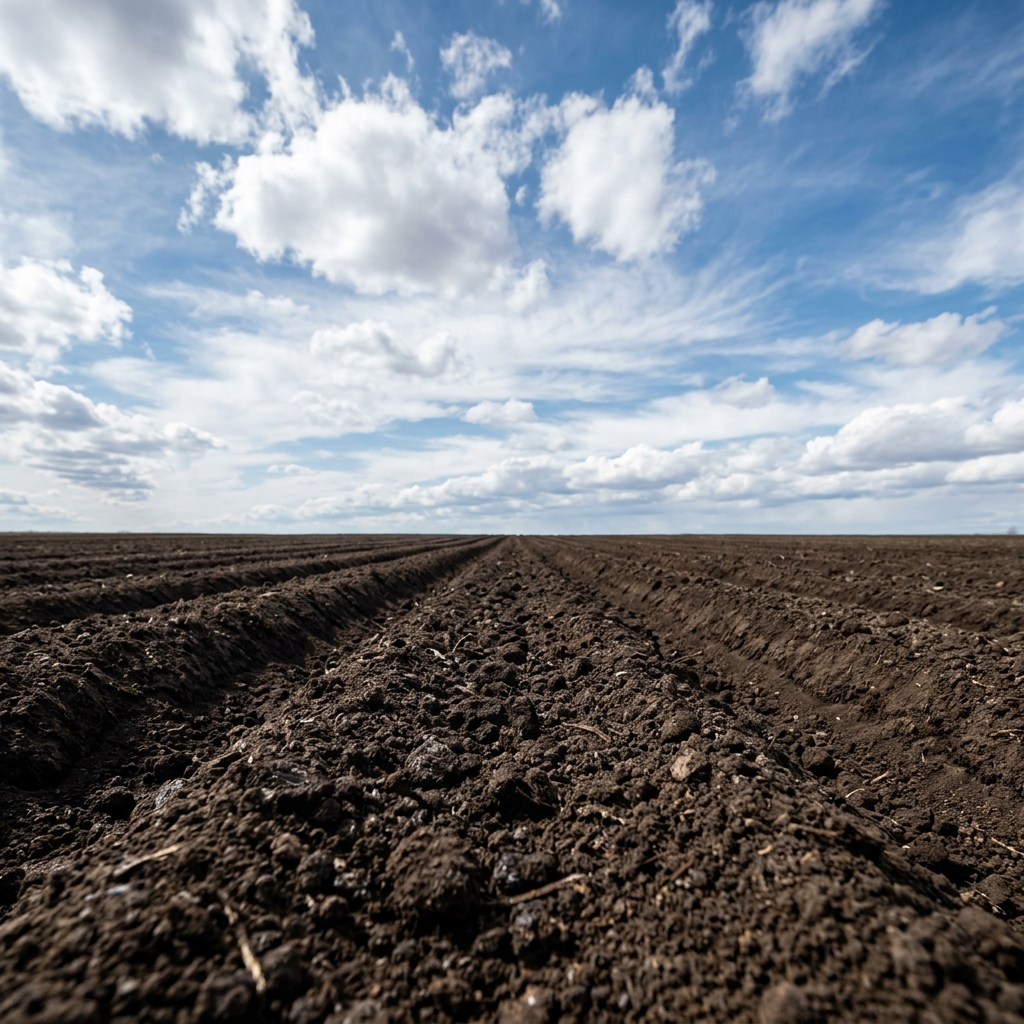
The Core Variables That Set Farmland Rental Rates
Farmland rental rates across Canada are not set by a single authority or index. They emerge from the interaction of several concrete factors, each of which adds or subtracts value from a given parcel. Knowing these variables is the starting point for any realistic conversation about pricing.
Soil Quality and Productivity
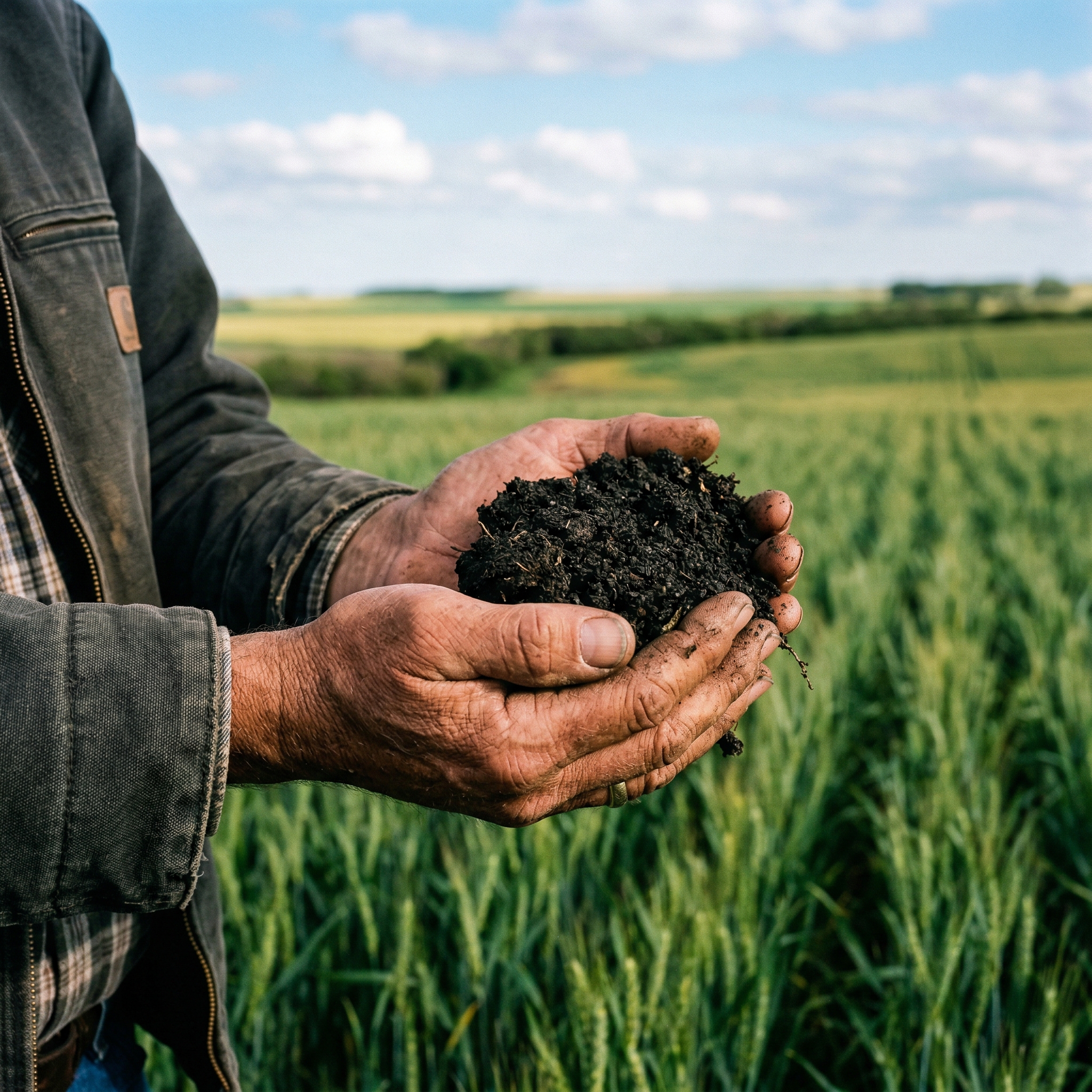
No variable influences rental value more directly than soil. In Canada, soil classification systems, particularly the Canada Land Inventory, rate agricultural land from Class 1 highest capability down through Class 7, and these ratings carry real weight in rental negotiations. A farmer paying to rent a parcel of Class 1 clay loam in southwestern Ontario is paying for yield potential, input efficiency, and reduced crop risk. According to data from Farm Credit Canada's 2024 farmland rental rate analysis, productivity remains one of the strongest predictors of rental value across all provinces. Poorer soils may rent for a fraction of premium cropland in the same region, even when they are geographically close.
Crop Type and Land Use Potential
What the land can grow, and what a farmer intends to grow on it has a significant influence on what they will bid or offer. Cropland for rent in Western Canada suited to canola, wheat, or pulse crops typically commands stronger rental rates than land restricted to hay production or pasture, largely because commodity crops generate higher gross revenue per acre. Specialty crop ground, land suited to processing vegetables, soybeans, or edible beans in Ontario, for example, can push rates even higher, reflecting the premium markets those crops access. Farmers evaluating a lease weigh what the land can realistically produce against the rent they are being asked to pay, so land use potential directly shapes the ceiling of what a parcel will rent for.
Location and Regional Market Demand
Canadian farmland does not exist in a vacuum. Regional supply and demand conditions are among the most powerful forces behind rental pricing, and they vary dramatically by province. Alberta farmland leasing operates under a different set of pressures than leasing in Ontario or Saskatchewan. In high-demand agricultural regions where available land is scarce and farming operations are consolidating, rental rates rise because more operators are competing for fewer acres. In areas with looser supply, rates reflect less competitive pressure. For landowners, understanding where their property sits within this regional demand picture is essential to setting a defensible asking price rather than accepting the first offer that comes along.
How Lease Structure and Terms Affect Rental Value
The mechanics of the lease itself, not just the land underneath it, have a real effect on what a property ultimately rents for. Farmers and landowners sometimes focus so heavily on the per-acre rate that they overlook how term length, payment structure, and flexibility provisions can shift the effective value of an agreement for both sides.
Lease Length and Security of Tenure
Longer leases often create a trade-off between rate and stability. A farmer willing to commit to a five-year or ten-year lease may negotiate a slightly lower per-acre rate in exchange for the operational security that comes with tenure certainty. That security allows them to invest in tile drainage, lime applications, or other soil improvements that would not make economic sense on a year-to-year arrangement. For landowners, longer terms reduce the administrative burden of finding new tenants and provide income predictability, but they also limit the ability to adjust rates as market conditions change. Understanding the key terms in Canadian farm commercial leases before signing protects both parties from costly misunderstandings down the road.
Payment Timing and Flexibility Clauses
Lease payment structure matters more than many landowners realize. Agreements requiring full annual payment upfront carry different risk profiles for farmers than those structured around semi-annual or crop-year-end payments aligned with grain sales. Flexibility clauses, those covering early termination, subletting rights, or equipment storage, can add to or reduce the attractiveness of a lease from a farmer's perspective, which in turn affects the competitive interest a listing generates. A well-structured farm lease agreement that addresses these provisions clearly tends to attract more serious interest than one that is vague or one-sided.
Infrastructure and Drainage
Physical characteristics beyond soil class, such as drainage quality, road access, grain storage proximity, and existing field infrastructure, add tangible value to a rental listing. Tiled, well-drained fields reduce the risk of planting delays, waterlogging losses, and equipment damage, all of which matter to a farmer calculating their operational risk before bidding. In regions where drainage infrastructure is costly to install, land that already has it in place commands a meaningful premium. Ontario's provincial guidance on sustainable land rental highlights drainage and land stewardship as factors landowners should document and communicate clearly to prospective tenants.
Regional Rate Benchmarks Across Canada
Farmland rental rates are not uniform across Canada; they reflect the underlying economics of each region's agricultural sector. Getting oriented to provincial benchmarks helps both landowners and farmers enter negotiations with realistic expectations rather than assumptions.
Ontario: High-Demand, Premium Pricing
Farmland rental rates in Ontario rank among the highest in the country, driven by limited supply, strong commodity markets, and intense competition for Class 1 and Class 2 cropland in counties like Huron, Perth, and Middlesex. Cash crop acres in these areas frequently rent for $200 to $350 or more per acre annually, with some specialty crop ground pushing significantly higher. The density of farming operations, proximity to processing facilities, and access to export infrastructure all contribute to a market where demand consistently outpaces available acreage. Landowners in Ontario who have not reviewed their rates against current market conditions are frequently renting below value.
Saskatchewan: Volume and Commodity Sensitivity
Saskatchewan accounts for a substantial share of Canada's total cultivated farmland, and its rental market reflects the scale and commodity sensitivity of western grain farming. Rates for farmland for lease in Saskatchewan tend to be lower on a per-acre basis than in Ontario but vary significantly depending on soil zone; dark brown and black soil zones command notably higher rates than grey soil regions. Canola and wheat economics drive a significant portion of rental pricing in the province, meaning commodity price swings create real volatility in what farmers are willing to pay. Statistics Canada's Census of Agriculture tracks rental trends at the provincial level and offers useful context for benchmarking.
Alberta: Mixed Pressure and Diverse Land Types
Alberta's rental market is shaped by its diversity; irrigated cropland in the south commands very different rates from dryland grain country in the Peace Region. The province has seen sustained upward pressure on rental rates in recent years as farmland values have appreciated and operational expansion has intensified competition for available acres. According to the Farm Credit Canada 2024 Farmland Values Report, Alberta saw some of the strongest farmland value appreciation in the country, and rental rates have followed. For landowners, understanding the specific subregion their property sits in is essential to avoiding underpricing in what has become a competitive leasing environment. The provincial government also provides guidance on important considerations for land rental agreements that both parties should review before entering a lease.
Why Private Negotiations Often Produce Suboptimal Rates
Much of Canada's farmland is still rented through informal, private arrangements, a handshake deal with a neighbour, a renewal of an agreement that has not changed in a decade, or a lease negotiated without any market data at hand. These arrangements have a consistent pattern: they tend to undervalue the land for owners and, in some cases, create uncertainty for farmers who cannot be sure whether the informal terms they rely on will hold up.
The Information Problem in Private Leasing
Private negotiations are limited by what both parties actually know. Most landowners do not have access to current, comparable rental data for their region. They rely on what a neighbouring farmer told them, what they paid twenty years ago, or what feels reasonable, none of which reliably reflects market conditions. Farmers, similarly, have limited visibility into what their competitors are paying for similar ground. This information asymmetry consistently favours whoever is more active in the local market, which is typically the farming operation rather than the landowner. Learning how to find farms for rent in Canada through structured platforms rather than word of mouth begins to close that information gap on both sides.
How Competitive Bidding Produces Fairer Pricing
Competitive farmland bidding addresses the information problem directly. When a parcel is listed openly and multiple qualified farmers submit bids, the resulting rate is shaped by real demand from real operators who have evaluated the land on its merits. There is no anchoring to a previous arrangement, no social pressure to accept a below-market rate, and no guesswork about whether a different farmer would have paid more. Farmland auctions work precisely because they surface the market-clearing price rather than a negotiated approximation of it. For landowners who want to maximize returns on farmland, this mechanism is one of the most reliable tools available.
The Role of Verified Listings in Market Confidence
One underappreciated barrier to fair pricing in private farmland rental markets is the absence of verified information. When a landowner cannot confirm that a prospective tenant is financially reliable, agriculturally experienced, or who they claim to be, they often default to someone they already know, even if that person is not offering the best rate. Verified farmland listings and verified farmer profiles remove this barrier by establishing trust before negotiations begin, allowing landowners to evaluate offers on their merits rather than on familiarity alone. Platforms like Land4Rent handle this verification process as part of their core offering, so both parties enter the transaction with a baseline of confirmed credibility.
Using a Farmland Rental Marketplace to Your Advantage
Whether you are a landowner or a farmer, the shift from private, informal leasing to a structured agricultural land rental platform changes the dynamics of the entire process. The advantages go beyond just pricing transparency; they extend to legal protection, payment reliability, and access to a broader market of counterparties.
What Landowners Gain from a Structured Platform
For landowners, listing on an online farmland marketplace means exposure to a pool of verified, active farmers rather than whoever happens to be farming adjacent land. This broader reach directly affects competitive interest and, by extension, the rate a property achieves. Beyond rate, structured platforms typically handle the lease documentation, payment processing, and record-keeping that private arrangements leave to chance. The landowner portal on Land4Rent, for example, walks property owners through listing, bidding, and lease generation in a single workflow, reducing the administrative friction that often leads landowners to accept suboptimal arrangements just to avoid the paperwork.
What Farmers Gain from a Structured Platform
For farmers, a farmland rental marketplace provides access to listings that would never surface through informal networks. This matters particularly for newer or expanding operations that have not yet built the local relationships that traditionally gatekeep access to quality land. Participating in a transparent bidding process also gives farmers market intelligence; what rates are clearing for comparable land in their target region is visible through the process itself. The farmer portal gives operators a structured way to browse, bid on, and manage leased parcels, reducing the inefficiency that comes with managing multiple informal arrangements separately.
The Lease Agreement as a Foundation for the Relationship
A rental rate agreed upon through a competitive, transparent process is only as valuable as the lease that formalizes it. Structured farmland leasing in Canada works best when the documentation accurately reflects the terms agreed upon, covers the contingencies both parties care about, and is legally binding from the outset. Handshake agreements may feel efficient, but they routinely generate disputes over land use, improvements, and termination conditions that cost both sides far more than a properly drafted lease would have. Understanding the basics of leasing farmland before signing anything is one of the most practical steps any landowner or farmer can take.
Conclusion
Farmland rental rates in Canada are driven by a combination of soil quality, crop potential, regional demand, lease structure, and how openly a property is marketed. Landowners who understand these variables are better positioned to price their land accurately and attract serious, qualified tenants. Farmers who grasp the same dynamics can evaluate lease opportunities with confidence and negotiate from a position of knowledge rather than assumption. The move from private, informal arrangements toward competitive, transparent leasing processes represents a meaningful upgrade for both sides of the market, one that consistently produces fairer outcomes and more reliable relationships. If you are ready to list your farmland or find your next lease through a verified, competitive process, explore what the Land4Rent auction platform can do for your operation.
Start your farmland leasing journey on the right footing. Visit Land4Rent to list your land or browse available parcels today.
Frequently Asked Questions (FAQs)
What is the average farmland rental rate in Canada?
Average rates vary significantly by province and soil quality. Ontario's prime cropland can exceed $300 per acre annually, while Saskatchewan and Alberta rates vary widely by soil zone and crop type, often ranging from $30 to over $150 per acre.
How does competitive bidding work for farmland?
Competitive bidding allows multiple verified farmers to submit rental offers on a listed parcel, driving the final rate to a true market price. The landowner reviews bids and selects the offer that best meets their criteria, without relying on a single private negotiation.
What documents are needed for a farmland lease?
A standard farmland lease in Canada should include the legal description of the land, rental rate and payment schedule, term length, permitted land uses, and provisions for early termination and improvements. Both parties should retain signed copies.
What are the benefits of renting farmland vs buying?
Renting farmland requires significantly less upfront capital than purchasing, allowing farmers to scale their operation without taking on large debt. For landowners, renting preserves asset ownership while generating annual income from land they do not actively farm.
Can I lease agricultural land online in Canada?
Yes, online platforms now make it possible to list, bid on, and finalize farmland leases entirely digitally, including lease generation and payment processing. This approach expands access for both landowners and farmers beyond their immediate local networks.
How do I find verified farmers to rent my land?
Listing on a specialized farmland rental marketplace that performs tenant verification is the most reliable approach. These platforms confirm that prospective tenants are legitimate, active farming operations before they are permitted to bid on available land.
What is the best platform to rent farmland in Canada?
The best platform for renting farmland in Canada is one that combines verified listings, competitive bidding, automated lease generation, and secure payment processing in a single workflow. Platforms built specifically for agricultural leasing outperform general real estate tools in this regard.
How do I find farmland for rent near me in Ontario?
Searching a specialized agricultural leasing platform with region-specific filters is the most efficient approach. Listings on dedicated farmland marketplaces are typically more current and detailed than those found through general property search tools or local word-of-mouth.
Is farmland leasing profitable for landowners in Saskatchewan?
Farmland leasing in Saskatchewan can be profitable for landowners, particularly those holding black or dark brown soil zone land with strong crop potential. Returns depend on competitive marketing of the land, accurate benchmarking against current regional rates, and securing reliable, long-term tenants.
Land4Rent vs traditional farmland rental: which is better?
For most landowners and farmers, a platform-based approach like Land4Rent's produces better outcomes than traditional private arrangements by providing market-driven pricing, verified counterparties, and legally documented leases, reducing risk and administrative burden on both sides.


.png)


.svg)


.svg)