%20(1).svg)

.svg)

Introduction
Two parcels of land can sit within the same county, carry the same number of acres, and still command rental rates that differ by hundreds of dollars per acre. That gap isn't random. Farmland rental value is shaped by a layered set of factors that most landowners and farm operators have never formally mapped out. Understanding what actually drives per-acre rates isn't just academic — it determines whether a lease is fair, competitive, and built on something real. This guide breaks down the variables that matter most, and how to read them clearly before you negotiate or sign anything.
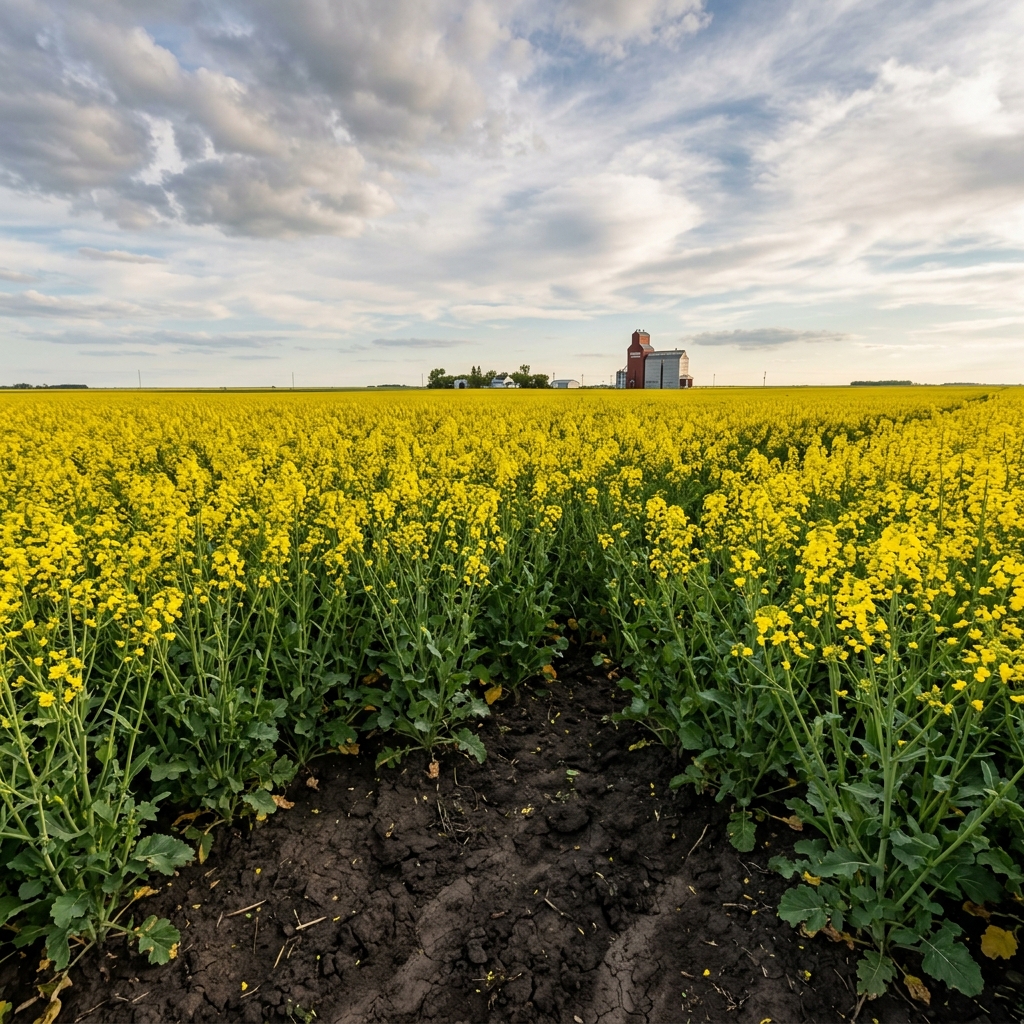
The Foundation of Farmland Rental Value
Before any rate discussion makes sense, you need to understand what rental value is actually measuring. It isn't simply what the land costs to own or what a neighbor is charging. Agricultural land rental value reflects the land's productive capacity relative to what a farmer can realistically earn from it in a given season, in a given region, using current input and commodity prices.
Soil Quality and Classification
No factor carries more weight than soil. In Canada, Canadian soil types are classified under a national rating system, and those classifications directly influence what tenants are willing to pay. A parcel rated Class 1 or Class 2 can support consistent high-yield cropping. Lower-rated land may require more inputs to achieve comparable yields, which squeezes tenant margins and suppresses rental bids accordingly.
- Soil texture and drainage: Well-drained loam holds more value than heavy clay or compacted soils prone to waterlogging.
- Organic matter content: Higher organic matter supports stronger yields with lower input costs, making land more attractive to serious operators.
- Salinity and pH levels: Land with elevated salinity or imbalanced pH is harder to manage profitably, which tenants factor into their offers.
- Topography: Flat or gently rolling land is easier and cheaper to work than steep or broken terrain, and rental rates reflect that difference.
Crop History and Land Productivity Records
A parcel with documented yield history carries a clear advantage over land with no records at all. Farmers evaluating cropland for rent want evidence that the land can perform, not just assurances. Yield maps, crop rotation records, and input histories let tenants model their expected returns with real data. Landowners who can produce this documentation consistently attract more competitive bids and more qualified tenants. If records don't exist, a soil health checklist completed before listing can partially bridge that gap by providing current baseline conditions.
Infrastructure, Access, and Regional Market Conditions
Soil is the baseline, but infrastructure and market context determine how that soil translates into dollars. A high-quality parcel that is difficult to access, lacks water, or sits in a region with thin demand may still underperform its potential rental value.
Water Access and Irrigation
For dryland farming regions, reliable moisture and natural water retention matter enormously. For irrigated land, the infrastructure itself becomes a core value driver. Soil and land management research consistently shows that irrigated acreage commands a significant premium over dryland equivalents. Access to water licenses, pivot infrastructure, and drainage systems all affect what a tenant can produce and what they'll reasonably offer in rent.
Field Shape, Accessibility, and On-Farm Infrastructure
Square, consolidated fields with good road access are meaningfully more efficient to farm than irregular parcels with poor approaches. Tenants using large modern equipment value the ability to turn efficiently, minimize headland waste, and move between fields quickly. Grain bins, machine sheds, fencing for pasture land for rent, and existing tile drainage systems can all add measurable value to a lease offering. These aren't minor details: they reduce the tenant's capital requirements and operating friction, which shows up directly in bid prices.
Regional Market Demand and Provincial Context
Farmland rental rates Alberta operators see are shaped by different forces than those driving rates in Saskatchewan or Ontario. Alberta's mixed crop and cattle economy creates demand for both grain land and pasture. Farmland rental in Saskatchewan is heavily influenced by grain commodity markets and the province's dominance in canola, wheat, and pulse production. Ontario sees pressure from higher land values, diverse cash crop demand, and proximity to processing and export infrastructure. Understanding the provincial context isn't optional; it's what separates a realistic rate from a guess. Statistics Canada agricultural data provides a useful reference point for tracking how regional land use and farm structure trends evolve over time.
How Valuation Gaps Happen and How to Close Them
The most common reason a farmland rental rate misses the mark is incomplete information on one or both sides of the transaction. Landowners may rely on what a neighbor charges without accounting for differences in soil quality or infrastructure. Tenants may lowball based on visible land condition without access to yield records. Both outcomes produce rates that don't reflect actual market value.
The Case for Transparent, Data-Driven Leasing
The most reliable way to establish what is a competitive farmland rental rate is to expose the land to real market demand with full, accurate information attached. When tenants can evaluate verified listings that include soil data, field maps, infrastructure details, and crop history, they bid with confidence. That competition naturally drives rates toward fair market value without requiring either party to guess. Farmland rental auctions operate on this principle: the rate that emerges reflects what qualified operators in the current market are actually willing to pay for a specific parcel's specific attributes.
Avoiding Common Mispricing Mistakes
Landowners who set rates without market reference risk two outcomes: pricing too low and leaving real income on the table, or pricing too high and attracting no serious interest. Accurate land data is the corrective for both. Investing time in a proper pre-lease assessment, including soil testing, infrastructure documentation, and a review of recent comparable transactions in the region, positions landowners to enter any leasing conversation from a place of knowledge rather than uncertainty. For farm operators, the same diligence protects against overpaying for land that cannot support the yields needed to justify the rent. Farm Credit Canada's farmland values report is one benchmark worth consulting annually to keep a pulse on regional pricing trends.
Using a Verified Platform to Protect Both Sides
Private arrangements are common in agricultural leasing, but they carry real risks: unverified tenants, informal terms, and rates set without market context. Renting farmland across Canada through a platform that verifies both listings and tenants removes much of that exposure. Land4Rent operates exactly this way, connecting landowners with verified farmers through a competitive auction process where rates are set by real market demand, not estimates. The platform also handles lease generation and payment tracking, which reduces administrative risk on both sides of the transaction.
Conclusion
Farmland rental value is never just about acreage. It is the product of soil classification, water access, infrastructure, crop history, field workability, and the regional market conditions that determine what a qualified tenant can afford to pay. Landowners who understand these variables can list with confidence and attract better-fit tenants. Farm operators who apply the same framework can evaluate parcels accurately and avoid overpaying for land that doesn't match the rate being asked. The gap between a mispriced lease and a fair one almost always comes down to how much real information is on the table before anyone signs. Build that information base first, and the rate tends to follow.
Ready to find out what your farmland is worth on the open market? List your parcel on Land4Rent and let competitive, verified bidding set the rate.
Frequently Asked Questions (FAQs)
What factors affect farmland rental value in Canada?
Farmland rental value in Canada is driven by soil quality classification, water access, crop history, field shape and accessibility, on-farm infrastructure, and the specific regional market demand in provinces like Alberta, Saskatchewan, Manitoba, and Ontario.
What is the average farmland rent per acre in Canada?
Average farm rent per acre varies significantly by province and soil class, but publicly reported provincial averages have ranged from under $50 per acre in lower-demand regions to over $200 per acre for high-quality cropland in competitive markets like parts of Ontario and Alberta.
How to set fair farmland rental rates?
Fair farmland rental rates are best established by combining a thorough assessment of the land's soil class, yield history, and infrastructure with a review of recent comparable transactions in the region, ideally validated through a competitive, transparent leasing process.
Farmland leasing vs farmland buying: which is better?
Farmland leasing offers operators the ability to scale acreage without the capital commitment of purchasing, while buying builds long-term equity; the right choice depends on the operator's growth stage, available capital, and how long they plan to work the land.
What is the best platform to rent farmland in Canada?
The best platform for farmland rental in Canada is one that verifies both listings and tenants, provides transparent market-driven pricing through competitive bidding, and manages the full leasing process from listing through to signed agreements and secure payments.



.svg)


.svg)