%20(1).svg)

.svg)

Introduction
Leasing farmland for the first time is one of the most important decisions a Canadian farmer will make. Whether you are a young operator just starting out or an established grower looking to expand your acreage, farmland leasing in Canada comes with a learning curve that experienced operators rarely talk about. Finding available land, evaluating a listing, understanding lease terms, and competing fairly for quality acres are all steps that can feel overwhelming without a clear roadmap.
This guide is built to change that. It walks you through each stage of the farmland rental process in plain language, from identifying what you need to signing a lease and making your first payment. By the end, you will know exactly what to expect and how to approach the process with confidence.
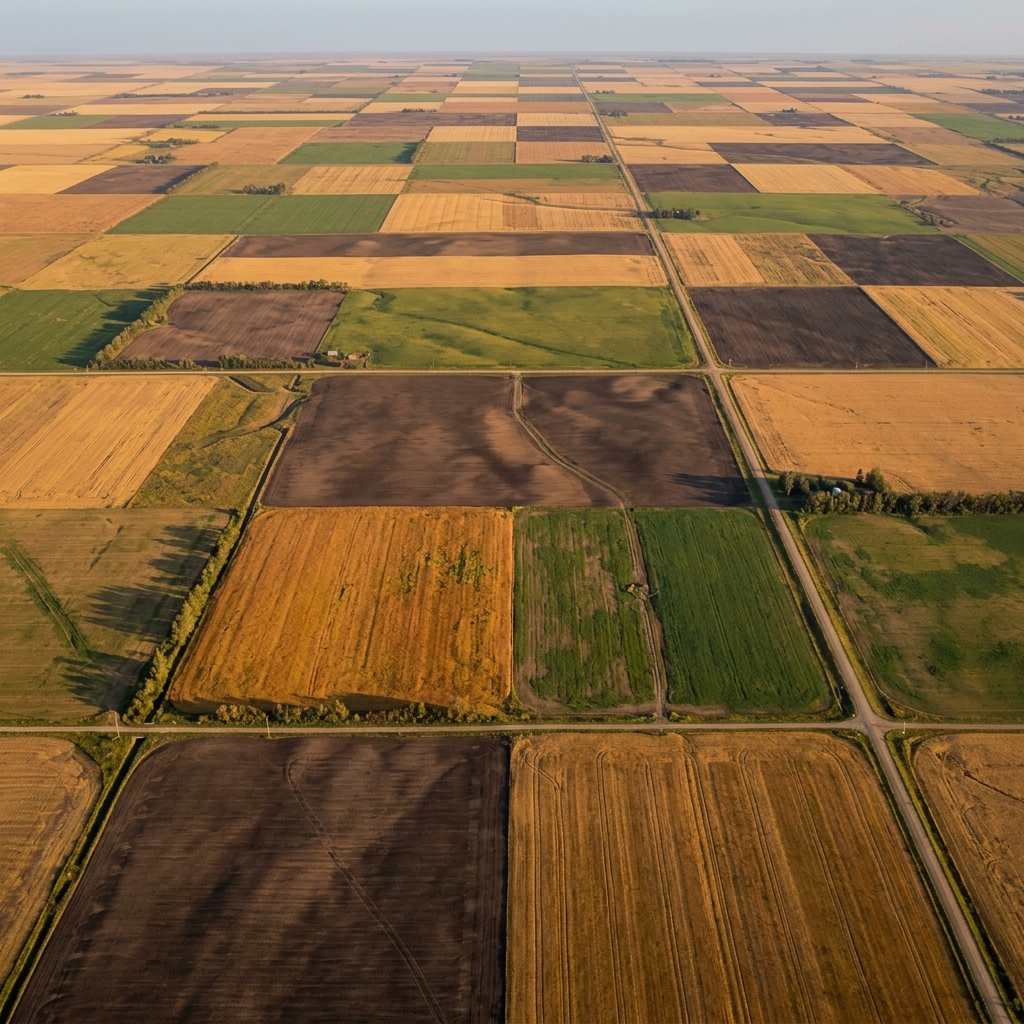
Understanding What You Need Before You Search
Before you start browsing listings or contacting landowners, it pays to get clear on your own requirements. Many first-time lessees jump straight to searching without defining what they actually need, and that leads to wasted time and poor fits. A few hours of planning at this stage will save weeks of back-and-forth later.
Defining Your Land Requirements
Every farming operation is different, so your land requirements should be specific to your crop type, equipment capacity, and operational goals. Think through the following before you search:
- Acreage range: Determine the minimum and maximum number of acres that make sense for your operation this season.
- Soil type and drainage: Crops like canola, soybeans, or corn have distinct soil requirements. Know what you need before you evaluate any listing.
- Location relative to your operation: Travel time and proximity to your existing land or equipment storage matters more than many first-time lessees expect.
- Lease duration: Decide whether you need a single-season agreement or a multi-year term that allows you to invest in the land properly.
- Budget per acre: Research current farmland rental rates in Canada for your target region so you know what to expect going into a bid.
Knowing Your Region's Market
Farmland rental rates vary significantly across provinces. What you pay per acre in southern Ontario is very different from what the market looks like in Saskatchewan or Manitoba. Before bidding on any listing, spend time understanding local benchmarks. Farmland rental rates in Canada are shaped by soil productivity, proximity to processing facilities, commodity prices, and local demand. Knowing where the market sits in your area means you can bid with confidence rather than guesswork.
Assessing Your Own Readiness
A landowner leasing their property is also evaluating you. Before you engage with any listing, make sure you can speak clearly to your farming experience, the crops you intend to grow, how you manage soil health, and your financial stability. Many landowners, especially those listing on structured farmland leasing platforms, expect a certain level of professionalism from prospective tenants. Being prepared shows respect for the landowner's property and gives you a competitive edge.
How to Find Farmland for Rent in Canada
Finding available farmland used to mean relying on word of mouth, local auctions, classified ads, and personal connections. That approach still exists, but it is slow, inconsistent, and heavily dependent on who you know. Today, farmland access for farmers has improved significantly through digital platforms that centralize listings and make the search process more transparent.
The Limits of Traditional Search Methods
Traditional methods of locating farms for rent in Canada tend to favour operators who already have established relationships with landowners. If you are new to an area or early in your career, you are often the last to hear about available acreage. Listings passed through informal networks are rarely competitive, and the terms are sometimes vague or undocumented. This creates real risk for both parties. A handshake agreement might feel efficient, but it offers no protection if a dispute arises over land use, improvements, or payment.
Why Online Platforms Change the Game
Online farmland leasing platforms level the playing field. Rather than relying on connections, first-time lessees can search verified listings by province, acreage, soil type, and lease term. They can see asking rates, compare properties side by side, and engage directly through the platform without cold calling or showing up unannounced. For someone searching for farmland for lease in Ontario or looking at opportunities in Saskatchewan, this kind of centralized access is a significant advantage over the traditional model.
What to Look for in a Verified Listing
Not all listings are equal. Verified farmland listings include documented soil data, clear acreage boundaries, drainage information, and accurate descriptions of existing infrastructure like tile drainage, bins, or access roads. When a listing has been reviewed and confirmed by a platform team, you can trust that the property information is accurate before you invest time evaluating it further. Always look for listings that include soil quality data, recent crop history, and clear photos or maps of the land. If that information is missing, ask for it before proceeding.
Understanding the Farmland Rental Auction Process
One of the most significant shifts in how farmland is rented in Canada today is the move toward competitive online bidding. Rather than negotiating privately with a landowner, farmers now have access to a farmland bidding platform that determines rental rates through transparent, market-driven competition. This is fairer for everyone involved and produces rates that reflect genuine demand.
How Online Rental Auctions Work
In a farmland rental auction, a landowner lists their property with a starting bid or reserve rate. Verified farmers browse the listing, review the property details, and place bids over a set auction period. Each bid is visible to other participants, and the highest bid at the close of the auction secures the lease, subject to landowner approval. This process eliminates the ambiguity of private negotiation and ensures that competitive farmland bidding reflects actual market conditions rather than what one party could negotiate on a given day. You can learn more about how this system is designed to protect both parties in a dedicated guide on farmland auctions.
How to Bid Competitively Without Overbidding
Bidding well is a skill. Start by anchoring your maximum bid to what the land can realistically produce for your operation, weighed against your input costs and expected commodity prices. Do not bid emotionally or let competition push you past what is economically sound. If you have done your research on regional rental benchmarks and soil productivity, you will know when a rate crosses the line from aggressive to unsustainable. Setting a firm ceiling before the auction opens is one of the most practical things a first-time bidder can do.
What Happens After You Win a Bid
Winning an auction bid is not the final step. It initiates the lease formalization process, where both parties review and agree to the specific terms of the rental agreement. This includes the lease duration, permitted crop types, responsibility for inputs and improvements, payment schedule, and renewal conditions. On a well-structured platform, this process is largely automated, which reduces the back-and-forth and ensures nothing is left undocumented.
Navigating a Farmland Lease Agreement in Canada
The lease agreement is the foundation of the entire rental relationship. It protects both the farmer and the landowner, and it needs to be taken seriously regardless of how well you know the other party. Many disputes in farmland rentals trace back to ambiguous or incomplete agreements, which is why understanding what a proper lease includes is essential for any first-time lessee.
Core Components of a Farmland Rental Agreement
A solid farm lease agreement will address several critical areas. These typically include:
- The legal description of the land
- The agreed rental rate and payment schedule
- The term of the lease and any renewal options
- Permitted and prohibited land uses
- Responsibilities for soil management and conservation
- Liability and insurance requirements
- The conditions under which the lease can be terminated early
Each of these sections matters. A farmland rental agreement in Canada that skips over soil management obligations, for example, can leave a farmer exposed if the landowner claims the land was damaged at the end of the term.
What to Review Before You Sign
Read every clause carefully before signing. Pay particular attention to renewal terms and how much notice is required to exit or extend the lease. Understand what "permitted use" means in the context of your agreement. If you plan to apply tile drainage, install infrastructure, or transition to organic production, those intentions should be written into the agreement explicitly. Never assume verbal understandings will hold up if a dispute arises. If something important was discussed but is not written down, it does not legally exist.
The Value of Professionally Generated Lease Documents
One of the most practical reasons to use a dedicated farmland rental marketplace is access to professionally generated lease documents. Platforms like Land4Rent automate lease creation based on the agreed terms, producing customized, legally grounded agreements without requiring either party to hire a lawyer or use a generic template. This reduces friction and ensures that both the landowner and the farmer are working from the same documented understanding from day one.
Evaluating the Land Itself Before You Commit
A competitive bid and a signed lease mean nothing if the land itself cannot support what you need it to produce. Physical due diligence is a step that first-time lessees sometimes skip in their eagerness to secure acreage, but it is one of the most important parts of the entire process.
Soil Quality and Drainage Assessment
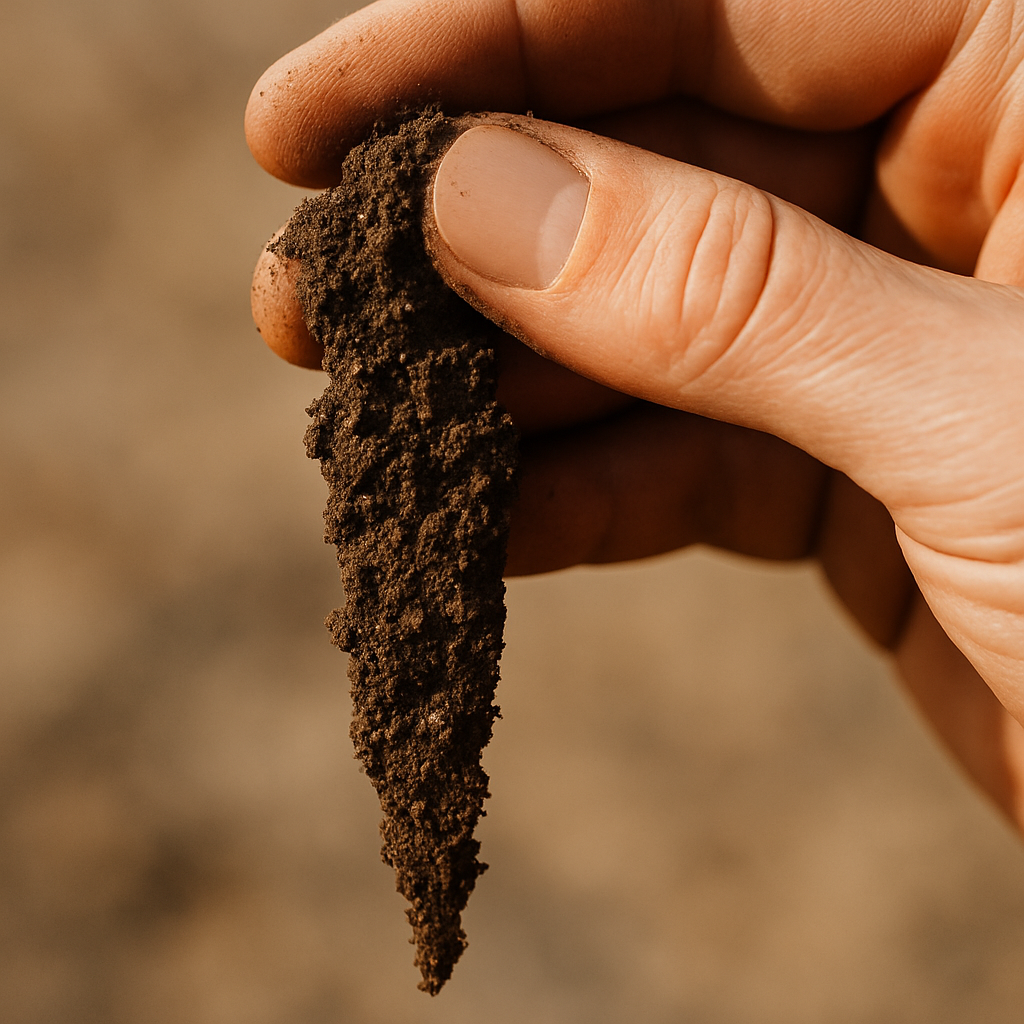
Soil health is the single most important factor in determining whether a piece of land will work for your operation. Before committing to any lease, visit the property and review available soil data. Evaluating soil quality before leasing farmland involves looking at texture, organic matter levels, compaction history, and drainage capacity. A soil survey report, if available, will tell you more in ten minutes than a visual inspection will tell you in an hour. If the listing does not include soil data, request it, or commission your own assessment before signing.
Infrastructure and Access
Beyond soil, evaluate the practical infrastructure that affects your operating costs. This includes road access for your equipment, proximity to grain handling facilities, the condition of any tile drainage systems, and whether bins or other on-site storage exist. Young Agrarians, a Canadian organization supporting new farmers, also recommends understanding any environmental sensitivities on a property, such as wetlands, buffer zones, or creek setbacks, before signing a lease. These features can restrict how and where you farm.
Verifying What You Are Told
Even with verified listings, it is good practice to confirm key details independently. Walk the land in person if at all possible. Talk to neighbouring farmers if you can. Check public records for drainage infrastructure or land use restrictions. The Manitoba farmland rental guide published by the provincial government includes useful checklists for assessing farmland before entering a lease, and similar resources exist in most provinces. Using these tools alongside platform-provided information gives you the most complete picture before you commit.
Making the Most of a Dedicated Farmland Rental Platform
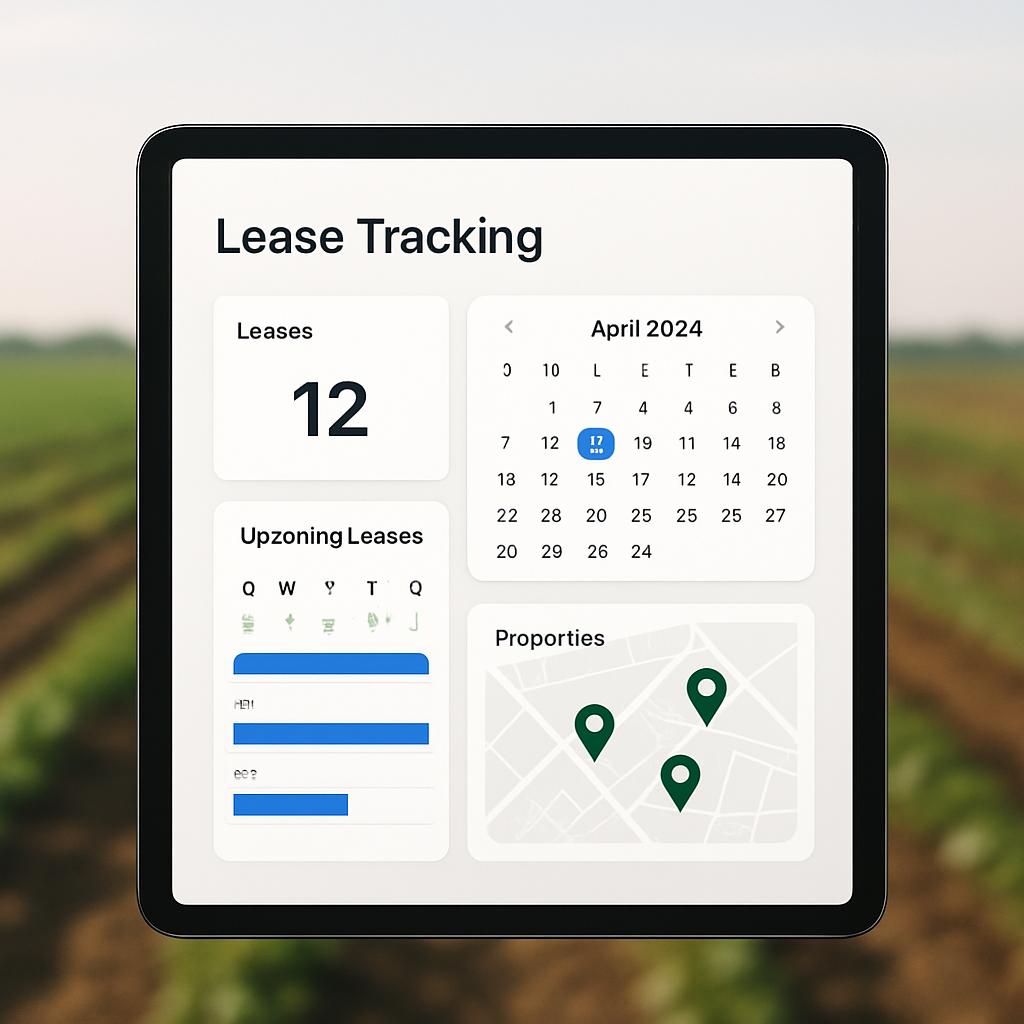
Using a purpose-built platform to find and secure farmland changes the leasing experience entirely. Rather than managing disconnected steps across phone calls, paper documents, and informal meetings, a digital marketplace consolidates everything into a single, trackable workflow. For first-time lessees in particular, this structure removes a significant amount of uncertainty from the process.
What a Purpose-Built Platform Offers That General Listings Do Not
General classified sites and real estate portals occasionally carry farmland listings, but they are not built for agricultural transactions. They lack soil data fields, auction infrastructure, verified user profiles, and integrated lease generation. A dedicated Canadian agricultural land rental platform is designed around the actual steps of the leasing process. That means listings are structured to surface the information farmers need, bidding is managed transparently, and the transition from winning bid to signed lease is handled within the same system. For first-time lessees comparing their options, this difference in functionality is meaningful.
How Verification Protects Both Parties
On a platform where both listings and tenant profiles are verified, you can engage with confidence. You know the landowner is real, the land is what it claims to be, and the other bidders are legitimate operators. This matters most when you are new to the process and have not yet built the local knowledge to assess these things instinctively. Platforms that skip verification expose both parties to fraud, disputes, and wasted time. When evaluating farmland listings and rental platforms, verification should be a non-negotiable feature, not a bonus.
Payments, Records, and Renewal
After a lease is signed, the relationship between farmer and landowner continues for the duration of the term. A good platform handles payment processing securely, maintains transaction records for both parties, and supports renewal conversations when the time comes. Having a documented payment history within a single platform also simplifies your record-keeping for tax purposes and demonstrates financial reliability if you pursue additional leases in the future. Farm Credit Canada notes that well-documented rental agreements and payment records are increasingly important for farmers seeking financing or credit, making this kind of platform genuinely valuable beyond the transaction itself.
Conclusion
Leasing farmland for the first time in Canada is a structured process once you understand the steps involved. Start by defining your land requirements and researching regional rental rates. Use an online farmland rental platform with verified listings and a transparent bidding system to find and secure quality acreage. Take the lease agreement seriously, read every clause, and make sure all verbal understandings are written down. Evaluate the land physically before you commit, and choose a platform that handles the full workflow from listing to signed lease to payment. With the right preparation, your first lease can be the foundation for a long-term, productive farming operation.
Ready to find your first lease? Browse verified farmland listings on Land4Rent and start bidding with confidence today.
Frequently Asked Questions (FAQs)
How does farmland leasing work in Canada?
Farmland leasing in Canada typically involves a landowner and a farmer agreeing on rental terms for a set period, documented in a formal lease agreement. The process can be done privately or through a dedicated online platform that manages listings, bidding, lease generation, and payments in one place.
What is competitive farmland bidding?
Competitive farmland bidding is a process where multiple verified farmers submit rental rate bids on a listed property over a set time period. The highest bid at the close of the auction secures the lease, ensuring rates are determined by genuine market demand rather than private negotiation.
How do I find farmland for rent near me?
The most efficient way to find farmland for rent near you is through a dedicated agricultural land marketplace that allows you to search by province, acreage, and soil type. You can also connect with local farm organizations, agricultural extension offices, and provincial land networks in your area.
How do I list my farmland for rent?
To list farmland for rent, you typically need to provide a legal land description, acreage, soil and drainage information, and your preferred lease terms. On a dedicated platform, the listing process is guided and the team often verifies your property before it goes live to ensure accuracy.
What documents do I need to lease farmland?
At minimum, you will need a signed lease agreement that includes the legal land description, rental rate, payment schedule, permitted uses, and lease term. Some landowners may also request proof of farm registration, liability insurance, or a brief summary of your farming background.
What is the best platform to rent farmland in Canada?
The best platform for renting farmland in Canada is one that offers verified listings, transparent bidding, automated lease generation, and secure payment processing all in one place. A purpose-built agricultural marketplace will serve you better than a general classifieds site or real estate portal.
How do I find farmland for rent in Ontario?
To find farmland for rent in Ontario, search dedicated farmland rental platforms that filter by province, and check listings regularly as new properties are added throughout the season. Connecting with local agricultural networks and provincial farm organizations can also surface opportunities not yet listed online.
What provinces in Canada can I find farmland for rent?
Farmland for rent is available across all major agricultural provinces in Canada, including Ontario, Saskatchewan, Manitoba, Alberta, and British Columbia. Dedicated farmland rental platforms typically cover multiple provinces and allow you to filter your search by region.
What is the difference between Land4rent and other agricultural platforms?
Land4Rent is built specifically for farmland leasing and includes features like live rental auctions, verified listings, automated lease generation, and integrated payment processing. General real estate platforms or classifieds sites do not offer this level of agricultural-specific functionality or verification.
What are the benefits of leasing farmland instead of selling?
Leasing farmland allows landowners to generate ongoing rental income while retaining ownership and preserving the land for future generations. For farmers, leasing provides access to additional acreage without the capital commitment of purchasing land outright, making it a practical path for growing an operation incrementally.


.png)


.svg)


.svg)