Soil & Sustainability
9 min read

How to Evaluate Soil Quality Before Leasing Farmland in Canada

A comprehensive guide to evaluating soil quality before leasing farmland in Canada, covering assessment techniques, regional soil types, and how soil data impacts lease negotiations and fair rental pricing.

Published On
April 5, 2026
Written By
Rebecca Matthews

Introduction

Soil quality is the foundation of every successful farming operation. Before signing a farmland lease, understanding what lies beneath the surface is one of the most practical steps a farmer or landowner can take to protect their investment, set realistic expectations, and avoid costly surprises down the road. A field that looks productive from the road can tell a very different story once the soil is properly examined.

Canada's agricultural landscape spans thousands of kilometres, from the clay-heavy soils of Ontario to the deep black loam of the Saskatchewan prairies. Agriculture and Agri-Food Canada's national overview of significant agricultural soils documents the distinct soil types found in every province and territory, from the chocolate-brown Weyburn loam of Saskatchewan's mixed grass plains to the grey-brown Guelph loam that anchors Ontario's agricultural economy. Each region presents unique challenges and opportunities, which is why soil evaluation is not a one-size-fits-all process. This guide walks you through exactly what to look for, how to test it, and how to use that information when entering a farmland lease agreement.
Why Soil Evaluation Matters Before You Sign

Leasing farmland without assessing the soil is like renting a commercial kitchen without checking the equipment. The terms of the deal might look reasonable on paper, but the operational reality depends entirely on what you are working with. For farmers, poor soil conditions translate directly into lower yields, higher input costs, and reduced profitability. For landowners, a clear understanding of soil health supports accurate rental pricing and helps attract serious, qualified tenants.

Soil evaluation also protects both parties from disputes. When baseline conditions are documented before the lease begins, there is a clear record of what the land looked like at the start of the agreement. If degradation occurs during the lease term, that documentation becomes essential.

What Soil Quality Actually Tells You

Soil quality is not a single measurement. It is a composite picture made up of physical, chemical, and biological characteristics that together determine how well a piece of land can support crop production. Agriculture and Agri-Food Canada's agri-environmental indicators program tracks soil quality across Canada using a science-based framework covering soil organic matter, erosion risk, and salinization, providing a national-level reference for understanding what healthy agricultural soil looks like.

Connecting Soil to Lease Value

The relationship between soil quality and farmland lease pricing is direct. Nutrient-rich soil for leased farmland commands higher rental rates because it reduces the inputs required to achieve strong yields. A farmer bidding on high-quality agricultural land understands they are paying a premium for land that is ready to produce. Conversely, degraded or chemically imbalanced soil should be reflected in a lower rental rate, and any remediation responsibilities should be clearly spelled out in the lease terms.

Landowners who have invested in maintaining soil health over the years have a measurable advantage when listing their properties. Documented soil test results are a legitimate selling point that can justify competitive rental pricing and attract farmers who plan to operate the land responsibly.

Conducting a Proper Soil Assessment

A thorough soil assessment involves both fieldwork and laboratory analysis. Neither alone gives you the complete picture. Walking the land tells you what the tests cannot capture visually, and the lab results quantify what your eyes cannot see. Together, they give you a defensible, data-backed understanding of what you are leasing.

Step One: Walk the Land Before Sampling

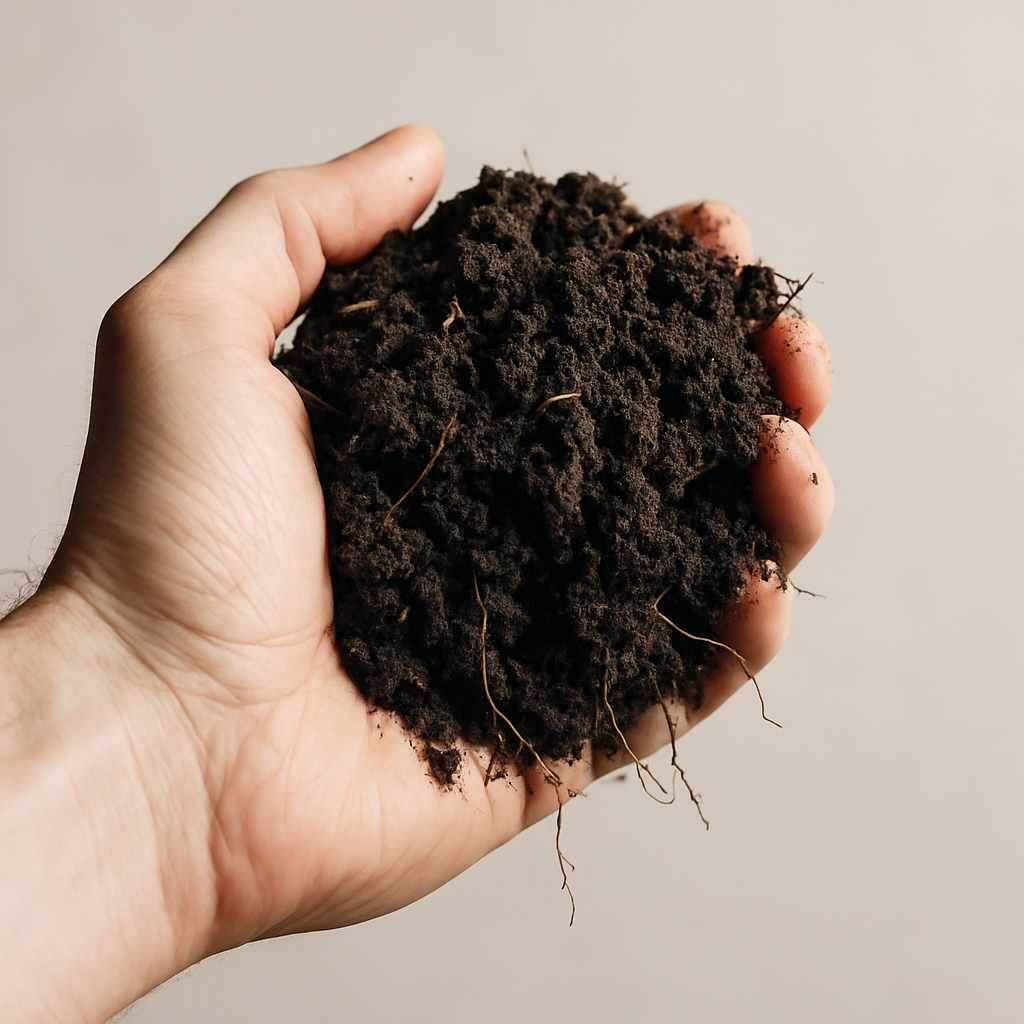
Before collecting any samples, spend time walking the entire parcel. Look for variations in soil colour, which often signal differences in organic matter content across the field. Dark, almost black soil typically indicates high organic matter, while pale or grey patches may suggest drainage problems, leaching, or past erosion. Pay attention to any low-lying areas where water pools after rain, as these zones affect workable days and may require tile drainage infrastructure.

Check for signs of compaction by probing the soil with a metal rod or a simple penetrometer. If you meet firm resistance within the top 15 to 30 centimetres, compaction is likely a factor. Also, note any surface crusting, which can indicate past tillage mismanagement or sodium accumulation in soils across certain prairie regions.

Step Two: Collect Representative Soil Samples

Soil sampling is only useful if the samples accurately represent the field. A single sample pulled from one corner tells you very little about 200 acres. The standard approach is to divide the field into management zones based on topography, past crop history, or visible variation, and collect composite samples from each zone. Each composite sample should include 10 to 15 individual cores pulled from a depth of 0 to 15 centimetres for general fertility testing, with deeper cores taken if subsoil characteristics are a concern.

Sample timing also matters. Testing in the fall after harvest or in early spring before seeding gives you the most actionable baseline. Avoid sampling immediately after applying fertilizer or lime, as residual inputs can skew results and misrepresent the land's natural fertility level.

Step Three: Use Accredited Soil Testing Services

Once samples are collected, they need to go to a certified laboratory. Most provinces have accredited agricultural testing labs that provide comprehensive analysis covering pH, macronutrient levels, micronutrients, organic matter percentage, and electrical conductivity. In Ontario, for example, the University of Guelph's laboratory services have historically been a reference point for agricultural soil testing, while the Saskatchewan Soil Conservation Association and private labs like A&L Canada Laboratories offer services tailored to Prairie grain farming conditions.

When reviewing your results, ask for interpreted recommendations rather than raw numbers alone. A good lab report will translate the data into practical guidance on lime applications, fertilizer rates, and potential yield limitations. This is the information that directly informs your lease negotiations and crop planning.

Understanding Soil Types Across Canadian Regions

Canada's soil diversity is one of its defining agricultural features. What constitutes ideal agricultural soil in one province may be mediocre in another. Understanding how regional soil types affect crop suitability is essential when evaluating farmland in unfamiliar territory.

Prairie Soils and Grain Farming

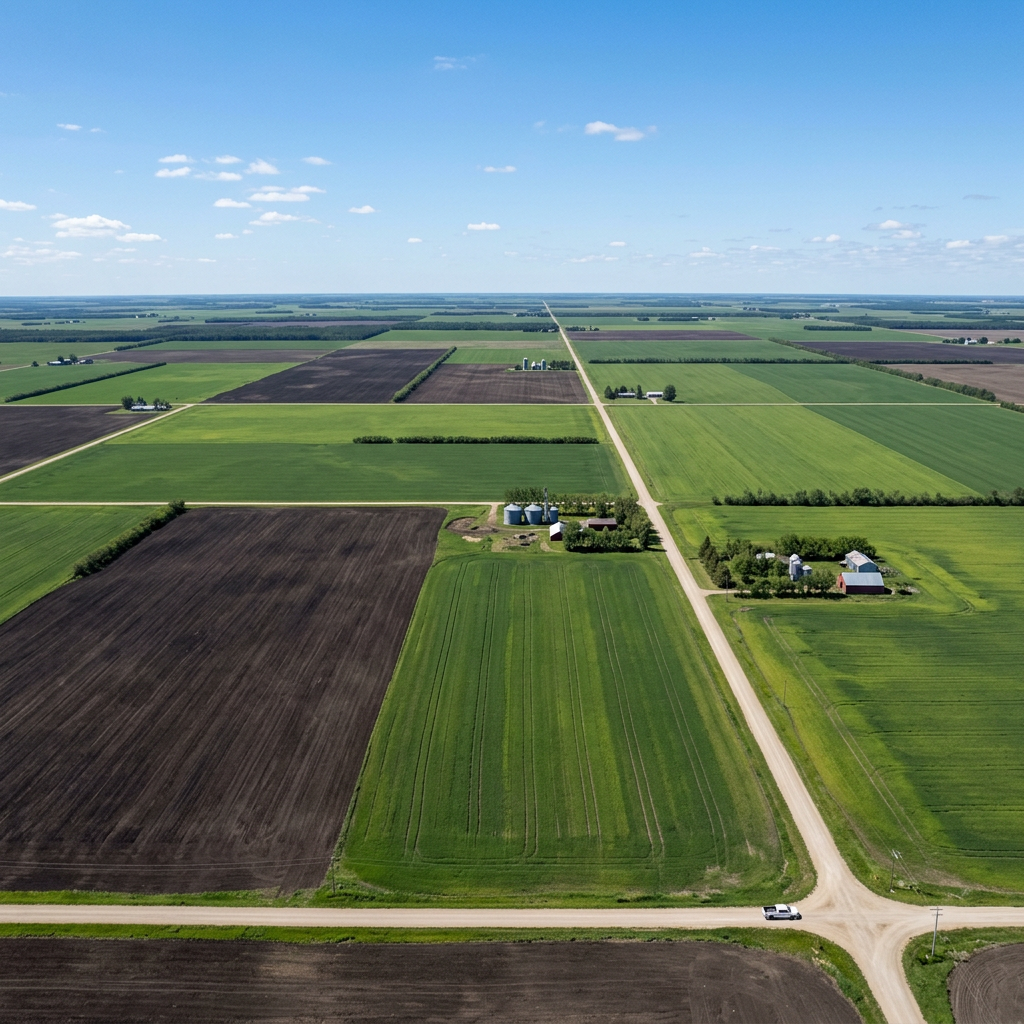
The Prairie provinces hold some of the most productive agricultural land in the world. Saskatchewan soil for grain farming is dominated by Chernozemic soils, particularly the dark brown and black soil zones that stretch across the province. These soils are naturally high in organic matter, well-structured, and capable of supporting high-yielding crops like wheat, canola, and pulse crops with relatively modest inputs. When evaluating Saskatchewan farmland for lease, the key variables are topsoil depth, salinity levels, and moisture-holding capacity, all of which can vary significantly across even a single quarter section.

Alberta and Manitoba soils follow similar patterns in many areas, though Manitoba's eastern regions include heavier clay soils that can present drainage challenges. Soil types in Canada farmlands across the Prairies are generally well documented through provincial soil surveys, which are publicly accessible and an excellent starting point before visiting any property.

Ontario and Eastern Soils

Agricultural soil quality in Ontario is shaped by the province's glacial history. Southwestern Ontario benefits from deep, productive loam and silt-loam soils ideal for corn, soybeans, and winter wheat. Moving east and north, soils become sandier or heavier with clay, and drainage becomes a more significant management consideration. When comparing clay soil vs. sandy soil for farming in Ontario, each has trade-offs: clay retains nutrients but drains slowly and is prone to compaction, while sandy soil drains freely but loses moisture and nutrients quickly without careful management. Ontario's Agricultural Soil Health and Conservation Strategy explicitly acknowledges the challenge of improving soil care on rented farmland, where tenant farmers may not be motivated to invest in soil health on land they do not own, making pre-lease soil documentation and stewardship provisions in the lease agreement especially important.

In Quebec and the Atlantic provinces, soil quality assessment must also account for acidity. Many soils in these regions trend toward lower pH values, which requires lime management to optimize nutrient availability. Any farmland lease in these regions should include an explicit understanding of current pH levels and who bears responsibility for any required amendments during the tenancy.

Using Soil Data in Farmland Lease Negotiations

Soil test results should not sit in a filing cabinet after the assessment is complete. They are a practical negotiating tool that gives both farmers and landowners objective ground to stand on when discussing rental rates, lease conditions, and stewardship responsibilities.

Setting a Fair Rental Rate Based on Soil Fertility

Soil fertility indicators directly influence what a parcel of land can realistically produce. A farmer who receives a soil test showing marginal phosphorus levels and a pH outside the optimal range for canola is looking at measurable input costs before that land can perform at market rates. That information justifies negotiating a lower base rental rate or, alternatively, including a provision that the landowner contributes to a lime application in the first year of the lease.

Platforms like Land4Rent support transparent pricing by allowing farmers to bid competitively on listed farmland, with rental rates driven by actual market demand rather than private guesswork. When soil data is shared as part of a listing, bidders can make more informed decisions, and rental outcomes reflect a more accurate picture of land value.

Including Soil Health Provisions in the Lease Agreement

One of the most practical outcomes of a pre-lease soil assessment is that it creates a documented baseline. Improving soil quality on farmland is often a shared interest: farmers want productive land, and landowners want their asset to hold or increase its value over time. Lease agreements can include provisions requiring the tenant to maintain or improve organic matter levels, restrict practices like excessive tillage that contribute to erosion, or mandate soil testing at the end of the lease term for comparison against the opening baseline.

These terms do not need to be adversarial. When framed correctly, soil stewardship provisions reflect a mutual investment in the long-term productivity of the land. Both parties benefit when the field comes out of the lease in better shape than it went in.

When to Walk Away From a Lease

Not all soil problems are solvable within a standard lease term, and some remediation costs are simply too high to justify the rental arrangement being offered. Severely compacted subsoil, high salinity, widespread erosion, or contamination from past industrial or chemical use are all situations where the cost of remediation may outweigh the value of the land being leased. If a pre-lease assessment reveals any of these conditions, a farmer should request either a dramatically reduced rental rate, a long-term lease with clearly defined remediation responsibilities, or, in some cases, walk away from the deal entirely. No crop plan survives soil that cannot support it.

Resources and Tools for Soil Evaluation in Canada

Farmers and landowners do not need to navigate soil assessment alone. Canada has a well-developed network of public and private resources that make soil evaluation accessible at every scale, from a hobby farm to a large-scale grain operation.

Working With an Agrologist

For larger lease transactions or situations where soil conditions are uncertain, hiring a Professional Agrologist PAg to conduct or review the soil assessment is a worthwhile investment. An agrologist brings regional expertise that a generic soil management report cannot provide, including knowledge of local drainage patterns, historic land use, and crop suitability specific to the area. Their written assessment also adds credibility to lease negotiations and can serve as a formal reference document if disputes arise during the tenancy. Land4Rent-listed properties are verified through a structured review process, which makes it easier to pair objective soil data with confirmed, reliable lease opportunities for both parties.

Conclusion

Evaluating soil quality before leasing farmland is not an optional step for careful operators. It is the baseline due diligence that protects both the farmer's crop plan and the landowner's long-term asset value. By walking the land, collecting representative samples, using accredited testing services, and understanding the regional soil context, both parties enter a lease agreement with clear, shared knowledge of what the land can realistically deliver. Use that information to negotiate fair terms, document baseline conditions, and include stewardship provisions that keep the land productive for every season of the lease and well beyond it.

Ready to find verified farmland listings backed by transparent pricing? Explore available properties on Land4Rent and bring your soil evaluation checklist to every new opportunity.

Frequently Asked Questions (FAQs)

What is good soil for farming?

Good soil for farming is typically loamy in texture, with balanced pH between 6.0 and 7.0, high organic matter content, adequate drainage, and sufficient levels of nitrogen, phosphorus, and potassium. These characteristics support strong root development, efficient nutrient uptake, and consistent yields across most crop types.

How to test soil quality before leasing farmland?

To test soil quality before leasing farmland, collect composite samples from multiple zones across the field and send them to an accredited laboratory for analysis. Ask for a full fertility panel including pH, organic matter, and macronutrient levels, along with interpreted recommendations you can use directly in your crop planning and lease negotiations.

What makes soil fertile for agriculture?

Fertile soil contains a healthy balance of organic matter, essential nutrients, beneficial microbial activity, and a structure that allows water and roots to move freely. Consistent crop rotations, reduced tillage, and regular organic amendments are management practices that sustain and build fertility over time.

How to assess soil before renting farmland?

Start by walking the parcel to visually identify drainage issues, compaction, and organic matter variation, then follow up with laboratory soil testing to quantify nutrient levels and pH. Combining field observation with lab data gives you the most complete picture before signing any rental agreement.

What should farmers look for in soil quality?

Farmers should prioritize organic matter content, pH balance, nutrient availability, topsoil depth, drainage characteristics, and the absence of compaction layers or salinity. These factors collectively determine what crops are viable, what inputs will be needed, and whether the rental rate being asked reflects the land's actual productive capacity.

How does soil affect crop yield?

Soil directly determines how well a crop can access water and nutrients, anchor its root system, and withstand stress from weather or pest pressure. Even with excellent seed genetics and management practices, poor soil conditions set a ceiling on what yields are achievable.

What is soil testing and why is it important?

Soil testing is the laboratory analysis of a soil sample to measure key fertility and chemical indicators including pH, nutrient levels, and organic matter. It is important because it removes guesswork from fertilizer and amendment decisions, and provides an objective baseline for evaluating any farmland before a lease is signed.

Soil testing services in Ontario Canada?

Ontario farmers can access soil testing through A&L Canada Laboratories, SGS Canada, and laboratory services connected to the University of Guelph. OMAFRA also provides guidance on sampling protocols and can help connect growers with certified agrologists who interpret results in a local context.

Evaluating soil before signing a farmland lease?

Before signing a farmland lease, complete a field walk, collect composite soil samples from representative zones, and review lab results alongside provincial soil survey data for the region. Document the baseline findings and reference them directly in the lease agreement to protect both parties throughout the tenancy.

Soil quality in Canadian Prairie provinces?

The Canadian Prairie provinces are home to some of the deepest and most fertile agricultural soils in the world, particularly the Chernozemic black and dark brown soil zones of Saskatchewan and Alberta. Key variables to assess in these regions include topsoil depth, salinity levels, and moisture retention capacity, all of which can vary significantly within a single property.

Read More
Read More

Introduction

Soil quality is the foundation of every successful farming operation. Before signing a farmland lease, understanding what lies beneath the surface is one of the most practical steps a farmer or landowner can take to protect their investment, set realistic expectations, and avoid costly surprises down the road. A field that looks productive from the road can tell a very different story once the soil is properly examined.

Canada's agricultural landscape spans thousands of kilometres, from the clay-heavy soils of Ontario to the deep black loam of the Saskatchewan prairies. Agriculture and Agri-Food Canada's national overview of significant agricultural soils documents the distinct soil types found in every province and territory, from the chocolate-brown Weyburn loam of Saskatchewan's mixed grass plains to the grey-brown Guelph loam that anchors Ontario's agricultural economy. Each region presents unique challenges and opportunities, which is why soil evaluation is not a one-size-fits-all process. This guide walks you through exactly what to look for, how to test it, and how to use that information when entering a farmland lease agreement.

Why Soil Evaluation Matters Before You Sign

Leasing farmland without assessing the soil is like renting a commercial kitchen without checking the equipment. The terms of the deal might look reasonable on paper, but the operational reality depends entirely on what you are working with. For farmers, poor soil conditions translate directly into lower yields, higher input costs, and reduced profitability. For landowners, a clear understanding of soil health supports accurate rental pricing and helps attract serious, qualified tenants.

Soil evaluation also protects both parties from disputes. When baseline conditions are documented before the lease begins, there is a clear record of what the land looked like at the start of the agreement. If degradation occurs during the lease term, that documentation becomes essential.

What Soil Quality Actually Tells You

Soil quality is not a single measurement. It is a composite picture made up of physical, chemical, and biological characteristics that together determine how well a piece of land can support crop production. Agriculture and Agri-Food Canada's agri-environmental indicators program tracks soil quality across Canada using a science-based framework covering soil organic matter, erosion risk, and salinization, providing a national-level reference for understanding what healthy agricultural soil looks like.

Connecting Soil to Lease Value

The relationship between soil quality and farmland lease pricing is direct. Nutrient-rich soil for leased farmland commands higher rental rates because it reduces the inputs required to achieve strong yields. A farmer bidding on high-quality agricultural land understands they are paying a premium for land that is ready to produce. Conversely, degraded or chemically imbalanced soil should be reflected in a lower rental rate, and any remediation responsibilities should be clearly spelled out in the lease terms.

Landowners who have invested in maintaining soil health over the years have a measurable advantage when listing their properties. Documented soil test results are a legitimate selling point that can justify competitive rental pricing and attract farmers who plan to operate the land responsibly.

Conducting a Proper Soil Assessment

A thorough soil assessment involves both fieldwork and laboratory analysis. Neither alone gives you the complete picture. Walking the land tells you what the tests cannot capture visually, and the lab results quantify what your eyes cannot see. Together, they give you a defensible, data-backed understanding of what you are leasing.

Step One: Walk the Land Before Sampling

Before collecting any samples, spend time walking the entire parcel. Look for variations in soil colour, which often signal differences in organic matter content across the field. Dark, almost black soil typically indicates high organic matter, while pale or grey patches may suggest drainage problems, leaching, or past erosion. Pay attention to any low-lying areas where water pools after rain, as these zones affect workable days and may require tile drainage infrastructure.

Check for signs of compaction by probing the soil with a metal rod or a simple penetrometer. If you meet firm resistance within the top 15 to 30 centimetres, compaction is likely a factor. Also, note any surface crusting, which can indicate past tillage mismanagement or sodium accumulation in soils across certain prairie regions.

Step Two: Collect Representative Soil Samples

Soil sampling is only useful if the samples accurately represent the field. A single sample pulled from one corner tells you very little about 200 acres. The standard approach is to divide the field into management zones based on topography, past crop history, or visible variation, and collect composite samples from each zone. Each composite sample should include 10 to 15 individual cores pulled from a depth of 0 to 15 centimetres for general fertility testing, with deeper cores taken if subsoil characteristics are a concern.

Sample timing also matters. Testing in the fall after harvest or in early spring before seeding gives you the most actionable baseline. Avoid sampling immediately after applying fertilizer or lime, as residual inputs can skew results and misrepresent the land's natural fertility level.

Step Three: Use Accredited Soil Testing Services

Once samples are collected, they need to go to a certified laboratory. Most provinces have accredited agricultural testing labs that provide comprehensive analysis covering pH, macronutrient levels, micronutrients, organic matter percentage, and electrical conductivity. In Ontario, for example, the University of Guelph's laboratory services have historically been a reference point for agricultural soil testing, while the Saskatchewan Soil Conservation Association and private labs like A&L Canada Laboratories offer services tailored to Prairie grain farming conditions.

When reviewing your results, ask for interpreted recommendations rather than raw numbers alone. A good lab report will translate the data into practical guidance on lime applications, fertilizer rates, and potential yield limitations. This is the information that directly informs your lease negotiations and crop planning.

Understanding Soil Types Across Canadian Regions

Canada's soil diversity is one of its defining agricultural features. What constitutes ideal agricultural soil in one province may be mediocre in another. Understanding how regional soil types affect crop suitability is essential when evaluating farmland in unfamiliar territory.

Prairie Soils and Grain Farming

The Prairie provinces hold some of the most productive agricultural land in the world. Saskatchewan soil for grain farming is dominated by Chernozemic soils, particularly the dark brown and black soil zones that stretch across the province. These soils are naturally high in organic matter, well-structured, and capable of supporting high-yielding crops like wheat, canola, and pulse crops with relatively modest inputs. When evaluating Saskatchewan farmland for lease, the key variables are topsoil depth, salinity levels, and moisture-holding capacity, all of which can vary significantly across even a single quarter section.

Alberta and Manitoba soils follow similar patterns in many areas, though Manitoba's eastern regions include heavier clay soils that can present drainage challenges. Soil types in Canada farmlands across the Prairies are generally well documented through provincial soil surveys, which are publicly accessible and an excellent starting point before visiting any property.

Ontario and Eastern Soils

Agricultural soil quality in Ontario is shaped by the province's glacial history. Southwestern Ontario benefits from deep, productive loam and silt-loam soils ideal for corn, soybeans, and winter wheat. Moving east and north, soils become sandier or heavier with clay, and drainage becomes a more significant management consideration. When comparing clay soil vs. sandy soil for farming in Ontario, each has trade-offs: clay retains nutrients but drains slowly and is prone to compaction, while sandy soil drains freely but loses moisture and nutrients quickly without careful management. Ontario's Agricultural Soil Health and Conservation Strategy explicitly acknowledges the challenge of improving soil care on rented farmland, where tenant farmers may not be motivated to invest in soil health on land they do not own, making pre-lease soil documentation and stewardship provisions in the lease agreement especially important.

In Quebec and the Atlantic provinces, soil quality assessment must also account for acidity. Many soils in these regions trend toward lower pH values, which requires lime management to optimize nutrient availability. Any farmland lease in these regions should include an explicit understanding of current pH levels and who bears responsibility for any required amendments during the tenancy.

Using Soil Data in Farmland Lease Negotiations

Soil test results should not sit in a filing cabinet after the assessment is complete. They are a practical negotiating tool that gives both farmers and landowners objective ground to stand on when discussing rental rates, lease conditions, and stewardship responsibilities.

Setting a Fair Rental Rate Based on Soil Fertility

Soil fertility indicators directly influence what a parcel of land can realistically produce. A farmer who receives a soil test showing marginal phosphorus levels and a pH outside the optimal range for canola is looking at measurable input costs before that land can perform at market rates. That information justifies negotiating a lower base rental rate or, alternatively, including a provision that the landowner contributes to a lime application in the first year of the lease.

Platforms like Land4Rent support transparent pricing by allowing farmers to bid competitively on listed farmland, with rental rates driven by actual market demand rather than private guesswork. When soil data is shared as part of a listing, bidders can make more informed decisions, and rental outcomes reflect a more accurate picture of land value.

Including Soil Health Provisions in the Lease Agreement

One of the most practical outcomes of a pre-lease soil assessment is that it creates a documented baseline. Improving soil quality on farmland is often a shared interest: farmers want productive land, and landowners want their asset to hold or increase its value over time. Lease agreements can include provisions requiring the tenant to maintain or improve organic matter levels, restrict practices like excessive tillage that contribute to erosion, or mandate soil testing at the end of the lease term for comparison against the opening baseline.

These terms do not need to be adversarial. When framed correctly, soil stewardship provisions reflect a mutual investment in the long-term productivity of the land. Both parties benefit when the field comes out of the lease in better shape than it went in.

When to Walk Away From a Lease

Not all soil problems are solvable within a standard lease term, and some remediation costs are simply too high to justify the rental arrangement being offered. Severely compacted subsoil, high salinity, widespread erosion, or contamination from past industrial or chemical use are all situations where the cost of remediation may outweigh the value of the land being leased. If a pre-lease assessment reveals any of these conditions, a farmer should request either a dramatically reduced rental rate, a long-term lease with clearly defined remediation responsibilities, or, in some cases, walk away from the deal entirely. No crop plan survives soil that cannot support it.

Resources and Tools for Soil Evaluation in Canada

Farmers and landowners do not need to navigate soil assessment alone. Canada has a well-developed network of public and private resources that make soil evaluation accessible at every scale, from a hobby farm to a large-scale grain operation.

Working With an Agrologist

For larger lease transactions or situations where soil conditions are uncertain, hiring a Professional Agrologist PAg to conduct or review the soil assessment is a worthwhile investment. An agrologist brings regional expertise that a generic soil management report cannot provide, including knowledge of local drainage patterns, historic land use, and crop suitability specific to the area. Their written assessment also adds credibility to lease negotiations and can serve as a formal reference document if disputes arise during the tenancy. Land4Rent-listed properties are verified through a structured review process, which makes it easier to pair objective soil data with confirmed, reliable lease opportunities for both parties.

Conclusion

Evaluating soil quality before leasing farmland is not an optional step for careful operators. It is the baseline due diligence that protects both the farmer's crop plan and the landowner's long-term asset value. By walking the land, collecting representative samples, using accredited testing services, and understanding the regional soil context, both parties enter a lease agreement with clear, shared knowledge of what the land can realistically deliver. Use that information to negotiate fair terms, document baseline conditions, and include stewardship provisions that keep the land productive for every season of the lease and well beyond it.

Ready to find verified farmland listings backed by transparent pricing? Explore available properties on Land4Rent and bring your soil evaluation checklist to every new opportunity.

Frequently Asked Questions (FAQs)

What is good soil for farming?

Good soil for farming is typically loamy in texture, with balanced pH between 6.0 and 7.0, high organic matter content, adequate drainage, and sufficient levels of nitrogen, phosphorus, and potassium. These characteristics support strong root development, efficient nutrient uptake, and consistent yields across most crop types.

How to test soil quality before leasing farmland?

To test soil quality before leasing farmland, collect composite samples from multiple zones across the field and send them to an accredited laboratory for analysis. Ask for a full fertility panel including pH, organic matter, and macronutrient levels, along with interpreted recommendations you can use directly in your crop planning and lease negotiations.

What makes soil fertile for agriculture?

Fertile soil contains a healthy balance of organic matter, essential nutrients, beneficial microbial activity, and a structure that allows water and roots to move freely. Consistent crop rotations, reduced tillage, and regular organic amendments are management practices that sustain and build fertility over time.

How to assess soil before renting farmland?

Start by walking the parcel to visually identify drainage issues, compaction, and organic matter variation, then follow up with laboratory soil testing to quantify nutrient levels and pH. Combining field observation with lab data gives you the most complete picture before signing any rental agreement.

What should farmers look for in soil quality?

Farmers should prioritize organic matter content, pH balance, nutrient availability, topsoil depth, drainage characteristics, and the absence of compaction layers or salinity. These factors collectively determine what crops are viable, what inputs will be needed, and whether the rental rate being asked reflects the land's actual productive capacity.

How does soil affect crop yield?

Soil directly determines how well a crop can access water and nutrients, anchor its root system, and withstand stress from weather or pest pressure. Even with excellent seed genetics and management practices, poor soil conditions set a ceiling on what yields are achievable.

What is soil testing and why is it important?

Soil testing is the laboratory analysis of a soil sample to measure key fertility and chemical indicators including pH, nutrient levels, and organic matter. It is important because it removes guesswork from fertilizer and amendment decisions, and provides an objective baseline for evaluating any farmland before a lease is signed.

Soil testing services in Ontario Canada?

Ontario farmers can access soil testing through A&L Canada Laboratories, SGS Canada, and laboratory services connected to the University of Guelph. OMAFRA also provides guidance on sampling protocols and can help connect growers with certified agrologists who interpret results in a local context.

Evaluating soil before signing a farmland lease?

Before signing a farmland lease, complete a field walk, collect composite soil samples from representative zones, and review lab results alongside provincial soil survey data for the region. Document the baseline findings and reference them directly in the lease agreement to protect both parties throughout the tenancy.

Soil quality in Canadian Prairie provinces?

The Canadian Prairie provinces are home to some of the deepest and most fertile agricultural soils in the world, particularly the Chernozemic black and dark brown soil zones of Saskatchewan and Alberta. Key variables to assess in these regions include topsoil depth, salinity levels, and moisture retention capacity, all of which can vary significantly within a single property.

Read More
Read More
Explore All Legal Articles
Login