%20(1).svg)

.svg)

Introduction
Maximizing returns on farmland starts with one uncomfortable truth: most Canadian landowners are leaving money on the table. Whether you inherited agricultural land, purchased it as an investment, or have been leasing it through the same handshake deal for decades, traditional leasing methods rarely reflect what your land is actually worth. The good news is that a new generation of digital tools is changing how private landowners approach farmland rental income for landowners, bringing transparency, competition, and legal certainty to a process that has long relied on relationships and guesswork.
This guide walks through the concrete strategies landowners can use to earn more from their land, attract better tenants, and reduce the administrative friction that comes with managing agricultural leases. From competitive bidding to verified tenant pools, every step of the modern leasing process offers a measurable advantage over the old way of doing things.
Why Traditional Farmland Leasing Falls Short
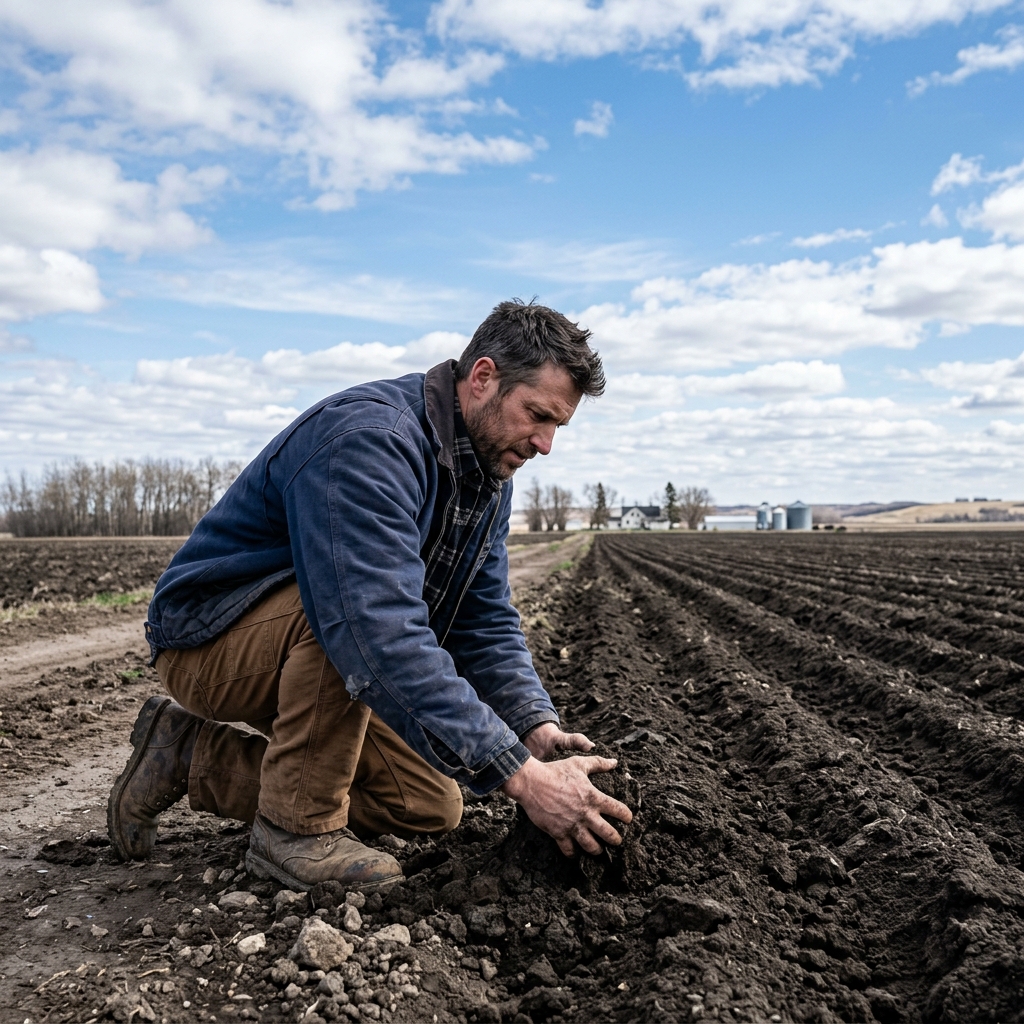
Before you can improve your returns, it helps to understand exactly where traditional approaches fail. Private negotiations and word-of-mouth deals are not inherently bad, but they carry structural disadvantages that compound over time. A fixed annual rate agreed upon years ago rarely keeps pace with rising land values or shifting commodity markets. Without competition, there is no mechanism to push rental rates to their true market level.
The risks go beyond pricing. Informal arrangements often mean unverified tenants, missing documentation, and no clear record of payments or obligations. When disputes arise, landowners without formal lease agreements have limited recourse. For anyone managing farmland as a genuine income-generating asset, these gaps represent real financial and legal exposure.
What the Market Actually Looks Like Right Now
Agricultural land values across Canada have risen sharply over the past decade, and rental rates have followed. According to the Farm Credit Canada 2024 Farmland Values Report, provincial land values continue to climb year over year, particularly in Saskatchewan and Alberta. Yet many private landowners are still leasing at rates set several years ago, effectively subsidizing their tenants while the market moves on without them. Understanding current farmland rental rates in Saskatchewan and Alberta is the first step toward pricing your land correctly.
The Pricing Problem with Private Deals
When you negotiate privately with a single farmer, you are negotiating blind. You may have a rough sense of what neighboring parcels lease for, but without real competitive data, the final number is as much a product of relationship dynamics as it is of market reality. The farmer knows what they can afford; they are unlikely to volunteer that they would have paid more. This information asymmetry consistently favors the tenant over the landowner in private negotiations.
Informal Agreements and Legal Gaps
Even when pricing is fair, informal leases create problems. A verbal agreement or a loosely worded document rarely covers what happens when crop damage occurs, when a tenant wants to sublet, or when either party wants to exit before the term ends. Alberta's guidance on land rental agreements makes clear that written, specific lease terms are essential for protecting both parties. Without them, landowners absorb most of the downside risk.
How a Competitive Bidding System Changes Everything
The most powerful shift a landowner can make is moving from private negotiation to a competitive farmland bidding system. When multiple qualified farmers bid on the same parcel, the rental rate is no longer a product of one conversation. It reflects genuine demand, and that demand often produces rates well above what a private deal would have achieved.
How Online Farmland Auctions Work
An online farmland auction works by listing your property on a platform where verified farmers can submit competing bids over a defined period. As bids come in, you can monitor the process in real time and watch the market determine what your land is genuinely worth. There is no pressure to accept the first offer, no guessing whether a farmer is lowballing you, and no reliance on a broker's judgment about what rate to set. The auction mechanism does that work transparently. For a deeper breakdown of how this process operates, the explanation of farmland auctions as a transparent connection tool covers the mechanics clearly.
Online Farmland Auction vs Private Negotiation
The debate between an online farmland auction vs private negotiation often comes down to one question: who has the information advantage? In a private deal, the tenant usually does. In a competitive auction, the platform levels the field. Landowners see real bids from real farmers, and the competitive pressure naturally drives rates toward their true market value. Beyond pricing, auctions also reduce the time spent negotiating and eliminate the awkwardness of renegotiating rates with a long-standing tenant whose lease has simply run below market for too long.
Setting a Reserve and Protecting Your Minimum
A well-designed bidding system lets landowners set a minimum reserve rate, meaning you never have to accept a bid that falls below what you consider acceptable. This protects you during periods of lower demand without preventing you from capturing upside when competition is strong. You stay in control throughout the process while the market does the pricing work on your behalf.
Tenant Verification and Why It Matters
Rental income is only as reliable as the tenant paying it. One of the most consistent risks in farmland leasing is entering into an agreement with an unverified tenant whose financial situation or farming credentials are unclear. Farmland tenant verification in Canada is not standard practice in private deals, but it should be a baseline requirement for any landowner treating their land as a managed asset.
What Verification Actually Covers
Tenant verification on a well-run platform goes beyond confirming someone's identity. It typically includes confirming that the farmer is actively operating, has a legitimate agricultural business, and is in good standing. This matters because a tenant who cannot sustain their operation mid-lease creates problems that are costly and time-consuming to resolve. When you use a digital farmland leasing platform with built-in verification, you are drawing from a pool of pre-screened candidates rather than relying on reputation alone.
Reducing Risk Before the Lease Starts
Verification shifts the risk-management work to before the lease is signed rather than after a problem emerges. Landowners who lease to unverified tenants often discover issues only when payments are late or land is mismanaged. Starting with a verified tenant pool does not eliminate all risk, but it significantly raises the baseline quality of the agreement before any documents are signed.
Automating Lease Agreements and Payment Tracking
Even when pricing is right and tenants are verified, the administrative side of farmland leasing can be a genuine burden. Drafting legally sound lease documents, tracking annual payments, and maintaining proper records are tasks that many landowners handle poorly simply because they lack the tools or time to do them well. Digital platforms address this directly by automating the parts of the process that are most prone to error or neglect.
Digital Farm Lease Agreement Generation
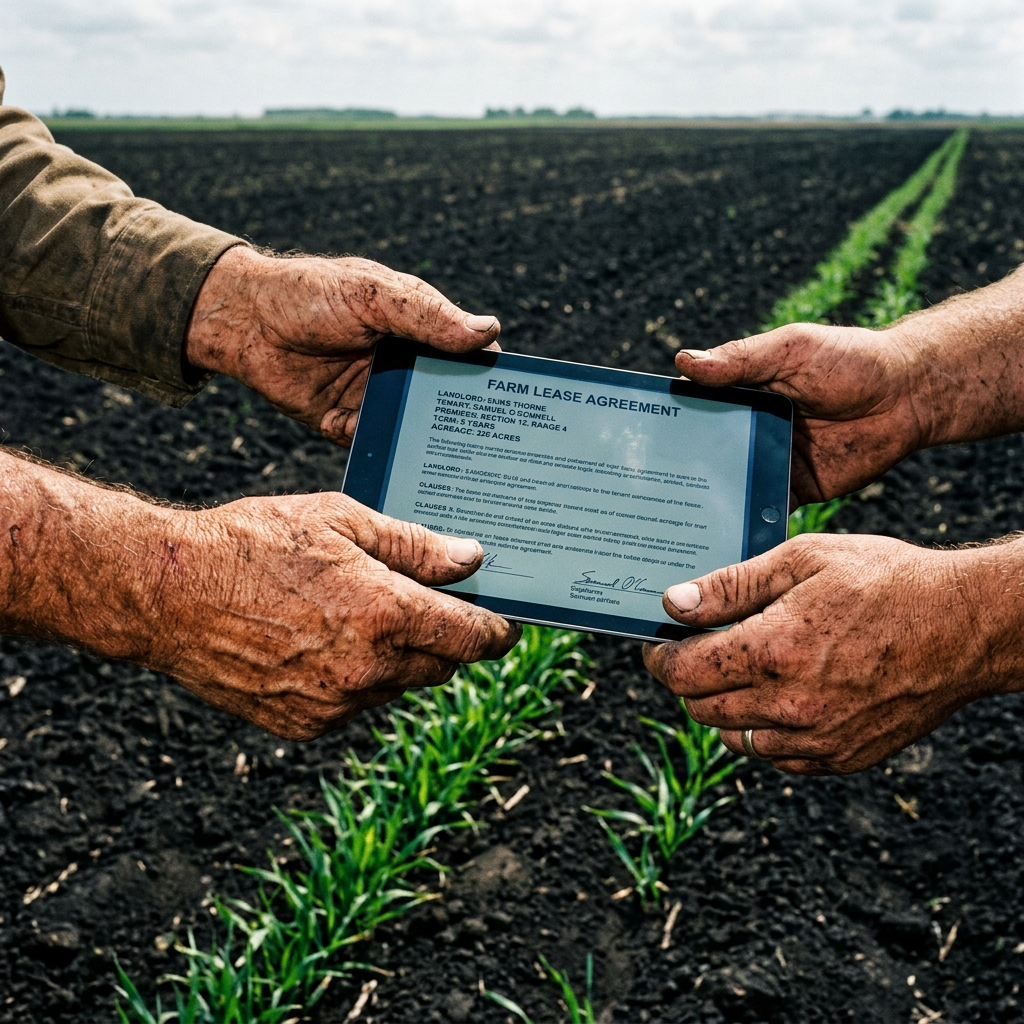
A digital farm lease agreement generator allows landowners to answer a structured set of questions about their property and leasing terms, then produce a customized, legally binding lease document without needing a lawyer for every transaction. This is particularly valuable for lease agreements that need to cover specific sections such as permitted land use, payment schedules, renewal conditions, and liability terms. Automated generation also ensures consistency: every lease produced through the same system follows the same structure, reducing the risk of missing a critical clause.
Secure Farmland Rental Payments Online
Payment tracking is where many informal leasing arrangements fall apart. Secure farmland rental payments online managed through a dedicated platform give landowners a complete transaction record, automated reminders, and confirmation of receipt without chasing tenants or relying on bank transfer logs. This level of documentation is also valuable at tax time and in any dispute that might require evidence of payment history. Farm Credit Canada's renting-out-farmland guide highlight how important clear financial records are to sustainable leasing arrangements.
Managing Multiple Properties From One Place
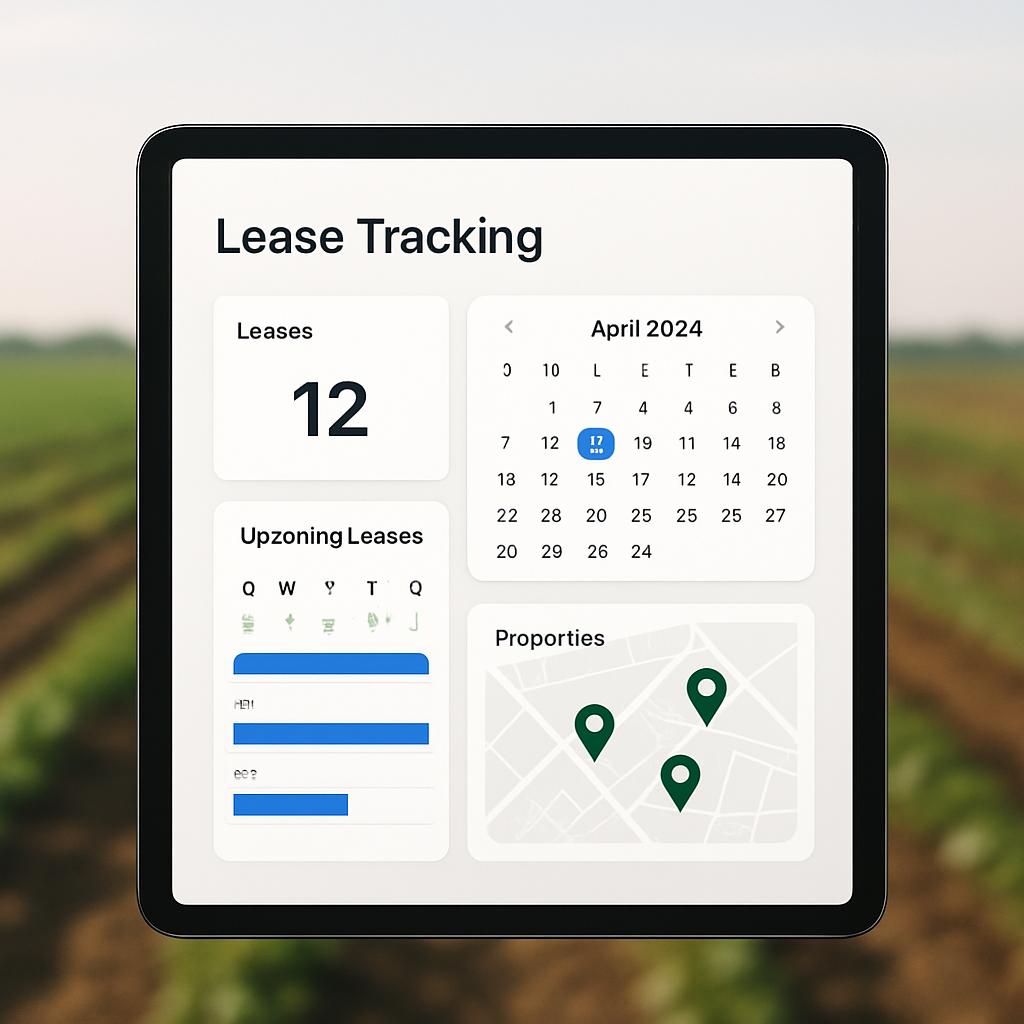
For landowners with more than one parcel, farmland asset management in Canada through a centralized platform means every listing, lease, and payment lives in one place. You can monitor each property's performance, compare rental rates across parcels, and identify which holdings may be underperforming relative to market rates. This kind of consolidated visibility is simply not possible when each lease is managed through a separate informal arrangement.
Listing Your Land to Find the Right Farmers
Reaching qualified farmers is a persistent challenge for landowners who rely on local networks. The pool of potential tenants accessible through word of mouth is inherently limited by geography and personal connections. Listing farmland online expands that pool significantly, drawing interest from farmers actively looking for additional acreage across a wider region.
What a Strong Listing Includes
A well-prepared listing does more than state the acreage and location. Farmers evaluating land for a multi-year lease want to know soil type, drainage, water access, historical use, and any restrictions on what can be grown or applied. Providing this information upfront attracts more serious bids and reduces back-and-forth that delays the process. For landowners unsure of what their soil profile means to prospective tenants, a resource covering Canadian soil types for farmland leasing helps frame land characteristics in language farmers actually use.
Why Verified Farmer Pools Produce Better Matches
When you list farmland as a landowner on a platform that pre-screens its farmer members, the quality of inbound interest is substantially higher than what you would get from a general listing or a local broker referral. Farmers on a dedicated agricultural leasing marketplace are there because they are actively seeking land, not browsing casually. That intent translates into faster deal timelines and more serious bidding activity. Resources like Young Agrarians' land access tools illustrate the significant unmet demand from farmers seeking reliable access to additional acreage, demand that a well-positioned listing can directly capture.
Comparing Digital Platforms to Local Brokers
The Land4Rent vs local farm broker comparison comes down to reach, cost, and data. A local broker may know the immediate market well, but their network is finite, their fee reduces your net return, and they rarely provide the transaction documentation or payment tracking that a digital platform delivers as standard. For landowners focused on lease farmland in Canada with maximum efficiency, a platform built specifically for agricultural leasing offers structural advantages that a generalist intermediary cannot match. A detailed comparison of how structured farmland leasing works in Canada makes the operational differences clear.
Turning Farmland Into a Passive Income Asset
The ultimate goal for most private landowners is not simply to lease their land once, but to build a reliable income stream that requires minimal ongoing management. That means setting up processes that run consistently year after year, with lease renewals handled systematically and rental rates adjusted as market conditions evolve.
Treating Land as a Managed Investment
The best way to lease farmland to farmers in Canada is to approach the process the way any serious asset manager would: with documented procedures, market-referenced pricing, and a clear record of every transaction. Generating passive income from farmland while supporting local farmers is achievable when the operational structure is in place to make it low-friction. That structure starts with the platform and processes you choose from the beginning.
Reviewing Rates at Renewal
One of the most common errors landowners make is allowing leases to auto-renew at the same rate without reviewing whether that rate still reflects market conditions. Even a modest annual adjustment compounded over several lease cycles can represent a significant difference in total income. A platform that gives you access to current market data and comparable rental rates makes this review straightforward rather than speculative.
Conclusion
Canadian landowners who move their farmland leasing online are not simply adopting a new tool. They are changing the structural dynamics of how their land is priced, who can bid on it, and how every transaction is documented and tracked. Competitive bidding replaces guesswork with market-driven pricing. Tenant verification replaces trust with evidence. Automated leases and secure payments replace informal arrangements with enforceable, recorded agreements. Land4Rent brings all of these elements together in one platform built specifically for Canadian agricultural leasing, giving landowners a straightforward path to treating their land as the serious income-generating asset it actually is. If your farmland is currently leased below market rate or managed through informal arrangements, the most actionable step you can take today is to list it on a platform where competition and transparency work in your favor.
Ready to find out what your farmland is really worth? List your property on Land4Rent and let competitive bidding set the market rate.
Frequently Asked Questions (FAQs)
How can landowners maximize returns on farmland?
The most effective approach is to use a competitive bidding system that lets multiple verified farmers bid on your land simultaneously, driving rental rates to their true market value rather than settling on a privately negotiated figure that may fall below what the market would actually pay.
How do I know if a farmland tenant is verified?
On a reputable digital leasing platform, tenant verification is handled before a farmer is permitted to bid, typically confirming their identity, agricultural operation status, and business standing. You should always ask any platform what their verification process includes before listing your land.
How are farmland rental payments processed securely?
Platforms designed for agricultural leasing process payments through secure digital channels, including credit card options, and maintain a full transaction record for every payment made. This gives landowners documented proof of payment history and eliminates the need to chase tenants manually.
Can I manage multiple farmland properties on one platform?
Yes. A dedicated farmland leasing platform allows you to list, monitor, and manage multiple parcels from a single dashboard, making it straightforward to compare performance across properties and identify where rental rates may need to be updated.
What documents are needed to lease farmland in Canada?
At minimum, a written lease agreement covering the rental rate, payment schedule, permitted use, lease term, and renewal conditions is required. Supporting documents may include a property survey, soil information, and any environmental or zoning restrictions relevant to the parcel.
What is the average farmland rental rate in Canada?
Rental rates vary considerably by province, soil quality, and proximity to infrastructure. Saskatchewan and Alberta tend to have lower per-acre rates than Ontario, but all provinces have seen upward pressure in recent years as land values and farmer demand have risen together.
How does competitive bidding work for farmland rentals?
A landowner lists their property with a minimum reserve rate, and verified farmers submit competing bids over a set auction period. The highest bid at the close of the auction sets the rental rate, subject to the landowner's acceptance if the reserve has been met.
Is farmland leasing profitable for Canadian landowners?
Yes, when priced correctly and managed with proper documentation. Landowners who use market-referenced rates, verified tenants, and formal lease agreements consistently achieve better financial outcomes than those relying on static private deals that may not reflect current conditions.
What are farmland rental rates in Saskatchewan and Alberta?
Rates in both provinces are influenced by soil class, crop type, water availability, and regional demand. Saskatchewan cropland can range from under $50 per acre in lower-quality zones to well over $100 per acre for high-grade cultivated land, while Alberta rates reflect similar variation by region and soil classification.
Is an online farmland auction better than hiring a local farm broker?
For most landowners focused on maximizing rental income and maintaining complete transaction records, an online auction platform offers broader reach, lower cost, and greater transparency than a local broker, whose network and fee structure can limit both the quality of bids received and the net return to the landowner.

.png)



.svg)


.svg)