%20(1).svg)

.svg)

Introduction
Leasing farmland is not simply a matter of finding a farmer and collecting rent. For landowners, it is a legal and financial commitment that carries real risk if entered without a clear understanding of the rights and protections available to them. From tenant selection and payment terms to property use and lease termination, the decisions made before signing a lease can define the entire relationship that follows.
This guide walks farmland landowners through the key rights they hold at every stage of the leasing process. Whether you are leasing land for the first time or reassessing an existing arrangement, understanding these rights is the foundation of any successful and well-protected farmland lease.
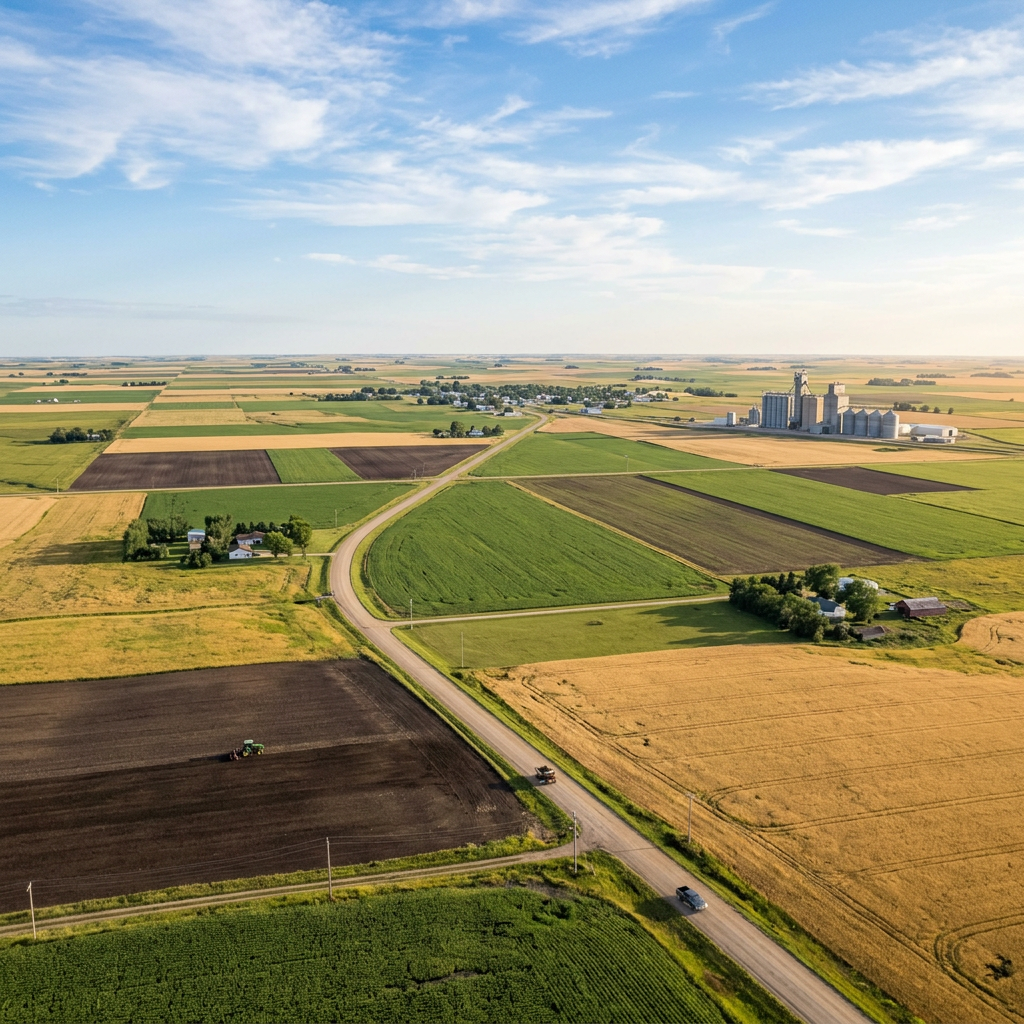
Your Right to Choose and Verify Tenants
One of the most important rights a landowner holds is the right to choose who farms their land. This is not just a preference; it is a legal and practical protection. Selecting the wrong tenant can result in soil degradation, unpaid rent, or costly legal disputes. Exercising this right with due diligence is one of the most valuable things you can do before signing any agreement.
What Tenant Verification Should Cover
Before committing to any lease, landowners are fully within their rights to request information about a prospective tenant’s farming history, financial standing, and intended use of the land. The Saskatchewan Ministry of Agriculture provides a land lease agreement guide that outlines important considerations and management guidelines for both landlords and tenants when leasing privately owned agricultural land. Thorough screening should go beyond a casual conversation. Consider asking for references from previous landowners, proof of operating capital, and a clear description of the crops or livestock operations the tenant plans to run.
Why Unverified Tenants Carry Higher Risk
Entering a lease with an unverified tenant is one of the most common mistakes private landowners make, particularly those who are new to agricultural leasing. Without a formal screening process, landowners have little to no insight into a tenant’s track record, financial health, or farming practices. This creates direct exposure to problems such as rent arrears, unauthorized land use, or environmental damage that can take years to remediate.
The contrast between verified tenant platforms and unverified arrangements is significant. Platforms that perform upfront verification reduce this risk considerably by ensuring that every farmer who submits a bid or inquiry has already been reviewed and confirmed as a legitimate, qualified operator. This shifts the screening burden away from the landowner while still preserving their right to review and approve any proposed tenant.
Your Right to Reject a Tenant
Even after reviewing applications, landowners retain the right to decline any tenant they are not comfortable with, as long as that decision does not violate applicable human rights legislation. In most agricultural leasing contexts, rejecting a tenant on the basis of qualifications, financial history, or land use concerns is entirely lawful. You are not obligated to accept the first offer or the highest bidder if other factors raise legitimate concerns about how your land will be managed.
Your Rights Within a Farmland Lease Agreement
A well-drafted farmland lease agreement is not just a formality; it is the document that defines and protects your rights for the entire duration of the tenancy. Landowners have the right to negotiate and include terms that reflect their specific needs, and they should use that right fully. A lease that is vague, one-sided, or poorly structured can leave landowners with limited recourse if something goes wrong.
The Right to Define Permitted Land Use
Landowners have every right to specify exactly how their land may and may not be used. This includes the types of crops permitted, whether certain chemicals or fertilizers are allowed, and whether any structures can be built on the property. Restricting land use to specific agricultural purposes protects the long-term productivity of the soil and the overall value of the asset. If a tenant wants to change the agreed use mid-lease, your agreement should require written approval before any such change can be made.
Do Landowners Need to Include a Termination Clause?
Yes. Every farmland lease agreement should include a clearly written termination clause that outlines the conditions under which either party can end the lease early. For landowners, this typically covers situations such as non-payment of rent, breach of agreed farming practices, or damage to the property. Without this clause, removing a non-compliant tenant becomes legally complicated and often expensive.
The clause should also specify the required notice period, which in most Canadian provinces is governed by provincial agricultural tenancy or landlord-tenant legislation.
Soil Stewardship and Environmental Protections
The long-term health of your farmland is a landowner income issue as much as it is an environmental one. Degraded soil reduces yield potential, lowers land value, and can take years to restore. As a landowner, you have the right to include specific soil stewardship requirements in the lease. These might cover minimum tillage practices, mandatory crop rotation schedules, restrictions on certain chemical applications, and obligations to remediate any damage caused during the tenancy. Including these terms upfront is far more effective than attempting to pursue compensation after the damage has already occurred.
Financial Rights and Payment Security
Getting paid reliably and on time is a fundamental right for any landowner. In agricultural leasing, payment structures vary widely, and not all of them favor the landowner. Understanding your financial rights and building strong payment terms into your lease is essential to protecting your returns.
Setting Fair Rental Rates
One of the most common challenges for agricultural landowners is determining a fair market rental rate. Rates vary significantly across regions. In Alberta and Saskatchewan, farmland rental rates are influenced by soil quality, proximity to grain handling infrastructure, water availability, and current commodity prices. Farm Credit Canada's annual Farmland Values Report tracks per-acre rental rate trends and rent-to-price ratios by province, offering landowners a credible, data-backed benchmark when entering lease negotiations.
Landowners in these provinces have the right to negotiate rates that reflect actual market conditions rather than accepting whatever a single tenant offers privately. Competitive bidding processes, in which multiple tenants submit offers for the same parcel, often produce more accurate market pricing than private negotiations alone. FCC's rent-to-price ratio analysis found that the national ratio in 2023 was 2.52%, with provinces that saw the highest land value increases, Saskatchewan, Manitoba, and Quebec, also recording corresponding increases in rental rates.
Your Right to Secure and Documented Payments
Landowners are entitled to receive rent in a form that is both secure and trackable. Cash payments with no documentation create risk and complicate tax reporting. A well-structured lease should specify the payment method, due dates, and consequences for late payment. Platforms that support credit card or electronic payment options give farmland landowners in Canada a complete record of every transaction, which is valuable for both financial management and legal purposes if a dispute arises.
The Right to Collect a Security Deposit
In many agricultural leasing arrangements, landowners have the right to collect a security deposit at the start of the lease. This deposit provides financial protection against unpaid rent, property damage, or the cost of restoring land that was not maintained according to the agreed terms. The deposit amount and the conditions under which it can be retained should be clearly stated in the lease agreement, along with a process for returning it at the end of the tenancy if all obligations have been met.
Your Rights During and After the Lease Term
Landowner rights do not end once a lease is signed. Throughout the tenancy and at the conclusion of the lease, landowners retain important rights related to property access, renewal negotiations, and recourse for any damage or non-compliance that occurred during the term.
Property Access and Inspection Rights
Landowners have the right to access and inspect their property during the lease term, provided they give reasonable notice as required by provincial law. In British Columbia, for instance, the Land Owner Transparency Act and related provincial tenancy frameworks outline the legal expectations around property access and disclosure that apply to agricultural landowners. Regular inspections allow you to confirm that the land is being managed according to the agreed terms, identify early signs of misuse, and document the condition of the property throughout the tenancy. Including an inspection schedule or inspection rights clause in the lease formalizes this right and removes any ambiguity about when and how inspections will occur.
Recourse and Dispute Resolution
When a tenant breaches the lease, landowners have legal recourse options available to them. These typically range from formal written notices demanding compliance to lease termination and civil claims for damages. The specific process depends on provincial legislation and the terms written into the lease itself. Platforms such as Land4Rent support landowners by maintaining documented records of all lease terms, payments, and communications, which strengthens the landowner’s position if a dispute escalates to a formal legal process.
Conclusion
Understanding your rights as a farmland landowner before entering any lease is not optional; it is the foundation of a protected and profitable leasing arrangement. From tenant verification and lease terms to payment security and post-tenancy recourse, each of these rights exists to help you manage your land on your terms. Taking the time to build strong, detailed lease agreements and screen tenants carefully will save you significantly more time and money than attempting to recover from a poorly structured lease after the fact. Land4Rent offers a transparent and structured way for Canadian landowners to exercise these rights through verified tenants, competitive rental auctions, and automated lease agreements built specifically for agricultural leasing. Protect your land, your income, and your long-term asset by approaching every farmland lease with a clear understanding of what you are entitled to.
Ready to lease your farmland with confidence? List your property on Land4Rent and connect with verified farmers today.
Frequently Asked Questions (FAQs)
How do landowners lease farmland in Canada?
Landowners can lease farmland by listing their property directly with a tenant through private negotiation, working with a local agricultural broker, or using an online leasing platform that connects them with verified farmers. Each approach has different implications for pricing, legal protection, and tenant screening.
What are farmland rental rates for landowners in Canada?
Farmland rental rates vary significantly by province, soil class, and local demand. In high-productivity areas of Alberta and Saskatchewan, rates per acre tend to be higher due to strong commodity markets and competition for quality land.
How to find farmers to rent land in Canada?
Landowners can find tenants through local agricultural networks, word of mouth, classified listings, or online farmland leasing marketplaces that allow farmers to browse and bid on available parcels. Using a platform with built-in tenant verification simplifies this process considerably.
How to verify farmers before leasing farmland?
Verification should include reviewing the farmer's operating history, requesting references from previous landowners, assessing their financial capacity to pay rent, and confirming that their intended land use aligns with your requirements. Some leasing platforms conduct this verification on the landowner's behalf.
What are landowner rights in farmland leasing?
Landowners have the right to screen and select tenants, define permitted land use in the lease, set rental rates, collect security deposits, inspect the property during the tenancy, and pursue legal recourse if the tenant breaches the agreement.
How to create a farmland lease agreement that protects my interests?
A protective lease agreement should include clearly defined permitted land use, rental payment terms, a termination clause, inspection rights, soil stewardship obligations, and a dispute resolution process. It is advisable to have any agreement reviewed by a legal professional familiar with agricultural tenancy law in your province.
Can landowners accept credit card payments for rent?
Yes. Some farmland leasing platforms support credit card and electronic payment options, which provide landowners with secure, documented transactions. This simplifies record-keeping and provides traceable proof of payment if any dispute arises.
What should lease farmland agreements include for Ontario landowners?
Ontario landowners should ensure their lease includes terms specific to provincial agricultural tenancy regulations, including required notice periods for termination, permitted crop types, drainage maintenance responsibilities, and any environmental compliance obligations applicable to the land.
What is the difference between a farmland auction and a private lease?
A farmland auction involves multiple farmers bidding competitively on the right to lease a parcel, which can produce a market-driven rental rate. A private lease involves direct negotiation between one landowner and one tenant, which may result in below-market pricing if the landowner lacks comparative data.
How does online farmland rental compare to traditional leasing?
Online farmland rental platforms offer advantages such as wider tenant reach, transparent pricing through competitive bidding, automated lease generation, and secure payment processing. Traditional leasing typically relies on personal networks and informal processes, which can introduce more risk and less pricing transparency for landowners.


.png)


.svg)


.svg)