%20(1).svg)

.svg)

Introduction
Farmland leasing in Canada is a significant financial decision, yet many landowners treat it as an afterthought rather than a managed income strategy. They sign informal agreements, accept whatever rate a neighbor suggests, and renew the same arrangement year after year without questioning whether it still serves them. That approach quietly erodes returns over time. Understanding the strategic gaps that separate casual leasing from intentional land asset management is the first step toward making your land work as hard as it should.
The Cost of Leasing Without a Plan
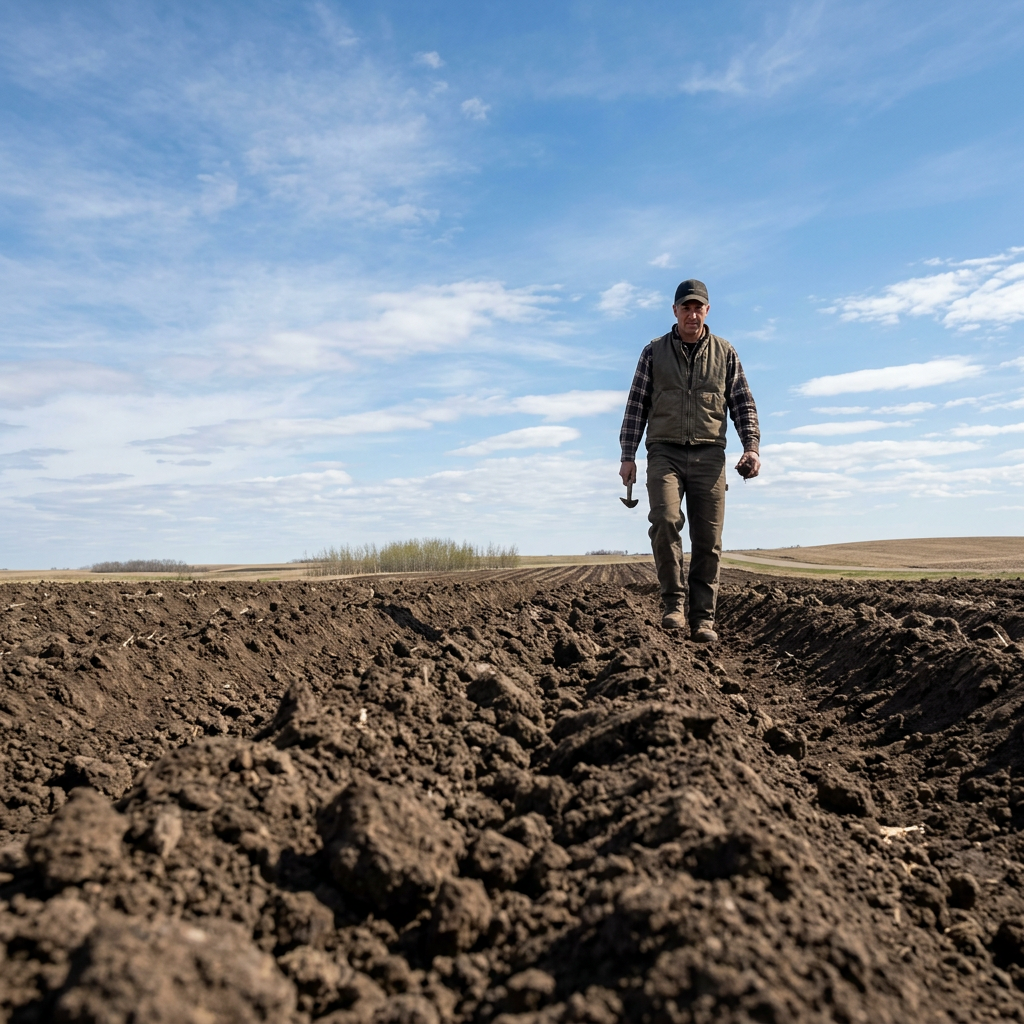
Most landowners who underperform on their farmland do not make one large mistake. They make a series of small, passive decisions that compound in the wrong direction. Below-market rates, weak lease terms, and unverified tenants each chip away at what could be a reliable, growing income stream.
Why Informal Arrangements Undervalue Your Land
When landowners set rental rates through word-of-mouth or personal estimates, they are almost always leaving money on the table. Competitive farmland rental rates are determined by actual market demand, not by what a neighbor charges or what was agreed upon five years ago. Without exposure to that demand, there is no way to know what the market will actually bear.
- No price discovery: Private negotiations produce a rate one person accepts, not the rate the market would offer through open competition.
- Stagnant pricing: Informal arrangements rarely include structured rent reviews, meaning rates fall behind competitive bidding benchmarks over time.
- Thin documentation: Handshake deals lack the enforceable terms needed to protect the landowner if conditions change.
- Unverified tenants: Without a formal vetting process, there is no reliable way to assess whether a tenant will maintain soil health or meet payment obligations consistently.
The Compounding Effect of a Weak Lease Structure
A poorly structured lease does not just affect one season. It locks in risk for the entire lease term. Landowners who rely on vague or generic agreements often find themselves without recourse when disputes arise over soil responsibilities, maintenance obligations, or early termination. According to the Farm Credit Canada rental price guidance, clear written agreements are foundational to fair and sustainable leasing arrangements. The strength of your lease is effectively the ceiling on your ability to enforce your rights as a landowner.
Strategic Pillars That Drive Long-Term Returns
Treating farmland as a managed income asset requires deliberate decisions across four areas: pricing, tenant selection, lease term planning, and market timing. Each pillar reinforces the others, and weakness in any one area undermines the whole strategy.
Pricing Strategy: Let the Market Speak
The most reliable way to establish a fair rate is through competitive exposure. Online farmland auctions allow multiple verified farmers to bid on the same parcel, producing a rate grounded in actual demand rather than assumption. This is particularly relevant given how much farmlandsinf rental rates vary across regions. Farmland rental rates in Alberta and Ontario differ significantly based on soil class, crop type, and regional supply and demand. A static, privately negotiated rate rarely captures that nuance.
Tenant Selection: Vetting Matters More Than Price Alone
A high bid from an unreliable tenant is worth less than a fair bid from a proven operator. Tenant vetting should examine farming credentials, equipment capacity, and demonstrated commitment to soil stewardship. Before finalizing any lease, landowners benefit from a proper soil health assessment to establish a baseline and hold tenants accountable for maintaining it. Soil degradation caused by poor farming practices is a long-term liability that no rental income can fully offset.
Lease Term Planning: Match the Term to Your Goals
The choice between short and long lease terms is not simply a matter of preference; it has direct financial consequences. Multi-year farm leases offer income stability and attract tenants willing to invest in the land, while shorter terms preserve flexibility if land values shift or personal circumstances change. The right structure depends on your investment horizon, the local market, and what you need the land to deliver over time. Both options have merit, but choosing without analysis is not a strategy; it is a guess.
Market Timing and Listing Quality
When and how you list your land influences who sees it and what they offer. A detailed, accurate listing that highlights soil quality, water access, and historical crop yields attracts more serious bidders than a sparse entry. Creating a farmland listing that communicates value clearly is a skill that directly affects your opening bids. Listing at the right point in the agricultural calendar, when farmers are actively planning their next season, also matters more than most landowners realize. Timing and presentation together set the conditions for a competitive outcome.
Tools That Close the Strategic Gap
Strategy without the right tools is difficult to execute consistently. The farmland leasing marketplace in Canada has evolved considerably, and landowners now have access to platforms that handle the operational complexity that informal arrangements leave entirely on their shoulders.
Automated Lease Agreements Reduce Risk and Effort
One of the most overlooked advantages of using a structured platform is the ability to generate legally sound lease agreements without starting from scratch each cycle. Automated lease agreement tools prompt landowners through the key terms and produce customized, enforceable documents that reflect the specific conditions of the land and the agreed rental terms. This removes ambiguity and gives both parties a clear record from day one. According to Ontario's sustainable land rental guidance, written agreements with explicit terms are essential for protecting both landowners and tenants over time.
Platforms That Connect Strategy to Execution
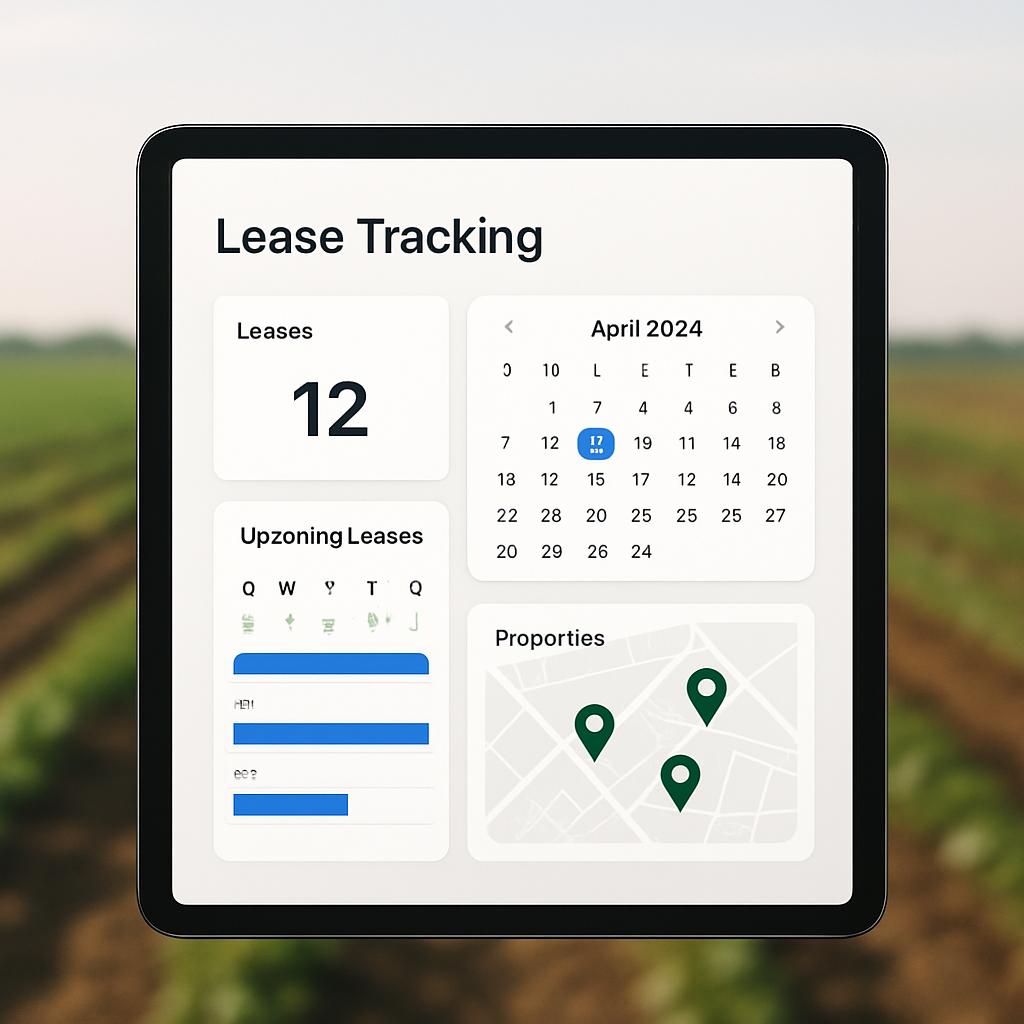
Land4Rent is designed specifically to address the strategic gaps that unstructured leasing creates. Verified listings, live rental auctions, automated lease generation, and integrated payment tracking give landowners a complete system for managing their land as a long-term income asset rather than a passive arrangement. The farmland leasing marketplace model it operates within ensures that rates are market-driven and tenants are vetted before any agreement is signed. For landowners who want to move from informal arrangements to a managed strategy, a platform built around structured farmland leasing is the most practical starting point.
Conclusion
Leasing land without a defined strategy does not just mean missing out on higher rental rates. It means accepting unnecessary risk, unreliable income, and missed compounding over time. The landowners who consistently generate strong returns from agricultural land leasing treat their property as a managed asset: they price it competitively, vet their tenants, structure leases with enforceable terms, and review their approach each cycle. The tools to do this professionally are available, and the cost of not using them adds up quietly but steadily. Start treating your land like the income asset it is, and the difference will show in your returns over the long term.
Ready to move from casual leasing to a real strategy? List your farmland on Land4Rent and let competitive bidding and verified tenants do the work.
Frequently Asked Questions (FAQs)
How to maximize returns on rental farmland?
Maximizing returns requires combining competitive pricing through market-driven bidding, careful tenant vetting, structured multi-year lease agreements, and regular rate reviews to keep pace with regional farmland rental markets.
How are farmland rental rates determined?
Farmland rental rates are determined by factors including soil quality, crop productivity, regional supply and demand, and increasingly through competitive bidding platforms where multiple farmers bid openly on available parcels.
What is a farmland rental auction?
A farmland rental auction is a competitive process where verified farmers submit bids on a listed parcel, allowing the market to set a rental rate based on genuine demand rather than private negotiation or guesswork.
Is it better to lease or buy farmland?
For landowners with existing holdings, leasing preserves ownership and generates consistent income while avoiding the liquidity challenges of a sale, making it the preferred choice for those focused on long-term asset management.
What does a farmland lease agreement include?
A farmland lease agreement typically includes the rental rate, lease term, permitted land use, soil stewardship obligations, payment schedule, renewal conditions, and dispute resolution terms to protect both parties throughout the arrangement.


.png)



.svg)


.svg)