%20(1).svg)

.svg)

Introduction
Choosing the wrong tenant for your farmland can cost far more than a missed rent payment. Poor land stewardship, soil degradation, and drawn-out legal disputes are all consequences that Canadian landowners face when tenant screening for farmland is skipped or done casually. Unlike residential rentals, agricultural leases often span multiple years, and the tenant's farming practices directly affect the long-term productivity and value of the land itself. In provinces like Saskatchewan, Alberta, and Ontario, where farmland values continue to climb, a structured tenant verification process is no longer optional. The difference between a profitable, well-maintained parcel and a declining asset often comes down to who you let farm it.
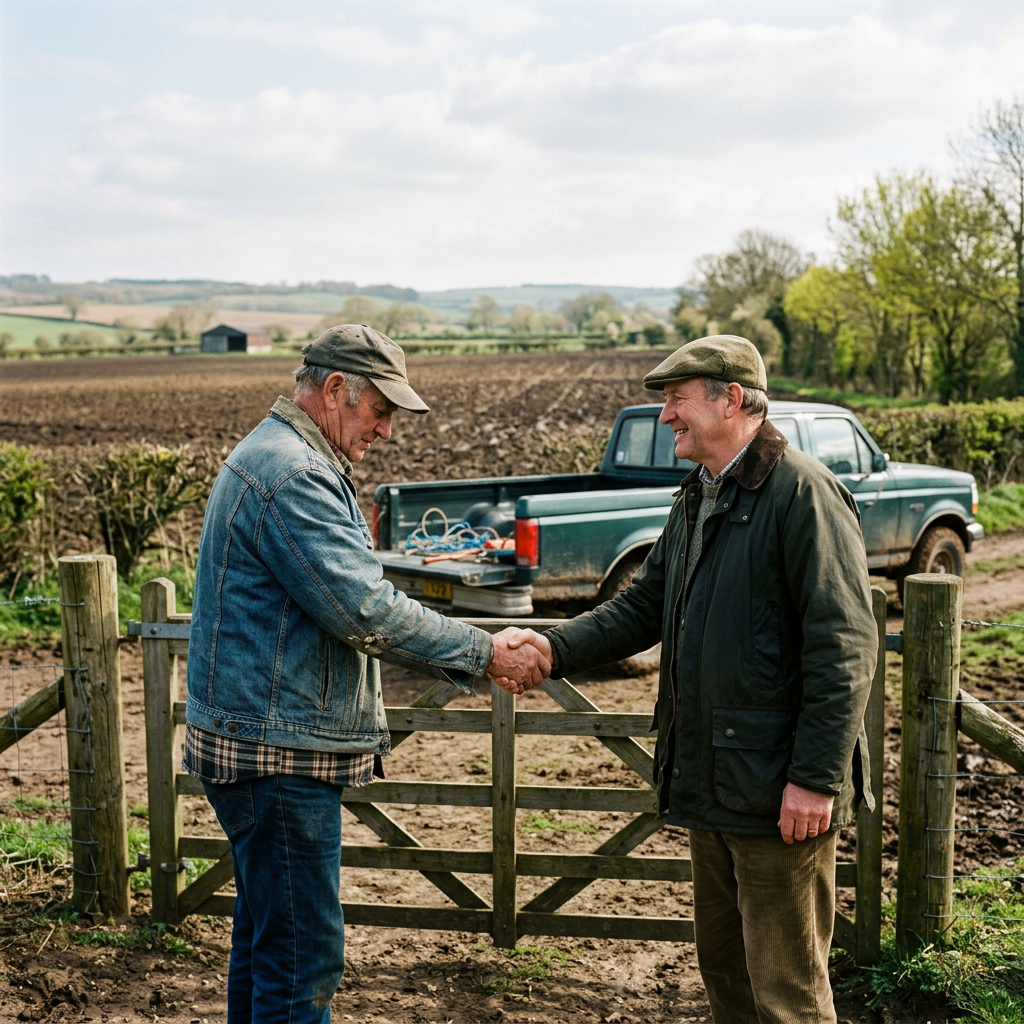
Financial and Operational Evaluation of Prospective Farm Tenants
Before discussing farming practices or stewardship philosophy, every landowner needs a clear picture of a prospective tenant's financial standing. Agricultural tenant screening starts with the same fundamentals as any lease: can this person reliably pay rent on time, season after season? Requesting a current credit report is standard practice, and it gives you insight into existing debt loads, payment patterns, and any past defaults. For farm lease tenant screening in Canada, a credit report also reveals whether the applicant carries outstanding equipment loans or operating lines that could strain their cash flow during a poor harvest year.
Beyond the credit check, ask for at least two years of financial statements or tax filings related to their farming operation. You are looking for consistency in revenue, manageable debt-to-income ratios, and evidence that the operation generates enough surplus to cover rent even in leaner years. A farmer who shows steady income across variable commodity cycles is a much safer bet than one whose numbers swing dramatically from year to year.
Credit report: confirms payment history, existing debts, and overall creditworthiness
Tax returns or financial statements: show revenue trends and operational stability over time
Bank references: provide third-party confirmation of financial standing and lending relationships
Proof of crop insurance: demonstrates risk management planning and protects against total income loss.
Equipment ownership or lease records: indicate whether the farmer has the machinery needed to work your land properly.
Evaluating Operational Capacity and Experience
A tenant can be financially sound but still lack the operational capacity to manage your specific parcel. This is where agricultural tenant background checks diverge sharply from residential screening. You need to know what crops the farmer intends to grow, what equipment they have access to, and whether their current operation can realistically absorb additional acreage without spreading resources too thin. A farmer already operating at maximum capacity who adds your quarter section may end up cutting corners on your land first.
Ask direct questions about their current farming footprint. How many acres do they currently manage? What percentage is owned versus rented? How far is their home base from your property? Travel distance matters more than many landowners realize, especially in Saskatchewan and Alberta, where parcels can be spread across vast distances. A tenant who farms 30 minutes away will monitor your land differently than one who drives two hours each way.
Land Stewardship and Lease History Assessment
The financial side of screening tells you whether a farmer can pay. The stewardship side tells you whether they will protect your land. For Canadian landowners, this second layer of the tenant verification process is arguably more important, because the consequences of poor stewardship compound over years and may not become apparent until serious damage is done.
Assessing Soil Health and Stewardship Practices
Ask every prospective tenant about their approach to soil management. What crop rotations do they follow? Do they incorporate cover crops or green manure into their program? How do they handle nutrient management, and can they provide soil test results from land they currently farm? These are not abstract questions. Soil degradation from a tenant who mono-crops or skips proper fertility programs can reduce your land's productive value for a decade or longer.
In Ontario, the provincial government actively encourages landowners to evaluate sustainable rental practices before signing any lease. In the Prairie provinces, where soil organic matter is a core asset, asking for a detailed crop rotation plan is not overreach. It is basic due diligence. If a prospective tenant cannot articulate a clear stewardship plan, or worse, seems indifferent to the question, that is a significant red flag regardless of their financial qualifications.
Where possible, visit land the farmer currently rents or has rented in the past. Walk the fields. Look at weed pressure, compaction evidence, erosion patterns, and overall field condition. A 20-minute field visit often reveals more about a farmer's true practices than any document they hand you. You can also request soil responsibility documentation as part of the screening process.
Checking Lease History and References
Every farmer screening process should include direct contact with previous landlords. This is the agricultural equivalent of calling a tenant's former property manager, and it is just as revealing. Ask previous landlords whether rent was paid on time, whether the farmer followed the agreed-upon crop plan, how they left the land at lease end, and whether any disputes arose during the term. A pattern of late payments, land condition complaints, or early lease terminations should give any landowner pause.
Request at least three references: two previous landlords and one agricultural lender or supplier who can speak to the farmer's reputation in the community. In rural Canada, reputation carries real weight. Farmers who are known for doing right by the land and honoring agreements tend to have no trouble producing references. Those who hesitate or provide only personal references may be concealing a problematic lease history. Once references check out, you can move forward with confidence toward drafting a lease agreement that protects both parties.
Structuring the Screening Process for Long-Term Success
Knowing what to evaluate is only half the challenge. The other half is building a consistent, repeatable screening process that you apply to every applicant, every time. Consistency protects you legally, reduces bias, and ensures you are comparing candidates on equal footing.
Creating a Standardized Screening Checklist
Develop a written checklist that covers every area discussed above: credit verification, financial documentation, operational capacity, stewardship practices, and reference checks. Apply this checklist identically to each prospective tenant. This not only ensures thoroughness but also creates a documented process that demonstrates fair treatment if a rejected applicant ever raises concerns. Platforms like Land4Rent streamline this by verifying both farmers and listings before any transaction begins, which removes much of the guesswork from the early stages of tenant selection.
Your checklist should also include a face-to-face meeting or video call with every serious candidate. Rural tenant screening in Canada still depends heavily on personal interaction. You are entering a multi-year business relationship, and a conversation about expectations, communication preferences, and problem-solving approaches tells you things no document can. Ask how they have handled drought years, equipment breakdowns during critical windows, or disagreements with previous landlords. Their answers will reveal their character as clearly as any credit report.
Using Verified Platforms and Professional Support
For landowners who lack experience with farmland rental agreements or feel uncertain about evaluating applicants independently, professional support makes a meaningful difference. Agricultural organizations, provincial farm management specialists, and dedicated farmland leasing platforms all offer resources that simplify the screening process. Land4Rent, for example, provides verified farmer profiles and handles key trust-building steps that landowners would otherwise need to manage on their own.
The cost of not screening properly is almost always higher than the time investment required to do it right. A single bad tenant can mean years of rebuilding soil health, legal fees to enforce or terminate a lease, and lost income from below-market rental rates locked in by a poorly structured agreement. Building a robust farm lease agreement starts well before the contract is signed. It starts with knowing exactly who you are leasing to.
Landowners in Alberta and Saskatchewan should pay particular attention to provincial regulations around agricultural leases, as requirements for notice periods, renewal terms, and dispute resolution can vary. Consult first-time leasing guides tailored to your province to ensure your screening process and eventual lease terms align with local legal standards. Combining strong screening practices with a well-structured listing significantly increases the likelihood of attracting reliable long-term farm renters from the outset.
Conclusion
Tenant screening for farmland is the most important step a Canadian landowner can take before signing any lease. By systematically evaluating financial stability, operational capacity, stewardship practices, and lease history, you protect not just your rental income but the long-term value of the land itself. The process does not need to be complicated, but it does need to be consistent and thorough. Every hour spent screening upfront saves potentially years of headaches, lost revenue, and soil recovery down the road. Reliable long-term renters exist in every province; the key is having the framework to identify them before handing over the keys to your most valuable asset.
Start your search for verified farm tenants on Land4Rent and take the guesswork out of farmland leasing.
Frequently Asked Questions (FAQs)
How do you screen farmers as tenants?
Screen farmers by reviewing their credit history, financial statements, crop rotation plans, equipment inventory, and references from previous landlords to assess both payment reliability and land stewardship.
What is included in agricultural tenant screening?
Agricultural tenant screening typically includes a credit check, verification of farming experience, review of operational capacity, soil management assessment, and direct contact with previous landlords.
Is tenant screening necessary for farmland?
Yes, tenant screening is essential for farmland because a poor tenant can cause long-term soil degradation, missed rent payments, and costly legal disputes that far exceed the effort of screening upfront.
What documents are needed for farm tenant verification?
Common documents include credit reports, two years of tax returns or financial statements, proof of crop insurance, an equipment list, and written references from at least two previous landlords.
How do landlords screen tenants in Canada?
Canadian landlords screen farm tenants by requesting financial documentation, verifying farming credentials and lease history, conducting in-person meetings, and increasingly using verified platforms that pre-screen applicants.


.png)




.svg)


.svg)