%20(1).svg)

.svg)

Introduction
Most landowners and farmers shake hands on the big items rent per acre, lease length, total acreage and assume the hard work is done. But experienced agricultural operators know that a farm lease agreement earns its value not in the headline terms, but in the clauses that rarely get discussed at the kitchen table. Disputes over land condition, unpaid obligations, and access rights almost never come from the major terms both parties agreed on. They come from the sentence nobody thought to include. Understanding which details carry the most legal and financial weight is one of the most important things a Canadian landowner or farmer can do before signing anything.
Why the Fine Print in Agricultural Leases Carries Real Risk
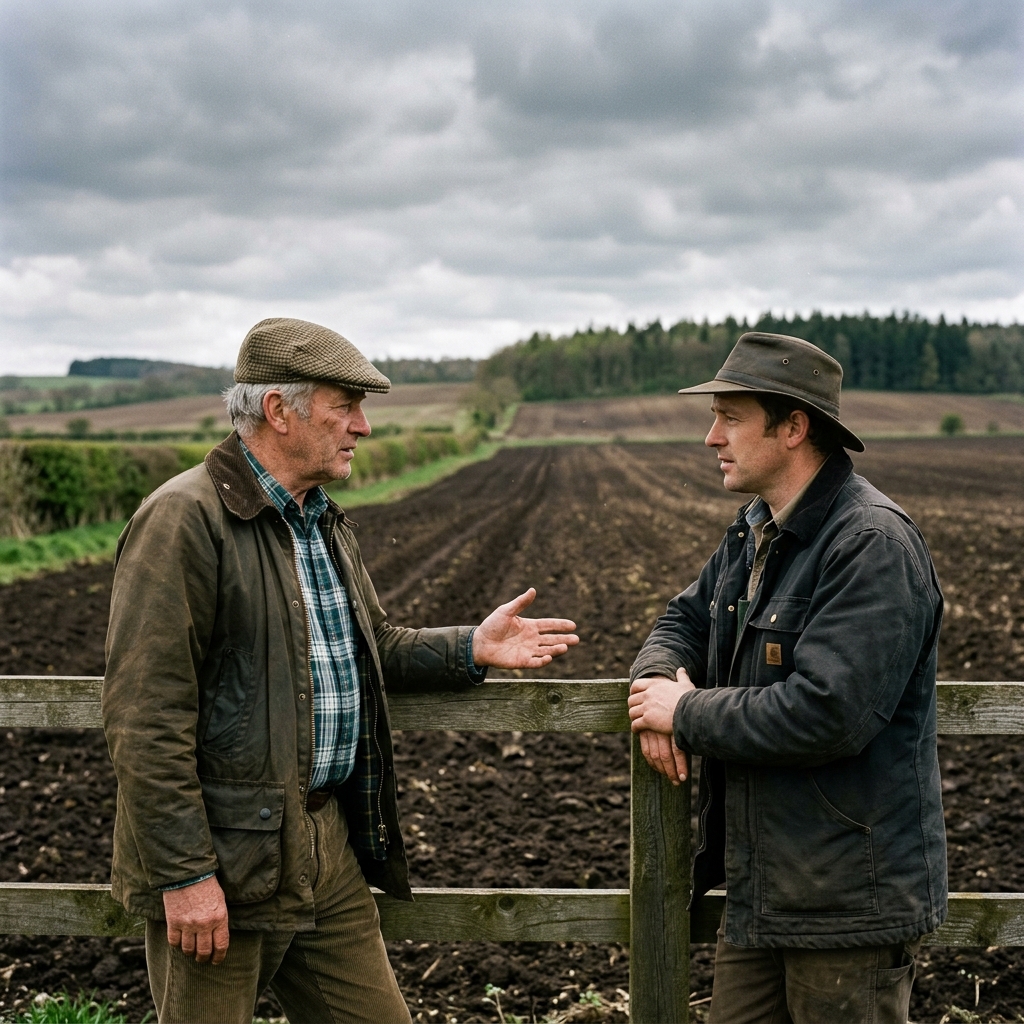
A farmland lease agreement is not a handshake arrangement with paperwork attached. It is a legally enforceable contract that governs land use, financial obligations, and the long-term condition of an agricultural property. When something goes wrong and in farming, things do go wrong, the lease document is the first place anyone looks. If a clause is vague, missing, or misunderstood, the cost of resolving it falls on both parties.
What Most Lease Disputes Actually Come Down To
The disputes that drag on the longest and cost the most are rarely about rent amounts. They tend to cluster around a handful of overlooked areas that seemed minor at signing but become major issues over time. Knowing where these gaps typically appear is the first step toward closing them.
- Soil maintenance obligations: Who is responsible for erosion control, tile drainage upkeep, and maintaining organic matter levels across the lease term?
- Crop type restrictions: Can the tenant plant anything they choose, or are certain high-depletion crops restricted without prior written consent?
- Sub-letting and assignment rights: Is the tenant permitted to sub-let a portion of the land, and under what conditions does that require landowner approval?
- End-of-lease land condition: What standard must the land meet when the tenant vacates, and how is that standard measured or verified?
- Payment timing and late penalties: When exactly is rent due, and what happens when it is not paid on time?
Why These Details Get Skipped
The honest answer is that these clauses feel awkward to raise during early negotiations. Asking a prospective tenant about sub-letting or soil depletion can feel like a signal of distrust. But a well-drafted legally binding farm lease agreement is not a signal of distrust. It is a shared framework that protects both parties equally, and it makes difficult conversations easier to have because they are already resolved on paper before a problem ever arises.
The Clauses That Landowners Most Commonly Miss
Landowners tend to focus on income protection when drafting lease terms, which is understandable. But income protection is only one dimension of a complete lease. The physical and legal condition of the land itself requires equally careful documentation.
Access Rights and Third-Party Entry
A landowner's rights to access their own property during an active lease are not automatically preserved just because they own the land. Without a clearly written access clause, a tenant can legally restrict entry, making it impossible for the landowner to conduct inspections, manage drainage, or assess soil condition. Access clauses should specify notice requirements, permitted reasons for entry, and any seasonal restrictions on when access is appropriate given active crop cycles. This is especially relevant in farmland rental agreements in Ontario and other provinces where agricultural tenancy rights are well-established and can work against an underprepared landowner.
Insurance Requirements and Liability Allocation
Many standard lease templates in Canada omit insurance requirements entirely, or mention them in language so general it is unenforceable. A complete agricultural lease agreement should specify the minimum liability coverage the tenant must carry, name the landowner as an additional insured where appropriate, and clarify who bears responsibility if a third party is injured on the property during the lease period. These are not edge cases. They are situations that arise regularly on working farms.
The Clauses That Farmers Most Commonly Miss
Farmers approaching a lease negotiation are often focused on operational needs: access to water, the right to build temporary structures, equipment storage, and the ability to plant the crops that fit their business model. What gets overlooked is how the lease protects their investment in the land over time.
Renewal Terms and First Right of Refusal
A farmer who invests in tile drainage improvements, lime applications, or perennial crop establishment is making a multi-year bet on that parcel. Without a renewal clause or first right of refusal, a landowner can simply decline to renew at the end of the term, leaving the farmer unable to recover that investment. Renewal language should specify notice timelines, any rent adjustment mechanisms tied to market conditions, and the process for negotiating a new term. Farmers leasing in Saskatchewan or Manitoba should note that farm lease agreement basics can vary significantly by province, making tailored agreements far more reliable than generic templates.
Improvement Ownership and Removal Rights
Who owns the drainage tile the tenant installed? What about a grain bin placed on a concrete pad? Without explicit language addressing tenant improvements and responsibilities, these questions are left to interpretation at the end of the lease, and interpretation is where disputes are born. A proper clause should define what constitutes a permanent fixture versus a removable improvement and set out the conditions under which either party can claim ownership or demand removal.
How Lease Structure Affects Long-Term Relationships
A farm lease agreement that is vague in its obligations does not just create legal risk. It creates relational friction. When a tenant is unsure whether they are supposed to maintain a fence line, or a landowner is unsure whether they can enter during harvest, both parties end up making assumptions. Assumptions in a contractual relationship accumulate into resentment.
The Value of a Customised Lease Over a Generic Template
A customized lease agreement for farmland addresses the specific property, the specific tenant, and the specific operational context. A farm in the Peace Region of Alberta has different soil management considerations than a cash crop operation in southwestern Ontario. A farm lease contract template pulled from a generic legal resource cannot account for those differences by definition. The clause about tile drain maintenance that matters enormously in a flat, poorly drained Ontario field may be irrelevant on a well-drained Saskatchewan dryland farm.
Getting Both Parties to the Same Understanding Before Signing
One of the most practical things a lease can do is force both parties to discuss scenarios they have not yet considered. When a farm lease agreement in Canada includes a clause about what happens if the tenant experiences a catastrophic crop failure, both parties are required to think through and agree on that situation before it becomes a crisis. That kind of proactive structure is what separates a durable leasing relationship from one that collapses under pressure. Land4Rent builds this kind of structured thinking into its automated lease generation process, prompting landowners through the specific questions that surface these overlooked details before a draft is ever produced.
Conclusion
The terms that end farm leases prematurely are almost never the ones both parties spent the most time negotiating. They are the ones nobody thought to raise. Soil maintenance standards, access rights, insurance obligations, renewal terms, and improvement ownership are not peripheral concerns. They are the operational backbone of a functional leasing relationship. Leasing farmland responsibly means getting these details into writing before the season starts, not after a dispute forces the issue. Platforms like Land4Rent exist precisely to make that process accessible without requiring every landowner or farmer to become a contract law expert. The most expensive lease mistakes are the ones that were entirely preventable.
Start building a complete, customized farm lease agreement today at Land4Rent.
Frequently Asked Questions (FAQs)
What should be included in a farm lease agreement?
A complete farm lease agreement should include rent amount and payment timing, lease duration, renewal terms, permitted crop types, soil maintenance obligations, access rights, insurance requirements, and end-of-lease land condition standards.
Is a lease agreement legally binding in Canada?
Yes, a lease agreement is legally binding in Canada provided it includes the essential elements of a contract: offer, acceptance, consideration, and mutual intent, and it is signed by both parties.
What is a standard farm lease agreement in Canada?
A standard farm lease agreement in Canada typically covers rent, term length, and basic land use rights, but standard templates often omit critical clauses around soil stewardship, insurance, and improvement ownership that vary by province and property type.
How do I create a lease agreement for farmland?
You can create a lease agreement for farmland by working with an agricultural lawyer, using a province-specific template as a starting point, or using a platform with automated lease generation that prompts you through property-specific details.
What is the difference between a lease and a rental agreement?
A lease agreement typically covers a fixed term of one year or more with defined obligations for both parties, while a rental agreement is often month-to-month and carries fewer long-term protections for either the landowner or the tenant.

.png)



.svg)


.svg)