%20(1).svg)

.svg)

Introduction
Listing farmland for rent is one thing. Attracting a serious, qualified tenant who will farm it responsibly and pay reliably is another challenge entirely. Across Canada, many landowners post their properties and wait, only to receive little interest or inquiries from tenants who are not a good fit. Understanding what tenant farmers actually prioritize when evaluating a rental property is not just useful, it is essential for landowners who want their land leased quickly, fairly, and with confidence.
What Tenant Farmers Actually Evaluate First
Before a farmer commits to a farmland lease, they run through a mental checklist shaped by their operational needs, financial realities, and long-term planning. Landowners who understand this checklist have a significant advantage over those who simply post acreage and a price.
Soil Quality and Land Productivity
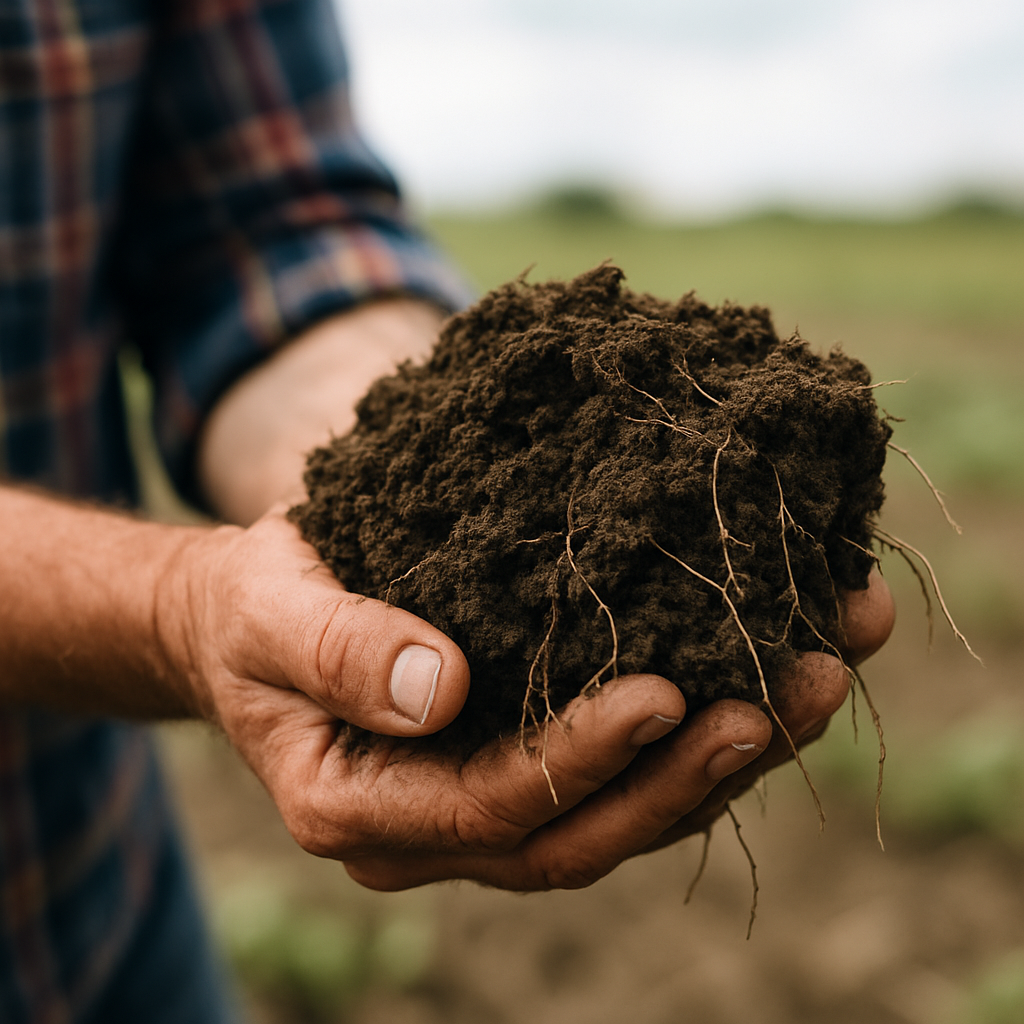
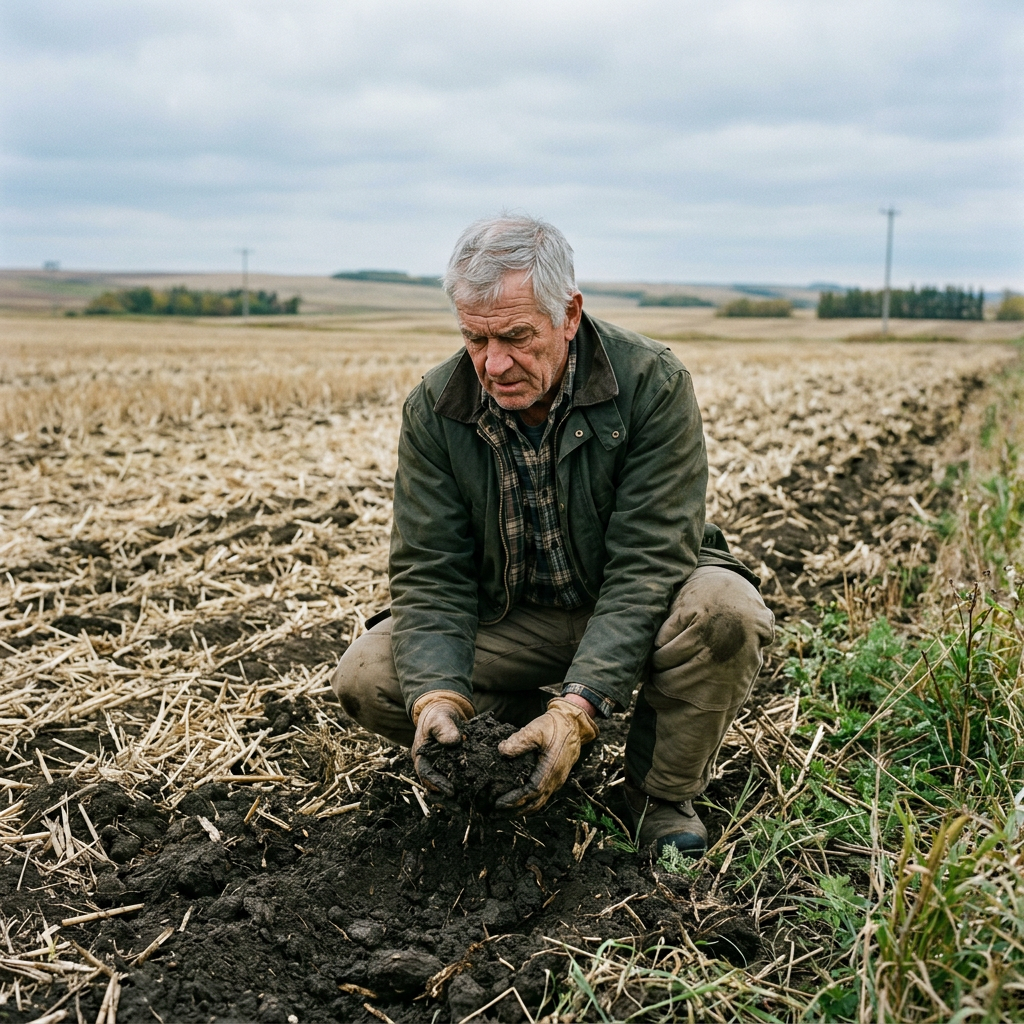
A tenant farmer's livelihood depends directly on what the land can produce. Soil quality is the first thing most serious farmers assess, and properties with documented soil health data attract far more interest than those without it. Landowners who invest in basic soil assessments before listing are signaling professionalism and giving tenants the information they need to make a confident decision.
- Drainage and water retention: Poor drainage can ruin a growing season, so tenants look for evidence of tiling, natural drainage, or historical performance data.
- Previous crop history: Farmers want to know what has been grown, what inputs were used, and whether the land has been managed sustainably.
- Soil test results: pH levels, nutrient content, and organic matter percentages all influence what a farmer can grow and how much they will invest in the land.
- Weed and pest pressure: A history of persistent weeds or soil-borne disease can significantly deter qualified tenants.
- Topography and erosion risk: Flat, well-structured land is easier to farm efficiently, and tenants factor this into their operational cost estimates.
Location and Proximity to Operations
Farmers rarely lease land in isolation. Most are looking to expand or consolidate an existing operation, which means farmland rental rates and desirability are heavily influenced by how close a parcel is to a tenant's home farm or equipment base. Land that requires long hauls between fields adds fuel costs and time, which erodes profitability. Properties near active farming communities, like farmland for rent in Saskatchewan or Alberta's grain-producing regions, tend to generate stronger tenant interest simply because of the density of working farmers in those areas.
Lease Structure and Terms That Work for Farmers
Even the most productive land can sit empty if the lease terms are poorly designed. Farmers are business operators. They need clarity, flexibility, and fair terms before they will commit to a multi-year agreement.
Flexibility and Lease Length
Most serious tenant farmers prefer long-term farmland leases in Canada because they allow for proper crop rotation planning and capital investment in the land. A one-year lease creates uncertainty that discourages tenants from putting effort or money into improving the property. Landowners who offer multi-year terms with clear renewal options are far more likely to attract committed farmers who treat the land as their own. That said, terms need to be fair and transparent, not loaded with restrictions that make farming operationally difficult.
Clear and Legally Sound Agreements
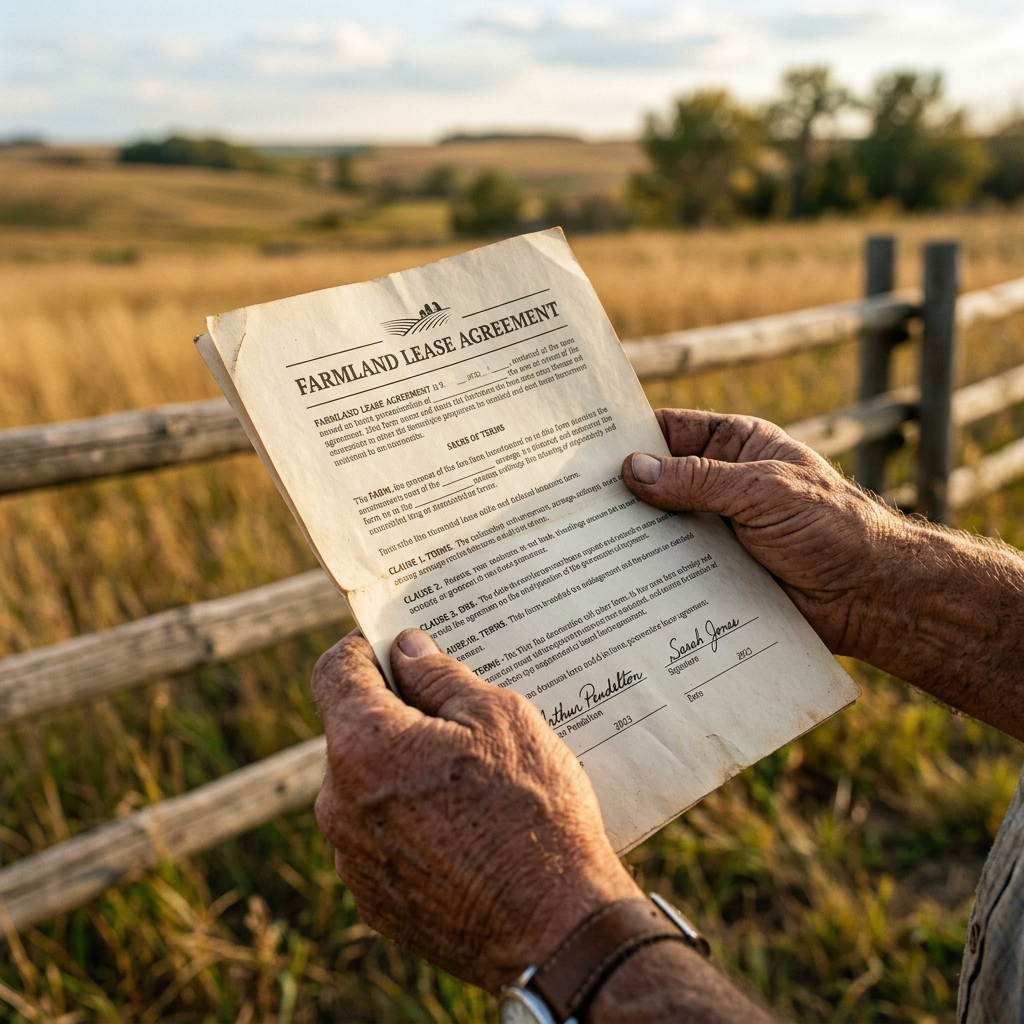
Ambiguity in a lease agreement is a red flag for experienced tenant farmers. They want to know exactly what they are responsible for, what the landowner retains control over, and what happens if conditions change. A well-structured agreement that holds up in court protects both parties and signals that the landowner is serious and organized. Farmers who have been burned by vague or informal arrangements in the past are specifically looking for this kind of documentation before they sign anything.
Pricing That Reflects Real Market Value
Overpriced farmland drives away the best tenants, who know exactly what comparable parcels are renting for. Underpriced land raises questions about hidden problems. Getting pricing right matters as much as any physical feature of the land itself.
Understanding What Drives Rental Rates
Farmland rental income in Canada varies widely based on province, soil class, crop type, and current commodity prices. Provinces like Saskatchewan and Alberta have established benchmarks that experienced farmers reference when evaluating a listing. Landowners who price based on data rather than gut instinct attract more credible interest. Farm Credit Canada publishes rental price benchmarks that give both parties a neutral reference point, helping reduce friction during negotiations.
Competitive and Transparent Pricing Models
One approach gaining traction in the farmland rental marketplace is competitive bidding, where rental rates are set through auction rather than private negotiation. This model benefits landowners by ensuring the rate reflects genuine market demand rather than the first number someone offered. For tenants, it creates a fair and transparent process where they know the price is market-driven, not arbitrary. When farmers understand how a rate was determined, they are more likely to trust the arrangement from the start.
Listing Quality and Platform Credibility
How a property is presented matters as much as what is being offered. A poorly described listing with vague details and no supporting information signals an inexperienced or disorganized landowner, which is a deterrent for serious tenants.
What a Strong Listing Includes
Qualified tenant farmers are doing their research before they ever contact a landowner. A compelling listing on a verified farmland listing in Canada should include accurate acreage, soil class, drainage information, past cropping history, proximity to roads and grain handling, and any existing infrastructure. Photos help, but data is what closes interest. Landowners who provide thorough documentation upfront reduce the back-and-forth and attract tenants who are already confident in the property before the first conversation.
The Role of Platform Verification and Trust
Experienced farmers are also evaluating the platform itself. A listing on a credible, verified platform carries more weight than one posted casually on a general classifieds site. Tenant soil responsibilities and other operational details are easier to communicate when both parties are working within a structured system designed for agricultural leasing. Land4Rent operates in this space, connecting landowners with verified tenant farmers through a purpose-built platform that handles everything from bidding to signed leases and payments.
Payment Reliability and Operational Trust
From the tenant's perspective, payment systems and operational trust flow in both directions. Farmers want to know that a landowner will hold up their end of the arrangement, too, whether that means not interfering during the growing season or honoring agreed-upon terms without unexpected changes.
Secure and Trackable Transactions
Tenants who are leasing large acreages are moving significant sums of money. Secure, trackable farmland rental income transactions give both sides confidence that the financial side of the relationship is documented and reliable. Platforms that provide full transaction records and automated payment handling remove a layer of friction that can otherwise lead to disputes later in the lease term.
Landlord Responsiveness and Professionalism
Farmers talk. Word spreads quickly in agricultural communities about which landowners are easy to work with and which are not. Responding promptly to inquiries, providing complete information, and approaching the relationship as a business partnership rather than a passive income arrangement are all behaviors that attract serious, long-term tenants. The landowners who treat leasing professionally are the ones who rarely have vacancies between tenants. Landowners interested in building a sustainable leasing approach can explore dedicated tools and resources through the Land4Rent landowner portal.
Conclusion
Attracting the right tenant for your agricultural land for rent comes down to preparation, transparency, and professionalism at every stage of the leasing process. Soil quality, location, lease structure, pricing, and listing credibility all play a role in whether qualified farmers choose your land or move on to the next option. Landowners who invest time in understanding what tenant farmers need, and who present their properties accordingly, consistently outperform those who treat leasing as an afterthought. The gap between a property that sits and one that leases quickly is almost always about how well the landowner has done their homework. Approach your farmland lease the same way a good farmer approaches planting season: with preparation, the right information, and a long-term view.
Ready to attract verified tenant farmers to your land? List your property on Land4Rent and start leasing with confidence.
Frequently Asked Questions (FAQs)
What makes farmland attractive to tenant farmers in Canada?
Tenant farmers in Canada prioritize productive soil quality, convenient location relative to their existing operations, clear and fair lease terms, and transparent pricing that reflects genuine market value.
What do farmers look for when renting farmland in Canada?
Farmers typically look for documented soil health data, accessible infrastructure, flexible multi-year lease options, and a landowner who communicates professionally and honors the agreed-upon terms.
How do I find quality tenants for my farmland in Canada?
Listing your property on a verified farmland rental platform, providing thorough land documentation, and pricing competitively based on regional benchmarks significantly increases your chances of attracting serious, qualified tenants.
What is the average farmland rental rate per acre in Canada?
Farmland rental rates per acre vary widely by province, soil classification, and crop type, with Saskatchewan and Alberta generally ranging from under $50 to over $150 per acre depending on land quality and local demand.
Is renting farmland better than buying farmland in Canada?
For many farmers, renting farmland is preferable to buying because it allows them to scale their operation without the large capital outlay required for land ownership, preserving cash for equipment, inputs, and operating costs.

.png)


.svg)


.svg)