%20(1).svg)

.svg)

Introduction
For many Canadian landowners, selling feels like the natural endgame: convert the asset to cash and move on. But that thinking leaves a significant amount of long-term value on the table. Farmland investment in Canada has entered a new era, one where holding and leasing agricultural land often delivers stronger financial outcomes than a one-time sale. Rising land values, increasing lease rates, and favorable tax treatment are reshaping how informed investors approach their land assets. If you own farmland and have not seriously evaluated the lease-and-hold model, this is the conversation worth having.
The Financial Case for Leasing Over Selling
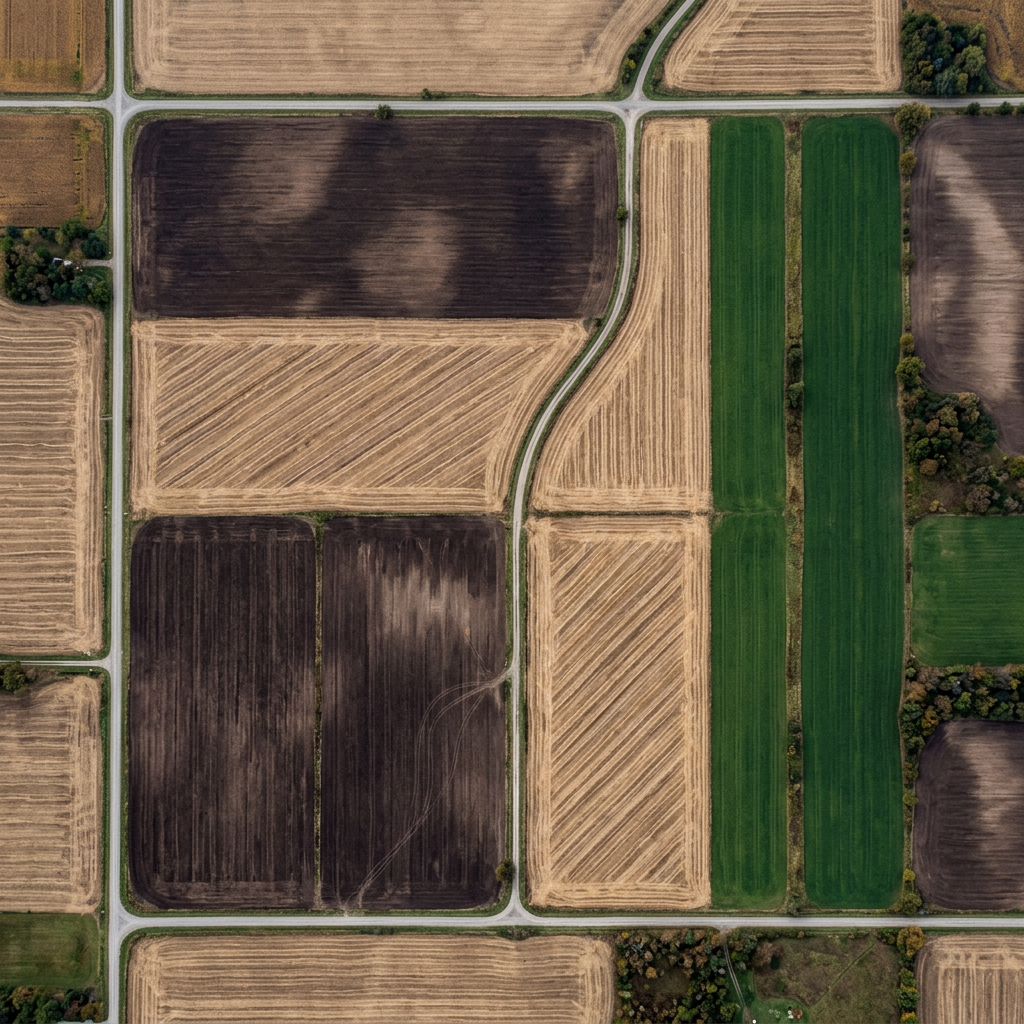
Selling farmland generates a single liquidity event. Leasing generates recurring income while the underlying asset continues to appreciate. For landowners with a long-term horizon, that distinction compounds dramatically over time and represents one of the most important decisions in land investment Canada strategies today.
Income Continuity and Compounding Asset Value
When you sell, you crystallize the value of your land at one point in time. When you lease, you collect farmland rental income Canada year after year while retaining full ownership of an appreciating asset. According to Farm Credit Canada, farmland rental rates have been rising consistently across most provinces, tracking closely with land value appreciation. That dual growth, income plus appreciation, is what makes leasing structurally superior to a one-time disposition for most long-term investors.
- Recurring cash flow: Annual lease payments provide predictable income that can fund retirement, operations, or reinvestment without requiring you to part with the land.
- Asset appreciation: Canadian farmland values have risen steadily for decades, meaning your asset grows in value while it continues to generate returns.
- Inflation hedge: Farmland and lease rates tend to rise with inflation, offering natural protection against purchasing power erosion.
- Estate flexibility: Retained ownership makes it far easier to transfer land to heirs or structure an estate plan with more options intact.
Understanding Farmland Lease Rates Per Acre
One of the most common objections to leasing is uncertainty about what the land will actually earn. Farmland lease rates per acre Canada-wide vary significantly depending on soil quality, province, crop type, and demand. In high-productivity regions like southwestern Ontario and the prairie provinces, competitive lease rates can deliver meaningful annual yields relative to land value. Knowing where your land stands in that market is the starting point for making a well-informed decision between leasing and selling.
Tax Considerations That Favor the Lease-and-Hold Model
Beyond income and appreciation, the tax structure around farmland ownership in Canada offers landowners meaningful advantages that selling often forfeits. Responsible farmland management includes understanding how the tax code applies to your specific situation, and in many cases, it strongly favors retaining the asset.
Capital Gains Exemption and Long-Term Tax Efficiency
Landowners who sell qualified farmland may be eligible for the capital gains exemption, but this is a one-time benefit. Once used, it is gone. By contrast, leasing generates annual rental income that is taxed at ordinary income rates, but the exemption remains intact for a future strategic sale if and when conditions warrant it. Spreading tax liability over time, rather than concentrating it into one large disposition event, is a core principle of sound farmland asset management.
Rental Income Treatment Under the CRA
The Canada Revenue Agency treats farmland rental income under specific rules that allow for deductions including property taxes, insurance, and maintenance expenses. This means your net taxable income from leasing is often lower than gross lease payments suggest. Landowners who work with a tax professional can structure their leasing arrangements to optimize these deductions, making the after-tax yield from leasing even more competitive compared to investing the proceeds of a sale.
Strategic Leasing in High-Value Agricultural Regions
Not all farmland is created equal, and location plays a major role in how compelling the lease-and-hold model becomes. Investors holding land in high-demand corridors have access to competitive lease markets that can significantly boost annual returns and maximize returns on farmland over time.
The Prairie Provinces and Ontario as Core Markets
Saskatchewan, Alberta, and Manitoba continue to attract strong farmer demand for additional acreage, driving competitive lease activity across the Prairies. Prairie provinces' farmland investment has consistently outperformed many other asset classes over the long term, and lease rates in these regions reflect that underlying demand. Ontario farmland rental rates by county and township are similarly robust, particularly in cash crop regions where farmers are actively seeking productive land to expand their operations.
How Auction-Based Leasing Changes the Equation
One of the historical drawbacks of leasing was the opacity of private negotiations, where landowners often accepted below-market rates simply because they lacked access to competitive alternatives. Farmland rental auctions change that dynamic entirely by exposing each listing to multiple verified bidders and letting market demand set the rate. This is precisely how Land4Rent operates: landowners list their properties, receive bids from vetted farmers, and secure lease rates driven by genuine competition rather than guesswork. The result is a more transparent and financially optimized leasing process that addresses one of the core criticisms of the lease model.
Structuring a Long-Term Lease Strategy
Choosing to lease rather than sell is the first decision. Structuring the lease well is what determines whether that strategy actually outperforms over time. A poorly structured lease can create disputes, underperform on rate, or expose the landowner to unnecessary risk.
Lease Term and Flexibility
Multi-year farm leases offer income predictability and reduce the friction of annual re-letting, but they also lock in a rate that may fall behind market appreciation. Landowners need to weigh stability against flexibility, particularly in a rising rate environment. The right lease term depends on your financial goals, the local market, and how actively you want to manage the asset.
Vetting Tenants and Protecting the Land
Long-term land value depends in part on how the land is farmed. A tenant who depletes soil health or neglects drainage infrastructure can diminish the productive capacity of the asset. Structured farmland leasing with verified tenants is not just about securing income; it is about protecting the underlying asset. Platforms that verify farmers before listing, as Land4Rent does, reduce this risk significantly and support the long-term integrity of your investment.
Conclusion
Selling farmland is not a strategy; it is an exit. Leasing, by contrast, is a vehicle for compounding wealth through income continuity, asset appreciation, and strategic tax positioning. For landowners who think in decades rather than quarters, the farmland lease vs farmland purchase question has a clear answer in most scenarios: holding and leasing wins. The key is doing it properly, with market-rate rents, vetted tenants, and lease terms that protect both cash flow and land quality. If you are ready to evaluate what your land could earn through a transparent, auction-driven process, the resources and tools available today make that easier than ever.
Ready to find out what your farmland could earn? List your land on Land4Rent and let competitive bidding set the rate your asset deserves.
Frequently Asked Questions (FAQs)
Why invest in farmland in Canada?
Canadian farmland has delivered consistent long-term appreciation alongside reliable rental income, making it one of the most stable and inflation-resistant asset classes available to private investors.
Is farmland a good investment in Canada?
Yes, farmland in Canada has historically outperformed many conventional asset classes over the long term, combining capital appreciation with annual rental income and favorable tax treatment.
What are the benefits of leasing farmland instead of selling it?
Leasing allows landowners to collect recurring income while retaining ownership of an appreciating asset, preserving estate flexibility, and keeping capital gains exemption eligibility intact for a future strategic sale.
How to generate income from farmland Canada?
The most direct approach is to lease your land to an active farmer through a competitive rental process that ensures you receive a market-rate return based on current demand in your region.
What are farmland rental rates in Canada?
Farmland rental rates in Canada vary widely by province, soil quality, and crop type, with high-productivity regions in Ontario and the prairie provinces commanding the strongest per-acre lease rates.

.png)


.svg)


.svg)