%20(1).svg)

.svg)

Introduction
Across Canada, millions of acres of farmland generate reliable rental income every single year, while comparable parcels nearby sit dormant and unproductive. This divide rarely comes down to soil quality or location alone. More often, it comes down to how landowners approach the leasing process: their visibility in the market, how they price their land for rent, and whether they are connecting with the right farmers through the right channels. Understanding the gap between idle land and income-producing parcels is the first step toward closing it.
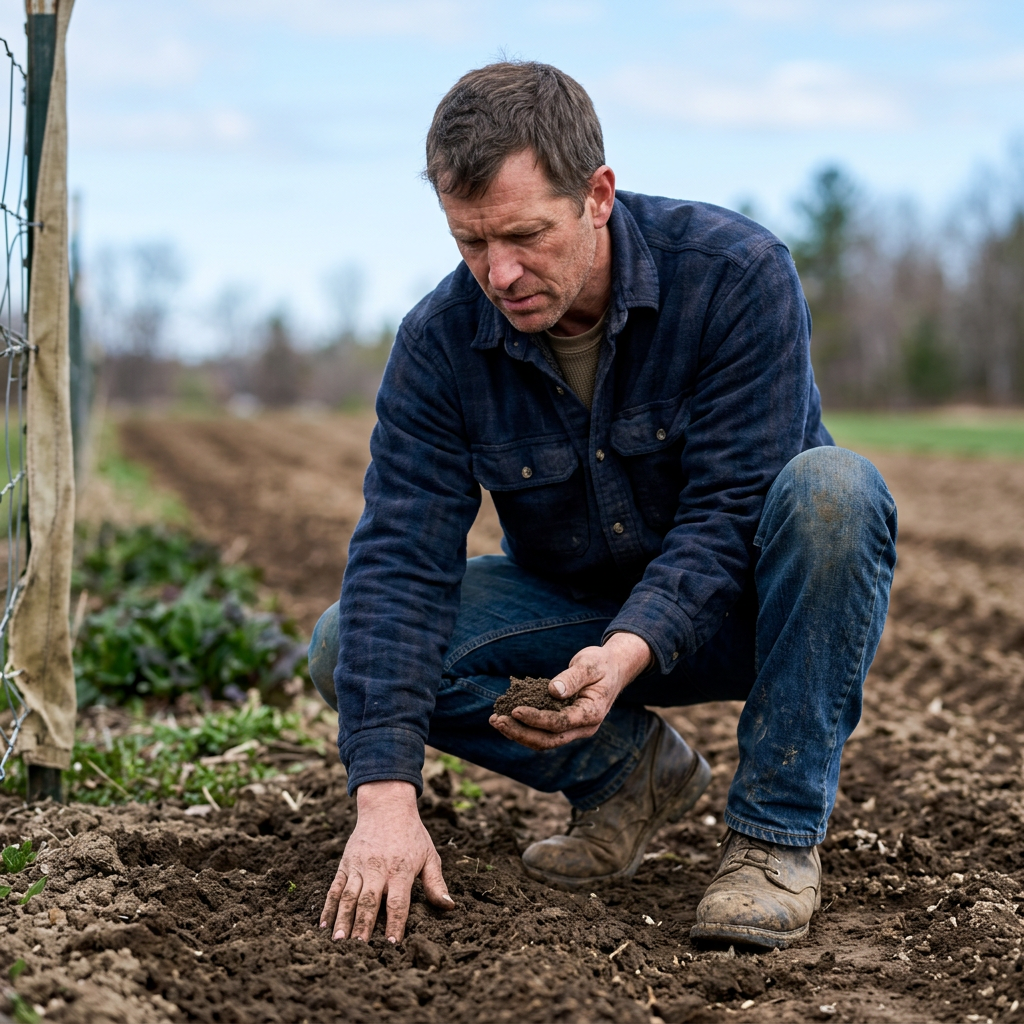
The Real Cost of Idle Farmland
Idle land is not neutral. It carries property taxes, potential liability, and the steady erosion of soil health without the offsetting benefit of a working tenant improving and maintaining it. For many Canadian landowners, the bigger cost is opportunity: acreage sitting unused in provinces like Ontario or Saskatchewan is acreage not compounding returns year over year.
What Landowners Often Underestimate
Many landowners assume that farmland will attract tenants naturally, without active effort. In practice, agricultural land for rent competes in an increasingly sophisticated marketplace where farmers are comparing listings, evaluating lease terms, and making data-informed decisions. Landowners who treat their parcels as passive assets often find themselves at the back of the line. Here is what tends to separate listed-but-idle land from consistently leased parcels:
- Listing quality: Parcels with complete information, soil data, and clear access details attract far more serious inquiries than vague listings.
- Pricing accuracy: Overpriced land sits. Underpriced land leaves money on the table. Both outcomes stem from not knowing current farmland rental rates Canada-wide benchmarks.
- Tenant reach: Landowners relying on word-of-mouth miss the broader pool of qualified farmers actively searching for acreage online.
- Lease structure: Ambiguous or absent farmland lease agreement terms create uncertainty that pushes capable farmers toward better-documented offerings.
- Platform choice: Where a parcel is listed shapes who sees it and how seriously they consider it.
The Opportunity Cost Is Significant
According to Farm Credit Canada's farmland values report, Canadian farmland values have appreciated steadily, which means rental income potential has grown alongside asset values. Landowners who are not actively leasing are sitting on appreciating assets while generating zero rental yield from them. That combination of unrealized income and rising land values makes the case for action especially clear.
What Income-Producing Parcels Do Differently
Consistently leased farmland shares a common set of characteristics that have less to do with the land itself and more to do with how the owner manages and presents it. Land asset management in Canada has evolved considerably, and landowners who treat their parcels as managed investments rather than dormant holdings almost always outperform those who do not.
Precision in Pricing and Market Positioning
Landowners who earn consistent returns understand that pricing is not a guess. Farmland rental rates in Canada vary significantly by province, parcel size, crop type suitability, water access, and infrastructure. A parcel in a high-demand corridor of farm land for rent Ontario will command different rates than equivalent acreage in a less competitive region. Getting pricing right requires real market data, not estimates. Landowners who benchmark against current rental activity, rather than what a neighbor got five years ago, consistently position their parcels more competitively.
Building Listings That Work
A strong listing does the first round of tenant qualification automatically. When a verified farmland listing includes soil class, drainage details, crop history, proximity to grain handling facilities, and clear lease terms, farmers can self-select quickly. This means fewer wasted conversations and faster time to a signed lease. Landowners who invest in listing quality consistently report shorter vacancy periods and higher-quality tenant relationships. Ontario's Ministry of Agriculture guidance on farmland leasing reinforces that clear, complete documentation is foundational to any successful lease arrangement.
Choosing the Right Leasing Approach
The method used to find and vet tenants matters as much as the land itself. Traditional farmland leasing relied on personal networks and handshake deals, which limited both the pool of potential tenants and the rigor of the vetting process. Online farmland leasing platform options have changed that equation fundamentally. Digital platforms give landowners access to verified farmers across wider geographies, standardized bidding or inquiry processes, and documented lease workflows that protect both parties. The shift toward digital is not just about convenience; it is about access to a larger, more competitive tenant market.
Lease Term Strategy
One underappreciated factor in maximizing farmland income is how to maximize returns on farmland rental through thoughtful lease duration choices. Short-term leases offer flexibility but can introduce vacancy gaps and renegotiation friction. Multi-year leases offer predictability for both parties but require more careful initial tenant selection. Landowners who match their lease structure to their financial goals and risk tolerance consistently outperform those who default to whatever feels familiar. For agricultural land for rent Saskatchewan and other high-demand prairie markets, multi-year terms are often preferred by the most capable operators, who want security before investing in inputs.
How Digital Platforms Are Closing the Gap
The growth of specialized farmland leasing platforms has made it significantly easier for landowners to move from idle to income-producing. Rather than relying on informal channels, landowners can now list, price, vet, negotiate, and sign leases through a single digital workflow. This reduces the time and friction traditionally associated with leasing farmland across Canada, and it opens access to a much broader pool of qualified farmers.
Verified Tenants and Transparent Pricing
One of the most consistent friction points in traditional leasing is uncertainty: landowners are never quite sure if a prospective tenant is qualified, financially stable, or genuinely committed. Land4Rent addresses this directly through a verified tenant model, where every farmer on the platform has been vetted before they can bid or inquire on a listing. Rental rates are set through competitive bidding rather than guesswork, which means landowners receive market-driven pricing rather than what they could negotiate on their own. According to Statistics Canada's census of agriculture data, a significant and growing share of Canadian farmland is operated under lease rather than farmed directly by its owners, which underscores how large and active this rental market already is.
From Listing to Lease Without the Gaps
Beyond matching landowners with farmers, platforms like Land4Rent handle the downstream steps that often stall traditional transactions: lease agreements are generated automatically based on answers to structured questions, and payments are tracked and processed within the platform. For landowners who have previously avoided leasing because of administrative complexity, this kind of end-to-end support removes the most common barriers. Canadian landowners who have made the shift to digital leasing report not just higher rental income but significantly less time spent managing the process.
Conclusion
The gap between idle farmland and consistently rented parcels is real, but it is largely a gap in strategy and tools, not in the land itself. Landowners who understand current farmland leasing platform comparison Canada options, price competitively, build strong listings, and use verified tenant networks consistently outperform those relying on informal or passive approaches. The farmland rental marketplace in Canada has become more competitive and more sophisticated, and the tools available to landowners have kept pace. If your land is sitting idle today, the most important step is not waiting for the right farmer to call: it is getting your parcel in front of the right audience, through the right platform, with the right terms in place.
List your parcel, set your terms, and connect with verified farmers at Land4Rent.
Frequently Asked Questions (FAQs)
Why does some farmland sit idle in Canada?
Farmland often sits idle not because of poor land quality, but because owners lack the market knowledge, listing strategy, or tenant connections needed to attract and retain qualified agricultural operators.
How do landowners generate consistent rental income from land?
Consistent rental income comes from combining accurate market-based pricing, complete and attractive listings, verified tenant access, and structured lease agreements that clearly define terms for both parties.
What makes farmland attractive to farmers looking to rent?
Farmers prioritize parcels that include detailed soil and crop history information, clear access and infrastructure details, competitive and transparent pricing, and lease terms that give them enough certainty to justify investing in inputs.
How are farmland rental rates determined in Canada?
Farmland rental rates in Canada are influenced by soil quality, province and regional demand, proximity to processing and grain handling infrastructure, crop suitability, and increasingly by competitive bidding data from digital leasing platforms.
What is the best way to rent out farm land in Canada?
The most effective approach combines listing on a specialized digital platform with verified tenant access, pricing based on current market data, and a structured lease process that handles documentation and payment tracking automatically.



.svg)


.svg)