%20(1).svg)

.svg)

Introduction
Not all tenant interest is equal. When you list agricultural land for rent, the goal is not just to fill the acreage, it is to attract responsible, financially stable farmers who will manage your land with care and honour a lease long-term. Many landowners make the mistake of treating their listing as a simple classified ad, then wondering why serious operators pass them by. The factors that drive higher-quality tenant interest are well within a landowner's control, and understanding them is the first step toward more consistent, better returns.
What Serious Tenant Farmers Actually Look For
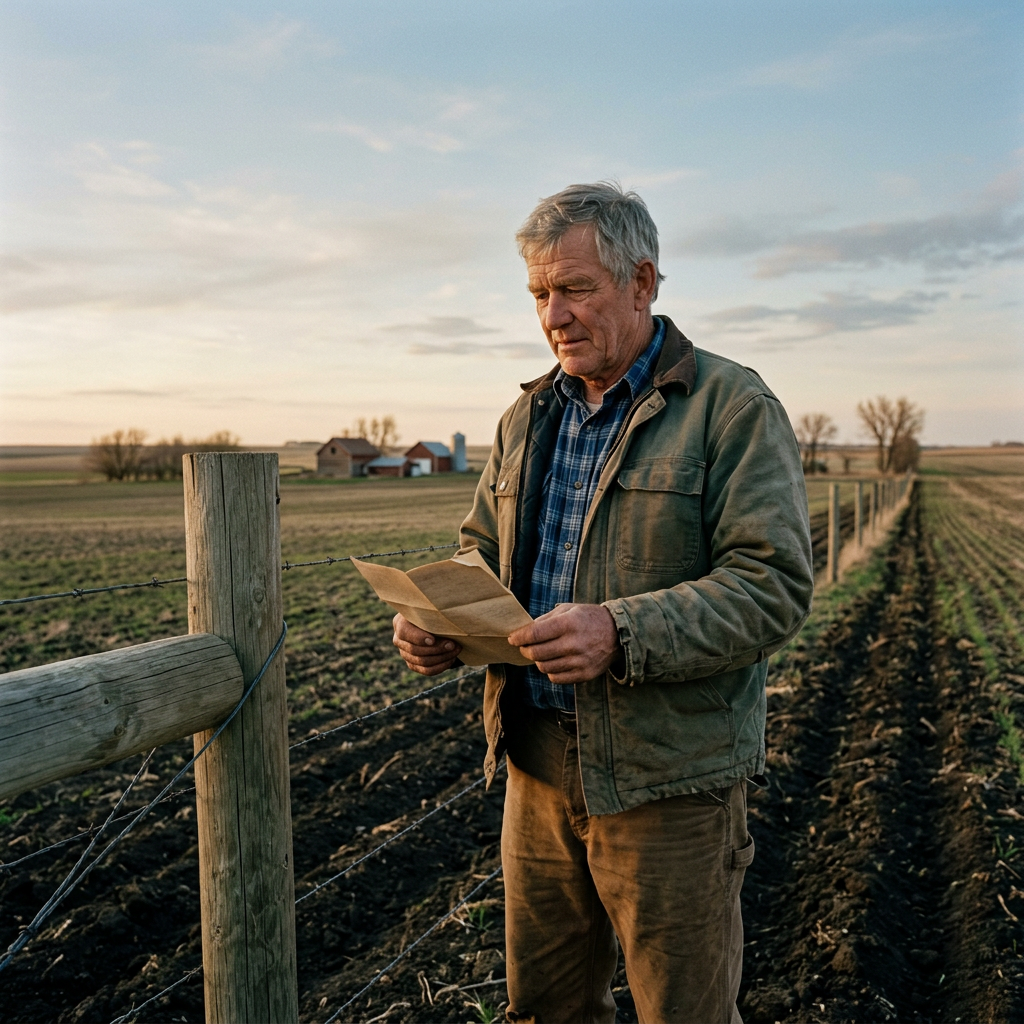
Experienced tenant farmers are not just scanning for available acres and a phone number. They are evaluating a listing the way a business owner evaluates a supplier: through the lens of risk, reliability, and fit. Before committing to a lease, a serious operator will assess whether the land, the landlord, and the process all signal professionalism.
Transparency in Listing Information
A well-structured listing communicates credibility before a single conversation takes place. Farmers evaluating farmland for rent want to see specific, verifiable details up front so they can make an informed decision about whether to pursue the opportunity.
- Soil quality data: Documented soil class ratings and any available test results reduce guesswork and show you understand your land's productive value.
- Land use history: Crop rotation records, previous tenant details, and any drainage or tillage improvements signal responsible farmland asset management Canada practices.
- Accurate acreage: Listing cultivated acres separately from total acres is a basic courtesy that experienced farmers notice immediately.
- Infrastructure details: Fencing, water access, bins, and road access all affect a tenant's operational planning and their willingness to bid competitively.
- Clear photos and mapping: Satellite imagery and field photos reduce the need for a site visit before a farmer decides to engage.
How Listing Clarity Affects First Impressions
A listing that omits key details does not read as "simple" to a serious farmer. It reads as either uninformed or evasive. Operators running efficient farm businesses do not have time to chase down missing information from reluctant landlords. If your listing answers their questions before they ask, you signal that renting farmland through you will be a professional experience from day one.
Lease Structure Signals the Quality of the Relationship
Beyond the physical land itself, experienced tenant farmers are evaluating what kind of landlord they will be dealing with. A poorly structured or vague lease is not just a legal risk, it is a red flag that suggests the landowner has not thought carefully about the working relationship ahead.
Clear, Fair, and Professionally Prepared Lease Terms
A long-term farmland lease Canada only works when both parties have clear expectations from the start. Tenants looking at multi-year commitments need to know renewal conditions, rent escalation clauses, permitted land uses, and what happens if either party wants to exit. Landowners who present a professionally prepared lease document from the outset attract operators who take their businesses seriously. Resources like Farm Credit Canada's farmland rental agreement guidance offer a starting point for understanding what well-structured lease terms look like.
How Lease Flexibility Affects Tenant Decision-Making
Rigid, one-size-fits-all terms can push away otherwise ideal tenants. Farmers running large operations often need provisions for subcontracting, equipment access, or specific input programs tied to their crop insurance. Farm land rental agreements that accommodate legitimate operational needs without sacrificing the landlord's protections tend to generate more serious interest. The goal is a lease that feels built for your specific land, not downloaded from a generic template.
Pricing and Market Credibility
Nothing signals poor listing quality faster than a rental rate with no visible basis. Whether you are listing Saskatchewan farmland for rent or Ontario farm land rental, tenants will benchmark your asking rate against what comparable land is leasing for in your area. If your rate appears arbitrary or inflated, qualified operators will move on without making contact.
Setting Competitive Farmland Rental Rates
Setting competitive farmland rental rates requires genuine market data. Provincial benchmarks from organizations like Agriculture and Agri-Food Canada's land use indicators provide useful context, but local comparables carry more weight. The most credible approach is letting market demand set the rate through a competitive bidding process, where multiple qualified farmers signal what the land is actually worth through their bids.
Why Transparent Pricing Attracts Better Tenants
A price arrived at through transparent market mechanisms is easier for a tenant to justify internally and to their lenders. Online farmland auctions offer a clear solution here: the rate is not negotiated in private or set by the landlord alone. Tenants bid based on what the land is worth to their operation, and the resulting rate reflects real demand. This process also removes the awkward negotiation dynamic that can sour a landlord-tenant relationship before it even begins.
Platform and Process Credibility
Serious farmers invest significant capital in the land they rent. They care not only about the land itself, but also about the reliability of the process they are entering. A listing on a credible, structured platform carries implicit assurance that the landowner and the process have been vetted.
Why Verified Listings Attract More Motivated Operators
Verified farmland listings reduce the friction that makes serious tenants hesitant to engage. When a farmer sees that a listing has been reviewed and confirmed by a reputable platform, it eliminates the concern that the land does not exist as described, that the landowner lacks proper title, or that the process will fall apart at the documentation stage. Platforms built around agricultural land lease workflows add this layer of trust automatically.
The Role of End-to-End Process Integrity
Farmland leasing in Canada works best when both parties can rely on a structured process from listing through to a signed lease and payment. Operators running serious farm businesses have seen deals fall apart over paperwork delays, verbal misunderstandings, or payment disputes. When a platform handles lease generation, payment processing, and transaction records in one place, it removes those failure points. Land4Rent operates exactly this kind of end-to-end model, designed to give both landowners and farmers confidence in every step of the transaction.
Land Condition and Management History
Even the best listing and lease structure cannot compensate for land that shows clear signs of neglect. Land rental for farmers who are focused on multi-year planning means they need to see a land base they can build a rotation around. Drainage issues, compaction from improper past use, and erosion from poor management will be spotted quickly by experienced operators. Landowners who invest in basic stewardship and are transparent about the land's condition, including its limitations, will always attract better tenants than those who oversell and under-deliver. Guidance from resources like Ontario's sustainable land renting guidelines provides practical steps for landowners to demonstrate responsible stewardship before a tenant ever sets foot on the property.
Conclusion
Attracting quality tenant interest to your agricultural land for rent comes down to four interconnected elements: transparent, detailed listings; professionally structured lease terms; credible and market-aligned pricing; and a reliable process that both parties can trust. Each of these signals to serious farmers that they are dealing with a professional landlord who values the relationship, not just the cheque. Landowners who invest in getting these elements right consistently see better bids, longer tenancies, and fewer management headaches. If you are ready to position your land for the kind of interest it deserves, start by reviewing how landowners on Land4Rent structure their listings and what the platform's verification and auction process can do for your results.
List your agricultural land with confidence: visit Land4Rent to see how verified listings and competitive bidding attract the right tenants for your land.
Frequently Asked Questions (FAQs)
What makes a farmland listing more attractive to serious farmers?
Serious farmers respond to listings that include detailed soil information, accurate acreage breakdowns, land use history, and infrastructure details, because these signals indicate a professional and transparent landlord.
What is a fair farmland rental rate in Canada?
Fair farmland rental rates in Canada vary significantly by province and soil class, but the most credible rates are established through competitive, transparent bidding processes that reflect actual market demand rather than landlord estimates.
How long is a typical farm lease in Canada?
Most farm leases in Canada run for one to five years, though multi-year agreements are increasingly common as both tenants and landowners seek greater operational and financial stability.
What documents are needed to lease farmland in Canada?
A farmland lease in Canada typically requires a signed lease agreement outlining term, rental rate, permitted land uses, renewal conditions, and any special provisions, along with proof of landowner title and, in some cases, tenant business credentials.
What are the benefits of leasing farmland vs selling?
Leasing farmland preserves long-term asset value and generates consistent income while keeping the land in the family, whereas selling is a permanent transaction that eliminates future upside from land appreciation.

.png)




.svg)


.svg)