%20(1).svg)

.svg)

Introduction
Farmland in Canada is one of the most resilient long-term assets a landowner can hold, but its value is not static. It responds, sometimes slowly and invisibly, to the leasing decisions made year after year. An agricultural lease that looks straightforward on paper can set off a chain of outcomes that affects soil productivity, appraised value, and future buyer perception over the course of a decade. Canadian landowners in Ontario, Alberta, and Saskatchewan are increasingly treating farmland leasing as a strategic function, not just an administrative one, and for good reason.
How Lease Structure Shapes Long-Term Asset Value
Most landowners focus on the rental rate when evaluating a lease, and while the rate matters, the structure of the lease itself often has a stronger and more lasting effect on what the land is worth over time. Decisions around lease term length, renewal provisions, and early exit conditions all shape how the property is perceived by future buyers, appraisers, and lenders.
The Hidden Cost of Short-Term and Informal Lease Arrangements
Informal or handshake leases are more common in Canadian farming communities than many landowners would admit. They feel practical in the moment, but create significant risk when the land is eventually sold or refinanced. Buyers and lenders reviewing a property want to see documented lease history, defined terms, and clear conditions. When that documentation is missing, it introduces uncertainty that translates directly into reduced offer prices or financing complications. Understanding the difference between month-to-month and multi-year farm leases is a critical first step for any landowner who takes land asset management seriously.
- No written lease: Creates gaps in land history that reduce appraiser confidence and buyer trust.
- Month-to-month arrangements: Signal instability to investors and can suppress long-term rental rate benchmarks for the property.
- Missing renewal clauses: Leave landowners exposed to sudden tenant turnover, which can interrupt seasonal productivity and income continuity.
- Vague exit conditions: Make it difficult to reclaim land when market conditions shift or the landowner's plans change.
- Undocumented amendments: Oral changes to lease terms are unenforceable and create disputes that damage the land's legal history.
Why Multi-Year Leases Carry Their Own Risks
Locking in a long-term tenant sounds like a stability play, but a multi-year lease signed without adequate soil protection clauses can actually erode the asset it is meant to protect. If a tenant is permitted to operate without restrictions on inputs, tillage practices, or drainage maintenance, tenant soil responsibilities can be neglected over the years in ways that only become visible at the time of sale. By then, reversing the damage is expensive, and the timeline for recovery extends well beyond the next lease cycle.
Rental Rates, Tenant Selection, and Market Perception
Setting the right farmland rental rate is about more than covering carrying costs. The rate at which a property leases signals its productive value to the broader market, and below-market agreements, even when made for personal or family reasons, can set a damaging precedent that is difficult to undo when the land eventually changes hands.
Below-Market Rates and Their Downstream Effects
When a landowner consistently leases below prevailing farmland rental rates in Canada, it quietly suppresses the land's perceived income-generating potential. Appraisers use capitalization of income as one method to estimate land value, meaning a property that appears to generate lower rental income than comparable parcels will often appraise lower, regardless of the land's actual agronomic quality. According to data from Statistics Canada's agricultural land use reports, farmland values across Canada have appreciated significantly, making it more important than ever to ensure rental terms reflect actual market conditions rather than historical habits.
Tenant Quality as an Underrated Factor in Land Value
A tenant who farms responsibly, maintains drainage infrastructure, avoids compaction, and communicates proactively is an asset to the property itself. A tenant who does not can quietly diminish the land's condition over successive seasons. Assessing soil health before leasing gives landowners a documented baseline that makes it far easier to hold tenants accountable and to demonstrate to future buyers that the land was managed responsibly throughout the lease period. The Ontario Ministry of Agriculture has published guidance on farmland productivity factors that reinforce how tenant management practices directly affect long-term soil condition and, by extension, market value.
Lease Clauses That Protect Soil, Income, and Market Position
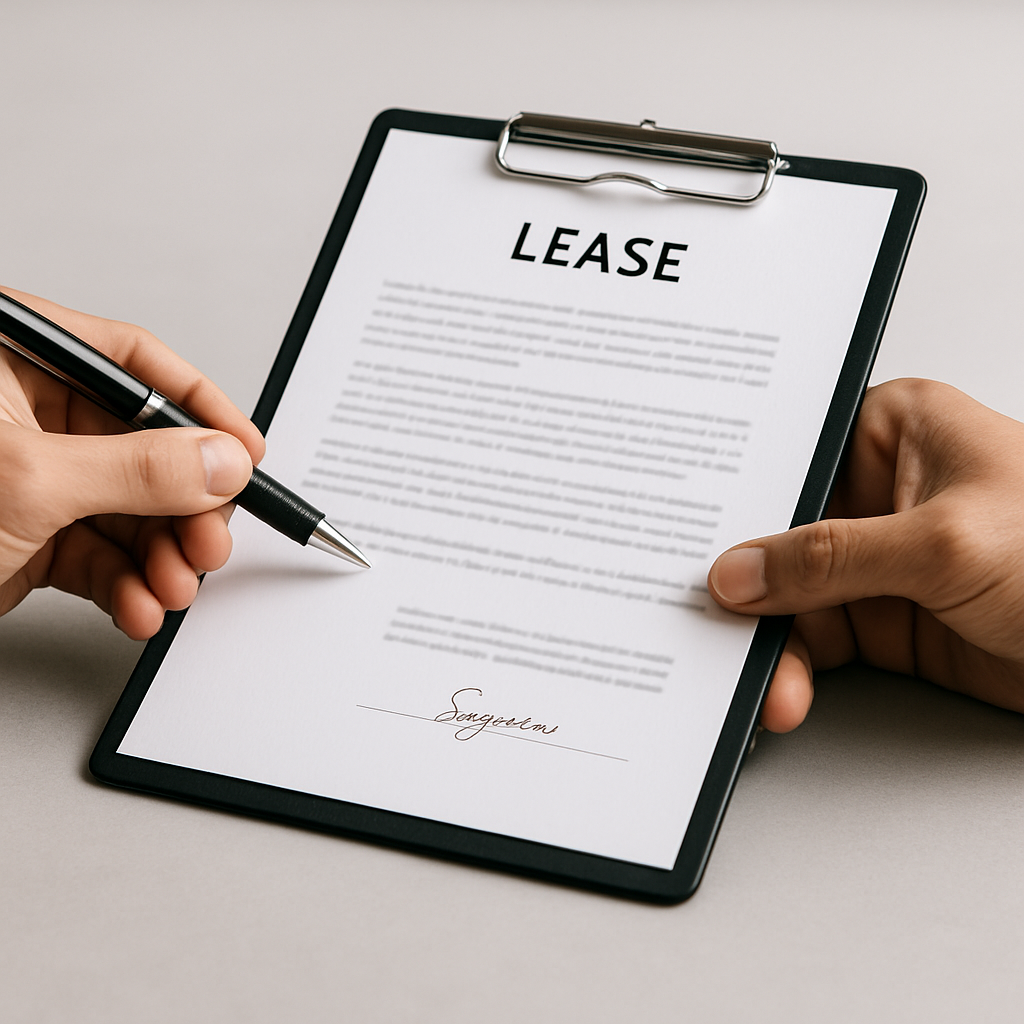
A well-drafted farm lease agreement does far more than formalize a rental arrangement. It functions as a risk management tool that protects the landowner's asset over the full course of the lease term, and it creates the documented trail that informed buyers and appraisers expect to see.
Clauses That Directly Affect Appraised Value
Certain lease provisions have a measurable and direct influence on land value outcomes. Soil management clauses that require tenants to maintain or improve organic matter, prohibit certain practices like excessive tilling removal, and mandate end-of-term condition assessments give the land a defensible maintenance history. Writing a farm lease agreement that holds up in court requires careful attention to these clauses, not as bureaucratic formality, but as the structural protection the asset genuinely needs. Landowners who take the time to understand their rights before signing are far better positioned to negotiate terms that actually serve long-term value. Reviewing landowner rights before leasing farmland is a step too many skip until a dispute forces the issue.
Rental Rate Adjustment Provisions and Why They Matter
Fixed rental rates written into long-term leases without adjustment provisions can lock a landowner into below-market income as the land appreciates. Including key terms in Canadian farm commercial leases, such as periodic rent review clauses tied to regional benchmarks or agricultural land index changes, ensures the lease keeps pace with the market rather than drifting away from it. Canada's federal government has outlined soil and land stewardship priorities through Agriculture and Agri-Food Canada that directly connect responsible land use practices with sustained productivity, reinforcing why these lease-level decisions have implications beyond individual transactions.
Taking a Proactive Approach to Farmland Lease Management
The landowners who protect and grow their land's value over time are the ones who treat leasing as an ongoing management function rather than a one-time transaction. That means reviewing lease terms at renewal, benchmarking rental rates against current market data, conducting periodic soil assessments, and keeping thorough records of all lease-related decisions. Accurate land data is the foundation of every good leasing decision, and landowners who invest in building that data set consistently are better equipped to negotiate, defend, and grow the asset over time.
Using Digital Platforms to Support Smarter Decisions
Consistent farmland leasing practices are easier to maintain when the right tools are in place. Platforms built specifically for farmland leasing in Canada, like Land4Rent, offer landowners access to competitive market-driven rental rates through live auction bidding, verified tenant profiles, and automated lease generation that captures the essential protective clauses without requiring the landowner to start from scratch every lease cycle. The result is a leasing process that is better documented, more defensible, and more likely to reflect genuine market value. Knowing the essential sections of a farm lease agreement makes every subsequent negotiation more efficient and better protected.
Conclusion
The leasing decisions that quietly erode farmland value are rarely dramatic. They accumulate gradually: a handshake deal here, a below-market rate there, a soil clause left out of the renewal. By the time the damage becomes visible, it is often embedded in an appraisal figure or a buyer's lowered offer. Landowners who take a more analytical approach to their agricultural land lease decisions, starting with written agreements, market-rate benchmarking, and tenant accountability, are the ones who preserve and grow the value of what is, for many families, a generational asset. The farmland leasing platform Land4Rent was built with exactly this type of landowner in mind, offering tools that make rigorous lease management accessible without requiring legal or agricultural expertise at every step.
Ready to lease your farmland with more confidence? Explore Land4Rent to list your property, benchmark rental rates, and generate lease agreements built to protect your land's long-term value.
Frequently Asked Questions (FAQs)
What is an agricultural lease agreement?
An agricultural lease agreement is a legally binding contract between a landowner and a farmer that defines the terms under which farmland is rented, including rental rate, lease duration, permitted land uses, and responsibilities for maintenance and soil care.
How is the farmland rental rate determined in Canada?
Farmland rental rates in Canada are typically influenced by regional land productivity, crop type, local supply and demand for agricultural acreage, and comparable rental rates for similar parcels in the same area.
What should be included in a farm lease agreement?
A farm lease agreement should include the rental rate and payment schedule, lease term and renewal conditions, permitted and prohibited land uses, soil and infrastructure maintenance obligations, and provisions for early termination or dispute resolution.
How does an agricultural lease affect long-term land value in Canada?
An agricultural lease directly influences long-term land value through its impact on soil health, documented income history, tenant management practices, and the legal clarity it provides to future buyers, appraisers, and lenders reviewing the property.
What are the pros and cons of leasing agricultural land in Canada?
Leasing agricultural land in Canada provides landowners with a reliable income stream and keeps the land productive, but poorly structured leases with below-market rates or absent soil protection clauses can reduce appraised value and create long-term management challenges.

.png)



.svg)


.svg)