%20(1).svg)

.svg)

Introduction
Farmland rental rates across Canada have been climbing steadily, but the forces driving that climb are more complex than most landowners and farmers realize. Regional supply pressures, rising input costs, and the growing influence of digital leasing tools are converging in ways that are reshaping how land gets priced and who ultimately farms it. For landowners, this means there is a real risk of leaving money on the table. For farmers, it means land access strategy has never mattered more. Understanding where farm rent is heading is the first step toward making smarter leasing decisions in 2025 and beyond.
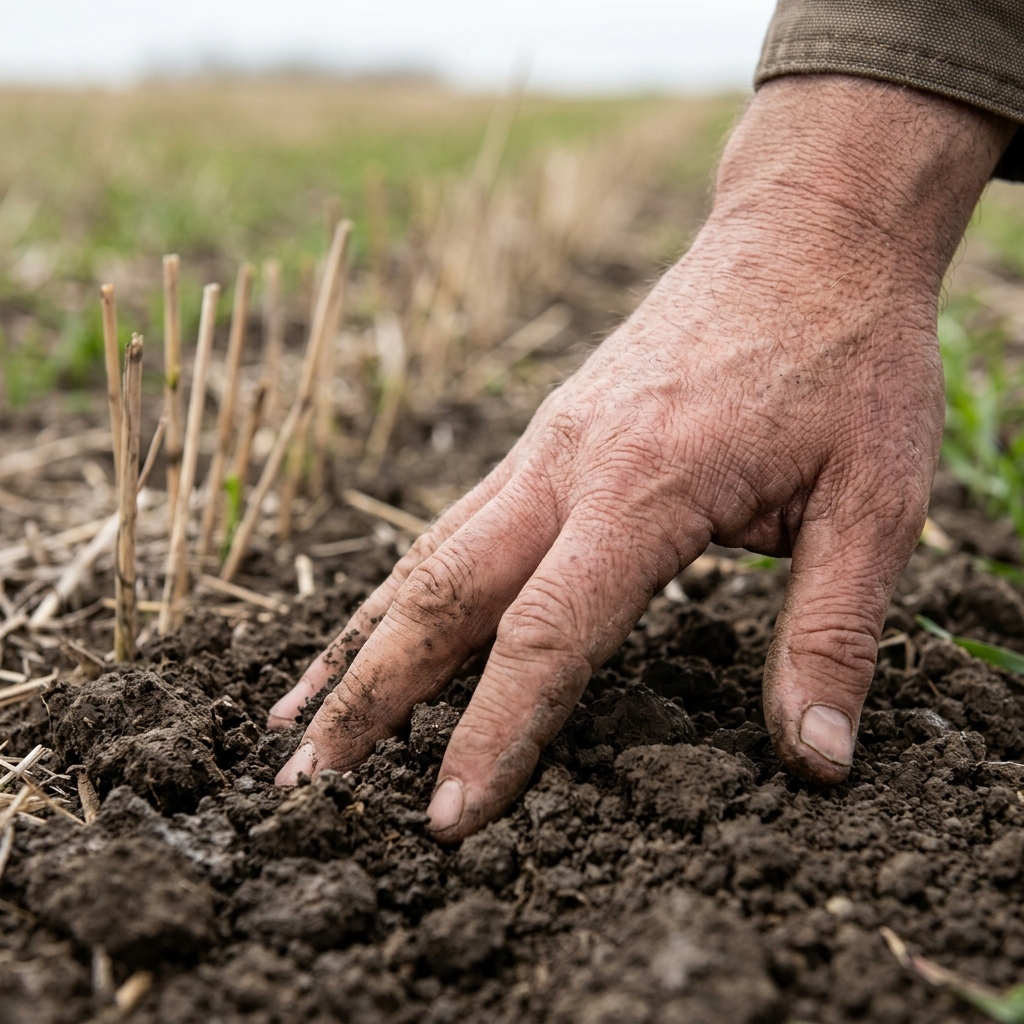
What Is Actually Driving Farmland Rental Rates Up
The rise in farmland rental rates Canada-wide is not a single story. It is a combination of overlapping pressures that vary significantly by province, land type, and who is doing the negotiating. Knowing which forces apply to your situation can mean the difference between a lease that reflects real market value and one that is quietly outdated.
Supply Constraints and Competitive Demand
Available agricultural land in Canada is not growing. According to data from Agriculture Canada's land use indicators, the total area of farmland has remained relatively stable while the number of farmers competing for productive acres continues to shift. When fewer acres come to market, and more operators want them, rates climb. This supply-demand imbalance is especially pronounced in Ontario and parts of Alberta, where prime cropland is genuinely scarce.
What makes this dynamic particularly powerful is competitive farmland bidding. When farmers must actively bid against each other for the same parcel, rental prices move toward true market value rather than the comfortable familiarity of a private arrangement. That competitive pressure benefits landowners who know how to use it.
Input Costs Are Reshaping What Farmers Can Afford
Rising fertilizer, fuel, and equipment costs are squeezing farm margins, but they are not suppressing rental rates in the way one might expect. Instead, they are creating a filtering effect: only operators with sufficient scale, efficiency, or financial backing can justify higher rents. This trend is accelerating farm consolidation, with larger operations absorbing available acreage and pushing up rates in the process.
The result is that smaller or newer farmers face a compounding challenge: higher input costs and higher land access costs at the same time. Understanding this context matters whether you are a landowner setting rates or a farmer planning your land access strategy across multiple regions.
Regional Variation: Ontario, Alberta, and Saskatchewan
National averages for agricultural land rental can be misleading. The story in Ontario looks very different from the one unfolding in Saskatchewan, and Alberta occupies its own distinct position. Looking at these regions separately reveals patterns that aggregate numbers tend to hide.
Ontario: Premium Rates and Fierce Competition
Ontario farmland lease rates sit among the highest in the country, reflecting strong demand, limited supply, and the province's agricultural productivity. County-level data from the Ontario government shows significant variation even within the province, with some southwestern counties commanding rates well above the provincial average. Landowners in these regions who are still pricing based on informal historical agreements are almost certainly undervaluing their assets.
Alberta and Saskatchewan: Volume and Variability
The Alberta agricultural land rental market is large and variable, shaped heavily by commodity type and irrigation access. Irrigated land commands a strong premium, while dryland rates vary considerably by soil class and proximity to grain handling infrastructure. Saskatchewan presents a similar pattern at a greater scale: the province holds an enormous share of Canada's total cropland, but Saskatchewan farmland leasing rates can swing dramatically from one Rural Municipality to the next. According to the Farm Credit Canada 2024 rental rates report, Saskatchewan saw some of the sharpest year-over-year rate increases in recent memory, underscoring how quickly regional dynamics can shift.
The Gap Between Private Deals and Market Value
One of the most underappreciated trends in Canadian farmland leasing is how much privately negotiated rates diverge from actual market value. Long-standing informal agreements between neighbours or family connections often persist for years without adjustment, leaving landowners significantly underpaid relative to what the open market would support. This gap is not always visible until someone decides to test the market through a competitive process.
Why Private Negotiations Fall Short
Private leasing arrangements lack a reference point. Without visibility into what other parcels in the same area are actually renting for, both parties are effectively negotiating blind. Landowners may undervalue out of habit or relationship loyalty. Farmers may overpay simply because they have no alternatives in view. Neither outcome reflects the market, and neither outcome is particularly fair to either party over the long term.
How Online Auctions Are Closing the Gap
Digital leasing platforms and online auction systems are changing this dynamic by bringing real-time market data into the equation. When a landowner lists cropland for rent on a transparent platform and receives multiple bids from verified farmers, the resulting rate is not a guess. It is a real signal from an active market. Platforms that facilitate this kind of competitive online leasing are giving both sides information they simply did not have access to before. Land4Rent operates exactly this way, using a live auction model to help landowners capture market-rate returns and give farmers a transparent process for securing access to the land they need.
The Rise of the Farmland Rental Marketplace
Beyond pricing, the structural shift toward digital leasing is changing how transactions happen from start to finish. The traditional model, which relied on word of mouth, local real estate agents, or informal handshakes, is giving way to purpose-built platforms designed specifically for agricultural leasing.
What Digital Platforms Offer That Traditional Methods Do Not
The advantages of a farmland rental marketplace Canada-wide are practical and immediate. Verified listings, competitive bidding, automated lease generation, and secure payment processing replace the friction and ambiguity of traditional deals. Landowners get broader exposure to qualified farmers. Farmers get access to listings that would never surface through informal networks. Both parties get documentation and accountability that private arrangements rarely provide.
Leasing vs. Buying: A Strategic Consideration
As farmland values continue to rise, the question of renting vs buying farmland in Canada becomes more pressing for operators at every scale. Purchasing land requires significant capital commitment and carries long-term financial risk. Leasing preserves flexibility, frees up capital for inputs and equipment, and allows farmers to scale acreage up or down as conditions change. For landowners, leasing rather than selling preserves a long-term asset while generating consistent income. Understanding this tradeoff is fundamental to any farmland leasing decision in the current environment. You can also explore available listings directly through active farmland auctions to get a real sense of what land in your region is commanding right now.
Conclusion
Farm rent in Canada is not simply going up. It is being reshaped by regional supply constraints, competitive dynamics, and the growing role of digital platforms that bring transparency to a historically opaque market. Landowners who understand these shifts are better positioned to price their land accurately. Farmers who understand them can plan smarter, more sustainable land access strategies. Whether you are entering a new lease, renewing an existing one, or exploring the market for the first time, the trend data points in one clear direction: informed participants consistently come out ahead. Land4Rent provides the tools, listings, and market transparency to help both landowners and farmers make decisions grounded in real market value.
Ready to see what your land is worth or find your next opportunity? Explore Land4Rent's platform today.
Frequently Asked Questions (FAQs)
How is farmland rental rate determined?
Farmland rental rates are typically determined by factors such as soil quality, crop type potential, regional demand, proximity to infrastructure, and increasingly, competitive bidding processes that reflect real market conditions.
What is the average cost to rent farmland in Canada?
Average costs vary significantly by province and land class, but Farm Credit Canada's 2024 data shows rates ranging from under $50 per acre in parts of Saskatchewan to well over $200 per acre in high-demand Ontario counties.
How do farmers find land to rent?
Farmers traditionally found land through personal networks and local real estate contacts, but online farmland leasing platforms now offer a faster, more transparent, and more competitive way to discover and secure available acreage.
What is a fair rental rate for farmland?
A fair rental rate is one that reflects current regional market demand, land productivity, and comparable lease activity in the area, which is best established through a competitive and transparent process rather than private negotiation alone.
Is farmland leasing profitable for landowners?
Yes, farmland leasing can be highly profitable for landowners, particularly when rates are set through competitive market processes that accurately reflect land value rather than outdated or informal agreements.

.png)


.svg)


.svg)