%20(1).svg)

.svg)

Introduction
Listing your farmland for a farmland auction in Canada is one of the most effective ways to attract serious, qualified tenants and ensure your land is rented at fair market value. But a successful auction does not start the moment bidding opens. It starts weeks earlier, with the right preparation. Landowners who take the time to gather accurate property details, understand what farmers are looking for, and set realistic expectations consistently see stronger bids and smoother lease transitions. This guide walks you through exactly what that preparation looks like, step by step.
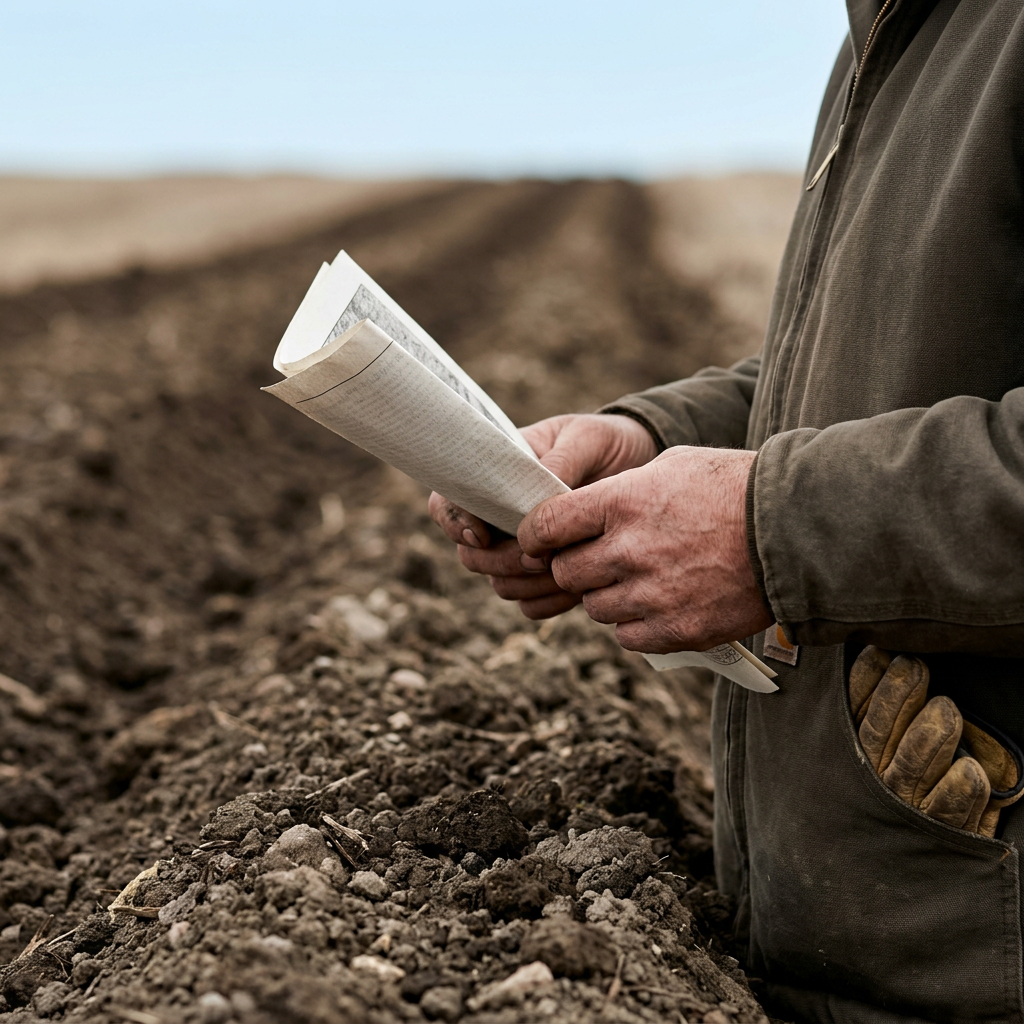
Understanding What Makes a Strong Farmland Listing
Before you can prepare your listing, you need to understand what a farmer sees when they evaluate one. Farmers bidding on an online land auction are not just looking for available acreage. They are assessing productivity, access, soil quality, and whether the lease terms match their operation. A listing that answers those questions upfront will always outperform one that leaves bidders guessing.
Property Details That Matter Most
The foundation of any competitive listing is accurate, complete property information. Farmers need to know what they are bidding on before they commit, and incomplete listings create hesitation. Here are the core details to gather before you list:
- Total cultivated acreage: Provide the exact tillable acres separately from total land area, since farmers bid on productive land, not brush or waterways.
- Legal land description: Include your quarter section, township, range, and meridian so farmers can locate the parcel and verify it on mapping tools.
- Soil type and crop history: Note the dominant soil classification and what has been grown in recent years, as this directly affects how farmers project their returns.
- Access and infrastructure: Describe road access, drainage, any existing grain bins or irrigation systems, and proximity to major service centers.
- Lease preferences: Indicate your preferred lease term length, crop restrictions if any, and whether you are open to cash rent, crop share, or both.
Why Soil Information Drives Bidding Confidence
Of all the details you can provide, soil quality information is the one farmers weigh most heavily when placing bids. A landowner who can reference a recent soil test or soil survey report gives farmers the confidence to bid more aggressively. If you have not conducted a soil assessment recently, it is worth doing before your listing goes live. Agriculture and Agri-Food Canada provides publicly accessible soil and land data that can help you understand your land's classification before you speak with a professional.
Gathering the Right Documentation
Online farmland auctions require more than a description and a photo. Verified platforms expect landowners to substantiate their listings with documentation that confirms ownership, establishes the land's characteristics, and supports the lease structure. Getting this paperwork in order early prevents delays once your listing is ready to go live.
Ownership and Title Documents
At minimum, you will need proof of ownership for the parcel you are listing. This typically means a copy of your land title or certificate of ownership from your provincial land registry. If the land is held in a corporate name, trust, or estate, be prepared to provide documentation confirming your authority to lease it. Platforms that verify farmland listings in Canada take this step seriously, and it protects both parties throughout the process.
Lease History and Existing Agreements
If your land has been previously rented, gather any existing or expired lease agreements before listing. This gives the auction platform context for your land's rental history and helps you avoid inadvertently listing land that is still under an active lease. Reviewing what past leases covered, including key lease agreement sections like term length, permitted crops, and maintenance responsibilities, also helps you set clearer preferences for the new arrangement.
Setting Realistic Rental Expectations
One of the most common mistakes landowners make before an auction is anchoring their expectations to informal comparisons rather than real market data. Farmland rental rates in Canada vary significantly by province, soil class, crop demand, and proximity to grain handling infrastructure. Going into an auction with a clear, evidence-based sense of what your land should rent for puts you in a far stronger position.
How to Research Farmland Rental Rates
The Farm Credit Canada Farmland Values Report is one of the most reliable sources for understanding provincial and regional farmland value trends. While it focuses on purchase values, the trends it captures reflect rental demand and pricing pressure in key markets like farmland auction Ontario and farmland lease auction Saskatchewan. Pair that report with recent comparable listings in your area and any guidance your auction platform provides, and you will have a grounded starting point.
Farmland Auction vs Private Land Lease
Landowners sometimes wonder whether an auction format will yield better returns than a private negotiation. In most cases, competitive bidding drives farmland rental returns higher than what a single private offer would produce, simply because multiple verified farmers are competing for the same parcel. A farmland auction versus private land lease comparison consistently favors the auction model when the land is well-documented and the platform reaches a broad pool of active tenants. Private leasing can feel simpler, but it often leaves rental value uncaptured.
Preparing Your Listing for a Verified Platform
Once your documentation is assembled and your expectations are grounded, the final step is preparing the actual listing content. This is where many landowners underinvest. A listing is not just a data entry form, it is the first impression a farmer gets of your property, and it needs to communicate both the facts and the opportunity clearly.
Photos, Maps, and Aerial Imagery
High-quality photos and a current aerial or satellite image of your parcel dramatically improve listing performance. Farmers want to see field shape, drainage patterns, road access, and any structures on the land. If you have access to a drone image or a recent aerial from a mapping service, include it. Landowners who create detailed farmland listings with visual support consistently attract more bidders than those who rely on text alone.
Understanding the Auction Process Before You Go Live
Familiarize yourself with how the bidding process works before your listing is published. Know the auction timeline, how bids are placed, and what happens once the auction closes. Reading through how online farmland auctions work from listing to lease will prevent surprises and help you respond quickly if a farmer has questions during the bidding window. Land4Rent's landowner portal walks you through each stage of the process and connects you with verified farmers across Canada, from Alberta to Ontario and beyond.
Conclusion
Preparing your farmland for an online auction is not complicated, but it does require intention. Gather your title documents, compile soil and crop history, research comparable farmland rental rates in Canada, and invest time in building a listing that gives farmers the information they need to bid with confidence. The Farm Credit Canada farmland leasing guide is a helpful external reference as you think through your lease preferences. Landowners who prepare thoroughly before the auction opens consistently see better outcomes, stronger bids, and tenants who are the right fit for their land. Land4Rent's auction platform was built specifically to support that process, connecting verified landowners with verified farmers through a transparent, competitive bidding system.
Ready to list your farmland? Start your listing on Land4Rent today and let verified farmers across Canada compete for your land.
Frequently Asked Questions (FAQs)
How do I list farmland for auction in Canada?
You can list farmland for auction in Canada by creating an account on a verified farmland leasing platform, submitting your property details, ownership documentation, and lease preferences, and allowing the platform to verify your listing before it goes live to bidders.
What documents are needed to lease farmland in Canada?
At minimum, you will need proof of land ownership such as a title certificate, a legal land description, and any existing or prior lease agreements that may affect the new listing.
How are farmland rental rates determined at auction?
Farmland rental rates at auction are determined through competitive bidding, where multiple verified farmers submit offers based on the land's productivity, location, soil quality, and their own operational needs, which typically drives rates closer to true market value than private negotiations.
How to prepare a farmland listing for auction in Ontario or Alberta?
Whether you are listing in Ontario or Alberta, you should gather your legal land description, recent soil test data, crop history, field photos or aerial imagery, and a clear set of lease preferences before submitting your listing to an auction platform.
Is it safe to rent farmland through an online platform in Canada?
Yes, renting farmland through a reputable online platform in Canada is safe when the platform verifies both landowners and farmers, uses legally binding lease agreements, and processes payments securely within the system.



.svg)


.svg)