%20(1).svg)

.svg)

Introduction
Most Canadian landowners spend considerable time thinking about where their land sits on the map and very little time thinking about how the lease around it is built. That instinct is understandable, but it is also one of the most common and costly misconceptions in farmland leasing today. The structure of a rental agreement, covering everything from payment terms to lease length to how tenants are selected, can have a greater influence on long-term returns than the land's postal code. Landowners who understand this shift their thinking from passive asset holders to active income managers.
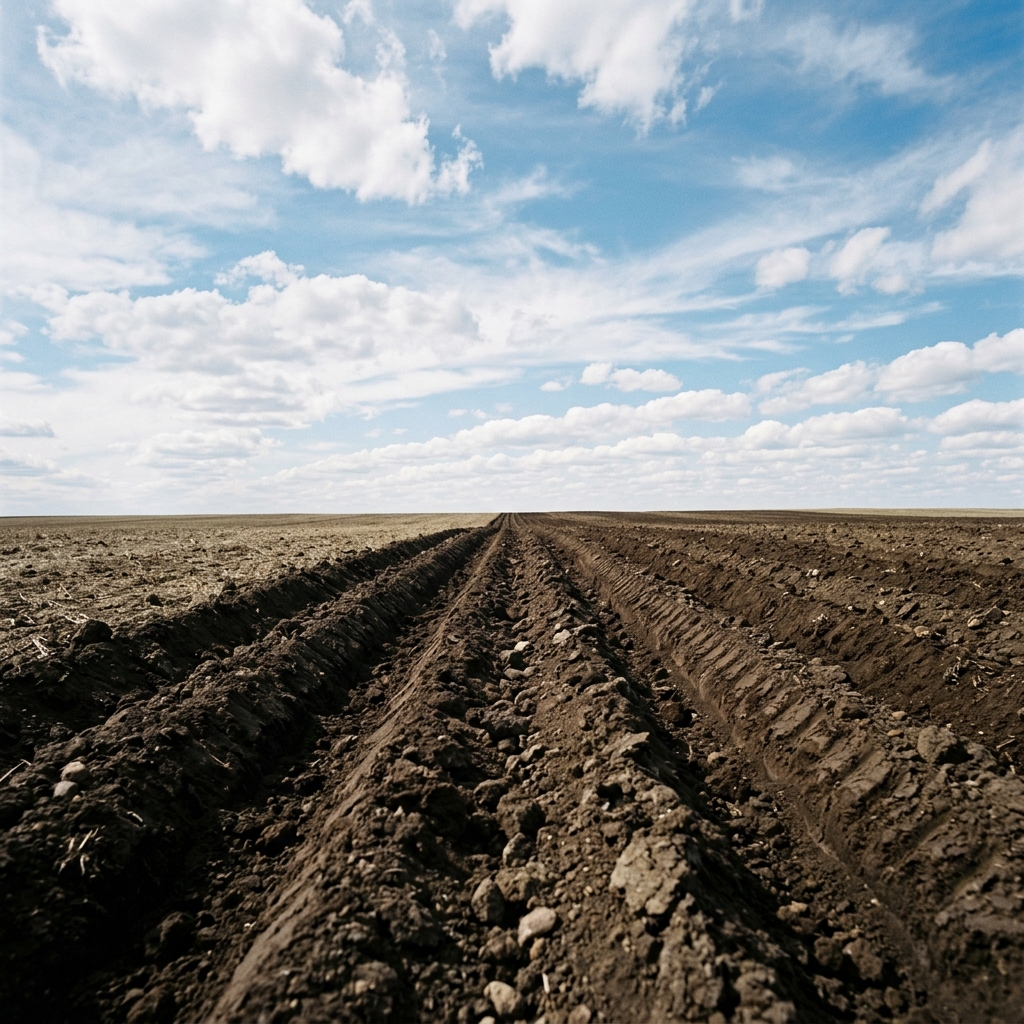
Why Location Is Not the Whole Story
Why Location Is Not the Whole Story
Location sets a ceiling on what your land could theoretically earn, but structure determines how close you actually get to that ceiling. A well-located parcel locked into a below-market fixed-rate lease signed a decade ago may consistently underperform compared to a less prestigious quarter-section managed through a competitive, annually reviewed arrangement. The gap between what land could earn and what it actually earns is almost always a structural gap, not a geographic one.
The Misconception Driving Underperformance
Many landowners treat their first lease agreement as a template they carry forward indefinitely. This approach may feel like stability, but it quietly erodes income over time, especially as farmland rental rates Canada-wide have shifted considerably in response to commodity prices, input costs, and regional demand. A lease written five years ago without escalation clauses or market review provisions is almost certainly not reflecting current conditions. Landowners who revisit their agreements regularly tend to outperform those who do not.
What Structure Actually Controls
Lease structure governs the variables that drive real income: the rate itself, how and when it can change, what the tenant is responsible for, and what recourse a landowner has if things go wrong. Each of these elements can be deliberately designed to protect income or, if neglected, can quietly work against it. Key structural variables include:
- Lease type: Fixed-rate leases offer predictability, but crop-share or flexible cash rent arrangements can outperform in strong commodity markets.
- Term length: Multi-year leases reduce vacancy risk but must include rate escalation clauses to stay competitive over time.
- Tenant selection method: Private negotiation typically yields lower rates than competitive bidding, where market demand sets the price.
- Agreement clarity: Vague lease language around maintenance, improvements, and termination creates legal exposure that can cost more than a full season's rent.
- Payment terms: How rent is structured, whether annually, semi-annually, or tied to crop delivery, affects cash flow predictability for both parties.
Fixed-Rate vs. Competitive Bidding
The difference between a privately negotiated fixed-rate lease and an farmland rental auction vs fixed price lease model can be significant in real dollar terms. When a landlord names a price in private negotiations, the tenant has no incentive to offer more than that number. When multiple verified tenants compete openly for the same parcel, the rate is driven by genuine market demand rather than a single party's willingness to pay. In many cases, auction-based pricing surfaces rates that a landowner would never have known to ask for.
Lease Term Length and Its Hidden Impact
Term length is one of the most misunderstood levers in agricultural land rental. Landowners often favour long-term agreements because they reduce the administrative burden of re-listing and re-negotiating. That logic is sound, but it comes with an important condition: the agreement must include mechanisms that allow the rate to reflect changing market conditions. A long-term lease without those mechanisms is not a stable income stream. It is a locked-in rate that may fall further below market value each year.
Multi-Year Leases Done Right
A private farmland leasing arrangement spanning three to five years can absolutely outperform a series of annual leases, but only when it includes annual rate review clauses tied to published benchmarks, clear escalation language, and defined renewal terms. Without those provisions, the landlord absorbs the risk of inflation and rising demand while the tenant captures the benefit. Structuring a multi-year lease correctly is not a legal formality. It is an income management decision.
Short-Term Agreements and Market Exposure
Annual or short-term leases keep landowners closer to current market rates, but they come with their own structural risks. Frequent turnover increases the likelihood of gaps between tenants and can also discourage renters from investing in proper land stewardship. The right term length depends on local demand and how active a landowner wants to be in managing their asset, but the structure around that term is always more important than the length itself.
Agreement Clarity as an Income Driver
A farmland lease agreement is not just a legal formality. It is a document that defines who is responsible for what, and ambiguity in that document can directly reduce net rental income. Disputes over maintenance costs, drainage improvements, stubble management, or early termination can offset years of rental income if the lease language is unclear. Landowners who invest in well-written agreements consistently experience fewer disputes and more predictable returns.
Essential Clauses That Protect Income
An agricultural lease agreement should explicitly address tenant obligations around soil health, weed control, and field conditions at the end of the term. It should also specify what happens if a tenant defaults, how disputes are resolved, and under what conditions the lease can be terminated early by either party. Landowners who have navigated a poorly written agreement once, almost universally prioritize clarity in every subsequent lease. The importance of a solid farm lease agreement cannot be overstated when income protection is the goal.
The Role of Standardized and Verified Documents
One practical approach to agreement clarity is using structured, standardized lease templates that have been reviewed for legal enforceability. Land asset management rental approaches that rely on verified, customizable agreements tend to produce fewer disputes and stronger tenant relationships. The goal is not a complex document. It is a complete one. Every variable that could become a disagreement should be addressed before the first payment is made.
How Platform Design Supports Structural Decisions
The structural choices that drive land rental income are difficult to optimize in isolation. Landowners who manage agreements manually, negotiate privately, and rely on informal rate benchmarks are working with incomplete information. Platforms designed specifically for farmland for rent in Alberta and across other provinces bring those structural variables into a single managed workflow, reducing the margin for oversight.
Where Technology Makes a Structural Difference
Land4Rent is built around the structural insight that competitive pricing, verified tenants, and legally sound agreements produce better long-term returns than informal arrangements. The platform's auction-based model replaces private guesswork with real market pricing, and its automated lease generation ensures that agreements are complete before any commitment is made. Landowners on the platform are not just finding tenants. They are making structurally sound decisions from the first step. According to the Farm Credit Canada resource on renting farmland, informed, documented leasing decisions are consistently associated with better outcomes for both parties.
Verified Tenants and Rate Discovery
One structural advantage that online leasing platforms offer is how online farmland bidding works: verified farmers compete openly, which surfaces rates reflective of genuine demand rather than one party's negotiating position. That rate discovery process is itself a structural improvement over traditional private leasing, and it tends to produce income outcomes that consistently outperform fixed-rate arrangements set without a competitive context.
Conclusion
Conclusion
Location matters in farmland leasing, but it is the structure around the land, not the land's coordinates, that ultimately determines how much income a landowner captures. Choosing the right lease type, building in rate review provisions, selecting tenants through competitive processes, and investing in clear agreement language are the decisions that separate landowners who maximize returns from those who leave money on the table. Structural advantages compound over time, and every lease renewal is an opportunity to close the gap between what your land earns and what it could earn. Start with the structure, and the income follows.
Ready to build a stronger leasing structure for your land? Explore how Land4Rent helps Canadian landowners lease smarter from day one.
Frequently Asked Questions (FAQs)
How do landowners maximize farmland rental income?
Landowners maximize farmland rental income by combining competitive tenant selection, well-structured agreements with escalation clauses, and regular market rate reviews rather than relying on location alone.
What should be included in a farm lease agreement?
A farm lease agreement should include the rental rate and payment schedule, term length and renewal terms, tenant obligations for soil and field maintenance, and clear provisions for termination and dispute resolution.
What is competitive farmland bidding vs. a fixed price lease?
Competitive farmland bidding allows multiple verified tenants to bid openly on a parcel so the rate reflects real market demand, while a fixed-price lease sets the rate privately, often resulting in below-market returns for the landowner.
What is the average farmland rental rate in Canada?
Average farmland rental rates in Canada vary significantly by province and land class, ranging from under $50 per acre in parts of the Prairies to over $200 per acre in high-demand Ontario regions, depending on soil quality, crop history, and local demand.
Can I rent farmland without a real estate agent?
Yes, landowners can rent farmland without a real estate agent by using specialized agricultural leasing platforms that handle listing, tenant verification, bidding, and automated lease generation without requiring agent involvement.



.svg)


.svg)