%20(1).svg)

.svg)

Introduction
Two parcels of farmland can sit side by side, cover the same number of acres, and still produce dramatically different results for the farmer working them. Soil composition, drainage capacity, topography, and land use history all shape what a piece of ground can realistically yield and, by extension, what it should cost to lease. For both landowners and farmers navigating farmland leasing in Canada, these differences are not just academic. They are the difference between a lease that works for both parties and one that ends in frustration, disputes, or financial loss.
What Makes Agricultural Land Perform Differently
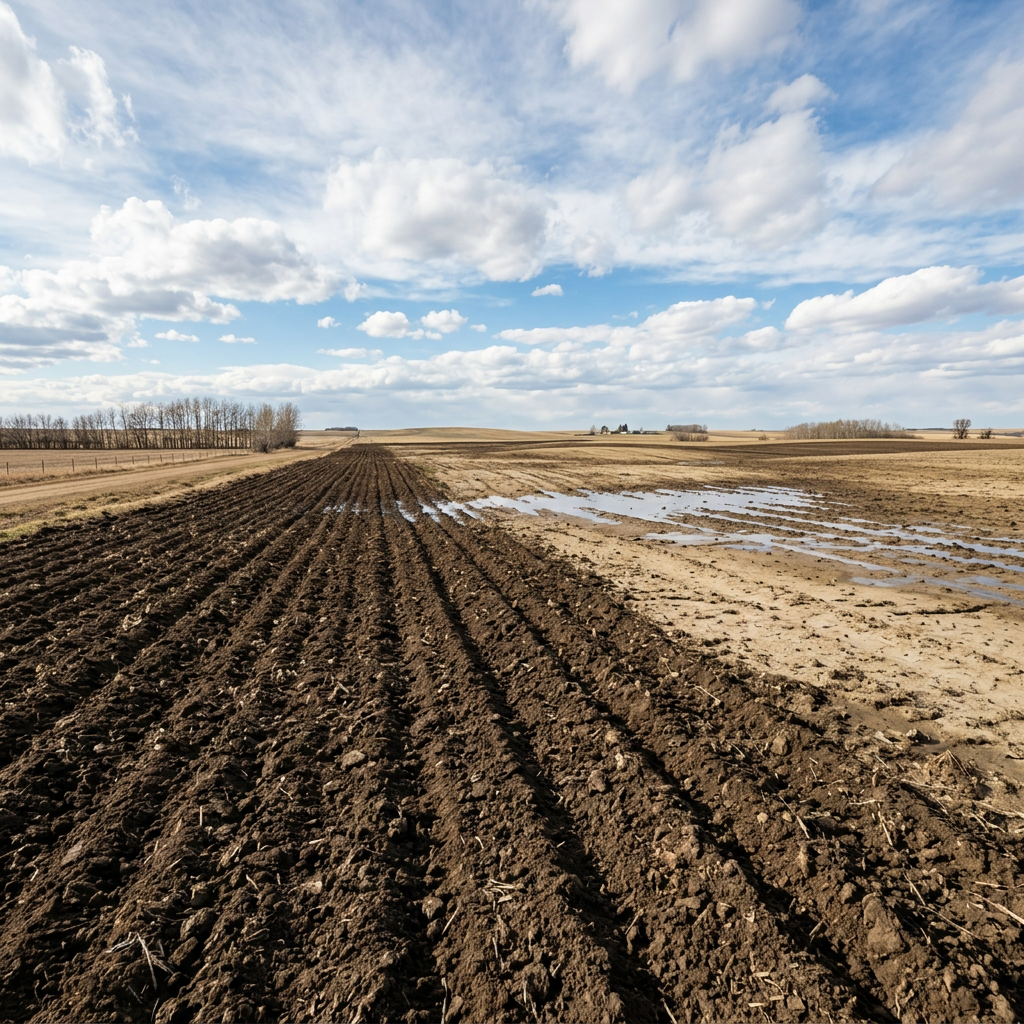
Land performance is rarely visible to the naked eye. A field that looks uniform from the road may contain multiple soil types, drainage problems in low-lying areas, or a history of heavy chemical inputs that have degraded its long-term productivity. Understanding the variables that drive land capability is the first step to leasing it fairly and intelligently.
Soil Class Ratings and Crop Suitability
Canada's Canadian soil types are formally classified through the Canada Land Inventory, which rates agricultural land from Class 1 (fewest limitations, highest productivity) down to Class 7 (no agricultural capability). These ratings provide a baseline for understanding what a parcel can support, though they are a starting point rather than a final verdict. Understanding where a parcel falls in this system matters enormously when setting or evaluating farmland rental rates.
- Class 1 to 2 soils: Suited for a wide range of crops with minimal inputs, typically commanding the highest lease rates in any region.
- Class 3 soils: Good productivity with some limitations such as slope, texture, or moisture; still valuable for grain and oilseed cropping.
- Class 4 soils: Restricted to less demanding crops or require significant management investment to produce commercially viable yields.
- Class 5 to 6 soils: Generally suited for pasture land for rent or perennial forage rather than annual cropping, which directly affects rental pricing expectations.
- Organic soils and speciality classifications: May perform exceptionally for specific crops such as vegetables or berries, but require experienced management and carry different lease structures.
Drainage Quality and Its Hidden Costs
Poor drainage is one of the most underestimated factors in farmland valuation. Fields that retain moisture after heavy rainfall restrict planting windows, increase fuel and labour costs, and can cause significant yield loss in wet years. A farmer leasing agricultural land for rent without understanding its drainage profile may find that a seemingly competitive rent per acre becomes very expensive after factoring in lost productivity. Landowners, in turn, who price poorly drained land the same as well-drained parcels risk losing credible tenants.
Regional Variation Across Canada's Agricultural Landscape
Canada's farmland is not a monolith. From the clay-heavy fields of southwestern Ontario to the rolling dryland acres of the Prairies, regional soil and climate conditions create vast differences in how land performs and how leasing agreements should be structured. Recognising this regional context is essential for anyone involved in farmland rental Canada-wide.
Ontario and Eastern Canada
Farmland for lease in Ontario spans everything from prime Class 1 loam soils in Essex and Middlesex counties to heavier, wetter soils in areas like the Holland Marsh. Ontario's soil capability mapping is a useful tool for landowners and farmers alike when benchmarking rental expectations. Lease negotiations in this region often hinge on tile drainage infrastructure, access to irrigation, and proximity to processing facilities, all of which meaningfully influence what tillable land for rent is worth on a per-acre basis.
Alberta, Saskatchewan, and Prairie Leasing Dynamics
Saskatchewan farmland leasing and Alberta farmland rental rates are shaped by a different set of realities. Dryland cropping dominates much of the Prairies, where annual precipitation, soil organic matter, and stubble management history are the key performance drivers. Farmland rental rates in these provinces have climbed steadily alongside canola and wheat commodity prices, but the gap between high-performing black soil zones and lighter brown or grey wooded soils remains significant. A farmer evaluating crop land for rent in Saskatchewan should not assume that similar-sized parcels carry similar productive potential without reviewing soil zone data and historical yield records.
How Land Performance Should Shape Lease Terms
Once both parties understand what a piece of land can actually produce, that knowledge should translate directly into how the lease is structured. Performance characteristics affect not just the rental rate, but also which party absorbs specific costs, how long the term should run, and what obligations should be built into the agreement.
Pricing Land Accurately Based on Capability
Overpricing low-capability land sets a lease up for failure from day one. A farmer who pays Class 1 rates for Class 3 or 4 ground will struggle to cover costs in average or below-average yield years, increasing the risk of default or early termination. Farm Credit Canada's guidance on farmland rental pricing underscores the importance of grounding rate expectations in comparable land data and realistic yield projections rather than optimistic estimates. Landowners who price based on verified soil data and regional benchmarks attract more serious, qualified tenants.
Lease Terms That Reflect Land Realities
Lower-capability land often requires more investment from the farming tenant, whether in drainage improvements, soil amendments, or adapted cropping systems. A well-written farm land lease agreement should reflect these realities by clarifying who is responsible for infrastructure improvements, how soil health will be monitored over the term, and what exit conditions look like if drainage or yield performance falls short of projections. Structured farmland leasing frameworks that account for land capability upfront produce more durable agreements and fewer mid-term disputes.
Using Yield and Land Use History as Negotiating Data
Historical yield data is one of the most reliable inputs a farmer can bring to a lease negotiation. Requesting crop insurance records, previous tenant yield history, or agronomist reports gives both sides a factual baseline. Accurate land data reduces the information gap that too often leads to lease pricing based on assumptions rather than evidence. Landowners who can provide this documentation demonstrate transparency and tend to command more competitive bids from qualified farmers. This is also where platforms built around farmland rental auctions add genuine value, since competitive bidding against verified land data produces rates that reflect real market demand rather than guesswork.
Soil Health as a Long-Term Lease Consideration
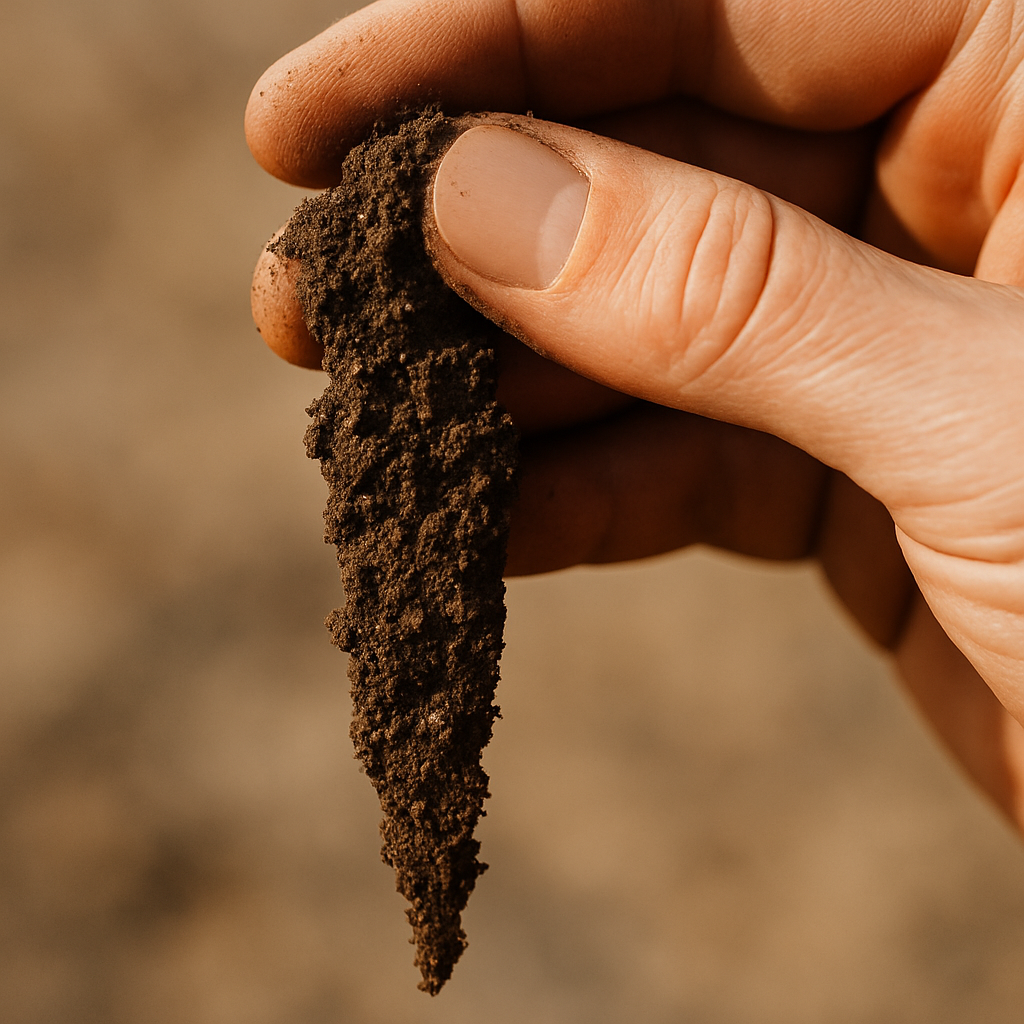
Beyond the initial lease rate, both parties should think about how the land will be managed across the lease term. Soil depletion, compaction, and nutrient drawdown are real risks in any multi-year agreement, particularly on marginal ground where the farmer is already working against yield limitations. A soil health checklist completed at lease commencement gives both parties a documented baseline. Agricultural soil quality criteria published by Canadian federal resources can serve as a reference point for what conditions should be maintained throughout the agreement. Platforms like Land4Rent build verification and documentation steps into their listing process, helping ensure that the land condition is established clearly before any agreement is signed.
Conclusion
Farmland performance is not uniform, and leasing decisions made without understanding that reality tend to disappoint everyone involved. Soil class, drainage quality, regional climate, and historical yield data are not just background details. They are the core inputs that should drive rental pricing, lease structure, and long-term land management expectations. Farmers evaluating a new parcel should dig into the data before signing, and landowners who want durable, productive tenancies should make that data available from the start. The more informed both sides are, the stronger the leasing relationship becomes.
Browse verified farmland listings and explore how transparent, data-driven leasing works at Land4Rent.
Frequently Asked Questions (FAQs)
How are farmland rental rates determined in Canada?
Farmland rental rates in Canada are typically determined by a combination of soil class, regional commodity prices, drainage quality, historical yield performance, and local supply and demand for agricultural acres.
What is the difference between a farmland lease and a rental agreement?
A farmland lease is generally a formal, longer-term contract that specifies land use obligations, improvement responsibilities, and renewal conditions, while a rental agreement tends to be shorter in duration and less detailed in its operational terms.
How do I find agricultural land for rent in Canada?
Farmers looking for agricultural land for rent in Canada can search through provincial land registries, local agricultural associations, and specialised online platforms that list verified farmland available for lease.
What documents are needed to lease farmland in Canada?
Standard documents for leasing farmland in Canada typically include a signed lease agreement, proof of farming operation or business registration, liability insurance certificates, and, in some cases, references from previous landowners.
What are the benefits of leasing farmland instead of selling?
Leasing farmland allows landowners to retain long-term asset ownership and potential appreciation while generating annual rental income, without permanently transferring title or losing the option to farm the land themselves in the future.


.png)



.svg)


.svg)