%20(1).svg)

.svg)

Introduction
Most farmland rental arrangements in Canada start with a handshake and end with a dispute. Landowners who rely on informal agreements, word-of-mouth pricing, and paper leases often discover too late that their land is undervalued, their tenant is unverified, or their lease simply does not hold up when tested. Rent farmland the right way, and you are not just filling a field, you are protecting an asset, building a reliable income stream, and establishing a working relationship that lasts. The difference between a smooth arrangement and a frustrating one almost always comes down to structure.
Why Structure Determines Everything in Farmland Leasing
Farmland leasing in Canada is not inherently complicated, but it is easy to underestimate. A successful lease arrangement touches pricing, documentation, tenant quality, payment reliability, and land stewardship all at once. When any one of those elements is handled loosely, the rest of the arrangement becomes fragile.
The True Cost of Informal Agreements
Informal farmland rental arrangements carry real financial risk that rarely surfaces until it is too late to address cleanly. Consider what typically goes wrong without proper structure in place:
- Pricing guesswork: Without market data or competitive input, landowners frequently accept rates below what the land would actually command.
- Unverified tenants: Renting to an unknown farmer with no track record puts your land and your returns at serious risk.
- Weak documentation: A poorly written or missing farmland lease agreement creates gaps that are difficult to enforce and costly to resolve.
- Payment inconsistency: Without a defined, trackable process, late or missed payments become a recurring problem rather than an exception.
- No land protection clauses: Leases without soil health or usage terms can leave land in worse condition than when it was rented out.
What a Well-Structured Arrangement Actually Looks Like
A properly structured farmland rental arrangement runs through four distinct stages: listing, pricing, documentation, and payment. Each stage builds on the previous one, and skipping or compressing any of them introduces risk. Verified farmland listings ensure both parties are dealing with accurate, complete information before any commitment is made. Competitive pricing removes the guesswork. A sound lease puts expectations into writing. And a reliable payment process ensures the terms stay honored for the life of the agreement. The goal is not complexity, it is clarity at every step.
Building Your Rental Arrangement Stage by Stage
Walking through each stage deliberately is what separates landowners who get consistent results from those who start over every few seasons. Structure does not slow the process down, it makes it repeatable.
Listing and Pricing: Starting From a Position of Strength
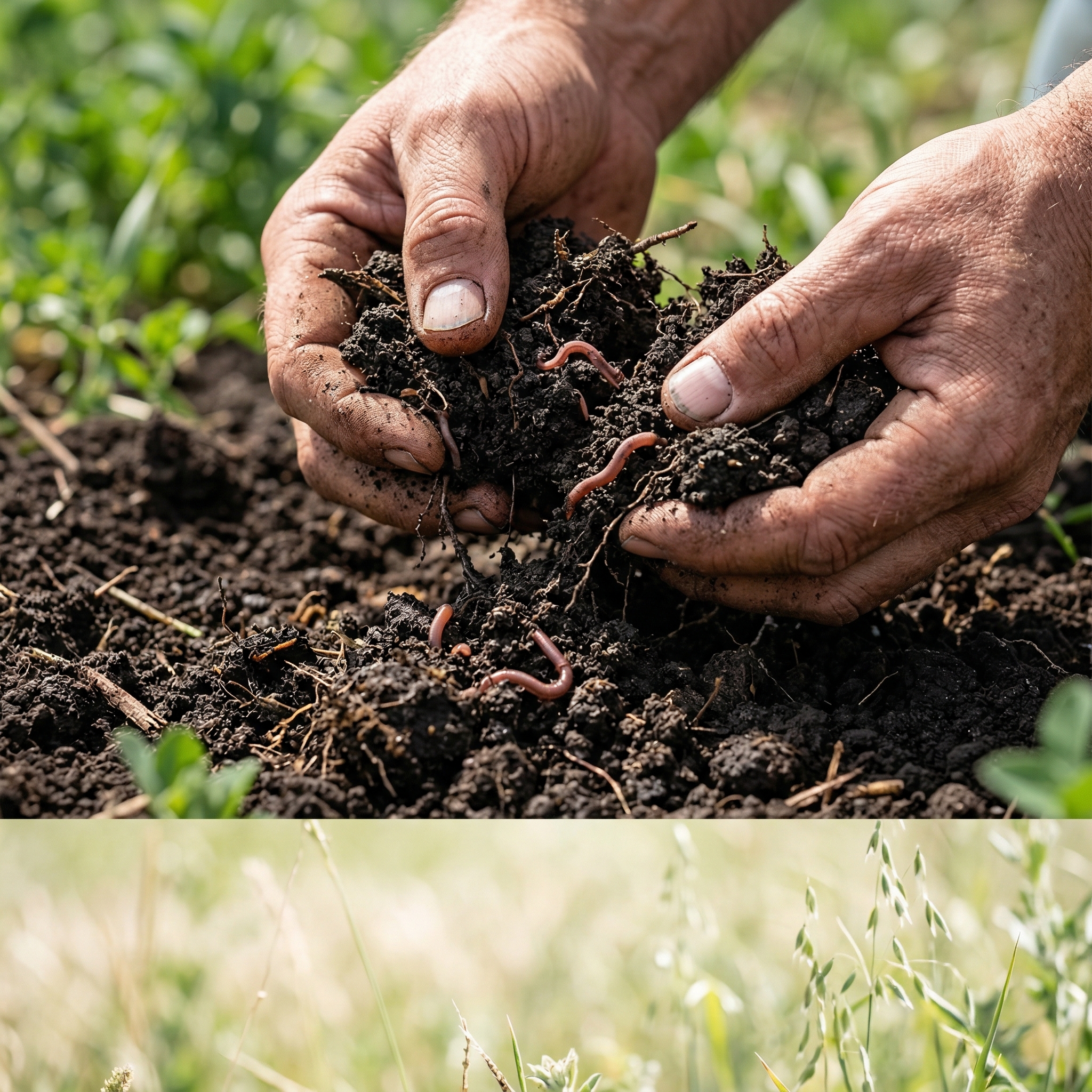
A strong listing is not just an advertisement. It is a documented representation of your land's actual value: soil quality, acreage, water access, historical yields, and any restrictions on use. Incomplete listings attract uncertain tenants and suppress bids. Before you can expect competitive offers, the land needs to be presented accurately and completely. Resources like a soil health checklist can help landowners identify and document the factors that directly influence rental value.
Pricing farmland without market context is one of the most common and costly mistakes landowners make. Farmland rental rates in Ontario and across Saskatchewan vary considerably depending on soil class, crop history, and local demand, and private negotiations rarely surface the true ceiling. A farmland rental bidding platform resolves this by letting verified farmers bid competitively, which means the rate reflects genuine market demand rather than a single party's estimate. According to Farm Credit Canada, rental pricing that reflects actual market conditions consistently produces better outcomes for both parties over the long term.
Lease Documentation: The Agreement Has to Hold Up
A lease agreement is not a formality. It is the document that defines what happens when circumstances change, and in agriculture, circumstances always change. A proper farm lease agreement needs to cover payment terms, renewal conditions, permitted land use, liability, and exit clauses. Leaving any of these out creates ambiguity that tends to resolve in the wrong direction.
Automated farm lease generation tools make this stage significantly more accessible for landowners who do not have legal resources on hand. Rather than drafting from scratch or repurposing a generic template, these tools prompt you through the relevant clauses and produce a customized, legally grounded document. The Manitoba Agriculture guide to crop land leasing agreements outlines what enforceable leases in Canada typically require, which is a useful baseline before generating your own. A thorough understanding of leasing farmland helps both parties enter the agreement with aligned expectations from day one.
Tenant Verification: Trusting the Person, Not Just the Paperwork
Even the most air-tight lease cannot substitute for knowing who is farming your land. Tenant verification is not about distrust, it is about due diligence that protects the value of a long-term asset. A verified farmer is one whose identity, farming history, and operational details have been confirmed before any agreement is signed. This matters especially when the lease spans multiple growing seasons, because your land's condition in year three depends heavily on decisions made in year one. Platforms built for the farmland rental marketplace in Canada workflows have verification built into the process, so landowners do not have to handle it independently.
Payments: Reliable, Traceable, and Conflict-Free
Payment handling is where many otherwise functional leases break down. Secure farmland rental payments need to be structured, scheduled, and tracked, ideally within the same system that manages the lease. A full transaction record protects both parties if any dispute arises and eliminates the grey area that informal payment arrangements create. Farmers benefit too: a clear payment process removes ambiguity about timing and method, and the ability to pay farmland rent online through a dedicated platform means there are no lost cheques or uncertain deposit timelines. Ontario's guidelines on renting your land sustainably also emphasize the importance of payment terms that are clear and mutually agreed upon from the start.
Using a Platform to Close the Structural Gaps
Most of the structural problems in traditional farmland leasing exist because the process is fragmented. Listing happens in one place, pricing in another, documentation gets handled separately, and payments run through entirely informal channels. A digital farmland leasing solution that integrates all four stages removes the gaps that typically cause problems.
What Integration Actually Delivers
Land4Rent is built specifically for this kind of end-to-end workflow. Landowners list verified properties, receive competitive bids through a live auction system, generate lease agreements from within the platform, and collect payments securely, all without switching tools or managing separate processes. The platform's online rental auction system is particularly valuable for pricing: bids come from verified farmers, which means the rate a landowner receives reflects real market demand, not a single negotiated offer.
What Farmers Gain From the Same Structure
Structure benefits tenants just as much as landowners. Farmers who access land through a farmland rental platform know the listings are real, the lease terms are clearly documented, and the payment process is handled reliably. That predictability makes long-term planning easier and reduces the friction that often discourages farmers from pursuing additional acreage. When both sides trust the process, the working relationship starts from a much stronger foundation. The ability for farmers to bid on farmland rentals online also gives them access to opportunities they would not have found through local networks alone.
Conclusion
A well-structured farmland rental arrangement is not about adding bureaucracy it is about removing the uncertainty that makes informal arrangements unreliable over time. Landowners who approach the process with clear listings, competitive pricing, verified tenants, sound documentation, and a trackable payment system consistently get better outcomes than those who rely on tradition and trust alone. The structure is what makes the relationship sustainable. If you are renting farmland now or planning to, start by mapping your current process against these four stages and identifying where the gaps are. Fixing one weak point often strengthens the whole arrangement.
Ready to bring structure to your farmland leasing? Start your listing on Land4Rent today.
Frequently Asked Questions (FAQs)
How to create a farm lease agreement that is legally enforceable?
A legally enforceable farm lease agreement must clearly define the parties involved, the land being leased, the term, payment schedule, permitted land use, and conditions for renewal or termination.
How to pay farmland rent online securely?
Paying farmland rent online securely involves using a dedicated platform that processes transactions through verified accounts and maintains a full payment record accessible to both parties.
What is the difference between a farmland lease and a rental?
A farmland lease typically covers a defined multi-season term with documented obligations on both sides, while a rental agreement may be shorter-term and carries fewer formal protections for either party.
Can farmers bid on farmland rentals online in Canada?
Yes, farmers can bid on farmland rentals online through auction-based platforms that allow competitive offers on verified listings, giving both parties a transparent, market-driven rate.
What is the average farmland rental rate per acre in Canada?
Average farmland rental rates per acre in Canada vary significantly by province and soil class, with Ontario and Saskatchewan often commanding higher rates due to crop yield potential and demand.

.png)


.svg)


.svg)