%20(1).svg)

.svg)

Introduction
When a prospective tenant evaluates farmland for lease, the first thing they assess is what lies beneath the surface. Soil quality determines crop yield potential, input costs, and long-term productivity, which means it directly shapes how much a farmer is willing to bid on a parcel. For Canadian landowners, where conditions range from heavy clay soils in Alberta to sandy loams in Ontario, understanding this connection is the difference between a competitive lease and a listing that sits idle. Poor soil health doesn't just limit what can be grown; it shrinks the pool of qualified, serious tenants and suppresses the rental rates your land can command.
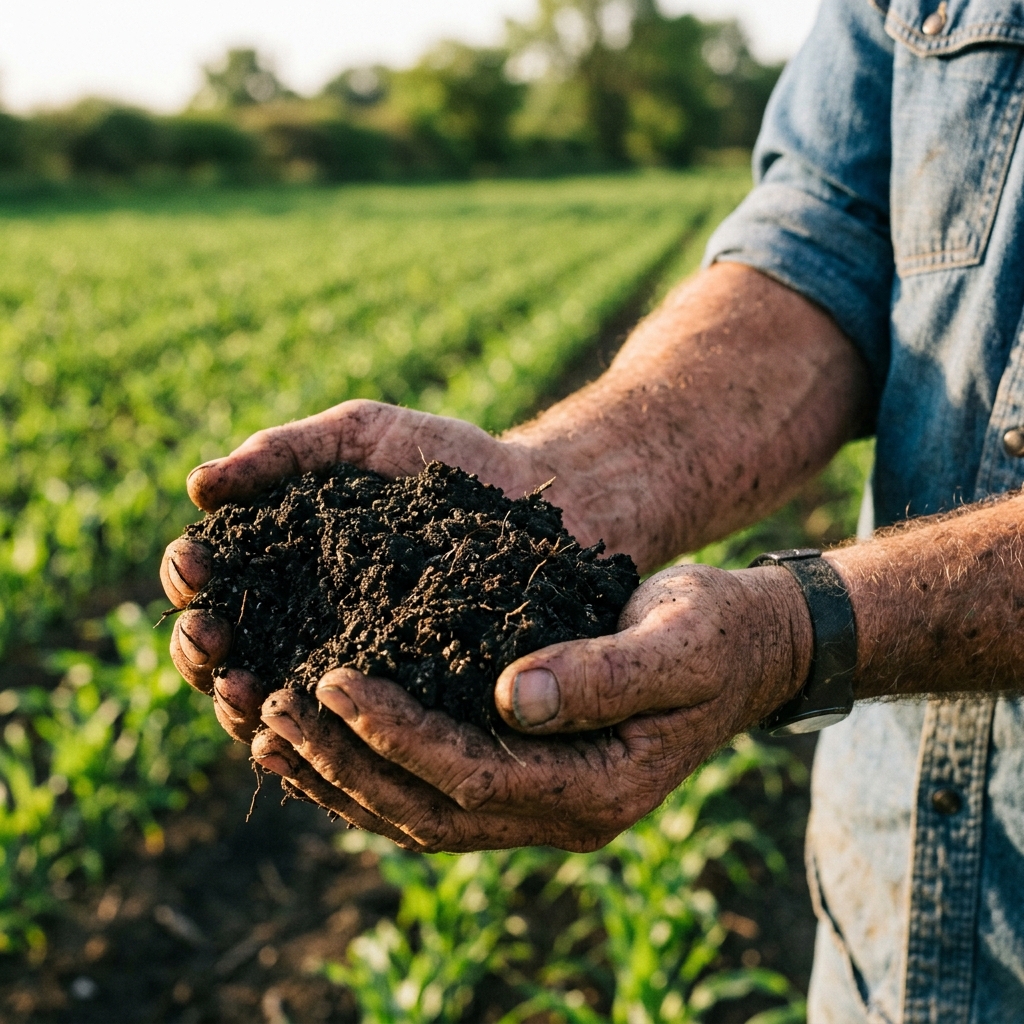
Why Tenants Prioritize Soil Health in Lease Decisions
Farmers are making a financial commitment when they sign a lease, and the productivity of the soil determines whether that commitment pays off. Before any bid is placed, experienced tenants perform their own agricultural soil analysis or request existing reports, because the numbers tell them exactly what kind of season they can expect. Landowners who fail to recognize this reality often underprice their land or wonder why higher-caliber tenants pass on their listings.
Key Soil Quality Indicators Tenants Evaluate
Tenants don't rely on visual impressions alone. They look at measurable data points that predict how the land will perform across a growing season, and these indicators influence their willingness to compete for a lease. The following factors appear on nearly every farmer's assessment checklist:
- Soil organic matter content: Higher organic matter improves water retention, nutrient availability, and microbial activity, all of which reduce input costs for the tenant.
- pH levels: Most field crops thrive in a pH range of 6.0 to 7.5, and land outside this range signals the need for costly amendments like lime or sulfur before planting.
- Nutrient profile: Phosphorus, potassium, and nitrogen levels indicate how much fertilizer investment a tenant will need to reach target yields.
- Drainage and water-holding capacity: Poorly drained fields increase the risk of root disease, delayed planting, and compaction, making them far less attractive to bid on.
- Soil structure and compaction: Compacted layers restrict root growth and reduce yields, and tenants know that reversing compaction takes multiple seasons of remediation.
The Financial Link Between Soil and Lease Rates
The relationship between soil quality for crop production and rental rates is straightforward. Land with documented fertility, balanced pH, and adequate drainage commands higher bids because lease value depends on more than acreage alone. A tenant calculating expected returns on a parcel with rich, well-managed soil will project higher yields and lower input costs, translating into a willingness to pay more per acre. Conversely, land with depleted organic matter or nutrient deficiencies forces tenants to factor in remediation expenses, and those costs come directly off their bid price. According to Agriculture and Agri-Food Canada's data on soil organic matter, organic matter decline is one of the most significant threats to long-term soil productivity in the Prairies, which means it also threatens long-term leasing income.
How Landowners Can Assess and Improve Soil for Stronger Leases
Landowners don't need to become agronomists, but they do need to treat soil health assessment as a core part of their leasing strategy. A proactive approach to testing and improvement signals professionalism to prospective tenants and creates tangible evidence that your land is worth a premium bid. The steps below apply whether you're managing farmland in Ontario, Saskatchewan, or Alberta.
Soil Testing: What to Do and When
Soil fertility testing should happen before listing land for lease, not after a tenant flags a problem. A comprehensive soil test covers macronutrients, micronutrients, organic matter, pH, and electrical conductivity. Provincial labs and accredited private services across Canada can process samples within a few weeks, giving you a clear baseline. The Ontario Ministry of Agriculture's soil sampling guide provides a reliable framework for sampling methodology that applies across most Canadian growing regions.
Timing matters. Fall sampling, after harvest but before freeze-up, provides the most accurate picture of residual nutrients and pH. For landowners managing parcels across different Canadian soil types, testing every two to three years ensures that trends in organic matter depletion or nutrient drawdown are caught early. Sharing recent test results with prospective tenants builds trust and accelerates the bidding process, because farmers can run their numbers with confidence instead of guessing. Landowners listing on Land4Rent often find that including soil data alongside their listings attracts more competitive bids from verified farmers who value transparency.
Practical Soil Quality Management Practices
Improving soil doesn't require massive capital investment, but it does require intentional management. Cover cropping between cash crop rotations is one of the most effective ways to rebuild organic matter and prevent erosion, particularly in Alberta farmland, where wind erosion can strip topsoil rapidly. Reducing tillage intensity preserves soil structure, and incorporating crop residues rather than burning them returns nutrients to the profile. According to Alberta's recommended methods for Prairie soil analyses, regular monitoring combined with adaptive management is the most reliable path to sustained productivity.
Landowners should also consider what lease clauses can protect soil over the term of the agreement. Requiring tenants to follow proven soil management practices as a condition of the lease ensures that your land isn't being mined for short-term yield at the expense of long-term value. Monitoring for signs of soil degradation during the lease term protects your investment and maintains the farmland leasing potential of your property for future cycles. A well-structured lease that addresses soil stewardship attracts tenants who think beyond a single season, and those are the tenants who pay premium rates.
Maximizing Leasing Potential Through Soil Management
Soil quality is the long-term asset that shapes every other leasing outcome, from tenant interest to final rental value. When landowners treat soil as something to measure, protect, and improve, they create a stronger negotiating position and a more dependable stream of lease revenue. The most successful farmland leases are not built on acreage alone; they are built on productive soil, transparent information, and stewardship practices that give tenants confidence in the land's future potential.
Before you list your land, review your soil test results, identify any limiting factors, and make a plan to address them. Even modest improvements in organic matter, drainage, or nutrient balance can materially improve how tenants evaluate your parcel. If you want to appeal to serious agricultural operators who are willing to pay for quality, a documented commitment to soil health is one of the clearest ways to stand out in the market.
Conclusion
Soil quality is not a background detail in the leasing process; it is the foundation that determines what your land is worth to a tenant and how aggressively they will compete for it. Landowners who invest in regular testing, document their results, and implement soil health practices position themselves for higher rental income and longer-term tenant relationships. Whether you manage parcels in Ontario's clay belts or across the Alberta Prairies, understanding and acting on the connection between soil and leasing outcomes is the most direct way to protect and grow your farmland's earning power.
List your farmland on Land4Rent today and connect with verified farmers who value productive, well-managed land.
Frequently Asked Questions (FAQs)
How does soil quality affect farmland lease rates?
Higher soil quality allows tenants to project better yields with lower input costs, which directly increases the rental rates they are willing to offer during competitive bidding.
What soil quality indicators matter most for leasing?
Organic matter content, pH balance, macronutrient levels, drainage capacity, and soil structure are the five indicators that tenants weigh most heavily when evaluating a lease opportunity.
How often should farmland soil be tested before leasing?
Soil should be tested every two to three years, with an additional round of sampling recommended immediately before listing the land for a new lease term.
What is good soil quality for farming in Canada?
Good quality typically means a pH between 6.0 and 7.5, organic matter above 3%, adequate phosphorus and potassium levels, and a well-drained structure without significant compaction layers.
How can landowners improve soil quality to attract tenants?
Incorporating cover crops, reducing tillage, applying targeted amendments based on test results, and requiring stewardship clauses in lease agreements are the most effective strategies for building tenant-ready soil.


.png)




.svg)


.svg)