%20(1).svg)

.svg)

Introduction
The moment your farmland listing goes live on a rental marketplace, a process begins that most landowners have never seen from the inside. There is often a mix of anticipation and uncertainty in those first days: Will farmers find it? When do bids arrive? How competitive will it get? Understanding the real sequence of events that unfolds in the first seven days helps you stay calm, stay informed, and make better decisions throughout the leasing process.
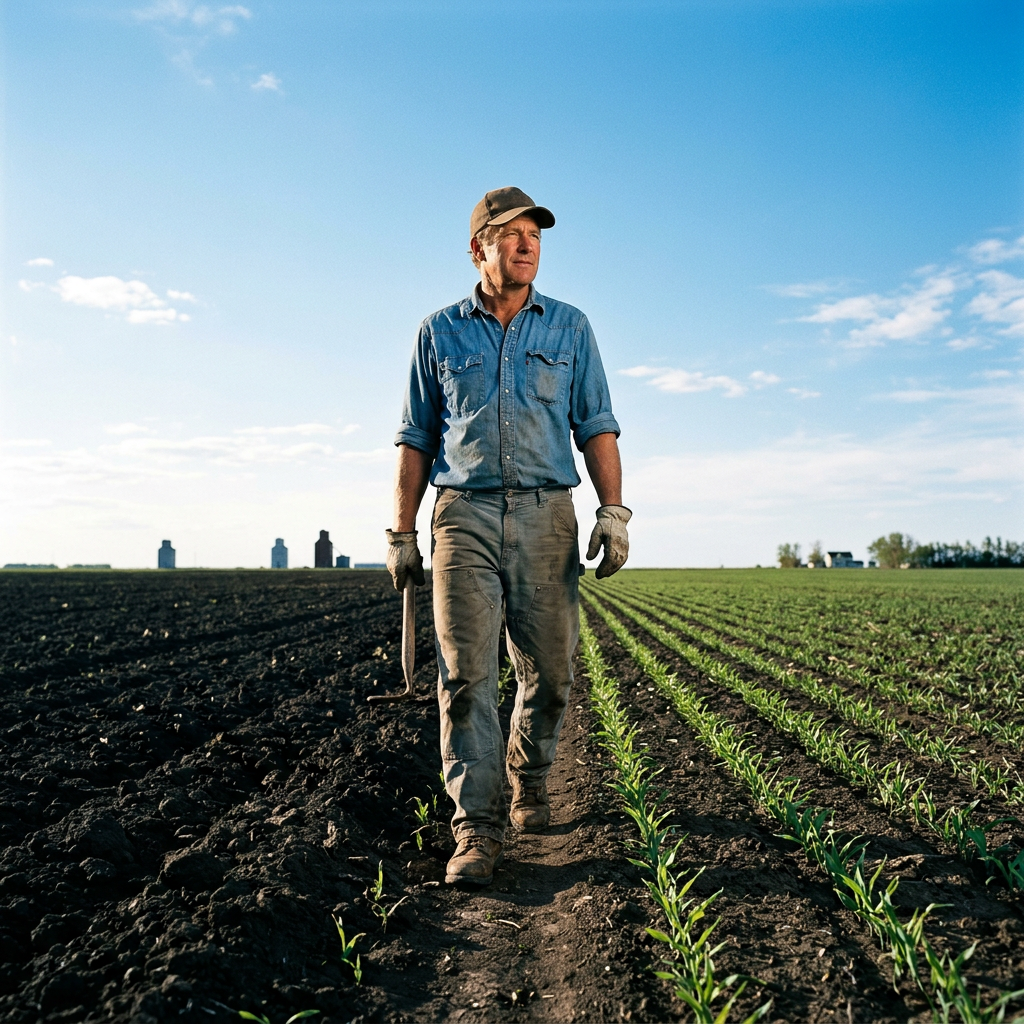
How Your Listing Gains Traction in the First 48 Hours
The early hours after a listing goes live are less about bids and more about visibility. Your farmland listing exposure online depends on how quickly the platform indexes and distributes the listing to its verified network of active farmers.
How Farmers Discover New Listings
On a well-run farmland rental marketplace, farmers are not browsing passively. Many have saved search filters set up for specific regions, acreage ranges, and soil types. When a new listing matches their criteria, they receive alerts. This means your listing may reach dozens of qualified eyes within hours of going live, even before you have done anything further.
- Search alerts: Farmers with saved filters get notified automatically when a matching listing is published.
- Regional visibility: Listings surface prominently for farmers already searching in your area.
- Verified access only: Only farmers who have passed verification can view full listing details and place bids.
- Platform indexing: Your listing is categorized by soil class, location, and available acreage for accurate matching.
- Activity tracking: The platform logs how many verified users have viewed your listing from day one.
What Landowners Can Monitor Right Away
Most platforms provide a farmland listing analytics dashboard where you can see view counts, the number of active bidders watching your listing, and any early bid activity. Checking this within the first 24 to 48 hours gives you a useful baseline. Do not expect to draw conclusions yet, but the data tells you whether your listing is reaching the right audience.
Days 2 to 4: When the Bidding Begins to Take Shape
This is typically when the competitive farmland bidding system starts showing real momentum. Farmers who were alerted in the first phase have now reviewed the details, assessed the land against their operational needs, and are beginning to enter the auction.
How the Auction Mechanism Activates
Unlike a sealed-bid process, a live auction lets farmers see competitive activity without revealing exact figures from other bidders. This structure encourages genuine market engagement. A farmer who values your land highly has an incentive to bid seriously because they know others are looking. This is how live auction bidding sets fairer farmland rental rates, letting real demand determine the price rather than a landlord's estimate or a neighbour's handshake deal.
According to FCC's 2024 farmland rental rate data, rental rates across Canadian provinces vary significantly, which makes a competitive bidding environment especially important for landowners who want accurate, market-driven pricing rather than relying on regional averages.
What Drives Early Bid Strength
The quality of your listing directly influences bid activity in this window. Clear soil classification, accurate acreage, photos or parcel maps, and well-described access and water details help farmers make confident leasing decisions faster. A listing with strong details will typically see earlier and higher initial bids than one that leaves key questions unanswered. This is also where farmland rental auctions vs fixed-rate leases tend to diverge most visibly: the auction format rewards well-prepared listings with real-time competitive pressure that fixed-rate negotiations simply cannot replicate.
Days 4 to 7: Competitive Momentum and Landowner Decisions
By the midpoint of the first week, most listings on a well-trafficked farmland leasing platform have enough bid data to paint a clear picture of market interest. This phase is about watching the auction mature and preparing for the decisions ahead.
Reading Real-Time Bidding Results
Your dashboard will reflect real-time farmland bidding results, including how many bids have been placed, the spread between starting and current bid levels, and whether bidding velocity is increasing. A spike in activity late in the auction window is common, as farmers who have been watching make their final moves. This is normal and reflects healthy competition, not a slow start.
Landowners leasing in regions like Saskatchewan or Alberta can use these farmland auction mechanics to benchmark their results against comparable listings in their area. Understanding what drives variation, such as soil class, location, and water access, helps you interpret your own results with context rather than guesswork.
Farmer Verification and Tenant Quality
One advantage of working through a structured platform is that every bid comes from a verified farmer tenant. You are not fielding calls from unqualified inquiries or sorting through anonymous interest. By day five or six, the farmers actively bidding on your listing have already been vetted, which means that when the auction closes, you are choosing from a pool of credible, confirmed agricultural operators. Land4Rent manages this verification process on the platform's end, so landowners do not have to conduct their own due diligence for every bidder.
What Landowners Should Do During This Phase
Avoid the temptation to intervene unless there is a genuine reason. A well-structured online farmland leasing platform is designed to let the market work. Your job during days four to seven is to monitor, not interfere. If your listing is underperforming, look at your listing details before drawing conclusions about demand. Missing information is usually the culprit, not a lack of farmer interest. According to Agriculture Canada's land use data, agricultural land demand across the country remains strong, meaning the supply of motivated farmer-tenants is real.
If you want to understand how digital farmland leasing platforms work in Canada more broadly, including how lease generation and payment processing follow the auction close, reviewing that workflow before day seven puts you in a better position when the auction ends.
Conclusion
The first seven days after listing farmland are not a waiting game. They are a structured, transparent process where verified farmers discover your land, competitive bids surface based on genuine demand, and you gain real insight into your property's market value. Understanding each phase, from early visibility through to final bidding momentum, puts you in control rather than leaving you guessing. Landowners who understand the leasing process from the start consistently get better outcomes than those who list and hope. If you are ready to see what your farmland is genuinely worth to active, verified farmers, the first step is putting it in front of the right audience through a platform built for exactly this purpose.
List your farmland and start receiving competitive bids from verified farmers at Land4Rent.
Frequently Asked Questions (FAQs)
What happens after you list farmland for rent in Canada?
Once your listing goes live, it is distributed to the platform's verified network of farmers, who receive alerts if your land matches their search filters, and bidding typically begins within the first few days.
How quickly do farmland listings receive bids online?
Most active listings on a competitive platform begin attracting bids within two to four days, with the strongest activity often occurring in the second half of the auction window.
What makes a high-performing farmland listing?
Listings that include clear soil classifications, accurate acreage, access details, and supporting visuals like parcel maps consistently attract more bids and stronger rental offers than incomplete listings.
How do I track farmland rental bids in real time?
Most farmland leasing platforms provide a dedicated dashboard where landowners can monitor view counts, active bidders, and current bid levels as the auction progresses.
What documents or steps are needed after a farmland listing goes live in Canada?
After a listing goes live, landowners should ensure their property details are complete and accurate; once the auction closes, the platform typically guides both parties through automated lease generation and payment setup.


.png)



.svg)


.svg)