%20(1).svg)

.svg)

Introduction
A well-structured agricultural lease does more than set a price per acre. It defines how two parties, one owning the land and one working it, will share risk, protect resources, and build a relationship that holds up season after season. In Canada, where farmland values have climbed steadily and productive acreage is finite, the terms inside a farmland lease agreement carry real financial weight for both sides. Yet many farm lease arrangements still rely on handshake customs or boilerplate documents that fail to address soil management, rent adjustments, or what happens when circumstances change. The gap between a basic rental contract and a properly structured lease is where most disputes, income losses, and land degradation begin.

Core Elements of a Balanced Agricultural Lease
The duration of a farm lease shapes every other decision within it. Short-term leases of one to three years give landowners flexibility to adjust rental rates as the market moves, but they discourage operators from investing in soil health or infrastructure improvements. Longer terms of five to ten years offer the stability that cropland operators need to plan rotations and justify capital expenditures, yet they can lock landowners into rates that fall below competitive farmland rental rates as land values rise. The solution is a middle path: a defined initial term with built-in renewal options and clear exit clauses that protect both parties.
Renewal clauses should specify how and when either party must give notice, and whether the renewal triggers a rent review. Exit clauses need to cover scenarios like default, death of a party, or sale of the land. In Alberta and Saskatchewan, where expectations are defined early in writing, disputes over early termination are significantly less common. A good rule of thumb: if a situation can be anticipated, it should be addressed in the lease rather than left to negotiation under pressure.
Rent Structure and Review Mechanisms
Fixed cash rent is the most common structure across farm leases in Canada, but it is not the only option, and it is not always the fairest. Cash rent provides predictable income for landowners and straightforward budgeting for operators. Crop-share arrangements split production revenue, which distributes risk more evenly but introduces complexity around input costs, grain marketing, and yield verification. Hybrid structures, where a base cash rent is supplemented by a bonus tied to commodity prices or yields, offer a pragmatic compromise.
Fixed cash rent: Predictable for both parties but exposes operators to downside risk in poor crop years
Crop-share: Distributes production risk but requires clear terms on input cost sharing and marketing decisions
Flex or hybrid rent: Combines a guaranteed base payment with upside tied to yields or prices, balancing stability and fairness
Stepped rent: Starts lower and increases on a defined schedule, useful for new operators building cash flow on land where outcomes depend on terms
Regardless of the structure chosen, a rent review clause is essential. Markets shift, input costs fluctuate, and a rate that was fair three years ago may no longer be. Reviews should be scheduled at defined intervals, tied to a transparent benchmark such as provincial land rental surveys or FCC farmland rental data, and subject to a cap on annual increases to prevent sudden shocks to the operator.
Soil Stewardship and Land Improvement Provisions
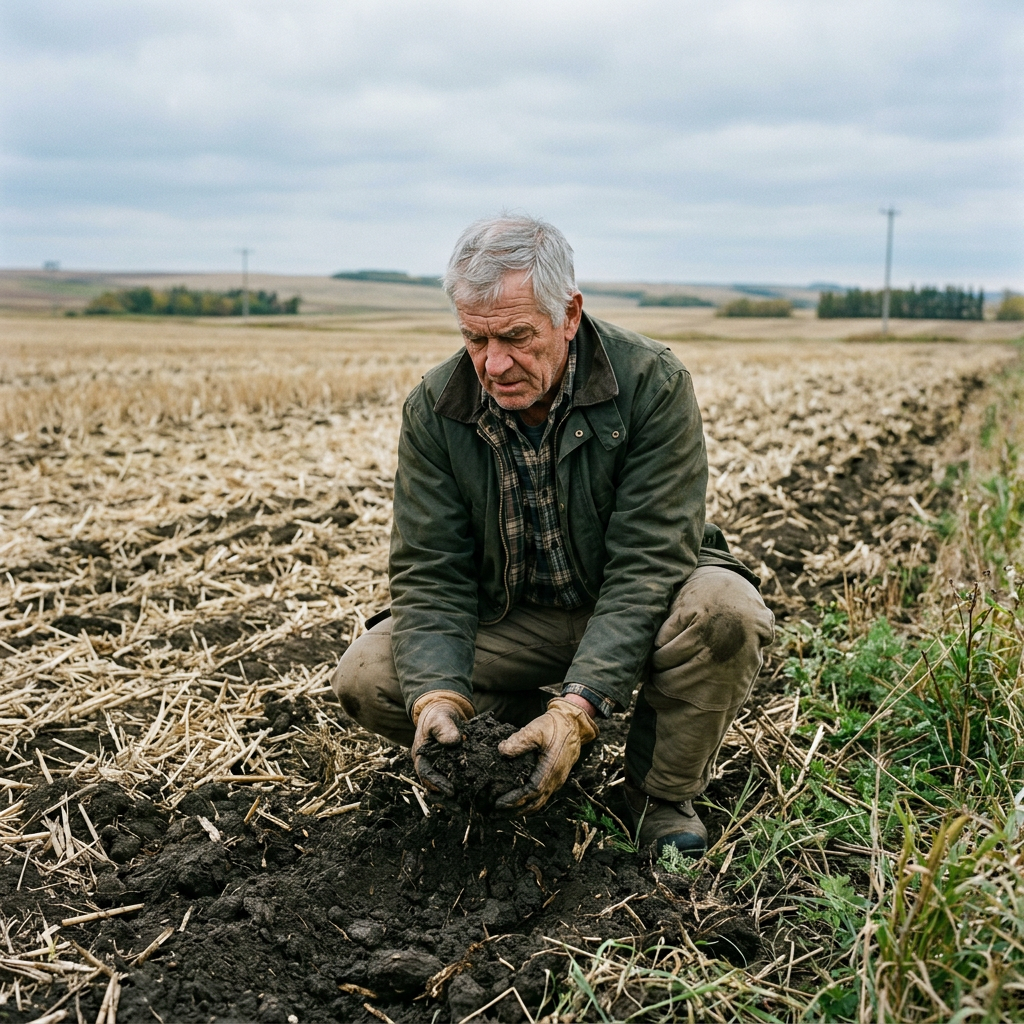
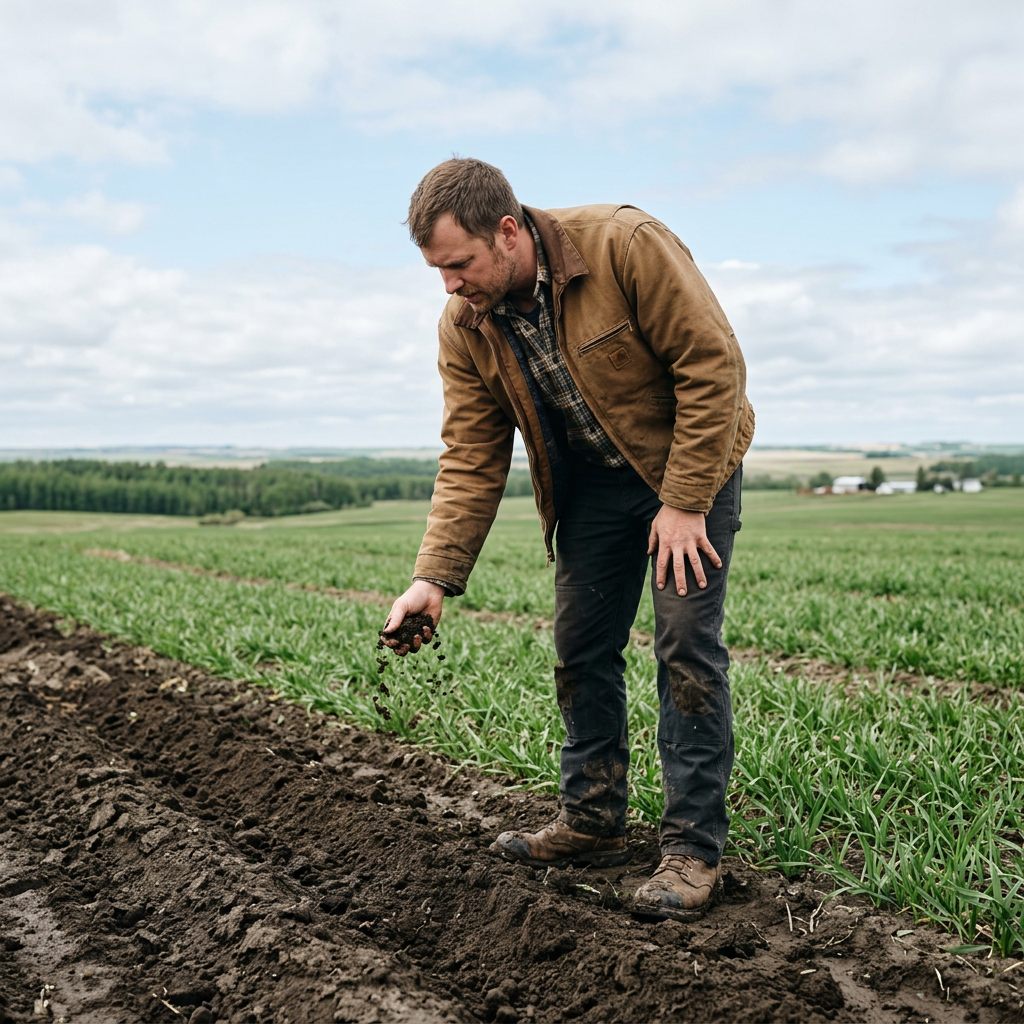
No element of a farmland lease agreement matters more to long-term land value than soil management. A lease that ignores soil stewardship effectively gives the operator no incentive to maintain or improve the land, and gives the landowner no recourse if degradation occurs. Both parties benefit when the lease explicitly addresses how the soil will be treated across the term.
Writing Soil Health Into the Lease
Soil clauses should go beyond vague language like "maintain the land in good condition." Specific, measurable standards create accountability. In Ontario, where small lease details make a big difference in long-term returns, progressive landowners are requiring baseline soil tests at the start of the lease and periodic retesting at defined intervals. The results create a record that both parties can reference.
Crop rotation requirements, cover cropping obligations, and restrictions on tillage practices are increasingly common in Canadian leases. The Farm Foundation's guidance on conservation practices in leases provides a useful framework for operators and landowners negotiating these terms. Operators should not view these provisions as restrictions. Land that maintains or improves its productive capacity over a lease term supports better yields and justifies consistent farmland leasing arrangements that benefit tenants at renewal.
Improvement Rights and Capital Investment
Operators frequently want to make improvements to leased land, whether that means installing drainage tile, building fencing for pasture for lease parcels, or upgrading irrigation infrastructure. These investments can increase land value substantially, which raises an important question: who pays, and who benefits when the lease ends?
A well-drafted lease addresses improvement rights upfront. It should specify what types of improvements require landowner approval, who funds the work, whether the operator receives compensation or a rent credit for improvements that outlast the lease term, and who owns permanent fixtures. In provinces like Alberta, where farmland for lease often involves large parcels with significant infrastructure needs, provincial guidelines on land rental agreements recommend detailed improvement schedules attached as appendices to the main lease. Without these provisions, operators risk losing the value of their investment, and landowners risk unauthorized modifications that may not align with their long-term plans for the property.
Dispute Resolution and Compliance Frameworks
Even the most carefully written lease can produce disagreements. Weather events, market swings, or simple misunderstandings about responsibilities create friction. The presence of a clear dispute resolution framework inside the lease distinguishes a professional arrangement from one that unravels at the first sign of conflict.
Mediation, Arbitration, and Escalation Paths
The most effective tenant farming lease terms include a tiered dispute resolution process. The first step is typically direct negotiation between the parties within a defined timeframe. If that fails, mediation with a neutral third party provides a structured but non-binding forum to reach agreement. Arbitration, where a qualified arbitrator makes a binding decision, serves as the final step before litigation.
Specifying the dispute resolution path in advance saves both parties significant legal costs and preserves the working relationship. Provincial agricultural mediation services are available across Canada and are particularly well-suited to farm lease disputes where both parties have an ongoing interest in cooperation. Many landowners and operators in Saskatchewan report that having key terms in their farm leases explicitly covering conflict resolution prevented minor issues from escalating into lease-ending disputes.
Compliance, Insurance, and Liability
A farmland lease agreement should clearly assign liability for property damage, environmental contamination, and personal injury. Operators should carry adequate farm liability insurance, and the lease should require proof of coverage as a condition of the agreement. Landowners in Ontario and Alberta commonly require to be named as additional insureds on the operator's policy, which provides a direct layer of protection without shifting the cost burden unfairly.
Environmental compliance deserves particular attention. If the leased land includes wetlands, waterways, or areas subject to provincial environmental regulations, the lease should identify those constraints and assign responsibility for compliance. Clauses addressing critical details that land lease agreements often miss, like chemical storage, manure management, and setback requirements, reduce liability exposure for both parties. The goal is to ensure that neither the landowner nor the operator is surprised by a regulatory obligation that was never discussed.
Conclusion
A strong agricultural lease is not a document that favors one party over the other. It is a framework that gives landowners confidence in the stewardship of their asset and gives operators the stability to farm productively. Every clause, from term length and rent structure to soil management and dispute resolution, should reflect a genuine balance of interests. In Canada, where farmland leasing continues to grow as both an investment strategy and an operational necessity, taking the time to structure a lease properly pays dividends for years. Land4Rent provides automated lease generation tools that help both landowners and operators build compliant, customized agreements tailored to their specific needs.
Ready to build a lease that works for both sides? Visit Land4Rent to create your customized farmland lease agreement today.
Frequently Asked Questions (FAQs)
What is included in a farm lease agreement?
A farm lease agreement typically includes the names of the parties, a legal land description, the lease term, rent amount and payment schedule, permitted land uses, soil management obligations, improvement rights, insurance requirements, and dispute resolution procedures.
How to negotiate a farm lease?
Both parties should research current provincial rental rates, identify their priorities around term length and land use, and discuss risk-sharing mechanisms before drafting terms in writing.
Can farmers lease land long-term?
Yes, many Canadian farm leases run five to ten years or longer, often with renewal options that give operators continuity while allowing periodic rent adjustments.
How does farmland leasing work in Canada?
Landowners and operators enter a written agreement specifying rent, permitted uses, and responsibilities, with lease terms governed by provincial regulations and any additional conditions the parties negotiate.
Is leasing farm land profitable for landowners?
Leasing farmland can generate reliable annual income without requiring the landowner to manage day-to-day operations, and profitability depends on factors like location, soil quality, and the competitiveness of local rental rates.

.png)



.svg)


.svg)