%20(1).svg)

.svg)

Introduction
Too many Canadian landowners treat agricultural property leasing as a two-step process: find a tenant, then collect rent. The reality is far more complex. Between verifying a farmer's credentials, setting a competitive rental rate, drafting enforceable lease terms, and protecting soil health over multi-year agreements, the leasing lifecycle demands careful planning at every stage. Landowners who skip these steps often face income disruptions, degraded land, and disputes that could have been prevented with a structured approach from day one.

Why Tenant Selection Is Only the Starting Line
Finding someone willing to farm your land is the easiest part of the process. The hard work, and the work that protects your income and your property, happens before and after that person says yes. Whether you own farmland for rent in Ontario, Saskatchewan, or British Columbia, the decisions made around verification, pricing, and documentation determine whether a leasing arrangement thrives or quietly falls apart.
The Cost of Skipping Proper Tenant Verification
A willing tenant is not the same as a qualified one. Verified farmers bring operational history, adequate equipment, and a track record of responsible land stewardship. Without a verification process, landowners risk leasing to operators who lack the financial stability to meet rental obligations or the expertise to maintain soil quality. According to resources from Farm Credit Canada's guidance on renting out farmland, proper vetting is one of the most commonly missed steps in informal leasing arrangements.
Financial stability: Confirm the tenant can meet payment schedules through bank references or credit checks before signing any agreement
Operational capacity: Review the farmer's equipment access, labor force, and ability to manage the acreage being leased
Land stewardship record: Ask for references from previous landowners to understand how the tenant treated the rented soil
Insurance and liability coverage: Ensure the farmer carries adequate liability insurance to protect both parties from on-farm incidents
Setting Rental Rates That Reflect True Market Value
One of the most persistent challenges in farmland leasing is pricing. Many landowners rely on word-of-mouth rates from neighboring farms or repeat the same figure year after year without adjusting for market conditions. This leaves money on the table and, in some cases, undervalues the land so significantly that the tenant captures most of the economic benefit. Data from Farm Credit Canada's 2025 rental rate analysis shows significant regional variation, meaning a flat rate assumption for agricultural land for rent across provinces is almost always inaccurate.
Competitive bidding models, where multiple qualified tenants submit offers on a listed property, give landowners a transparent view of what the market is actually willing to pay. This is fundamentally different from accepting the first offer that comes along. Platforms like Land4Rent use live auction systems specifically designed to let real demand set rental pricing, removing the guesswork that leads to below-market agreements.
Building a Lease That Actually Protects Both Parties
A rental rate agreed upon verbally means very little without a properly structured lease backing it up. Yet across Canada, a surprising number of farms for rent operate under informal or outdated agreements that fail to address the specific risks of agricultural tenancy. Getting the documentation right is not just a legal formality. It is the foundation that determines whether a dispute can be resolved or whether it spirals into costly litigation.
What Every Agricultural Lease Agreement Must Cover
A good farm lease goes well beyond the rent amount, start date, and duration. It needs to address land use restrictions, soil management expectations, environmental compliance, and the process for handling early termination or renewal. Too often, lease agreements miss critical details around crop rotation requirements, chemical application limits, and who bears responsibility for drainage or infrastructure maintenance.
Automated lease agreements for farmland solve many of these gaps by guiding landowners through a structured set of questions and generating terms tailored to their property and province. Instead of starting from a generic template that may not reflect agricultural realities, a guided generation process ensures that provisions for soil conservation, payment schedules, and breach remedies are included by default. Landowners who want to write a lease agreement that holds up in court need specificity, not boilerplate.
Why Lease Enforcement Fails Without Clear Terms
Enforcement problems rarely start with bad intentions. They start with ambiguity. When a lease does not specify what happens if a tenant misses a payment, applies restricted chemicals, or sublets acreage without permission, neither party has a clear path forward. Provincial guidelines, such as Ontario's guidance on lease agreements for farm buildings, emphasize the importance of specifying dispute resolution mechanisms upfront.
Landowners who have experienced this friction firsthand know that the small details in a lease agreement are where enforcement lives or dies. Clauses around notice periods, inspection rights, and permitted land modifications may seem minor during signing, but they become the entire basis of a legal position when something goes wrong. Defining expectations early, as part of the lease drafting process, is the single most effective way to reduce conflict throughout the lease term.
Managing the Ongoing Relationship After Signing
Signing the lease is not the end of the process. It is the beginning of an active management relationship that requires attention to payment tracking, land condition monitoring, and periodic rate adjustments. Landowners who go hands-off after the signature often discover problems only when they become expensive to fix.
Payment Tracking and Cash Flow Predictability
Consistent, trackable payments are essential for farm land for lease arrangements to function as reliable income-producing assets. When payments are handled through informal methods like personal cheques or cash, disputes over timing and amounts become difficult to resolve. A digital farm rental approach, where payments are processed and recorded through a secure platform, gives both parties a clear transaction history that removes ambiguity.
Beyond convenience, structured payment systems allow landowners to forecast cash flow with greater accuracy. Knowing exactly when payments will arrive, with automated reminders and confirmations, transforms farmland from a passive asset into one that integrates cleanly with broader financial planning. Protecting long-term rental income starts with a platform that handles rental payments end to end, providing complete transaction records that both landowners and tenants can reference at any time.
Protecting Soil Health and Long-Term Land Value
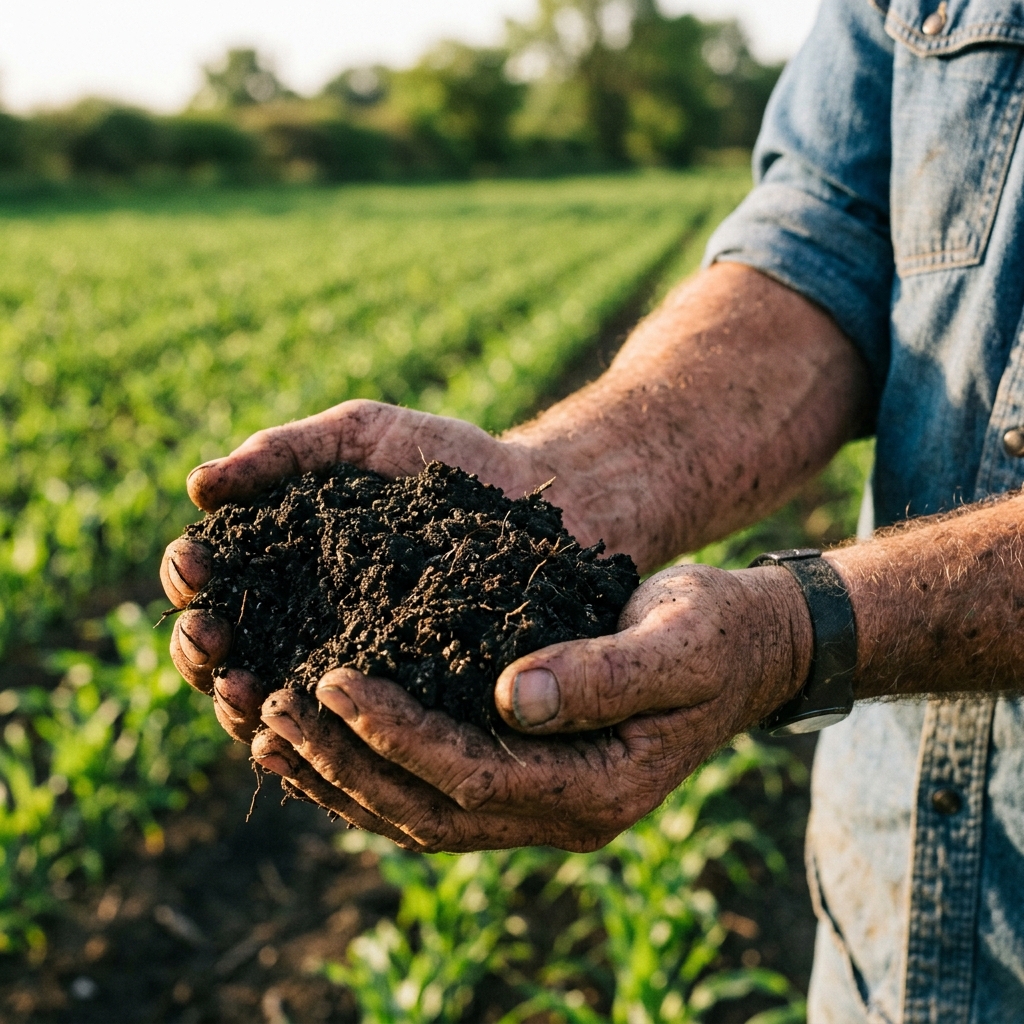
The pros and cons of farmland leasing often come down to a single variable: what happens to the soil. A tenant operating on a short-term lease with no stewardship requirements has little incentive to invest in soil health. This is how soil degradation on rented farmland begins, quietly and often undetected until the damage is significant.
Lease terms should include specific provisions around crop rotation, cover cropping, chemical usage limits, and soil testing schedules. These are not aspirational guidelines. They are enforceable conditions that protect the asset's long-term productivity. Landowners considering farmland leasing vs selling should recognize that leasing preserves ownership and future appreciation, but only if the land is actively managed through clear contractual requirements.
The difference between transparent farmland leasing and the informal arrangements that still dominate much of rural Canada comes down to structure. A farmland rental platform that handles verification, competitive pricing, lease generation, and payment processing removes the friction points that cause most leasing relationships to underperform or collapse. Landowners exploring where leasing goes wrong almost always trace the failure back to a step that was skipped or handled informally.
Whether the property is agricultural property for lease in Saskatchewan, located in British Columbia, or being listed for the first time, the process deserves the same rigor applied to any significant financial decision. The tenant search is just one piece. Everything that follows, from rate-setting to enforcement to soil protection, is what determines whether leasing works for the landowner or against them.
Conclusion
Agricultural property leasing is a multi-stage process that demands attention well beyond the initial tenant search. From verifying farmer credentials and setting market-driven rental rates to drafting enforceable lease terms and tracking payments, each step either builds or erodes the value of the arrangement. Landowners who recognize what they often miss in the leasing process are the ones who protect their income, their land, and their peace of mind over the long term. A structured, end-to-end approach is not optional. It is what separates landowners who lease successfully from those who simply lease.
Ready to lease farmland with confidence? Explore Land4Rent to list property, connect with verified farmers, and manage every step of the leasing process in one place.
Frequently Asked Questions (FAQs)
What documentation is needed for farm leasing?
At minimum, a written lease agreement covering rent amount, term length, land use restrictions, soil management expectations, payment schedules, insurance requirements, and dispute resolution procedures specific to the relevant province is required.
How do you verify farmland tenants?
Verification involves checking the farmer's operational history, equipment access, financial references, liability insurance, and references from previous landowners to confirm responsible land stewardship.
What is the best way to lease farmland?
The most effective approach combines competitive pricing through market-based bidding, thorough tenant verification, a comprehensive lease agreement, and structured payment tracking through a dedicated platform.
How do farmland auctions work in Canada?
In a farmland rental auction, verified farmers submit competitive bids on a listed property during a defined bidding window, allowing real market demand to set the rental rate rather than private negotiation or guesswork.
What are the benefits of farmland leasing?
Leasing preserves land ownership and long-term appreciation potential while generating recurring rental income, and with proper lease terms, it also ensures the land is actively farmed and maintained by a qualified operator.

.png)




.svg)


.svg)