%20(1).svg)

.svg)

Introduction
Introduction
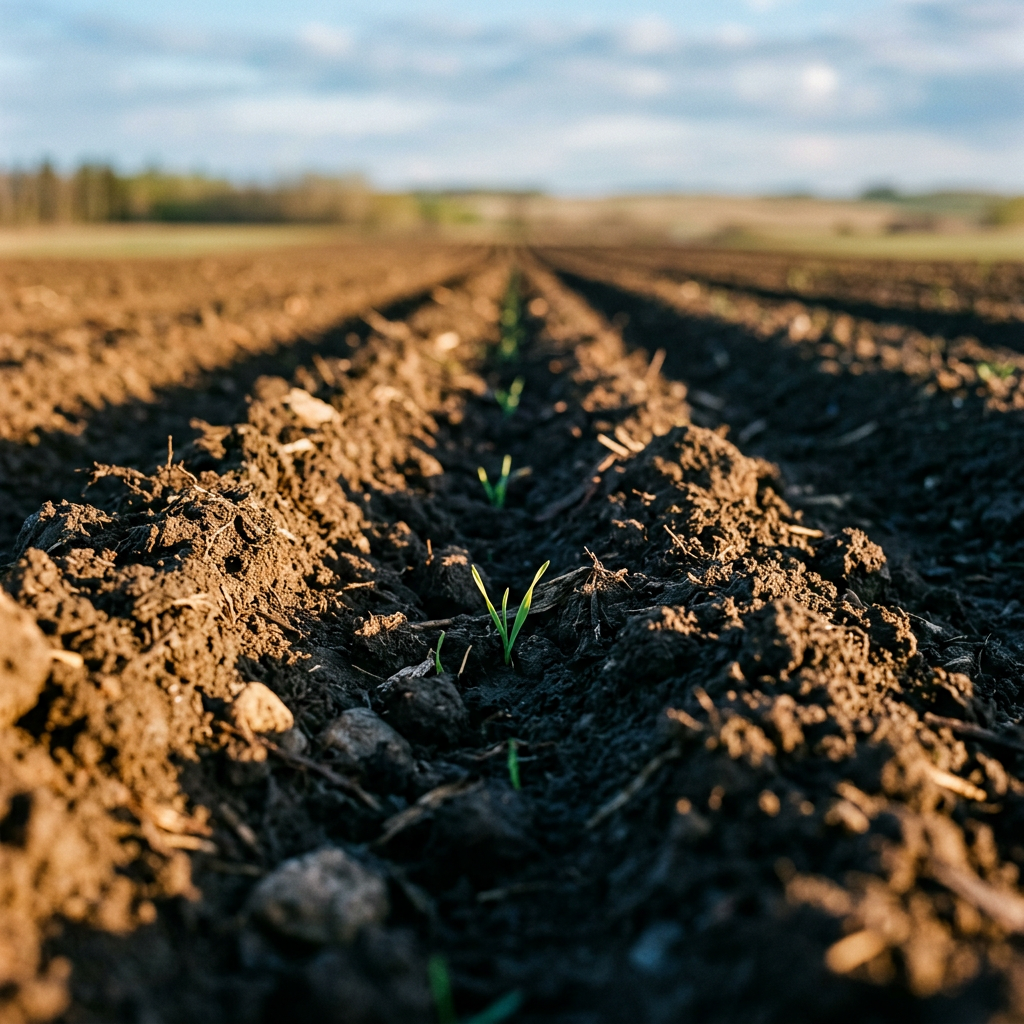
Farmland leasing in Canada has traditionally been a quiet, closed process. Landowners relied on word of mouth, called a neighbour, or worked through an informal network to find a tenant. Rental rates were negotiated privately, and whether the number was fair often depended entirely on who you knew and what they were willing to share. For a sector as economically significant as agricultural land rental, that approach left a lot of value on the table, and a lot of farmers locked out of opportunities they never even heard about.
Competitive bidding is changing that. By introducing transparent, market-driven pricing into the farmland rental process, it gives landowners a clear picture of what their land is actually worth and gives farmers a fair shot at the acreage they need to grow. This blog breaks down how the model works, why it matters for both sides of the transaction, and what the shift means for the broader Canadian farmland market.
The Problem with Traditional Farmland Leasing
Before exploring competitive bidding, it is worth understanding why the old model creates friction. Private negotiations sound simple in theory, but in practice they depend heavily on information asymmetry. Landowners often do not know the going rate in their area. Farmers often do not know which parcels are even available. The result is deals that satisfy no one fully and leave genuine market value undiscovered.
How Information Gaps Hurt Both Sides
The consequences of opaque leasing are not just financial. When landowners do not have access to real market data, they frequently underprice their land for years, often out of loyalty to a long-term tenant rather than informed decision-making. Farmers, on the other hand, may overpay simply because they have no comparison point or may miss out on better parcels entirely because listings were never publicly accessible. Understanding farmland rental rates in Canada and what drives them is the first step toward solving this problem.
Why Private Negotiations Often Fall Short
Private negotiations also lack accountability. Without a structured process, disputes over terms, expectations about land use, and landowner rights can all become sources of conflict later. The handshake deal that felt easy at signing often becomes complicated at renewal, especially when land values have shifted and neither party has objective data to anchor the conversation.
The Scale of the Problem Across Canada
This is not a minor issue. Canada has millions of acres of farmland actively leased across provinces from Ontario to Saskatchewan to Alberta. According to Farm Credit Canada's 2024 farmland rental rate data, rental rates vary enormously by region and soil class, yet many landowners and farmers are still setting prices without access to that kind of structured market intelligence. The gap between what is happening in the market and what individual parties know is wide enough to drive a combine through.
How Competitive Bidding Works in a Farmland Leasing Context
Competitive bidding for farmland rentals follows a straightforward principle. Instead of a landowner approaching one farmer directly and negotiating a rate behind closed doors, the property is listed on a platform where multiple qualified farmers can submit bids. The rental rate that emerges is not a guess or a favour, it is a direct reflection of real demand from real operators who know what the land is worth to their operation.
The Mechanics of a Live Online Rental Auction
A live online rental auction typically unfolds in a defined sequence. The landowner lists the property with relevant details such as acreage, soil quality, drainage, and crop history. Verified farmers review the listing and submit competitive bids within the auction window. The landowner can monitor bids in real time as the auction progresses and ultimately selects the winning bid when the process closes. This is the model that platforms built around competitive farmland bidding use to bring market efficiency into a process that was previously opaque.
What makes this different from a standard tender process is transparency and speed. Because bids are submitted through a structured digital system, every participant operates from the same information. No one party has a back-channel advantage, and the landowner is not relying on guesswork to determine whether they accepted a fair offer.
Verified Listings and Farmer Vetting
The integrity of the competitive bidding model depends entirely on who is participating. A marketplace that allows unverified accounts to submit bids is not meaningfully different from a random online forum. Farmland auctions that work well require both the properties listed and the farmers bidding to be properly vetted before the process begins. Verified farmland listings ensure landowners are presenting real, accurate parcels, while verified farmers give landowners confidence that the winning bidder is a legitimate, creditworthy operator who can actually fulfil the lease terms.
From Winning Bid to Signed Lease
One of the practical advantages of a digital competitive bidding platform is what happens after the auction closes. In a traditional private negotiation, landing on a number is often just the beginning of a long back-and-forth over terms. A well-structured farmland lease agreement should address permitted crops, soil management expectations, liability, renewal terms, and payment schedules. When platforms automate lease generation based on answers provided at listing, that documentation process becomes significantly faster and less prone to oversight or misunderstanding.
Benefits for Landowners: More Than Just a Higher Rate
The most obvious benefit of competitive bidding for a landowner is that market competition naturally pushes rental rates toward their true value. But the advantages go beyond the headline number. The entire leasing experience becomes cleaner, more documented, and less dependent on personal relationships that may or may not serve the landowner's financial interests.
Market-Driven Pricing Replaces Guesswork
When a landowner lists on a farmland rental marketplace, the bids they receive represent what farmers in their area genuinely believe the land is worth for the coming season. That is real market intelligence. It also creates a documented record of what the land has historically rented for, which is useful for tax purposes, estate planning, and future negotiation anchoring. The FCC farmland rental price agreement framework offers useful context for understanding how rental pricing is structured provincially, and combining that knowledge with live bidding data gives landowners a meaningful edge.
Broader Access to Qualified Farmers
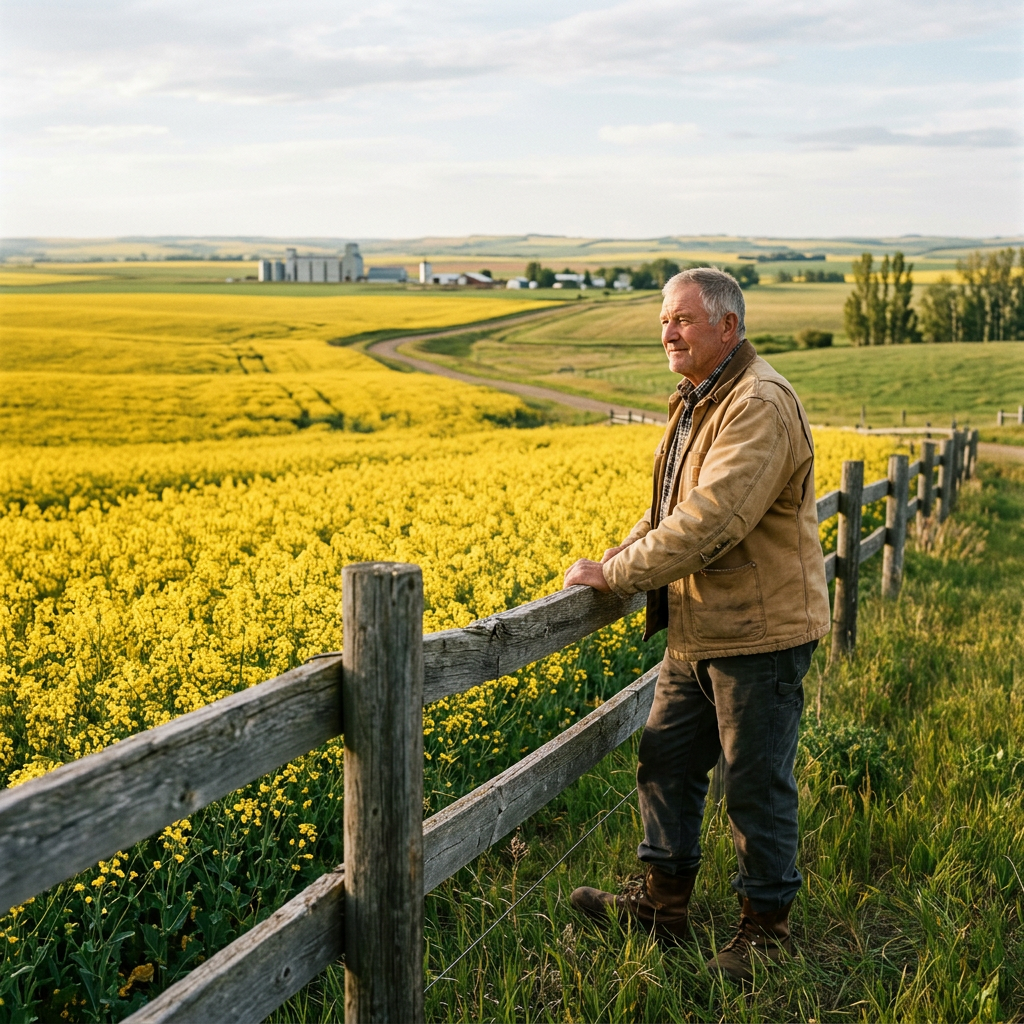
Private networks limit landowner options to whoever happens to be in their immediate circle. A digital leasing platform expands that reach to any verified farmer who is actively looking for acreage in the region. For landowners in areas where succession is a real concern, the ability to attract multiple qualified operators, rather than defaulting to whoever is nearest, can make a meaningful difference in long-term land management outcomes. Landowners who want to understand their full range of options can explore what a dedicated landowner portal makes possible in terms of listing, monitoring bids, and managing lease documentation.
End-to-End Process Clarity
Competitive bidding platforms also reduce the administrative burden that comes with leasing farmland privately. Payment tracking, lease documentation, renewal scheduling, and communication records can all be centralised in one place. That kind of operational clarity is especially valuable for absentee landowners, estate managers, or investment funds holding agricultural land assets who need accountability and documentation throughout the lease lifecycle.
Benefits for Farmers: Fair Access and Transparent Competition
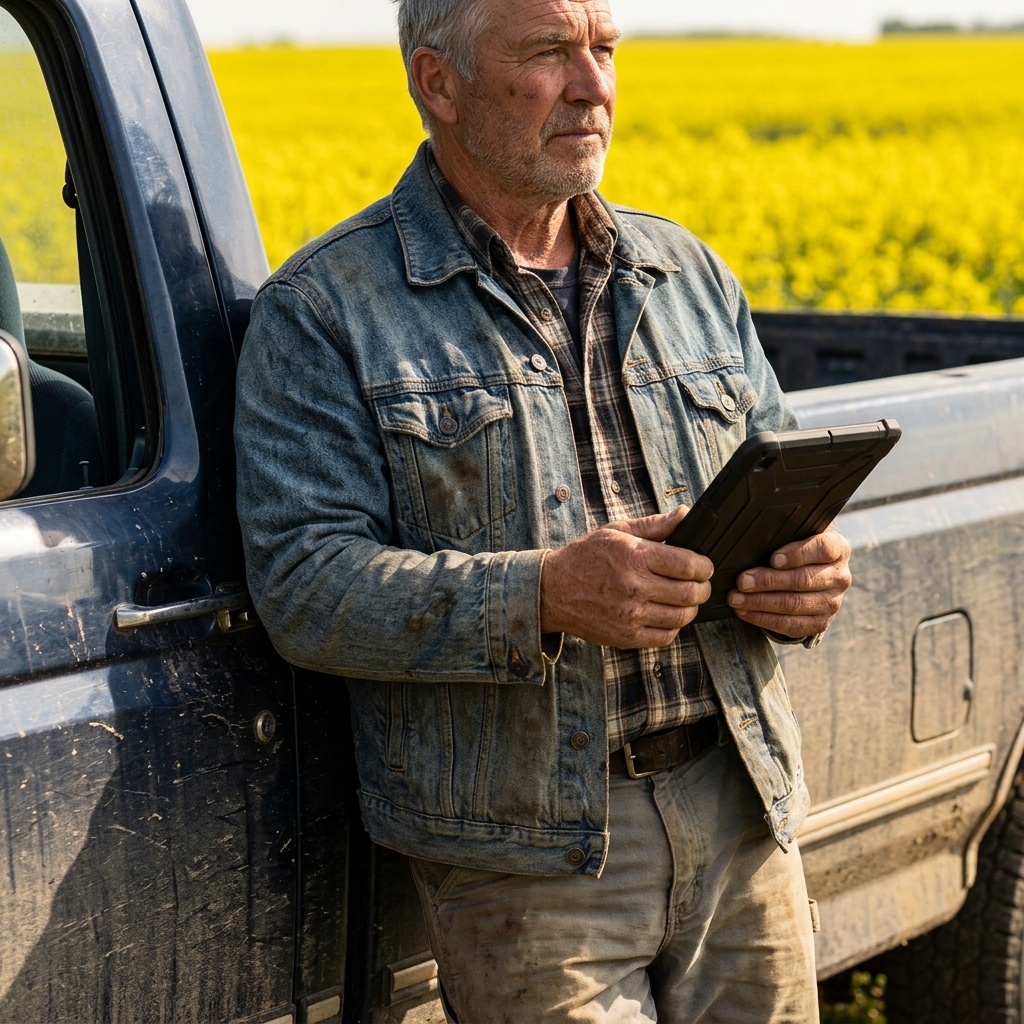
Farmers have historically been the more disadvantaged party in private farmland leasing. The landowner holds the asset and typically controls access to information about what is available. Competitive bidding flips some of that dynamic by making listings visible and the process transparent. Farmers who participate in an online farmland marketplace gain access to parcels they would never have known about through traditional channels.
A Level Playing Field for Every Bid
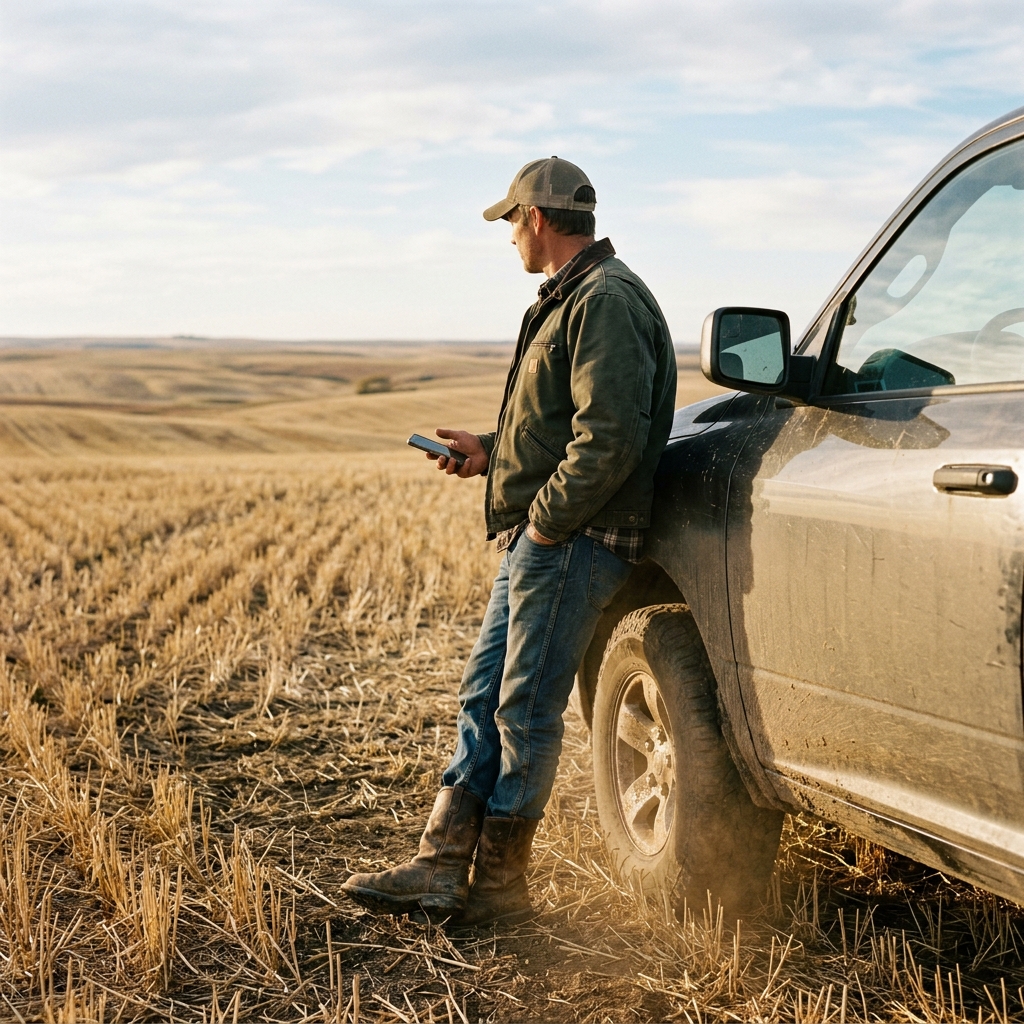
When multiple farmers can see the same listing and submit their bids based on the same information, the process rewards preparation and genuine demand rather than relationships and proximity. A younger farmer or a new entrant to a region is no longer at an automatic disadvantage simply because they have not been farming there for decades. The winning bid reflects what the land is worth to that operator's specific business, not who they happen to know. Farmers looking to navigate this process can find resources through a dedicated farmer portal that walks through how to participate in active auctions.
Knowing What You Are Bidding On
Detailed, verified listings also give farmers better information before they commit to a bid. Soil classification, drainage infrastructure, historical cropping, and parcel boundaries are the kinds of data that a farmer needs to calculate a realistic return before entering a bid. Guessing on any of these details can mean the difference between a profitable lease and one that costs more than it returns. Access to active farmland auctions allows farmers to review full listing details before placing any bid.
Can Farmers Actually Afford to Bid Competitively?
This is a practical concern worth addressing directly. Competitive bidding does not necessarily mean runaway prices. It means prices reflect reality. In many cases, particularly where land has been underpriced for years through informal arrangements, the market rate revealed by bidding is simply the fair rate. Agriculture and Agri-Food Canada's agricultural land use data shows that land use productivity varies significantly by region, and a farmer bidding on land they understand well can price accordingly. The risk of overbidding is real, but it is also a discipline that encourages farmers to know their numbers before entering any lease negotiation.
What This Means for the Canadian Farmland Market
The shift toward competitive bidding is not just a process improvement for individual transactions. It represents a structural change in how farmland for lease in Canada is priced and accessed across the country. As more landowners and farmers move toward transparent digital platforms, aggregate market data becomes richer and more reliable, which benefits everyone operating in the sector.
Provincial Markets and Regional Differences
The competitive bidding model is equally relevant across Canada's major agricultural regions, though each presents its own dynamics. The Saskatchewan farmland rental market operates on a large scale with significant acreage blocks changing hands annually. The Alberta agricultural land lease market carries its own soil class variation and water access considerations. Ontario farmland comes with some of the highest per-acre values in the country. A transparent bidding platform that surfaces real demand in each of these markets gives both landowners and farmers better data than any informal network could provide. Readers who want to understand how digital farmland leasing platforms work across these regions will find that the core mechanics are consistent even when regional rates differ substantially.
Long-Term Impact on Farmland Valuation
There is also a longer-term valuation argument. When rental rates are determined by genuine market competition rather than private negotiation, the resulting data informs farmland purchase pricing, appraisals, and lending decisions. The connection between rental rates and land values is well-documented, and a more transparent rental market makes the entire farmland investment ecosystem more efficient. Understanding the difference between leasing and buying, and when each makes sense, is worth exploring in depth. A clear comparison of digital leasing versus traditional methods helps contextualise why the industry is moving in this direction.
Conclusion
Competitive bidding is not a radical disruption of farmland leasing so much as it is a long-overdue correction. By replacing informal negotiations with transparent, market-driven processes, it gives landowners a clearer sense of what their land is worth and gives farmers fair access to the acreage they need. The benefits are practical, the mechanics are straightforward, and the data that emerges from open bidding strengthens the entire Canadian agricultural land market over time. Whether you are a landowner tired of guessing at rates or a farmer looking for a fair shot at the right parcel, the shift toward competitive digital leasing is worth understanding and worth using. Land4Rent is one platform built specifically around this model, offering end-to-end farmland leasing from verified listings and live auctions through to signed agreements and tracked payments.
Ready to see how competitive bidding can work for your land or your operation? Explore active listings and auctions on Land4Rent today.
Frequently Asked Questions (FAQs)
How does farmland leasing work in Canada?
Farmland leasing in Canada involves a landowner granting a farmer the right to use their land for a defined period in exchange for rental payments. The terms are set out in a lease agreement that typically covers permitted use, payment schedule, and duration.
Can I rent farmland online in Canada?
Yes. Digital platforms now allow landowners to list parcels and farmers to browse and bid on available land entirely online. This makes the process faster and more accessible than traditional private negotiations.
How are farmland rental rates determined?
Farmland rental rates in Canada are influenced by soil quality, crop productivity, regional demand, and proximity to markets. Competitive bidding platforms allow these factors to be reflected in real market pricing rather than estimates.
What is included in a farmland lease agreement?
A farmland lease agreement typically covers the lease term, rental rate, permitted crops or land use, maintenance responsibilities, renewal conditions, and what happens in the event of default or early termination.
Can farmers bid on farmland rentals?
Yes. On competitive bidding platforms, verified farmers can submit bids on listed parcels within a defined auction window. The landowner reviews all bids and selects the one that best meets their expectations.
What is the average farmland rental rate in Canada?
Average farmland rental rates vary significantly by province and soil class. Saskatchewan, Alberta, and Ontario each have distinct rate ranges, and rates have been rising in recent years alongside land values.
What is an online farmland marketplace?
An online farmland marketplace is a digital platform where landowners list parcels available for lease and farmers can browse, research, and bid on those listings. It replaces informal networks with a structured, transparent process.
How do I lease land for farming in Canada?
To lease land for farming, a farmer typically identifies available parcels through a listing platform or personal network, negotiates or bids on terms, and signs a formal lease agreement before taking possession of the land.
Is farmland leasing profitable for landowners in Saskatchewan?
Farmland leasing in Saskatchewan can be profitable, particularly where competitive bidding surfaces the true market rate for high-quality agricultural land. Returns depend on soil class, crop demand, and local rental market conditions.
What is the best way to rent farmland in Canada versus private negotiation?
Using a structured digital platform with verified listings and competitive bidding generally produces better outcomes than private negotiation for both sides. Landowners receive market-driven rates, and farmers gain fair access to parcels that would otherwise be invisible to them.

.png)


.svg)


.svg)