%20(1).svg)

.svg)

Introduction
Land stewardship and farmland leasing are two ideas Canadian landowners tend to think about separately. One is about caring for the soil and long-term health of a property; the other is about generating rental income. In practice, though, every lease agreement is a stewardship decision. The tenant who works the land for three, five, or ten years will shape the soil structure, nutrient balance, and drainage patterns that determine what that property is worth when the lease expires. Across Ontario, Saskatchewan, and Alberta, rising farmland values have made this overlap impossible to ignore, because a poorly managed lease can quietly erode the very asset a landowner is trying to grow.
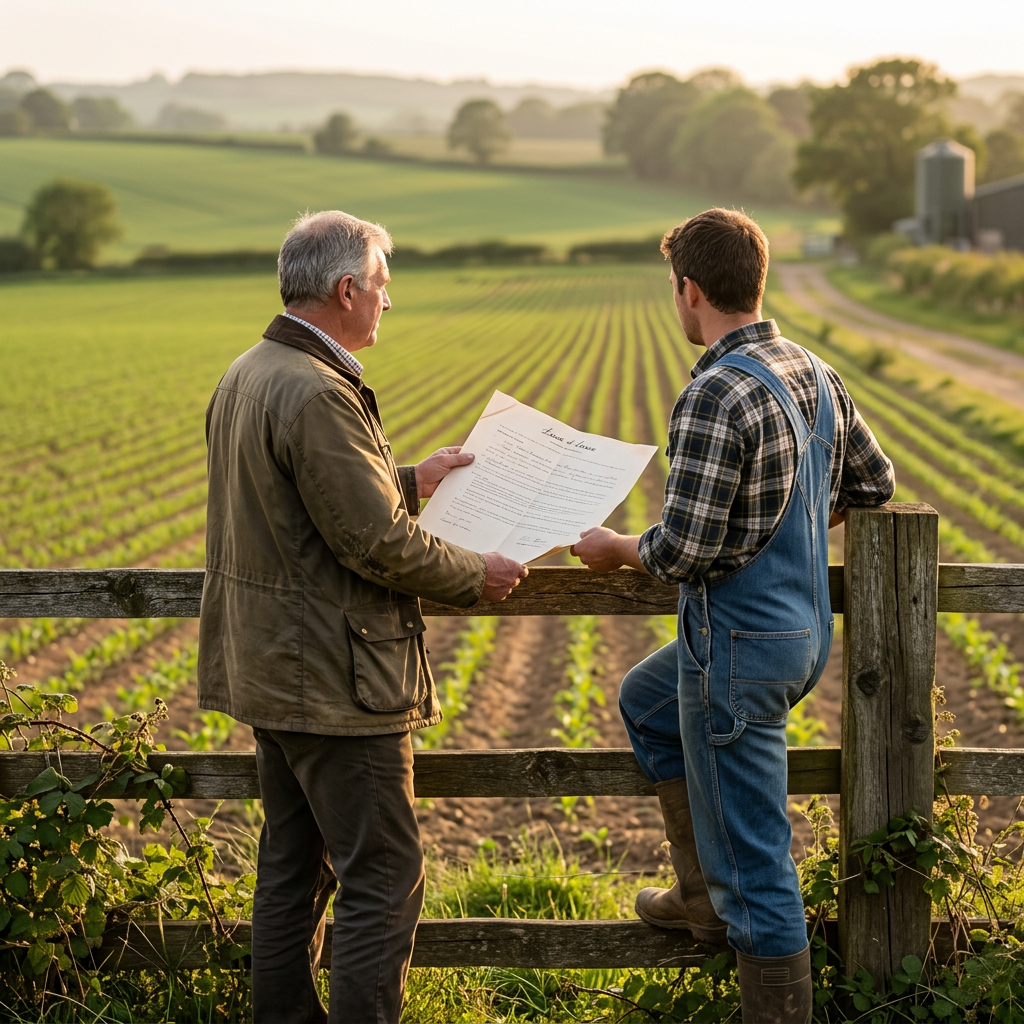
Why Land Stewardship Matters in Every Farmland Lease
When a landowner signs a lease, they are handing over day-to-day control of an asset that took decades (or generations) to build. Soil quality, crop rotation history, drainage infrastructure, and even fence lines all fall under the tenant's operational influence. Treating farmland leasing as a purely financial transaction overlooks the reality that agricultural land management decisions made by a tenant will either strengthen or weaken the property's long-term value.
What Responsible Stewardship Looks Like on Leased Land
A land steward who rents farmland in Canada operates with accountability that goes beyond simply paying rent on time. Responsible tenants treat the property as if it were their own, following proven soil management practices that maintain or improve organic matter levels, prevent erosion, and support long-term yield potential.
Crop Rotation Discipline: Alternating crops season to season to prevent nutrient depletion and break pest cycles
Erosion Control: Maintaining buffer strips, grassed waterways, and contour farming on vulnerable slopes
Soil Testing: Conducting regular soil tests and adjusting fertilizer application based on actual nutrient profiles rather than guesswork
Infrastructure Maintenance: Keeping drainage tiles, fences, and access roads in working condition throughout the lease term
Record Keeping: Documenting field activities, inputs, and yields so the landowner can track the property's trajectory over time
The Financial Cost of Poor Stewardship
Poor stewardship does not always look dramatic. Sometimes it shows up as a tenant who plants the same high-value cash crop year after year without rotation, gradually stripping the soil of nitrogen and organic matter. In Saskatchewan, where farmland values have increased substantially over the past decade, that kind of degradation can translate into tens of thousands of dollars in lost land value. Ontario landowners face similar risks when tenants neglect tile drainage systems or compact soils with heavy equipment during wet conditions.
The real danger is that soil degradation is often invisible until it becomes expensive. A field that looks fine from the road may be losing topsoil at a rate that will cut yields by 15 to 20 percent within a few seasons. By the time the landowner notices, reversing the damage requires significant capital investment in remediation, cover cropping, and rest periods. The earlier stewardship is built into the lease relationship, the lower the risk of this outcome.
Building Stewardship Into Your Lease Agreement
A handshake deal with a neighbour might have worked two decades ago, but sustainable land management requires structure. The lease agreement is the primary tool landowners have to protect their property while it is under someone else's operational control. Getting the terms right from the start is far easier than trying to enforce standards after a tenant is already established on the land.
Lease Terms That Protect Soil and Income Together
The most effective land lease agreements go beyond rent amount and payment schedule. They include specific clauses addressing how the land will be farmed, what practices are required, and what happens if the tenant fails to meet those standards. In Alberta, for example, landowners are increasingly specifying minimum crop rotation requirements, restrictions on fall tillage on erosion-prone parcels, and mandatory soil management duties as binding lease conditions.
A well-structured agreement also addresses end-of-lease conditions. What soil quality benchmarks should be met when the tenant hands the land back? Are there penalties for leaving drainage systems in disrepair? According to Ontario's agricultural soil health strategy, conservation practices tied to lease terms are one of the most practical ways to maintain soil productivity on rented land. Landowners who include these provisions in writing avoid the ambiguity that leads to disputes and degradation.
Selecting Tenants Who Share Your Stewardship Values
Lease terms only matter if the person signing them intends to follow through. Tenant selection is arguably the most important farmland asset management decision a landowner makes. A verified, experienced farmer with a track record of responsible field management will outperform a higher bidder who treats leased acres as disposable. Checking references, reviewing a prospective tenant's soil responsibilities track record, and even visiting land they currently operate can reveal far more than a rental rate alone.
This is where platforms designed specifically for transparent farmland leasing become valuable. Land4Rent verifies both landowners and farmers before they participate in its leasing marketplace, which adds a layer of accountability that private negotiations rarely provide. When a tenant knows their reputation is visible on a platform used by other landowners, the incentive to maintain high standards increases significantly.
Balancing Productivity and Income Across Provinces
Farmland leasing dynamics vary considerably across Canadian provinces, and what constitutes good stewardship looks different depending on soil type, climate, and local agricultural economies. A one-size-fits-all approach does not work. Landowners need to understand regional conditions and tailor their lease structures accordingly.
Provincial Considerations for Farmland Owners
In Ontario, the pressure on agricultural land comes from both urban encroachment and intensive farming practices. Landowners renting farmland in the province need lease terms that specifically address tile drainage maintenance, nutrient management plans, and compliance with provincial environmental regulations. The competition for good acreage means that understanding how leasing works from the start puts landowners in a much stronger negotiating position.
Saskatchewan presents a different set of considerations. Large-scale grain operations dominate the landscape, and farmland leasing in Saskatchewan often involves multi-section parcels where soil conservation practices like reduced tillage and stubble management are critical to preventing wind erosion on exposed prairie soils. Alberta landowners, meanwhile, deal with variable moisture zones and the challenge of managing grazing leases alongside crop leases on mixed-use properties.
Long-Term Thinking as a Competitive Advantage
Landowners who approach leasing with a multi-year stewardship lens tend to attract better tenants, negotiate more stable agreements, and preserve higher land values over time. A farmer who knows their lease will be renewed based on performance rather than simply the highest bid is more likely to invest in the long-term health of the property. This creates a positive cycle where good stewardship leads to higher yields, which supports strong rental rates, which justifies continued investment in lease agreements that protect long-term rental income.
Land4Rent's auction-based system supports this approach by giving landowners market-driven pricing while still allowing them to evaluate tenants based on qualifications, not just dollar amounts. The result is a leasing process where both parties benefit from transparency and where the land itself is treated as the long-term asset it truly is.
Conclusion
Farmland leasing and land stewardship are not competing priorities; they are two sides of the same coin. Every lease term, every tenant selection decision, and every soil management clause directly shapes both the income a property generates today and the value it holds tomorrow. Canadian landowners who treat leasing as a stewardship strategy, not just a revenue stream, protect their investment in a way that no insurance policy or financial hedge can replicate. The combination of clear lease structures, verified tenants, and province-specific stewardship standards creates a framework that works for both the landowner's bottom line and the land itself.
Start building a smarter leasing strategy today. Visit Land4Rent to connect with verified farmers and create lease agreements that protect your land and your income.
Frequently Asked Questions (FAQs)
What is land stewardship?
Land stewardship is the responsible management of agricultural land to maintain or improve soil health, prevent erosion, and preserve the property's long-term productive capacity.
Why is land stewardship important for farmland leasing?
Stewardship matters because a tenant's farming practices during the lease term directly affect soil quality, future yields, and the overall market value of the property.
How do I lease farmland in Canada?
Leasing farmland typically involves listing the property, selecting a qualified tenant, negotiating terms, and signing a legally binding lease agreement that outlines rent, duration, and land care responsibilities.
What should be in a farm lease agreement?
A strong farm lease agreement should include rental rate, payment schedule, lease duration, crop rotation requirements, soil management obligations, infrastructure maintenance duties, and end-of-lease condition benchmarks.
Is farmland leasing worth it in Ontario?
Farmland leasing in Ontario can be highly worthwhile, as strong demand for productive acreage and rising land values make well-structured leases a reliable source of passive income while preserving the property's long-term value.


.png)



.svg)


.svg)