%20(1).svg)

.svg)

Introduction
Deciding to lease rural land sounds straightforward until the details start piling up. Unlike renting a house or condo, a rural property lease involves layered decisions around land use permissions, soil health, tenant qualifications, and region-specific market rates that most first-time landowners never anticipate. In Canada alone, farmland rental dynamics shift dramatically between provinces, crop types, and even individual townships, making a one-size-fits-all approach almost guaranteed to underperform. Rural land rental is not just a transaction; it is an ongoing relationship between the owner, the tenant, and the land itself. The gap between what owners assume the process requires and what it actually demands is where most preventable mistakes happen.

Where Landowners Underestimate the Complexity
Most owners enter the agricultural property lease process with a rough number in mind for annual rent and little else. The reality is that successful farmland leasing depends on a web of interconnected decisions made well before a single tenant inquiry arrives. Getting these early decisions right determines whether you attract responsible, long-term farmers or cycle through tenants who leave your soil depleted and your income unpredictable.
Common Gaps in Early Planning
Several critical planning steps get skipped because landowners either don't know they exist or assume they can be handled informally later. These gaps tend to surface months into a lease when correcting them becomes expensive or legally complicated. Understanding them up front saves both money and relationships.
Market rate research: Many owners set rental rates based on word-of-mouth rather than current regional data, often leaving significant income on the table or pricing themselves out of the local market.
Land use definitions: Failing to specify what crops, practices, or equipment are permitted creates disputes that a single paragraph in the lease could have prevented.
Maintenance obligations: Without clear terms about who maintains drainage, fencing, and access roads, both parties assume the other is responsible.
Lease duration alignment: Short-term leases discourage tenants from investing in soil health, while overly long terms can lock owners into below-market rates during periods of rising land values.
Insurance requirements: Many landowners discover too late that their existing property insurance does not cover commercial agricultural use by a third party, creating significant liability exposure.
Why Private Negotiations Often Fall Short
The farmland leasing vs private negotiation debate comes down to transparency. When landowners negotiate directly with a single prospective tenant, they lose the price discovery that comes from competitive interest. There is no benchmark, no comparison, and often no documentation beyond a handshake. This is especially problematic for owners who are new to renting out their land and lack the frame of reference to evaluate whether an offer is fair. Structured platforms and auction-based systems introduce the market transparency that private deals inherently lack, giving owners data-driven confidence in the rates they accept.
Building a Lease Framework That Protects Your Land and Income
A well-structured lease is the single most important tool a rural landowner has. It is not just a contract; it is the operating manual for how your land will be used, maintained, and returned to you. Owners who invest time in building a thorough lease framework before listing their property consistently attract better tenants and experience fewer disputes over the life of the agreement.
Defining Clear and Enforceable Lease Terms
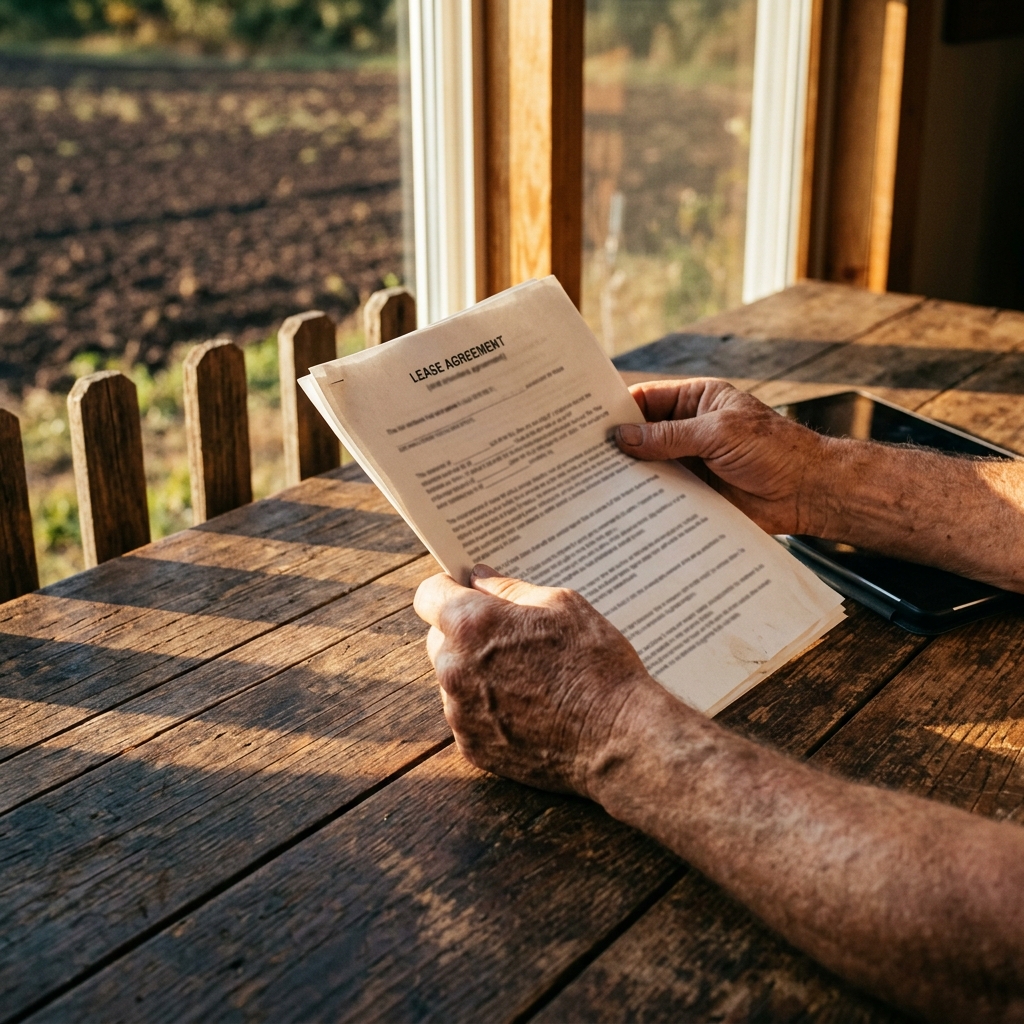
Farmland lease terms need to go beyond the rent amount and duration. Effective agreements specify crop rotation expectations, chemical application limits, soil testing schedules, and procedures for resolving disagreements. They should also address what happens at lease termination, including the condition the land must be returned in and the timeline for vacating. Owners leasing farmland for lease in Ontario face different regulatory considerations than those in Alberta, where provincial guidelines around water rights and surface access can materially affect lease language.
A useful starting point is consulting province-specific templates and guides. Resources like the Farmland Access Agreement Guide provide frameworks that account for the nuances of Canadian agricultural leasing. Even experienced owners benefit from reviewing these documents before each new lease cycle, as regulations and best practices evolve. The goal is to create a lease that a reasonable person on either side would consider fair, specific, and enforceable. Ambiguity in any clause is an invitation for conflict.
Soil Stewardship as a Lease Provision
One of the most overlooked elements of rural property management is building soil stewardship directly into the lease. Land that is farmed aggressively without conservation practices loses topsoil, organic matter, and long-term productivity. This erosion in land quality translates directly into erosion of your asset's value. Requiring soil testing at the start and end of each lease term creates an objective baseline. Conservation tillage requirements, cover crop clauses, and restrictions on certain herbicide applications are not micromanagement; they are asset protection.
Owners who treat their land as a depreciating commodity by leasing it without conditions tend to see declining rental rates over time as the land's productive capacity diminishes. Provincial soil management guidelines from organizations like agricultural resource authorities offer practical language that can be adapted into lease clauses. Responsible tenants actually prefer working with owners who care about land health, because it signals that the relationship is built on long-term expectations rather than short-term extraction.
Making the Process Work in Practice
Planning is only valuable if it translates into a smooth, repeatable leasing process. Many landowners do the research, draft a solid lease, and then struggle with finding tenants, verifying their credentials, or managing payments. The operational side of farm land rental is where the process either flows or breaks down.
Tenant Vetting and Verified Listings
Attracting the right tenant starts with making your listing visible to the right audience. Posting a vague ad in a local classifieds section reaches a narrow pool and provides no way to verify who responds. Verified farmland listings on dedicated platforms solve both problems simultaneously. They put your property in front of active, qualified farmers while ensuring that the people bidding on your land have been vetted for legitimacy. Land4Rent operates exactly this way, verifying both landowners and tenants before they transact on the platform, which removes the guesswork that makes private deals risky.
Vetting goes beyond confirming identity. It means understanding a prospective tenant's farming history, their equipment capabilities, their financial stability, and their approach to land care. Owners who skip this step because they "know" the local farming community often discover that familiarity is not the same as due diligence. A structured vetting process protects against default, property damage, and the expensive vacancy periods that follow a bad tenancy.
Using Technology to Reduce Friction
The best farmland leasing platforms in Canada have moved well beyond simple listing boards. Modern tools handle auction-based price discovery, automated lease generation, and secure payment tracking in a single workflow. This matters because each manual step in a traditional leasing process is a point where errors, delays, or miscommunications can enter. When lease agreements are generated from standardized templates that adapt to your answers, you get consistent legal terms without starting from scratch each time. When payments are tracked digitally, both parties have a clear record that eliminates disputes over what was paid and when.
Land4Rent's auction system is a practical example of how transparent agricultural leasing replaces guesswork with real market signals. Instead of accepting the first offer that comes along, landowners see competitive bids from verified farmers, which means the final rate reflects genuine demand for their specific parcel. For owners managing multiple parcels or leasing agricultural land in Alberta and Ontario simultaneously, this kind of centralized platform eliminates the chaos of managing separate negotiations for each property.
Conclusion
Rural property leasing rewards preparation and punishes assumptions. The owners who achieve stable income and maintain their land's long-term value are the ones who invest in clear lease terms, rigorous tenant vetting, regional market research, and soil stewardship provisions before they list. Treating the process as a structured workflow rather than a casual arrangement is what separates profitable leasing from costly lessons. Whether you own a single quarter section or manage a portfolio of parcels across provinces, the planning framework remains the same: define your terms, verify your tenants, and use tools that bring transparency to every stage of the transaction.
Start listing your farmland on Land4Rent to connect with verified farmers and simplify your leasing process from listing to payment.
Frequently Asked Questions (FAQs)
What documents are needed for farm leasing?
A legally binding lease agreement, proof of land ownership, a current land survey or legal description, liability insurance documentation, and any applicable provincial permits are typically required before finalizing a farm lease.
How to lease farmland in Canada?
Leasing farmland in Canada involves researching regional rental rates, preparing a detailed lease agreement that covers land use and maintenance terms, vetting prospective tenants, and listing the property on a verified platform or through a local agricultural network.
What makes a reliable farmland marketplace?
A reliable farmland marketplace verifies both landowner and tenant identities, provides transparent pricing through competitive bidding or published rate data, offers standardized lease generation tools, and manages secure payment tracking within the platform.
Farmland leasing vs private negotiation: which is better?
Platform-based leasing generally outperforms private negotiation because it introduces competitive pricing, verified participants, and documented terms, whereas private deals rely on trust without built-in safeguards or market benchmarks.
How does a farmland rental auction work for rural land?
In a farmland rental auction, a landowner lists their property on a platform where verified farmers submit competitive bids over a set period, and the final rental rate is determined by genuine market demand rather than a single negotiated figure.

.png)


.svg)


.svg)