%20(1).svg)

.svg)

Introduction
Farmland leasing should be one of the more straightforward ways for Canadian landowners to generate consistent, long-term rental income from an appreciating asset. In practice, though, a surprising number of landowners quietly give up significant returns each year through avoidable errors in how they structure, price, and manage their leases. These are not dramatic failures but gradual ones, where weak lease terms, unverified tenants, and outdated rate-setting erode income season after season. The gap between what a leased property earns and what it could earn is almost always a structural problem, not a market one.
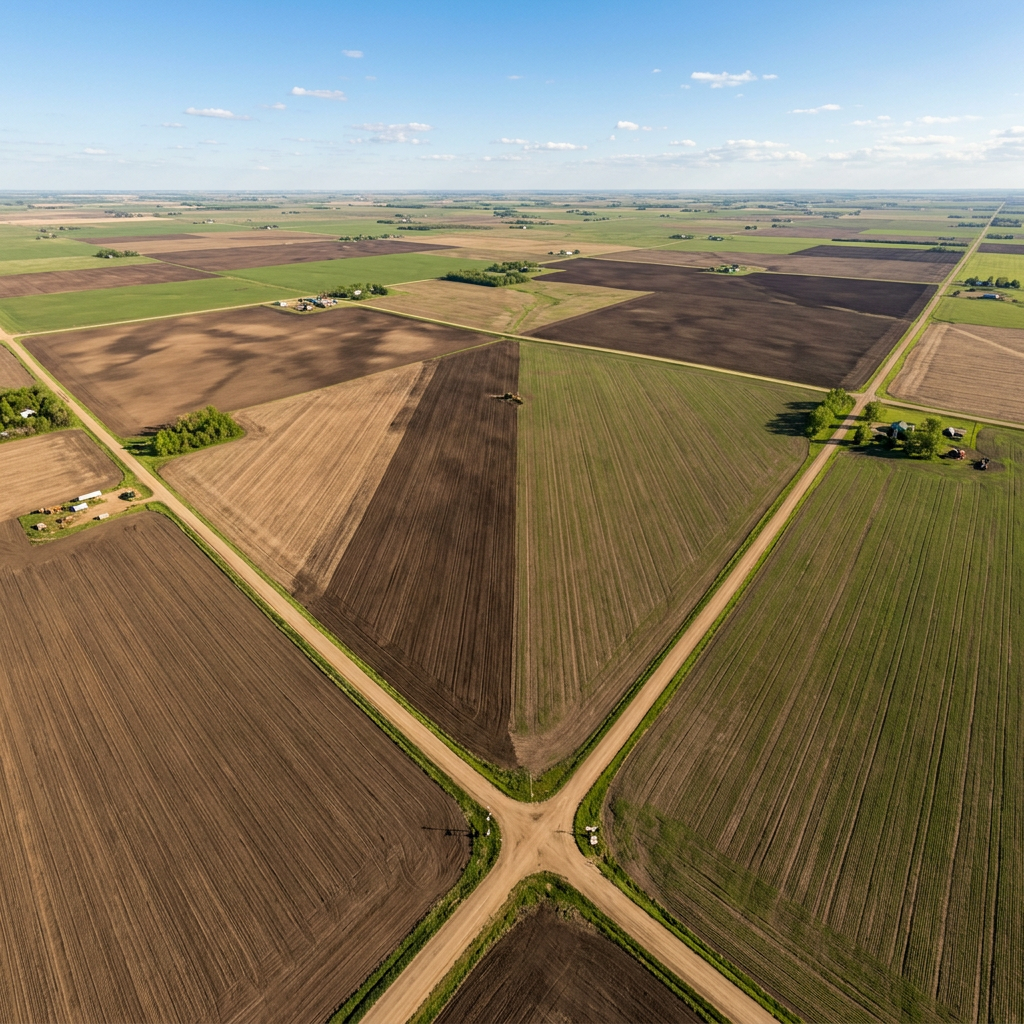
How Lease Structure Shapes What You Actually Earn
The financial outcome of any agricultural land lease is largely determined before the first rent payment is ever made. Lease structure governs how rates are set, how disputes are handled, and whether a landowner retains the ability to adjust terms as conditions change. Getting this foundation right is the single highest-leverage move available to landowners who want to protect and grow their income over time.
Setting Rates Without Market Data
One of the most common and costly mistakes in farmland leasing is pricing land based on habit, hearsay, or what a neighboring farmer suggests, rather than actual market data. Farmland rental rates in Canada vary significantly by region, soil productivity, crop type, and access to infrastructure. Landowners who rely on informal benchmarks often underprice their land by a meaningful margin, sometimes locking in below-market rates for multiple years through fixed-term leases with no adjustment clauses. Understanding current farmland rental rate trends across Canada is essential before signing any lease.
- Soil class: Higher-rated soils command premium rates and should be priced accordingly, not averaged against lower-quality parcels.
- Regional demand: Farmland rental rates in Ontario, Saskatchewan, and Alberta reflect distinct supply and demand pressures that generic pricing ignores.
- Crop suitability: Land that supports high-value crops like canola or corn typically earns more than land limited to hay or pasture.
- Competitive exposure: Rates set through private negotiation consistently lag behind rates established through open, competitive bidding.
- Annual adjustments: Leases without escalation clauses freeze income while input costs and land values continue to rise around them.
Writing Lease Agreements That Leave Gaps
A farmland lease agreement that reads clearly at signing can become a source of serious income loss if it fails to address what happens when circumstances change. Missing provisions around land use restrictions, maintenance responsibilities, subletting rights, and early termination give tenants flexibility that was never intended and leave landowners exposed. Farm lease agreements often fail in small details rather than big ones, and those gaps compound over a multi-year term. A lease that does not specify who is responsible for tile drainage maintenance, for example, can result in degraded land productivity by the time the term expires.
Tenant Selection and Its Long-Term Consequences
Who leases your land matters as much as what they pay for it. A tenant who underbids competitors by offering a slightly higher rate but manages the land poorly can reduce its productive capacity, create costly disputes, or damage relationships with neighboring operations. Tenant selection deserves the same rigor as any other financial decision tied to a long-term asset.
Skipping Tenant Verification
Landowners who lease to unverified tenants based on a brief conversation or a local referral are taking on more risk than they typically realize. Without a structured vetting process, there is no reliable way to assess whether a prospective tenant has the equipment, financial capacity, and farming practices needed to care for the land throughout the lease term. Screening agricultural tenants thoroughly before signing is a step that directly protects both income and land condition. Missed rent payments, unauthorized land use changes, and unresolved end-of-term disputes are all more likely when tenant verification is skipped at the start.
Platforms designed around farmland leasing transparency and structured tenant systems reduce this exposure significantly. When both parties are verified before any agreement is reached, the foundation of the leasing relationship is far more stable than what informal arrangements typically produce.
Prioritizing the Highest Bid Over the Best Tenant
Accepting the highest offer without evaluating the tenant behind it is a mistake that tends to surface mid-lease rather than at signing. A tenant who bids aggressively to secure acreage but lacks the cash flow to sustain payments through a difficult growing season creates a collections problem rather than a rental income stream. Agricultural lease decisions that quietly impact land value often trace back to this exact scenario. The strongest long-term income outcomes come from tenants with demonstrated farming histories, stable finances, and clean track records on previous leases, not simply the ones willing to pay the most upfront.
Structural and Administrative Errors That Quietly Cost Landowners
Beyond pricing and tenant selection, there is a category of mistakes that lives in the administrative layer of leasing, the processes (or lack of them) around payments, documentation, and lease renewal. These are the errors least likely to be noticed in year one but most likely to accumulate into real income loss by year five.
Managing Leases Without Documented Processes
Informal lease management, where payment tracking lives in a spreadsheet or on paper, and communications happen through text messages, creates gaps that are difficult to resolve if a dispute arises. Land lease agreements that actually protect long-term rental income are supported by systems that track payments, store documents, and create a clear record of every transaction and communication. Without that infrastructure, landowners often find themselves unable to enforce terms they never properly documented. Automated lease agreement generation removes much of this friction by producing legally consistent, customized agreements without requiring landowners to draft them from scratch.
Letting Leases Roll Over Without Renegotiation
When a lease expires, and a landowner simply allows it to continue on the same terms rather than renegotiating, they forfeit the opportunity to reset rates to current market levels, add updated land-use clauses, and reassess whether the tenant relationship is still the right one. Small lease details make a large difference in long-term returns, and renewal is the most direct opportunity landowners have to course-correct structural issues from the previous term. In a period when farmland leasing rates and crop-share structures have been shifting meaningfully year over year, allowing a lease to auto-renew at stale terms is a direct transfer of value from landowner to tenant.
Land4Rent addresses this pattern by giving landowners visibility into real-time bidding data so that renewal decisions are grounded in current market demand rather than assumptions about what the existing tenant is willing to pay. Competitive bid data removes the guesswork from rate-setting at every renewal cycle.
Conclusion
The most damaging land leasing mistakes are not dramatic one-time errors but quiet, structural ones that compound across lease terms. Underpricing without market data, signing agreements with gaps, skipping proper farmland leasing structure during tenant selection, and allowing leases to roll over unchallenged are all practices that reduce what a farmland asset can realistically earn over time. Correcting them requires better information, better documentation, and better processes at every stage of the leasing cycle. Landowners who treat their agricultural land lease as a managed financial asset rather than a passive arrangement consistently capture more value from the same acreage. For those ready to close the gap between what their land earns and what it should, understanding exactly where land leasing goes wrong is the right starting point.
Explore how Land4Rent connects verified landowners and farmers through competitive auctions, automated lease agreements, and transparent rental processes designed to protect long-term income.
Frequently Asked Questions (FAQs)
What mistakes reduce farmland lease income?
The most income-reducing mistakes include setting rates without current market data, writing lease agreements with missing provisions, skipping tenant verification, and allowing leases to renew at stale rates rather than renegotiating at market value.
How do poorly written lease agreements affect rental income?
A lease with gaps around land use, maintenance responsibilities, or termination rights gives tenants unintended flexibility that can lead to land degradation, payment disputes, and costly end-of-term conflicts that reduce both income and land productivity.
What is included in a farmland lease agreement?
A complete farmland lease agreement should cover rental rate and payment schedule, lease term and renewal conditions, permitted land use, maintenance obligations for both parties, subletting restrictions, and clear dispute resolution procedures.
How do farmland rental rates compare across Ontario and Alberta?
Farmland rental rates in Ontario tend to reflect high demand for productive cash crop acres near processing infrastructure, while Alberta rates vary more widely based on dryland versus irrigated acreage, with both provinces experiencing upward pressure in recent years driven by limited supply and strong farm income.
What lease terms lead to lower long-term returns?
Fixed-rate leases without escalation clauses, agreements that omit land use and maintenance terms, and leases granted without competitive bidding or tenant vetting consistently produce lower long-term returns than structured, market-tested alternatives.


.png)




.svg)


.svg)