%20(1).svg)

.svg)

Introduction
A land lease agreement is only as strong as the language inside it. Across Canada, landowners and farmers enter into farmland rental arrangements every season with good intentions, only to find themselves in disputes months or years later over terms nobody bothered to define. Vague contracts do not just create friction — they expose both parties to financial loss, broken relationships, and legal battles that could have been avoided entirely. Understanding where these agreements break down is the most practical thing a landowner or tenant can do before signing anything.
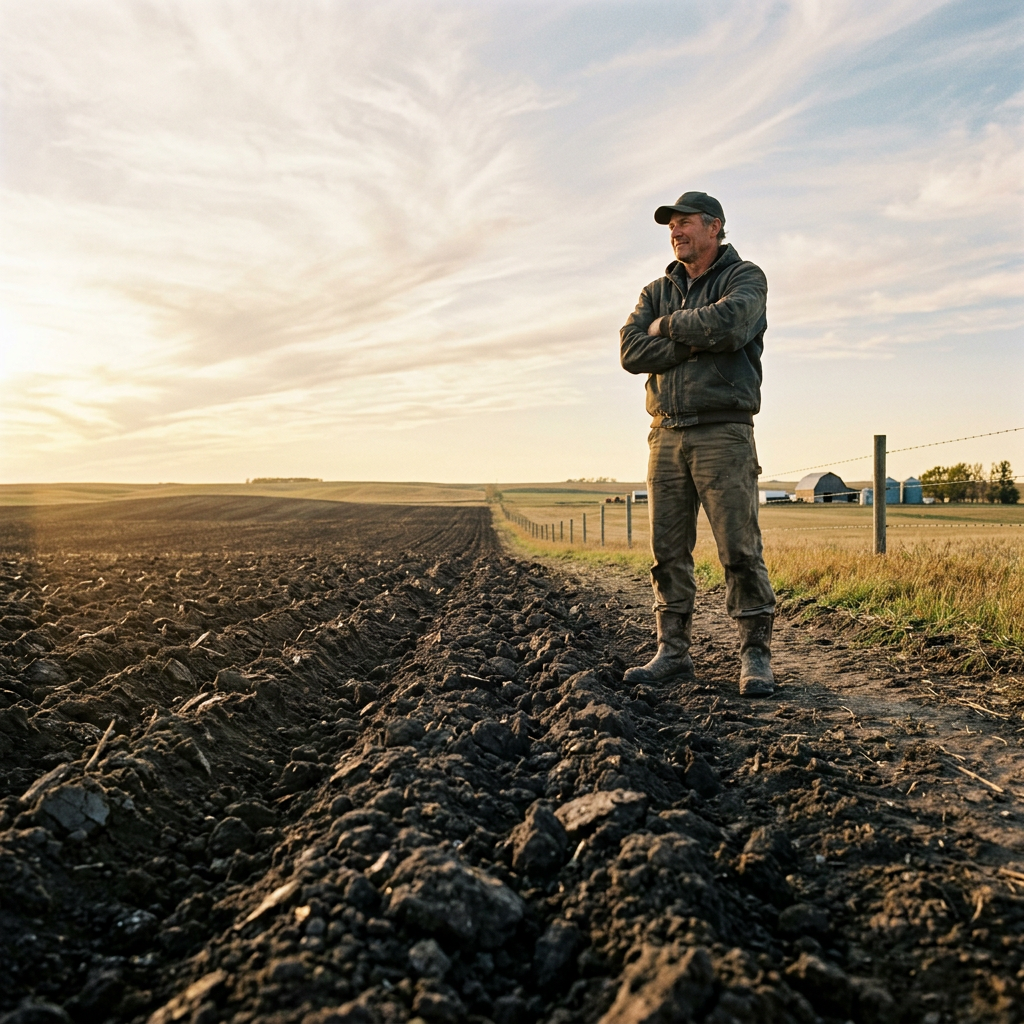
The Most Dangerous Gaps in Farmland Lease Agreements
The Most Dangerous Gaps in Farmland Lease Agreements
Most failed leases do not collapse because of dishonesty. They collapse because critical responsibilities were never written down. When a farmland lease agreement leaves key terms to verbal understanding or general assumptions, any change in circumstances — a drought, a sale, a disagreement about soil amendments — becomes a conflict waiting to happen.
What Happens When Payment Terms Are Vague
Payment structure is one of the first things that breaks down in poorly drafted leases. Many agreements simply state an annual rent figure without specifying when payment is due, how it is delivered, what happens if it is late, and whether adjustments are tied to commodity prices or fixed for the lease term. A fixed term lease agreement should address all of these variables explicitly so neither party is left interpreting what "payment by spring" actually means.
- Due dates: Specify exact calendar dates, not seasonal references that shift year to year.
- Payment method: Define whether payment is by cheque, bank transfer, or a digital platform with trackable records.
- Late payment penalties: Include a clear grace period and consequence structure to avoid ambiguity.
- Rent adjustment clauses: State whether rent is fixed or tied to an index, and how changes are communicated.
Undefined Land Use Conditions
A lease that does not specify how the land can be used invites disagreement about everything from crop rotation to drainage tile installation. In the farmland lease agreement Canada context, land use terms should cover permitted crops, soil amendment restrictions, chemical application rules, and whether the tenant may sublet or make structural improvements. Without these boundaries, a landowner may return to their property to find soil conditions dramatically different from what they expected.
Key Terms That Every Lease Agreement Needs
Key Terms That Every Lease Agreement Needs
Knowing what to include in a lease agreement contracts framework is not just a legal exercise — it is a practical one. Clear terms protect the landowner's asset, give the farmer confidence to invest in the land, and create a shared reference point when disputes arise.
Renewal Rights and Termination Clauses
One of the most overlooked sections in any agricultural lease agreement Ontario or elsewhere in Canada is the renewal and termination language. Farmers who invest in tiling, lime application, or multi-year crop plans need to know whether they have a right of first refusal when the lease expires. Landowners need to know how much notice they must give to exit or renegotiate. Without these terms, the end of a lease period becomes a confrontation rather than a conversation. Provincial rules vary, so understanding local land lease regulations is an important starting point.
Maintenance and Improvement Responsibilities
Who repairs the drainage tile when it fails? Who maintains the fences, the laneways, or the irrigation infrastructure? These questions seem obvious until they are not, and a farm lease agreement for landlords and tenants alike must assign responsibilities clearly. Ambiguity here does not just create disputes — it leads to deferred maintenance that degrades the land's long-term productivity and value. Responsibility assignments should be written with specific reference to each type of infrastructure present on the property.
Why Verbal and Informal Agreements Break Down
Why Verbal and Informal Agreements Break Down
Informal arrangements are common in agricultural communities, especially where long-standing trust exists between neighbors. But trust does not replace documentation, and a legally binding farm lease agreement is the only instrument that holds up when circumstances change. A handshake deal has no enforceable mechanism when one party sells their property, passes away, or simply remembers the terms differently.
The Lease Agreement vs Rental Agreement Question
Some landowners treat a lease agreement vs rental agreement for farmland as the same thing, but there are meaningful differences. A rental agreement is typically month-to-month, providing flexibility but little security. A lease agreement establishes a defined term, fixed conditions, and mutual obligations that are harder to exit unilaterally. For farmland, where a tenant may need to plan years ahead, a structured lease is almost always the more appropriate instrument. Research from provincial agricultural land leasing guides consistently reinforces that multi-year lease structures reduce conflict and improve land stewardship outcomes.
How Digital Tools Change the Equation
The shift from paper to digital lease agreement vs paper lease agreement processes is more than a convenience upgrade. Digital platforms create timestamped, version-controlled documents with clear audit trails. Signatures are verifiable, amendments are logged, and both parties always have access to the current version of the agreement. For the Saskatchewan farmland rental market and other high-volume leasing regions, the efficiency gain alone justifies the shift. Land4Rent addresses this directly through its automated lease agreement generation system, where landowners answer a structured set of questions and receive customized, legally binding lease documents without needing to hire a lawyer for every transaction.
Building Leases That Actually Hold Up
A lease that survives the test of time is built on specificity, not goodwill. Both parties need to approach the drafting process as a joint exercise in risk management, not a formality to get through before farming begins.
Province-Specific Considerations
Canada's agricultural regions operate under different provincial frameworks, and what is standard in an agricultural lease agreement Ontario may not reflect requirements in Alberta, Manitoba, or British Columbia. Landowners should familiarize themselves with provincial farmland leasing guidelines before finalizing any agreement. The legal contracts section of Land4Rent's resource library provides practical guidance on province-specific lease considerations for Canadian landowners and farmers.
What a Complete Lease Should Cover
Understanding what should be included in a farmland rental agreement comes down to addressing every scenario where silence could create conflict. The lease should name the parties clearly, describe the land by legal description, state the term and renewal process, define payment obligations, assign maintenance duties, restrict or permit specific land uses, and outline dispute resolution procedures. A lease missing even one of these elements creates an opening for disagreement.
Conclusion
Conclusion
Lease failures are almost always predictable in hindsight. The terms that were left vague, the responsibilities that were assumed rather than assigned, the renewal rights that were never formalized: all of these gaps can be closed before a lease is signed. For Canadian landowners and farm lease agreement for tenants, the investment in a well-drafted lease is far smaller than the cost of resolving a dispute later. Specificity is not bureaucracy — it is protection for both sides of the relationship. Take the time to build a lease that names every obligation, anticipates every edge case, and leaves nothing to interpretation.
Ready to create a customized, legally binding farmland lease? Start your agreement on Land4Rent and skip the guesswork entirely.
Frequently Asked Questions (FAQs)
What is a land lease agreement?
A land lease agreement is a legally binding contract between a landowner and a tenant that defines the terms under which agricultural land is rented, including payment obligations, permitted uses, and the duration of the arrangement.
Is a land lease agreement legally binding in Canada?
Yes, a properly drafted and signed land lease agreement is legally binding in Canada, provided it meets the basic contract requirements of offer, acceptance, consideration, and clarity of terms under provincial law.
What happens when a farm lease agreement expires?
When a farm lease agreement expires, the tenancy typically ends unless a renewal clause is triggered, the parties negotiate a new agreement, or the tenant continues to occupy the land with the landowner's tacit consent, which may create an implied month-to-month arrangement depending on the province.
What is better: a fixed term lease or a month-to-month rental agreement for farmland?
For most farmland situations, a fixed term lease is the stronger choice because it gives both the landowner and the farmer certainty over the lease period, prevents sudden disruptions to crop planning, and establishes clear conditions that are harder to challenge than informal rolling arrangements.
How do farmland lease agreements differ across provinces like Ontario and Saskatchewan?
Farmland lease agreements differ across provinces in areas such as required notice periods for termination, rules governing tenant improvements, and any province-specific protections for agricultural tenants, which is why landowners and farmers should always review their provincial legislation before drafting or signing a lease.



.svg)


.svg)