%20(1).svg)

.svg)

Introduction
When Canadian landowners think about farmland leasing, most of the mental energy goes toward setting the right rate or finding a reliable tenant. Timing rarely gets the same attention, yet it may be the single most controllable factor in how competitive your bids turn out to be. The Canadian agricultural calendar follows predictable rhythms, and farmer demand for new acreage surges and retreats with the seasons. Knowing when to list farmland for rent is not just a scheduling detail, it is a strategic decision that can meaningfully affect what your land earns per acre every single year.
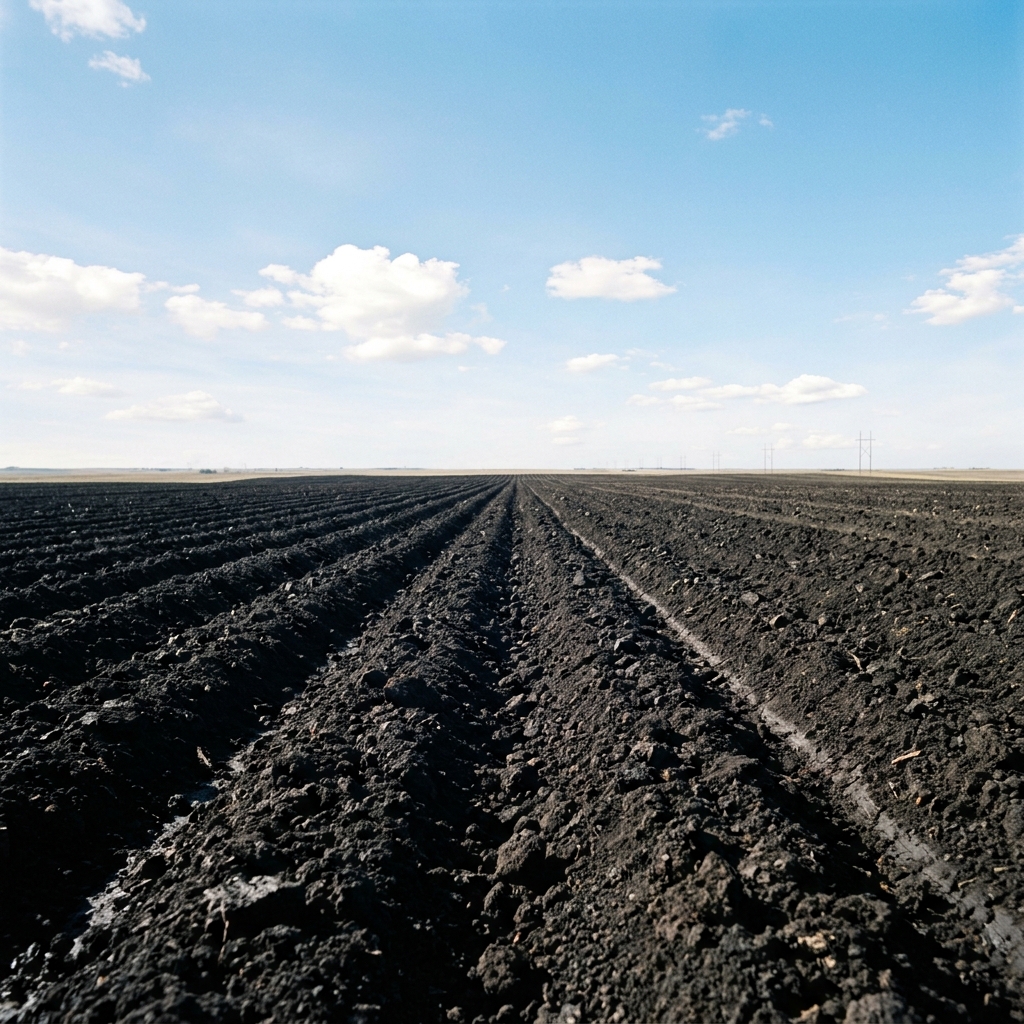
How the Agricultural Calendar Shapes Farmer Demand
Farmers do not look for new land randomly throughout the year. Their search activity is tightly linked to crop planning cycles, harvest completion, and the windows when they are locked into or free from existing lease commitments. A landowner who understands these cycles can position a listing at exactly the moment when motivated, qualified farmers are actively looking.
The Two Peak Windows Every Landowner Should Know
Across the Prairie provinces, two periods consistently produce the highest levels of farmer interest in new lease opportunities. Listing during either window significantly increases the chances of attracting multiple competing bidders rather than a single unchallenged offer.
- Post-harvest fall window (October to November): After harvest wraps up, farmers immediately shift attention to next year's plans. This is when many will look to expand their acreage, lock in ground for the coming season, and negotiate renewals on existing leases.
- Pre-planting spring rush (February to March): Farmers who did not secure all the land they needed in the fall return to the market with urgency. Competition is high and time pressure works in a landowner's favour.
- Lease renewal negotiation window: If your current tenant's lease is expiring, listing publicly during the farmland lease renewal timing window signals to the market that your land is genuinely available, often prompting stronger offers from the existing tenant as well.
- Local seeding calendar alignment: Listing two to three weeks before regional seeding decisions are finalized gives farmers just enough time to bid, secure financing, and commit to new ground without feeling rushed.
What Happens When You List at the Wrong Time
A listing posted in mid-summer or in the depth of winter often lands in front of a much smaller active audience. Farmers are either in the middle of field work or in a planning pause, and the urgency that drives competitive bidding simply is not there. The result is frequently a weaker bid pool, less price competition, and farmland rental rates that fall short of what the same land could command during a peak window.
Why Competitive Bidding Amplifies the Value of Good Timing
Getting the timing right is only half of the equation. The other half is making sure that farmer demand is channelled into a structure where multiple bidders are competing openly against each other. A private negotiation with a single tenant will almost never capture the same value as a well-timed listing on a competitive farmland bidding platform.
The Mechanics of Market-Driven Pricing
When verified farmers bid against one another in a live auction environment, the price is set by genuine market demand rather than by whoever negotiates harder. Live auction bidding removes the information asymmetry that typically disadvantages landowners in private deals. A farmer negotiating one-on-one knows their own ceiling. In a transparent auction, that ceiling gets tested. Landowners who combine peak-season listing with an open bidding process consistently see stronger outcomes than those relying on private arrangements.
Regional Demand Differences Across Canada
Timing also interacts with regional dynamics. Alberta farmland lease per acre rates and Saskatchewan farmland rental rates do not move in lockstep, and local crop mix, soil class, and irrigation access all influence when demand peaks in each province. In Saskatchewan, canola and wheat rotations mean post-harvest planning often begins earlier than in mixed-crop regions of Ontario. Understanding your specific region's rhythm gives you an additional edge when timing a listing. A trusted resource like the Saskatchewan crop planning guide can help landowners align with how local farmers are sequencing their decisions.
Lease Structure Decisions That Interact With Timing
How you structure a lease affects how many farmers will actively bid and how confidently they can do so. Before listing, landowners should consider whether a cash rent vs crop share lease model better fits their goals and their tenant market, because different structures attract different types of bidders.
Cash Rent Listings and Bidding Clarity
Cash rent leases tend to attract the broadest bidder pools because the economics are straightforward for both parties. Farmers can calculate their per-acre cost against projected yields and farmland auctions work especially well with cash rent structures, since a single per-acre figure is easy to bid on competitively. Listing a cash rent property during a peak demand window on the right platform creates the conditions where multiple qualified farmers push the price toward true market value. For guidance on how lease agreements are typically structured in Canada, provincial resources like the Manitoba guide to crop land leasing offer a useful baseline.
Multi-Year Leases and the Timing Window
If you are listing land under a multi-year agreement, timing matters even more because the rate you lock in will hold for several seasons. Listing a multi-year farmland lease during a high-demand window sets a stronger baseline that compounds in value over the lease term. Landowners who lock in below-market rates on multi-year terms during a slow period leave significant cumulative income on the table. For landowners unfamiliar with sustainable rental practices, reviewing guidance such as Ontario's land rental sustainability guide can provide useful context before committing to a long-term structure.
Putting It All Together: A Practical Listing Strategy
Strategic timing is not complicated once you understand the underlying demand cycles. The goal is to align your listing with the moments when farmers are actively planning, have capital available, and are motivated to compete for quality ground.
Steps to Time Your Listing Effectively
Start by identifying when your current lease expires and counting backward. If you want a new lease to start in spring, your listing should be live no later than November of the prior year. For fall start dates, a summer listing in July or August can capture pre-harvest planning interest. Landowners who have previously relied on informal arrangements often discover that simply moving to a structured listing during a peak window produces more competitive outcomes than any other single change they make. The platform you choose also matters: a live auction system with a verified farmer network means your well-timed listing reaches the right audience rather than sitting on a passive classifieds page.
How Land4Rent Supports Timing-Aware Listings
Knowing when to list is only useful if you can act on it efficiently. Land4Rent allows landowners to list quickly, reach a network of verified farmer-bidders, and monitor competitive bids in real time. The online auction system is built specifically for farmland leasing in Canada, which means the bidder pool already understands the seasonal logic and is ready to move when listings go live at the right moment.
Conclusion
The farmland leasing market in Canada is not a year-round even playing field. Farmer demand concentrates in predictable windows, and landowners who list during those windows consistently attract more bidders and stronger rates than those who list reactively. Combining good timing with a transparent auction format removes the guesswork and gives the market a chance to genuinely set a fair price for your land. Whether you manage a small quarter section or several thousand acres, treating listing timing as a strategic decision is one of the simplest ways to maximize farmland rental returns without changing anything about the land itself. Review your lease expiry dates now, map them against the fall and spring demand windows, and plan your next listing accordingly.
Ready to list your farmland when farmer demand is at its peak? Start your listing on Land4Rent and let verified farmer bidders set the market rate for your land.
Frequently Asked Questions (FAQs)
What is the best time to lease farmland in Canada?
The two strongest windows for listing farmland in Canada are the post-harvest fall period from October to November and the pre-planting spring window from February to March, when farmer demand and urgency are both at their highest.
Is it better to lease farmland in spring or fall?
Fall listings generally offer more lead time and attract farmers who are actively planning for the next full season, while spring listings capture urgent late-stage demand from farmers who still need additional acreage before seeding begins.
How do farmland rental auctions work?
In a farmland rental auction, verified farmers submit competing bids on a listed property, and the rental rate is determined by genuine market demand rather than private negotiation, giving landowners transparent, market-tested pricing.
What factors affect farmland rental rates in Canada?
Key factors include soil quality, crop history, proximity to grain handling facilities, local supply and demand for farmland, regional commodity prices, and the time of year when the land is listed.
How does listing timing affect competitive farmland bidding?
Listing during peak demand windows ensures a larger pool of motivated, qualified farmers is actively searching for new acreage, which directly increases the number of competing bids and drives rental rates closer to true market value.

.png)


.svg)


.svg)