%20(1).svg)

.svg)

Introduction
Farmland value in Canada has climbed steadily over the past two decades, yet many landowners continue to lease their properties at rates set years ago. The disconnect between rising agricultural land prices and stagnant rental agreements represents a significant missed opportunity. For landowners who treat their acreage as a long-term asset, understanding how land appreciation translates into stronger rental income is not optional. It is foundational to sound financial planning. The relationship between what land is worth and what it can earn is more direct than most owners realize, and the gap between the two often signals that a lease is overdue for renegotiation.
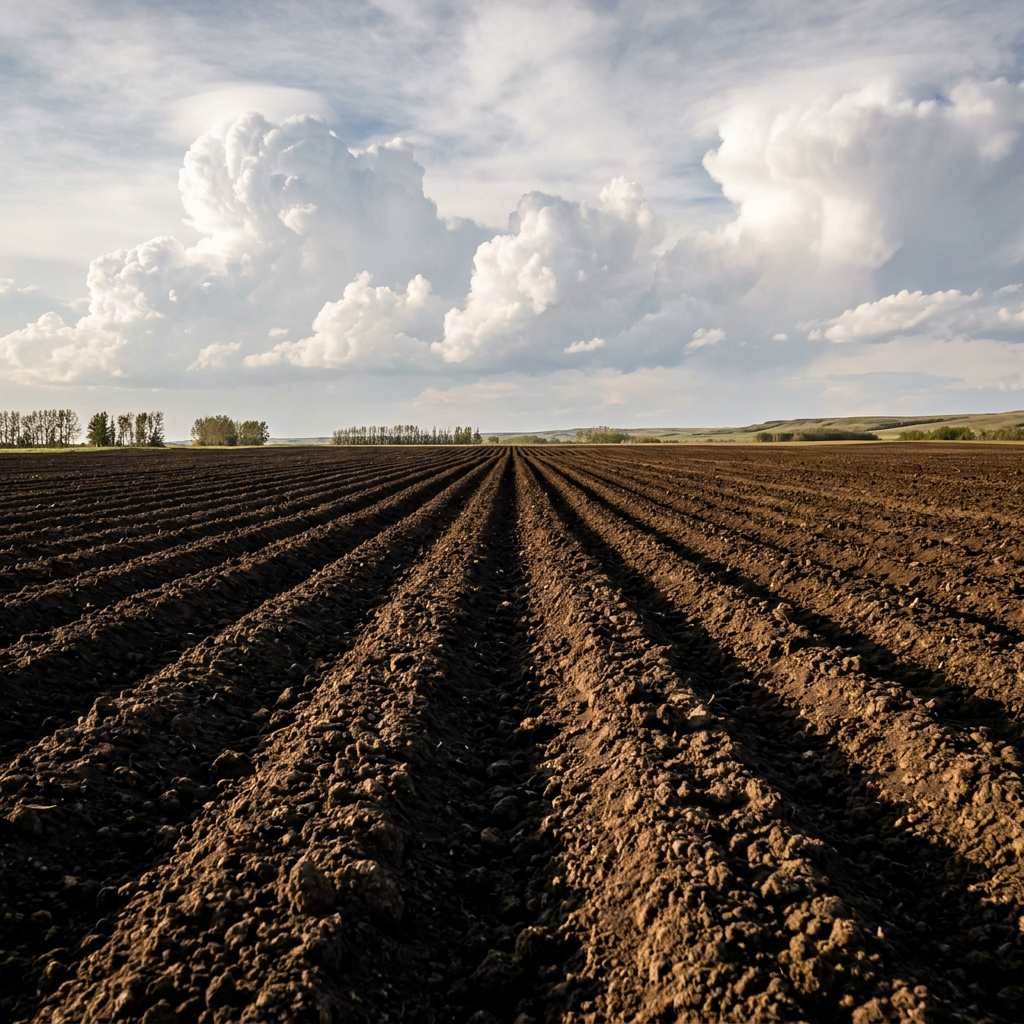
What Drives Farmland Value Over Time
Agricultural property valuation is shaped by a layered set of factors, some rooted in the physical characteristics of the land itself and others driven by broader economic and market forces. For Canadian landowners, grasping these drivers is the first step toward understanding why the farm rental market value of a given parcel can shift dramatically over a five or ten-year span.
Core Factors Behind Farmland Pricing
Several variables combine to determine what a parcel of farmland is actually worth. Some are immediately visible, like topography and access to water, while others require deeper analysis of market data and regional trends. The economics of farmland use show that these factors compound over time, making proactive valuation essential.
Soil quality and productivity: High-quality soils that consistently produce strong yields command premium prices and attract competitive bids from tenants
Location and regional demand: Proximity to grain elevators, processing facilities, and major transport corridors directly influences both land value and the rental rates it can support
Water access and drainage: Reliable irrigation potential or well-drained fields reduce crop risk, increasing what farmers are willing to pay for a lease
Commodity price cycles: When crop prices rise, farmland becomes more profitable to operate, pushing both land values and rental expectations upward
Urban and development pressure: Land near expanding municipalities may appreciate faster due to speculative buying, even if its agricultural use remains unchanged
Regional Differences Across Canadian Markets
Farmland market trends in Canada vary significantly by province. In Ontario, high-demand cropland near the Golden Horseshoe has seen value increases that consistently outpace Prairie benchmarks. Meanwhile, Saskatchewan and Alberta offer larger parcels at lower per-acre costs, but their appreciation rates depend heavily on factors most owners overlook, including drainage infrastructure and the local tenant pool. According to FCC data, average farmland value per acre in Canada has risen by double-digit percentages in several recent years, though the pace varies substantially from one region to the next. Understanding these regional dynamics is critical for any landowner trying to set lease pricing that reflects genuine market conditions rather than outdated assumptions.
How Land Appreciation Translates to Rental Income
Rising farmland value does not automatically produce higher rental income. The connection between what land is worth on the open market and what it earns through a lease depends on whether the landowner actively manages that relationship. Too many owners sign long-term agreements at fixed rates and never revisit them, even as the underlying asset appreciates year after year.
The Valuation-to-Rental Pipeline
When agricultural land prices increase, the economics of farming that land typically improve as well. Higher land values often reflect stronger commodity markets, better infrastructure, or increased regional demand for productive acreage. Tenants operating on higher-value land tend to generate more revenue per acre, which means they can afford to pay more in rent. The FCC farmland values report confirms this pattern: regions with the strongest appreciation also tend to see rising rental rates over time.
The practical implication is straightforward. If a parcel of land has appreciated by 30% since the last lease was signed, the rental rate attached to that parcel likely no longer reflects its productive or market value. Landowners who fail to reassess are essentially subsidizing their tenants by charging below what the rental rates in Canada would support. This is not about squeezing tenants; it is about ensuring the return on the asset aligns with its current worth.
Why Periodic Lease Reassessment Matters
Farmland lease rates should not be set once and forgotten. The strongest approach for landowners is to build periodic reassessment clauses into every lease agreement. This might mean a formal rate review every two or three years, benchmarked against provincial data on farmland lease rates and local sale comparables. Without these checkpoints, lease income stagnates while the asset it is tied to continues to grow in value.
A structured reassessment also benefits tenants. Clear expectations around rate adjustments eliminate the surprise of a sudden, dramatic increase at renewal time. Both parties can plan ahead, and the lease relationship remains grounded in fair, transparent farmland pricing rather than guesswork. Platforms like Land4Rent help facilitate this process by using competitive bidding to surface real-time market demand, giving landowners a data-driven foundation for their pricing decisions.
Building a Long-Term Rental Income Strategy
Aligning rental income with farmland value is not a one-time exercise. It requires an ongoing strategy that accounts for shifting market conditions, lease structure choices, and the specific characteristics of the land itself. Landowners who treat their acreage as a managed financial asset, rather than a passive income source, consistently earn stronger returns.
Choosing the Right Lease Structure
The type of lease a landowner uses has a direct impact on how well rental income tracks with land appreciation. Fixed cash rent leases provide stability but can leave money on the table during periods of rapid appreciation. Crop-share arrangements tie income more closely to actual production outcomes, which tend to move in tandem with land values. Hybrid models, which combine a base cash payment with a variable component linked to yields or commodity prices, offer a middle ground that many agricultural land lease advisors now recommend.
The decision between these structures should reflect both the landowner's risk tolerance and the local market context. In high-demand regions like Southern Ontario, competitive bidding on cash rent leases can push rates to levels that accurately reflect current fair per-acre rental rates. In areas where tenant demand is thinner, such as parts of Northern Alberta, a crop-share model may better protect against years where commodity prices dip.
Using Market Data to Stay Competitive
Landowners who rely on neighbour conversations or outdated provincial averages to set their rental rates are almost certainly leaving income on the table. The Canadian farmland pricing landscape has grown more complex, and the gap between what informed landowners earn and what uninformed landowners accept has widened. Provincial agencies, FCC reports, and rental rate benchmarks all provide publicly available data that landowners can and should consult annually.
Beyond government data, real-time auction results offer one of the clearest signals of what the market will actually bear. When verified farmers place competitive bids on a listing, the resulting rate reflects genuine willingness to pay, not an estimate or a provincial average. This kind of transparent pricing mechanism removes the guesswork from farmland lease decisions and gives landowners confidence that their rental income tracks with the true value of their property. Land4Rent's auction-based platform is built specifically around this principle, connecting landowners with real demand data so they can make informed choices about their most valuable asset.
Conclusion
Farmland value and rental income are two sides of the same financial equation. As Canadian agricultural land continues to appreciate, landowners who actively monitor that growth and adjust their lease terms accordingly will capture far more of their property's earning potential. The tools to do this, from provincial valuation data to competitive bidding platforms, are more accessible than ever. Treating farmland rental rates as a dynamic, market-driven metric rather than a static figure is the single most impactful shift a landowner can make.
Visit Land4Rent to list your farmland and discover what competitive bidding reveals about your property's true rental value.
Frequently Asked Questions (FAQs)
What determines farmland value?
Farmland value is determined by soil quality, location, water access, commodity price trends, regional demand, and proximity to infrastructure like grain elevators and transportation corridors.
How do farmland rental rates change over time?
Rental rates tend to increase alongside land appreciation, commodity price growth, and rising tenant demand, though they only adjust when landowners actively reassess their lease agreements.
What is the average farmland cost per acre in Canada?
The average cost varies widely by province, ranging from a few thousand dollars per acre in parts of the Prairies to over $30,000 per acre in prime Southern Ontario cropland.
What is competitive farmland pricing in Ontario vs Alberta?
Ontario farmland commands significantly higher per-acre values and rental rates than Alberta due to stronger urban proximity, smaller average parcel sizes, and higher-intensity crop production.
How does land appreciation affect rental income in Canada?
As land appreciates, its productive and economic capacity increases, which allows landowners to justify and negotiate higher rental rates that reflect the property's current market position.


.png)




.svg)


.svg)